How to Start a Photography Business: Launch Guide
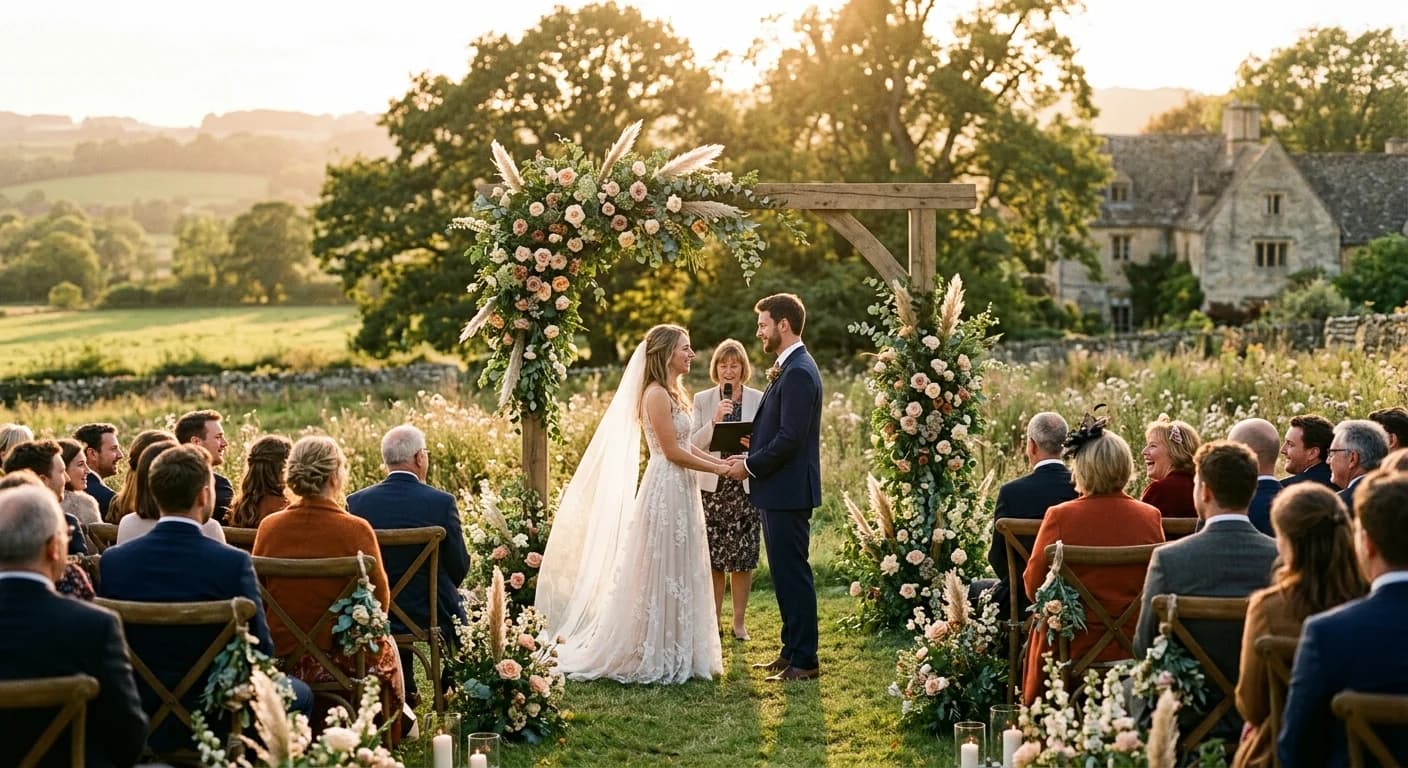
Turning your photography hobby into a real business comes down to a few key first moves: nailing down your niche, sketching out a simple business plan, and building a portfolio that speaks directly to the clients you want. This early groundwork is what really separates a passionate side-gig from a profitable, long-term career.
Building Your Business Beyond The Lens
Look, transforming a passion for photography into a business that actually pays the bills takes more than a nice camera and a good eye. It takes a bit of strategy and a clear idea of where you're heading. Honestly, the work you do before you even think about booking a client is the most important part. It's the difference between just hoping for success and actually building a roadmap to get there.

This initial phase is all about making deliberate choices. The decisions you make now will shape your brand, your services, and the kind of people who hire you. It’s your chance to figure out what makes you different and set yourself up for success from day one.
Finding Your Profitable Niche
One of the first—and toughest—decisions you'll make is picking a specialty. If you try to be the photographer for everyone, you often end up being the photographer for no one. A clear niche helps you focus your marketing, sharpen your skills, and become the go-to expert people seek out.
So, what do you genuinely love to shoot? Where do your talents really shine? Is it the chaotic, beautiful energy of a wedding day? The quiet, tender moments of a newborn session? Or maybe the clean, precise world of commercial photography?
Think about some of these popular and profitable avenues:
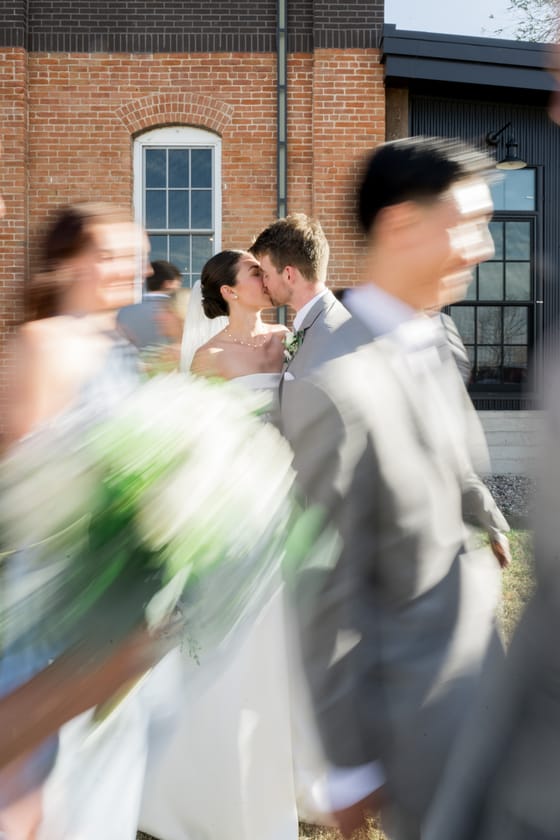
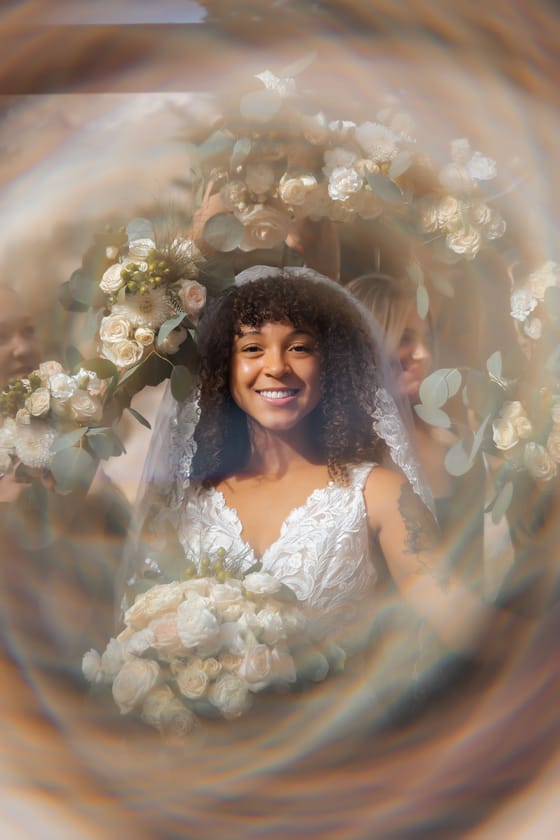
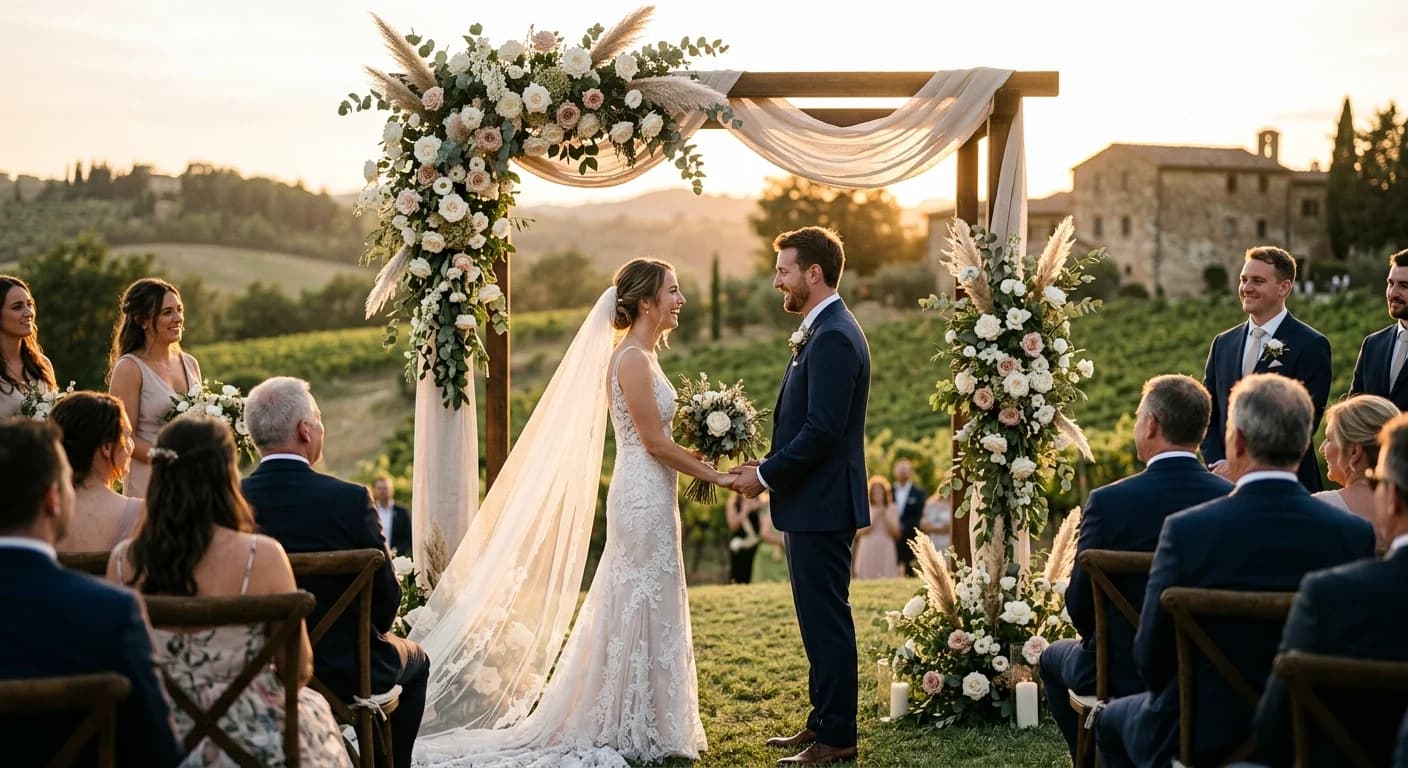
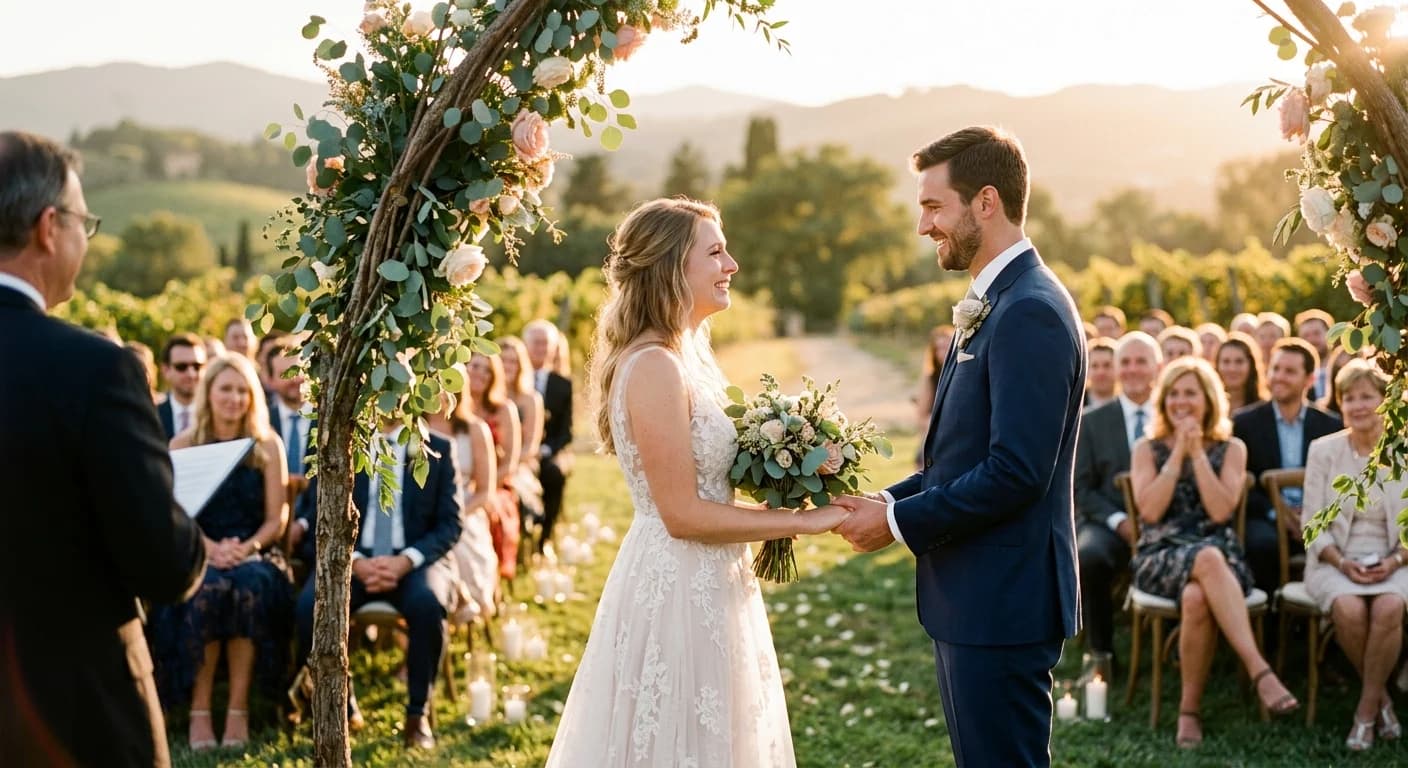
- Wedding & Engagement Photography: This is a huge market. It’s high-demand and emotionally charged, but it requires top-notch people skills and the ability to think on your feet under serious pressure.
- Family & Portrait Photography: This is your bread and butter. It covers everything from maternity and newborn shoots to the annual family photos on the beach, creating a steady stream of repeat business.
- Commercial Photography: This is a wide-open field, including everything from product shots for e-commerce sites to corporate headshots and real estate listings. If you're curious about the possibilities, you can learn more about the different /types-of-commercial-photography/ and see what clicks.
- Event Photography: Think corporate conferences, milestone birthday parties, and live music. This work demands an almost photojournalistic approach and the ability to adapt to any lighting situation.
The sweet spot is where your passion, your skill, and a paying market all overlap. Getting this right makes every other decision—from your website design to your pricing—so much easier.
Crafting Your Business Plan
A business plan doesn't have to be some stuffy, 100-page document you write once and forget. For a photographer, it's more of a living, breathing guide that maps out your goals and how you plan to hit them. It’s your blueprint for turning a creative skill into a real business.
Your business plan is your roadmap. It forces you to get clear on your vision, define who you want to work with, outline what you’re selling, and set real financial goals. It's what gives your passion structure.
A good plan will help you solidify your brand identity—your editing style, your communication voice, and what makes you you. It also forces you to pinpoint your ideal client. Who are they? Where do they spend their time online? What do they actually care about when hiring a photographer? A solid starting point is this comprehensive guide on how to write a business plan.
And the good news? You’re stepping into a market with plenty of room to grow. Even with smartphones everywhere, the demand for professional, high-quality photography isn't going anywhere. With a smart plan, there’s more than enough opportunity to build a successful business.
Before we move on, let's break down these foundational steps into a simple checklist. Think of this as your launchpad for getting started.
| Photography Business Startup Checklist |
| :— | :— | :— |
| Pillar | Key Actions | Why It Matters |
| Niche Definition | – Identify your passions and skills.
– Research market demand and profitability.
– Select one primary specialty (e.g., weddings, newborns). | Focuses your marketing, builds expertise, and attracts ideal clients who value your specific skill set. |
| Business Plan | – Outline your services and pricing.
– Define your target client.
– Set clear financial goals (revenue, profit). | Provides a clear roadmap for growth, helps you make strategic decisions, and keeps you accountable. |
| Portfolio Building | – Execute styled shoots in your niche.
– Offer sessions to friends/family to build a sample gallery.
– Curate your top 15-20 images for your website. | Your portfolio is your primary sales tool. It's the visual proof that you can deliver what you promise. |
This checklist isn't exhaustive, but it covers the core essentials you absolutely need in place to build a strong foundation. Get these three pillars right, and you'll be miles ahead of the competition from day one.
Getting Your Business Ducks in a Row: Legal and Financial Setup
Alright, let's talk about the stuff that makes most creatives want to run for the hills: the legal and financial side of things. I get it. It’s not nearly as exciting as nailing the perfect shot, but getting this foundation right from day one is what separates a hobby from a real, sustainable business.
Think of it as your business's tripod. Without this stable base, everything you build on top is at risk of crashing down. Taking the time to set this up properly now will save you countless headaches and heartaches down the road.
What Kind of Business Are You?
First things first, you need to decide how the government sees your business. This choice has big implications for your taxes and, more importantly, how protected your personal assets are. For most of us starting out, it usually boils down to two main paths.
-
Sole Proprietorship: This is the default setting. It's you, and you are the business. Super simple to get started—no complex paperwork. The catch? There's no legal wall between your business and your personal life. If something goes wrong and your business gets sued, your personal assets (your car, your house) could be on the line.
-
Limited Liability Company (LLC): This is the route I almost always recommend. An LLC creates that crucial legal separation. It turns your business into its own entity, shielding your personal finances from business debts or lawsuits. Yes, it costs a bit to file and involves a little more paperwork, but that peace of mind is priceless.
My Two Cents: Go with the LLC if you can. The protection it offers is a game-changer. Starting as a sole proprietorship is fine, but plan to switch to an LLC as soon as you start booking clients regularly.
Making It Official
Once you've picked a business structure, it's time to make it official. This isn't just about paperwork; it's about setting up the systems that will let you operate like a pro.
You'll need to register your business name. If you're not using your own legal name—say, "Golden Hour Photos" instead of "Jane Doe Photography"—you'll likely need to file a "Doing Business As" (DBA) with your local government. This just lets them know who is behind the business.
Next, and this is a big one, open a dedicated business bank account. I can't stress this enough. Do not mix your personal and business funds. It creates an absolute mess come tax time and can even poke holes in the legal protection of your LLC. A separate account keeps everything clean, making it incredibly easy to track your income and expenses.
Your Two Best Friends: Insurance and Contracts
If you take nothing else away from this section, remember this: you absolutely need business insurance and a rock-solid client contract. These are non-negotiable.
Let's be real, we work with thousands of dollars worth of gear. Accidents happen.
- Equipment Insurance: This is your safety net. It covers your cameras, lenses, and lights from theft, drops, and other disasters. Trust me, the moment your favorite lens takes a tumble, you'll be so glad you have it.
- Liability Insurance: This protects you if someone gets hurt during your shoot (think a guest tripping over your light stand at a wedding) or if you damage property at a venue. In fact, most wedding venues won't even let you in the door without proof of at least $1 million in liability coverage.
Equally important is your contract. A contract isn't about mistrust; it's about clarity. It sets clear expectations for everyone involved and protects both you and your client. It should cover everything: what you'll deliver, when it will be delivered, payment schedules, cancellation policies, and what happens if things go wrong.
If you’re just starting, building a contract from scratch can feel daunting. A great starting point is to look at a professional wedding photographer contract template to see what a comprehensive agreement looks like.
Get these pieces in place, and you’ve built a business that’s not just creative, but resilient and ready for whatever comes its way.
Assembling Your Gear and Workflow
Your equipment and editing process are the engine of your business. It's so easy to get caught up in "gear acquisition syndrome," thinking you need the absolute best of everything to even start. But let me tell you from experience: a reliable, functional toolkit and a smart workflow will get you much further than a bag full of expensive, complicated gear you barely know how to use.
Let’s talk about building a professional setup that delivers consistent, beautiful results without breaking the bank right out of the gate.
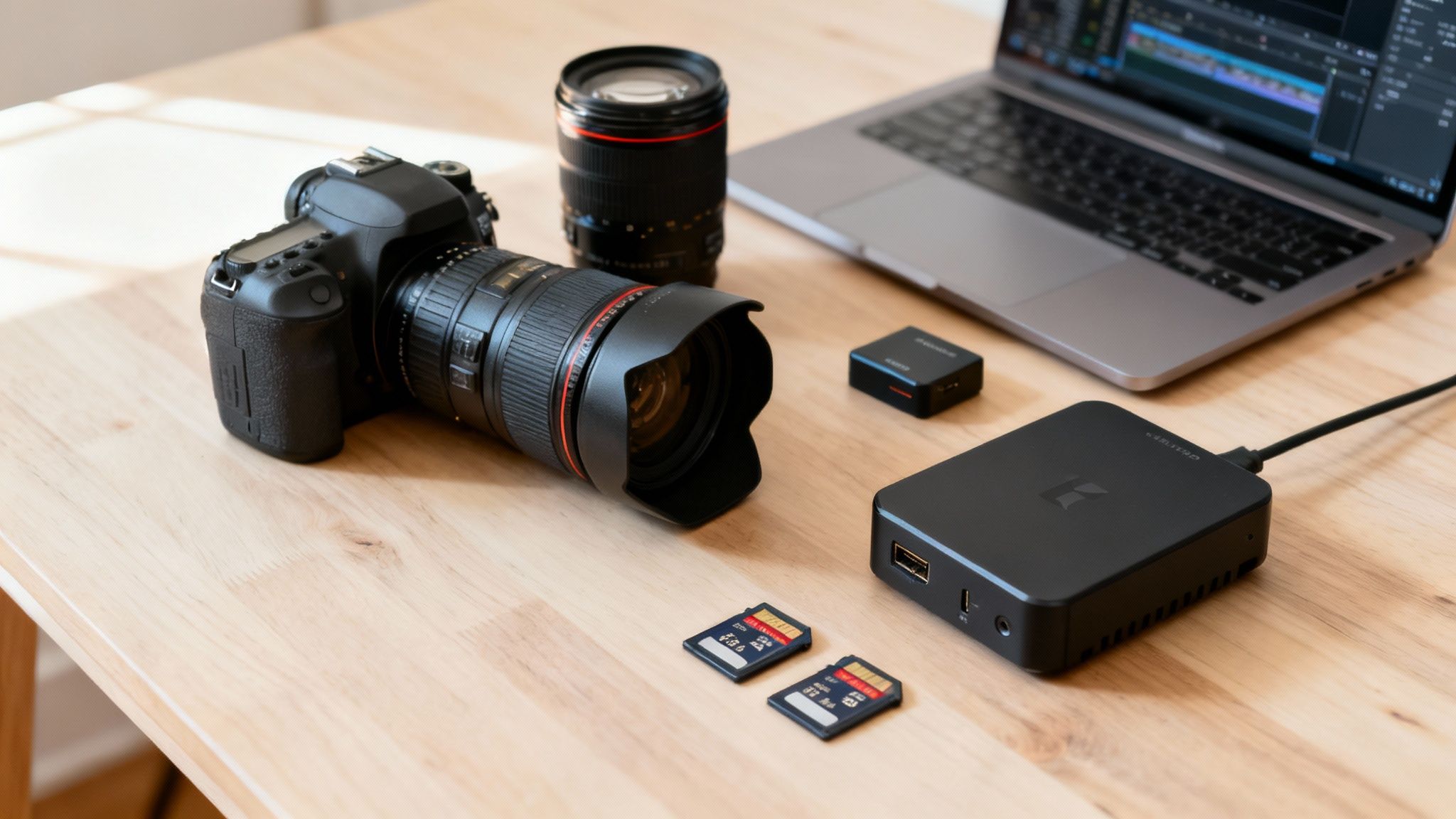
Starting a photography business is all about smart investments. Your real goal is to get gear that reliably produces professional-quality images, so you can stop worrying about your tools and start focusing on your craft and your clients.
Building Your Essential Toolkit
Okay, let's start with the camera body. A full-frame camera, whether it's a DSLR or one of the newer mirrorless models, is what most pros use. The reason is simple: they're amazing in low light and produce incredible image quality. That said, don't feel pressured. Plenty of pros got their start with high-end crop-sensor cameras and built up their kit over time. If you're weighing your options, this is a really helpful guide to the best camera for photography.
Here’s the thing, though—your lenses will shape your images far more than your camera body will. I’ll say it again for the people in the back: a great lens on an older camera will always beat a cheap kit lens on a brand-new body.
Here’s what I’d consider a solid starting kit for a portrait or wedding photographer:
- A Reliable Camera Body: My one non-negotiable feature? Dual card slots. This creates an instant backup of every single photo you take. It's a lifesaver.
- A "Nifty Fifty" Lens: A 50mm f/1.8 prime lens is cheap, sharp, and a beast in low light. It's a must-have for beautiful portraits with that blurry background everyone loves.
- A Versatile Zoom: The 24-70mm f/2.8 is the quintessential workhorse lens for weddings and events. You can go from a wide group shot to a tight portrait without ever swapping lenses.
- An External Flash: Please, step away from the on-camera pop-up flash. An external speedlight that you can bounce off ceilings or use off-camera is what separates amateur snapshots from professional portraits.
If you want a more exhaustive list, we put together a professional photography equipment checklist to make sure you have all your bases covered.
Creating an Efficient Post-Production Workflow
Your job isn't done when you press the shutter. In fact, that's often just the beginning. A dialed-in post-production workflow is the only way you’ll deliver galleries on time and keep your sanity during busy season. This process breaks down into three parts: culling, editing, and delivering.
Culling is just a fancy word for picking the best images from a shoot. Don't do this one-by-one in a standard photo viewer. Software like PhotoMechanic or even just the library module in Adobe Lightroom will let you fly through hundreds of photos, quickly ditching the duplicates, blurry shots, and weird expressions.
A consistent editing style is a huge part of your brand. Whether you buy presets to get started or develop your own, your final images need to look cohesive. That’s the style clients are hiring you for.
Once the editing is done, deliver the photos through a professional online gallery service like Pixieset or CloudSpot. It just looks more professional than a Dropbox link and gives your clients an easy way to view, download, and order prints.
Protecting Your Work and Your Clients’ Memories
Losing a client's photos is every photographer's worst nightmare. Can you imagine having to tell a couple you’ve lost their wedding photos? It’s a reputation-ending mistake. That’s why having a rock-solid backup strategy from day one is absolutely non-negotiable.
The industry gold standard is the 3-2-1 backup rule:
- Keep three total copies of your data.
- Store those copies on two different types of media (like an external hard drive and a cloud service).
- Keep one of those copies off-site.
This sounds more complicated than it is. A simple, practical setup is saving files to your computer, backing them up to a local external drive, and using a cloud service like Backblaze for that off-site copy. This redundancy means that even if the worst happens, your clients' memories are safe.
This becomes even more critical when you think about just how many photos you’ll be responsible for over a career. Your ability to securely manage and protect your work is what makes you a true professional.
Putting a Price on Your Passion & Building a Killer Portfolio
Alright, let's talk about two of the biggest things that keep new photographers up at night: your portfolio and your pricing. Your portfolio is what makes a potential client stop scrolling and say, "Wow." It's your visual handshake. Your pricing, on the other hand, is what actually keeps the lights on and turns this passion into a real business.
Getting these two right is a balancing act. A breathtaking portfolio paired with prices that can't sustain your business is just an expensive hobby. And great pricing won't matter if your work doesn't convince anyone to hire you. They have to work together.
Building a Portfolio When You Have No Clients
This is the classic chicken-or-the-egg problem, right? You need clients to build a portfolio, but you need a portfolio to get clients. The secret? You have to create the work you want to be hired for, even if no one is paying you… yet.
Don't just grab a few snapshots of your friends in the park. Get intentional. If you dream of shooting weddings, you need to create images that look like they came from a real wedding.
- Organize Styled Shoots: This is my favorite tip for beginners. Team up with other new vendors who also need portfolio content—a florist, a makeup artist, a boutique with a dress, and a model or a real couple who are game. Everyone gets incredible photos for their own portfolio. It’s a win for everyone involved.
- Run a Model Call: Post in local Facebook groups or on Instagram offering a free or deeply discounted session. Be super clear that this is a "model call" for portfolio building. This gives you the creative freedom to control the location, the styling, and the final images you deliver.
- Shoot for Yourself: Go out and shoot what truly inspires you, but do it in the style you want to sell. This is how you develop your unique voice, and that passion will shine through to potential clients.
Your portfolio is a curated gallery, not a photo dump. Be ruthless. It's far better to show 15 of your absolute best images than 50 that are just "okay."
Think of this first portfolio as your promise. It needs to tell your ideal client, "This is the quality and style you can expect when you book me." It has to be a perfect match for the niche you’ve chosen.
Let's Demystify Your Pricing
Pricing is where most new photographers get stuck. The temptation to guess, or worse, to drastically undercharge out of fear, is huge. But that's a fast track to burnout. Profitable pricing isn’t based on feelings; it's a simple math problem based on your expenses and what you need to live.
First thing's first: calculate your Cost of Doing Business (CODB). This is every single dollar it takes to run your business for one year.
- Gear: Your cameras, lenses, lights, and computer.
- Software: Your subscriptions to Adobe Creative Cloud, gallery delivery services like Pixieset, and any studio management software.
- Business Stuff: Insurance, website hosting, marketing ads, business cards, bank fees.
- Taxes: This is non-negotiable. Plan on setting aside 25-30% of every single payment you receive.
- Your Salary: Yes, you need to pay yourself! Figure out what you need to earn in a year to live.
Add all that up. That number is the absolute minimum you need to make just to break even. Now you can build your packages with confidence, knowing they’re based on real data, not just a number you pulled out of thin air.
How to Structure Your Packages and Services
Once you know your CODB, you can start building offers that make sense for both you and your clients. There isn’t one right way to do it, but here are the most common approaches.
A smart first step is to see what others in your specific market and niche are charging. If you're going into weddings, for example, knowing the local price range is crucial. For a deep dive, you can check out our wedding photographer pricing guide to see real-world examples of how packages are built.
Most photographers use one of these three models:
- Packages: This is the most popular for a reason. You bundle your services into a few tiers (think Bronze, Silver, Gold), which makes it really easy for clients to see what they get for their money.
- À La Carte: This approach lets clients build their own custom package by picking and choosing from a menu of items—session time, digital files, prints, albums, etc. It offers total flexibility but can sometimes overwhelm clients with too many choices.
- The Hybrid: My personal favorite. You offer a few simple base packages and then let clients add on extras like an album or an engagement session. It’s the best of both worlds.
It's true that the barrier to entry can seem low. Entry-level photographers often earn modest incomes when they're just starting out, but that number doesn't tell the whole story. Location and specialty are everything. Photographers in a major market like New York tend to command much higher earnings than those starting out in smaller markets.
The field continues to grow, so there's absolutely a path to a successful career if you price yourself correctly for your market. By positioning yourself as an expert and backing it up with a stunning portfolio, you can build a business that doesn't just survive, it thrives.
Getting Booked: How to Find and Fill Your Calendar with Ideal Clients
You've got the talent, the gear, and a solid business plan. Now for the most important part: actually getting paid clients. Your stunning photos and thoughtfully designed packages won't do you any good if the right people never see them. It's time to put on your marketer hat and connect with the clients who will truly value what you do.
This isn't about spammy sales tactics or just hoping people find you. It’s about building a real presence, being genuinely helpful, and creating an experience so good that your clients become your biggest fans. Let's walk through exactly how to get your calendar booked solid.
Your Website: The Digital Front Door to Your Studio
Think of your website as your 24/7 studio manager and gallery curator. It's often the very first interaction a potential client has with your brand, and it needs to make a fantastic impression. A messy, slow, or confusing website can be a major turn-off, especially for clients preparing to invest thousands of dollars.
Your website really only has two jobs: show off your best work and make it ridiculously easy for someone to inquire. You don't need a hundred pages to get started. Just focus on the essentials:
- A Killer Portfolio: This is the main event. Pick your top 15-20 images that scream, "This is what I do best!" If you're a wedding photographer, only show wedding photos. Keep it focused.
- A Personable "About Me" Page: People hire photographers they connect with. Tell your story, share your passion, and be sure to include a warm, professional photo of yourself. Let them see the person behind the camera.
- An "Investment" or "Experience" Page: Clearly explain what it's like to work with you. You can choose whether to list starting prices or full collections, but the goal is to outline your value and process.
- A Simple Contact Form: Don't make them jump through hoops. All you need is their name, email, event date, and maybe a "how did you hear about us?" field. That's it.
Using Social Media Without Losing Your Mind
For photographers, a visual platform like Instagram is a goldmine. But without a clear strategy, it can also be a massive time-waster. Posting pretty pictures and crossing your fingers is not a business plan.
Your real goal on social media is to build a community and let your brand's personality shine. Give people a peek behind the curtain with behind-the-scenes videos. Share glowing client reviews. Post helpful tips that establish your expertise. A family photographer could create a Reel on "3 Quick Tips for Dressing Kids for a Photoshoot," while a wedding photographer might post about the best local spots for engagement photos. This shows you're an expert, not just another person with a camera.
Pro Tip: Treat your Instagram grid like your highlight reel—the absolute best of your portfolio. Use Stories for the day-to-day conversation, Q&As, and behind-the-scenes content. And always, always link back to your website's contact page from your bio.
Figuring out what kind of content to post can feel overwhelming. Knowing when to use a video versus a static image can make a huge difference in who sees your work. If you're stuck, our guide on Reels vs. Posts on Instagram breaks it down clearly.
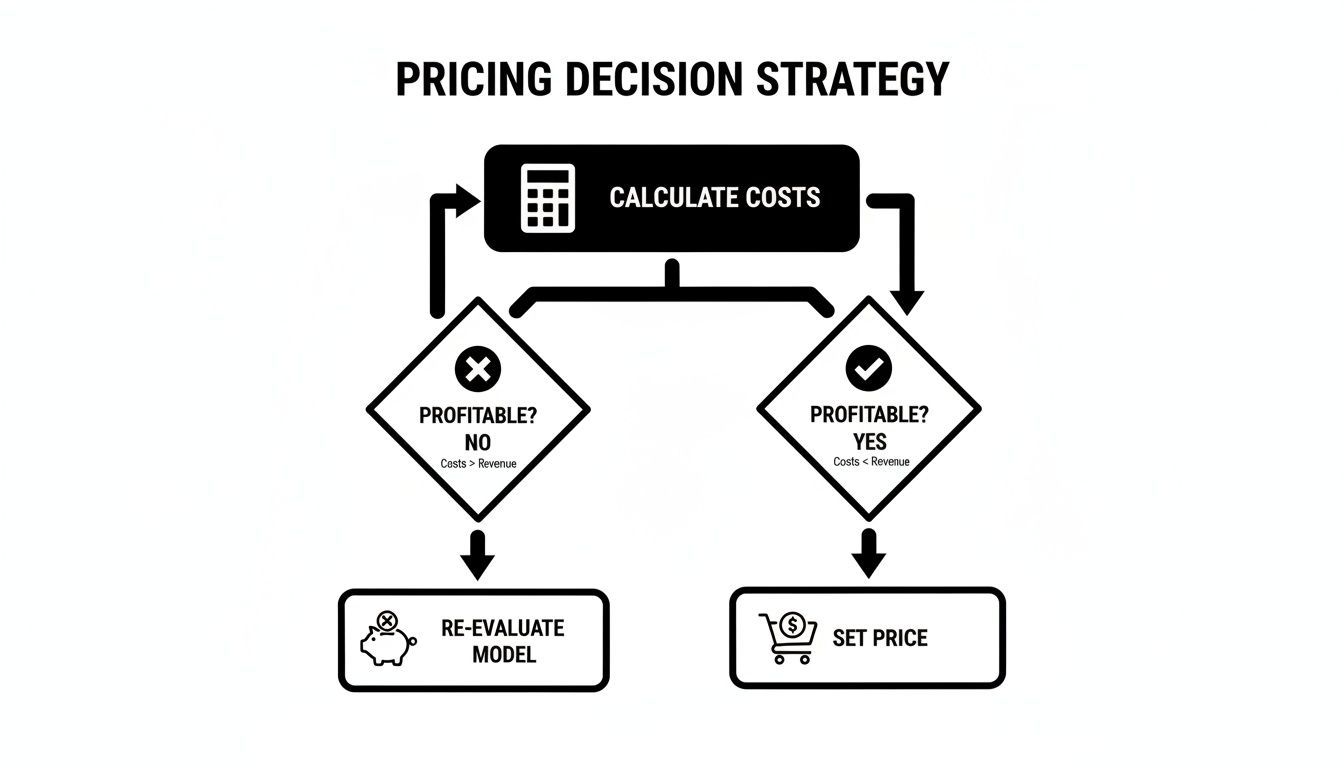
This flowchart is a great visual reminder of how your marketing efforts and pricing strategy are intertwined. You need a profitable model before you start spending time and money trying to find clients.
Deciding where to spend your marketing energy first can be tough. This table breaks down the most common channels to help you focus on what will work best for your niche.
Marketing Channel Comparison for Photographers
| Channel | Best For (Niche) | Pros | Cons |
|---|---|---|---|
| Weddings, Portraits, Fashion | Highly visual, great for community building, direct access to clients. | Algorithm can be fickle, requires consistent content creation. | |
| Weddings, Newborn, Food | High user intent (planners), long content lifespan, drives website traffic. | Less interactive, can be slow to build momentum. | |
| Blogging/SEO | All niches, especially location-specific | Attracts "ready to book" clients, builds authority, long-term asset. | Takes time to see results, requires writing skills. |
| Vendor Networking | Weddings, Events, Commercial | High-quality referrals, builds local reputation, low cost. | Requires strong social skills and takes time to build trust. |
| Facebook Groups | Family, Newborn, Local Events | Great for targeting local communities, direct engagement. | Can be spammy, requires careful rule-following. |
Ultimately, picking one or two channels and doing them really well is far more effective than trying to be everywhere at once.
The Real Secret Weapon: Your Vendor Network
Here's one of the most powerful and consistently overlooked marketing strategies: building genuine relationships with other pros in your field. For a wedding photographer, this means connecting with planners, venues, florists, and DJs. If you shoot newborns, it could be doulas, midwives, or local baby boutiques.
Think about it—these vendors are talking to your ideal clients every single day. When a top wedding planner loves working with you, they'll recommend you to every new couple they sign. A strong relationship with a single popular venue can fill half your calendar with high-quality referrals.
Here’s a simple game plan:
- Connect and Engage: Follow them on social media. Don't just be a lurker—leave thoughtful comments on their work and share their posts.
- Suggest a Collaboration: Proposing a styled shoot is a fantastic, no-pressure way to work together, show off your skills, and create beautiful portfolio content for everyone.
- Be Generous with Photos: After a wedding or event, send the other vendors a small, curated gallery of images that feature their work. This simple act of goodwill goes a long way and gets your images shared.
Write What They're Asking
Blogging is anything but dead. In fact, it's one of your best tools for showing up on Google when a client is actively searching for a photographer. You just have to think like your client. What questions are they typing into that search bar?
A newly engaged couple might be searching for "best industrial wedding venues in Chicago." A new mom might google "what to wear for a newborn photoshoot." If you write a genuinely helpful blog post that answers that exact question, you can attract highly qualified leads right to your website.
Turn every client question into a blog post. It's that simple.
- "What happens if it rains on our wedding day?"
- "Can we include our dog in our family photos?"
- "A sample timeline for a relaxed wedding day"
When you answer these questions on your blog, you're not just improving your site's SEO—you're building trust and positioning yourself as the expert they need. You start booking clients before you even have the first conversation.
Got Questions? We've Got Answers
Starting any new business can feel like you're navigating a maze in the dark. It’s totally normal to have a ton of questions. Let's tackle some of the most common ones that pop up for photographers who are just getting their businesses off the ground.
What's the Best Business Structure to Choose?
When you're first starting out, you'll likely be deciding between a Sole Proprietorship and an LLC (Limited Liability Company). A sole proprietorship is the path of least resistance—it’s simple because you and your business are one and the same in the eyes of the law. The big catch? If something goes wrong, your personal assets are on the line.
That's why most photographers eventually opt for an LLC. It creates a protective legal wall between your personal life and your business. Yes, it involves a bit more paperwork and a small filing fee, but that peace of mind is worth its weight in gold. A good rule of thumb is to form an LLC as soon as you start booking clients on a regular basis.
Do I Really Need a Contract for Every Client?
Yes. 100%. No exceptions. Think of a professional contract not as a sign of mistrust, but as a tool for creating crystal-clear communication. It’s the single best way to make sure you and your client are on the same page.
A solid contract protects you from headaches down the road by clearly defining things like:
- What you'll deliver (e.g., number of images, session length).
- The payment schedule and total investment.
- Your policies for cancellations or rescheduling.
- Who can use the images and how (image rights).
Skipping the contract, even for a "quick little session," opens you up to misunderstandings that can sour a client relationship and hurt your reputation before you've even had a chance to build it.
How Much Should I Charge When I Have No Experience?
Pricing is easily one of the most stressful parts of starting out. It's tempting to just guess or charge way too little, but that's a recipe for burnout. The right way to start is by calculating your Cost of Doing Business (CODB). This is the absolute minimum you need to earn to cover essentials like gear, insurance, software, taxes, and a modest salary for yourself.
Even if you offer special "portfolio-building" rates at the beginning, they must cover your CODB. Working for free is a no-go unless it’s a strategic collaboration that offers you something equally valuable in return.
Once you know your baseline number, do some market research. See what other photographers in your niche and city are charging. You can then position yourself just below the established pros, but high enough that you're seen as a quality professional and are actually turning a profit. Let math—not fear—drive your pricing.
Can I Start a Photography Business With a Crop Sensor Camera?
You absolutely can. Don't let the gear snobs tell you otherwise. While full-frame cameras get a lot of hype for their performance in low light, countless pros built their entire careers starting with quality crop-sensor bodies. The truth is, your skill, your understanding of light, and your choice of lenses make a much bigger difference than your camera body.
Instead of obsessing over the camera, pour your initial investment into great glass. A sharp prime lens like a 50mm f/1.8 can create beautiful, professional-looking portraits on almost any camera. Focus on mastering the gear you have now. Once your business is profitable, you can let your earnings fund the upgrade. Remember, clients are hiring you for your eye, not your equipment list.
At Candid Studios, we know that building a great business starts with a solid foundation of passion and know-how. Whether we're capturing a once-in-a-lifetime wedding or crafting a brand's visual story, our team is all about telling stories that resonate. See our approach to professional photography and videography at Candid Studios.