Types Of Commercial Photography: Complete Guide

Commercial photography is imagery made to sell products, services, or brand trust. Major types include product, lifestyle, corporate/headshot, food, real estate, event, and architectural photography. The right specialty depends on where the images will live (e-commerce, ads, annual reports) and what action you want viewers to take.
Commercial photography is far more than just taking pictures for businesses; it's the visual language that builds brands, drives sales, and tells compelling stories in a crowded marketplace. From the crisp, clean lines of a product on a white background to the authentic, candid emotion of a lifestyle campaign, each specialty requires a unique blend of technical skill, creative vision, and business acumen. As companies increasingly rely on powerful imagery to connect with their audience across every platform, understanding the different types of commercial photography is essential for both clients seeking the right talent and photographers aiming to specialize and master their craft.
This comprehensive guide moves beyond simple definitions. We will explore 10 distinct genres of professional photography, breaking down not just what they are, but how they function in a business context. You will gain actionable insights into:
- Core Objectives: What each photography type aims to achieve for a client.
- Key Clients & Use Cases: Who hires for these services and where the images are used.
- Stylistic Nuances: The specific creative approaches and technical details that define each specialty.
- Hiring & Pricing Considerations: Practical guidance for commissioning or quoting projects effectively.
Whether you are a business owner defining your brand's visual strategy, an event planner coordinating a major function, or a photographer charting your career path, this breakdown will provide the clarity needed to commission or create visuals that truly perform. We will explore everything from corporate headshots and event documentation to highly specialized fields like medical and educational photography, offering a complete map of this dynamic industry.
1. Product Photography
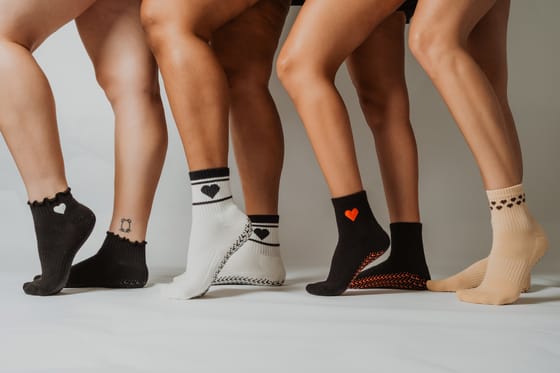
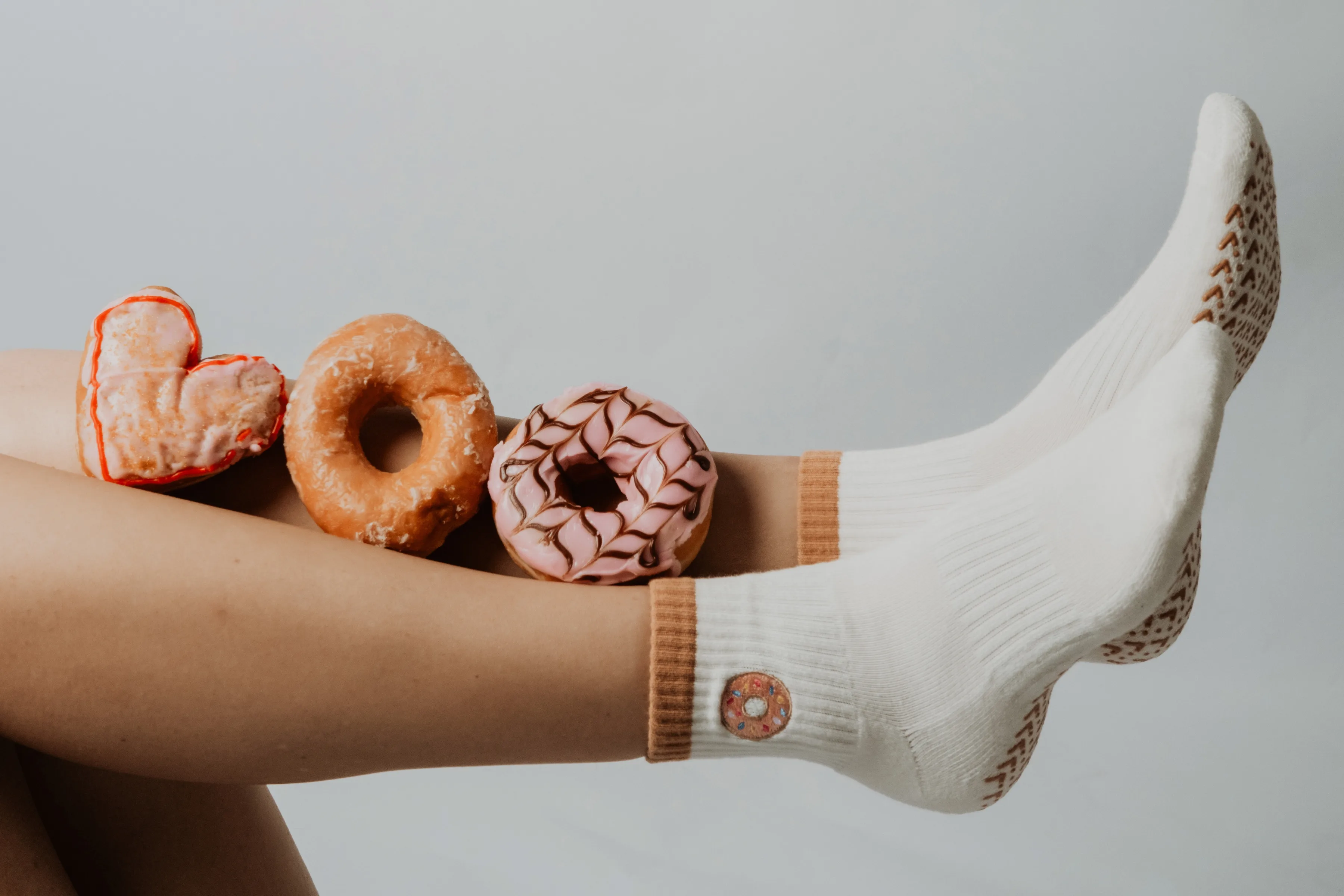
Product photography is a cornerstone among the various types of commercial photography, focusing on capturing images of products for business use. The goal is to present items in the most appealing way possible, driving sales and building brand identity. This highly specialized field is crucial for e-commerce sites, print catalogs, advertisements, and social media marketing.
The impact of high-quality product images is undeniable; they directly influence a customer's purchasing decision, building trust and conveying value before the product is even in their hands.
Key Applications And Styles
Product photography isn't a one-size-fits-all service. It encompasses several distinct styles, each serving a unique purpose.
- Studio "E-commerce" Shots: These are the clean, crisp images you see on Amazon or Shopify, typically shot against a plain white or neutral background. The sole focus is on the product itself, showcasing its features, texture, and details from multiple angles.
- Lifestyle Shots: This style places the product in a real-world context, helping customers visualize themselves using it. For example, a watch is shown on a wrist, or a coffee maker is pictured in a beautifully styled kitchen. Companies like Warby Parker excel at integrating their glasses into relatable, everyday scenes.
- Detail and Macro Shots: For intricate products like jewelry or high-tech electronics, close-up macro shots are essential. They highlight craftsmanship, material quality, and specific design elements that might otherwise be missed.
Best Practices For Success
Executing product photography effectively requires precision and a keen eye for detail. The right setup can make or break a shoot, so mastering the fundamentals is key. A crucial element is lighting, as it defines the product's shape, texture, and mood. For a deeper dive, you can explore our guide to the best product photography lighting.
Pro Tip: Maintain absolute consistency in lighting, camera angles, and post-production editing across an entire product line. This creates a professional, cohesive look for your online store or catalog, which significantly boosts brand credibility.
2. Corporate Branding & Headshots
Corporate branding and headshot photography is a vital subgenre among the types of commercial photography, dedicated to creating professional portraits of a company's team. The core objective is to present executives, employees, and teams in a polished and unified manner, strengthening the company's public-facing image on websites, LinkedIn profiles, and marketing materials. This visual consistency builds trust and credibility with clients.
These images are more than just simple portraits; they are a direct reflection of a company's culture and professionalism. High-quality headshots humanize a brand, making it more approachable and establishing a connection before a customer ever steps into an office or makes a call.
Key Applications And Styles
Corporate photography can be tailored to fit different brand identities and communication goals, extending beyond the standard studio portrait.
- Classic Headshots: These are tightly cropped portraits, typically from the shoulders up, shot against a neutral, non-distracting background. They are the standard for LinkedIn profiles, company ID cards, and speaker bios in press releases.
- Environmental Portraits: This style captures subjects within their actual work environment, such as an architect at a construction site or a developer at their desk. These images provide context, tell a richer story about the individual's role, and showcase the company's culture and workspace.
- Team and Group Shots: Essential for "About Us" pages and annual reports, group photos convey unity and collaboration. These can range from formal, posed arrangements to more dynamic, candid-style shots of the team interacting.
Best Practices For Success
Achieving a professional and consistent look across an entire organization requires careful planning and execution. For businesses seeking efficient solutions, exploring the best AI headshot generator can offer a modern alternative for generating consistent imagery. For traditional shoots, providing clear guidelines on attire and setting expectations is crucial for a smooth session. To ensure everyone looks their best, you can review our guide on how to prepare for professional headshots.
Pro Tip: Create a simple style guide for all corporate photography. Specify background colors, lighting style, and even acceptable poses. This ensures that every new hire's headshot will seamlessly match the existing set, maintaining brand integrity over time.
3. Event Coverage & Documentation
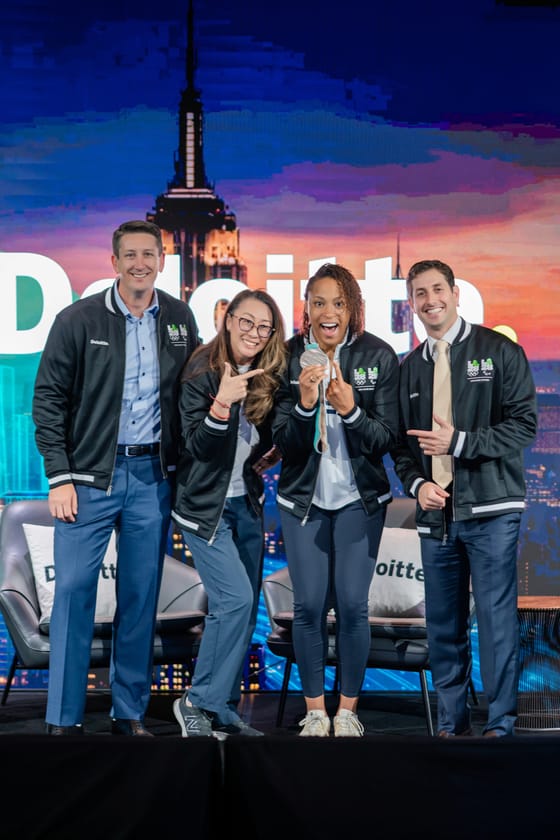
Event coverage is a dynamic and essential type of commercial photography focused on documenting corporate functions, conferences, trade shows, and galas as they happen. The goal is to capture the energy, key moments, and overall atmosphere of an event, providing valuable assets for marketing, public relations, and internal communications. This photojournalistic style requires photographers to be adaptable, discreet, and quick to react.
High-quality event photography serves as a powerful tool for businesses, creating a visual record that can be used to promote future events, showcase company culture, and engage with attendees long after the occasion has ended.
Key Applications And Styles
Event photography is versatile, covering a wide range of corporate and public gatherings, each with its own set of visual requirements.
- Conferences and Trade Shows: This involves capturing keynote speakers, panel discussions, attendee networking, and booth interactions. The images document the scale and success of the event for sponsors and organizers, like those seen in promotions for major industry conventions.
- Corporate Galas and Award Ceremonies: Photography here focuses on the celebratory aspects, such as award presentations, executive speeches, guest interactions, and candid moments of enjoyment. These images are often used in annual reports and internal newsletters to boost morale.
- Product Launches and Brand Activations: The objective is to capture the excitement and public engagement surrounding a new product or brand campaign. Images highlight guest reactions, product demonstrations, and the overall brand experience.
Best Practices For Success
Successfully documenting an event requires more than just a good camera; it demands thorough preparation and the ability to anticipate moments. A photographer must be a silent observer and a proactive director, capturing both candid interactions and posed group shots. The right equipment is vital, as lighting conditions can change dramatically within a single venue. For more on this, our guide details the best lens options for event photography.
Pro Tip: Before the event, create a "shot list" with the coordinator, identifying key speakers, VIPs, and must-have moments. This ensures you capture all critical elements and deliver a comprehensive gallery that meets the client's strategic objectives.
4. Commercial & Advertising Photography
Commercial and advertising photography is the high-stakes discipline of creating imagery for marketing campaigns. Unlike other types of commercial photography that may simply document a subject, this field is about crafting a narrative, evoking emotion, and driving a specific action, all in alignment with a brand’s strategic objectives. These are the powerful images seen on billboards, in magazine spreads, and across digital ad campaigns.
The ultimate goal is to translate a creative concept into a visual story that captivates an audience and reinforces brand messaging. It often requires significant pre-production, including mood boards, storyboarding, and collaboration with a full creative team.
Key Applications And Styles
This branch of photography is incredibly diverse, with the style being dictated entirely by the campaign's concept and the brand's identity.
- Conceptual Advertising: This style focuses on a single, powerful idea. The photograph is a visual metaphor for a brand's message, like Nike's campaigns that equate their products with athletic greatness and emotional triumph.
- Brand Storytelling: These images tell a larger story about a company's values and mission. Patagonia excels here, using breathtaking environmental photography to connect their outdoor gear to a deeper commitment to conservation.
- Promotional Campaigns: This involves creating a suite of images for a specific marketing push, such as a new product launch or seasonal promotion. Tech startups often use this style to showcase how their innovative products integrate into a modern, aspirational lifestyle.
Best Practices For Success
Executing a successful advertising shoot requires meticulous planning and a deep understanding of marketing goals. The imagery must not only be beautiful but also effective. A crucial step is the pre-production discovery phase, where the photographer and client align on the target audience, brand values, and campaign message. For more on this, you can learn about why a business needs professional photos.
Pro Tip: Develop a detailed shot list and production schedule, but build in contingency time. High-concept shoots often involve many moving parts (models, locations, stylists), and unexpected challenges are common. Being prepared for them ensures the creative vision isn't compromised.
5. Lifestyle & Influencer Photography
Lifestyle and influencer photography is one of the most dynamic types of commercial photography, focused on capturing authentic, relatable moments. It moves away from the studio to show products, services, or brands integrated into real-world contexts, prioritizing genuine storytelling over staged perfection. This style is the engine behind modern social media marketing, brand partnerships, and influencer campaigns.
The power of this approach lies in its ability to connect with consumers on an emotional level. By showing people using products naturally and enjoying experiences, brands build aspiration and trust, making their offerings feel like a natural part of the customer's desired life.
Key Applications And Styles
This category is deeply intertwined with digital marketing and content creation, with styles tailored to specific platforms and goals.
- Influencer Marketing Content: This is the most visible application, where creators on platforms like Instagram and TikTok produce images and videos that seamlessly blend a brand's product into their personal narrative. The goal is an authentic endorsement rather than a traditional advertisement.
- Brand Lifestyle Campaigns: Brands create their own lifestyle content to populate their websites, social media feeds, and advertisements. Companies like Outdoor Voices and GoPro have built their entire brand identity around documenting an active, authentic lifestyle.
- User-Generated Content (UGC) Curation: Brands encourage customers to share their own photos using a product, which they then feature. Glossier excels at this, creating a community-driven feel that validates the product through real-world use.
Best Practices For Success
Executing great lifestyle photography is about direction and creating a comfortable environment, not just technical skill. The goal is to capture genuine emotion and interaction. A key component is understanding the story the brand wants to tell; for a deeper look, you can explore our guide on what defines a lifestyle photoshoot.
Pro Tip: Create a detailed shot list that balances wide, establishing shots with intimate close-ups and action shots. Direct subjects with prompts like "laugh together" or "walk towards the camera while chatting" instead of rigid poses to elicit natural, unforced expressions.
6. Real Estate & Property Photography
Real estate photography is one of the most impactful types of commercial photography, dedicated to showcasing properties in a way that maximizes their appeal to potential buyers or renters. The objective is to capture the essence, layout, and key features of a space, turning a listing into an aspirational home. High-quality images are non-negotiable in today's competitive market, directly influencing listing views, showing requests, and final sale prices.
These visuals are the first interaction a potential buyer has with a property, making them critical for marketing materials, from online listings on Zillow to luxury property brochures and social media campaigns.
Key Applications And Styles
Real estate photography adapts its approach based on the property and its marketing goals, encompassing several distinct styles.
- Interior and Exterior Shots: These form the foundation of any property listing. Wide-angle shots capture the full scope of rooms, while exterior photos showcase curb appeal and architectural details. The goal is to create a bright, inviting, and spacious feel.
- Aerial and Drone Photography: Essential for high-end listings, drone shots provide a powerful perspective on the property's size, layout, and surrounding environment. This style is perfect for showing off large estates, waterfront locations, or unique landscape features.
- Twilight and Sunset Shoots: Capturing a property during the "golden hour" creates a warm, dramatic, and high-end feel. These emotionally resonant images highlight landscape lighting, pool features, and stunning sunsets, helping listings stand out.
Best Practices For Success
Executing professional real estate photography requires technical skill and an understanding of architectural composition. For those specializing in property visuals, mastering the craft is essential; explore these actionable real estate photography tips to elevate your work. Using a wide-angle lens (typically 16-35mm) is standard practice to make interiors feel open and airy, but it's crucial to avoid distortion that misrepresents the space.
Pro Tip: Always shoot with vertical lines perfectly straight. Use a tripod with a bubble level and enable the grid in your camera's viewfinder. Correcting tilted walls in post-production can be time-consuming and degrade image quality, so getting it right in-camera is key to a professional look.
7. Food & Beverage Photography
Food and beverage photography is a specialized niche focused on capturing culinary creations in a way that makes them look irresistible. The primary goal is to evoke a sensory experience through a visual medium, enticing viewers to taste, order, or purchase the item. This type of commercial photography is indispensable for restaurants, food brands, cookbooks, and marketing campaigns, significantly influencing menu appeal and consumer buying decisions.
The power of a well-crafted food photograph is immense; it can make a dish look vibrant, fresh, and delicious, directly impacting how customers perceive a brand's quality and offerings.
Key Applications And Styles
Food photography serves a wide array of clients, each requiring a tailored visual approach to best represent their culinary products.
- Menu and Advertising Shots: These are clean, appetizing images designed for restaurant menus, billboards, and promotional materials. The focus is on making the dish the hero, often using careful styling and lighting to highlight texture and color, as seen in campaigns by chains like Chipotle.
- Editorial and Cookbook Imagery: This style often tells a story, capturing not just the finished dish but also the ingredients and preparation process. It’s prevalent in publications like Bon Appétit and in cookbooks, where the images need to be both aspirational and instructive.
- Social Media and Blog Content: Popularized by influencers like @sallysbakingaddiction, this content is created for platforms like Instagram and Pinterest. These images are often shot with a more natural, lifestyle feel, showing the food in a relatable context, such as a beautifully set table or a cozy kitchen scene.
Best Practices For Success
Capturing mouth-watering food images requires more than just a good camera; it demands a blend of technical skill and artistic styling. A photographer must work quickly, as most dishes lose their fresh appeal within minutes of being plated. Natural light from a window is often preferred for its soft, authentic quality that enhances the food's natural colors and textures.
Pro Tip: Collaborate closely with the chef or food stylist. Understanding the dish's key ingredients and ideal plating helps you capture its best angles and features before it begins to wilt or cool down, ensuring the final image is as vibrant and fresh as possible.
8. Fashion & Apparel Photography
Fashion and apparel photography is one of the most dynamic types of commercial photography, dedicated to showcasing clothing, accessories, and style. Its purpose is to sell not just an item but a lifestyle, an identity, and an aesthetic. This genre is vital for designers, e-commerce stores, fashion magazines, and brand campaigns that need to connect with consumers on an emotional level.
The power of compelling fashion imagery is immense; it dictates trends, defines brand personas, and ultimately persuades consumers to purchase. It bridges the gap between a simple garment and a must-have piece.
Key Applications And Styles
Fashion photography is multifaceted, with various styles tailored to different commercial goals. Each approach tells a different part of the brand’s story.
- E-commerce and Catalog Shots: Similar to product photography, these images focus on the garment itself. They are often shot on a model (ghost mannequin or live) against a neutral background to clearly display fit, color, and texture. The goal is pure product representation for online stores.
- Lookbook and Editorial Shoots: This style is more artistic and narrative-driven. It places apparel within a styled environment to create a mood and tell a story about the collection. Companies like Everlane use this to convey their brand's minimalist, high-quality ethos.
- High-Fashion and Campaign Imagery: These are the highly conceptual, often dramatic images seen in magazines like Vogue or in major brand advertisements. They are less about showing the product clearly and more about building brand prestige and selling a dream.
Best Practices For Success
Executing high-quality fashion photography requires a synergy between the photographer, model, stylist, and client. The details are everything, from the fit of a garment to the mood conveyed by the model. A critical factor is styling; a wrinkled seam or a poorly chosen accessory can undermine the entire shot. For brands looking to elevate their visual identity, working with an experienced team is non-negotiable.
Pro Tip: Invest in a professional steamer and have a styling kit on hand at all times. Wrinkles, loose threads, and lint can ruin an otherwise perfect shot. Ensuring the garment looks its absolute best on-camera is as important as the lighting or composition.
9. Educational & Institutional Photography
Educational and institutional photography is a specialized branch of commercial photography that visually documents the life, mission, and culture of schools, universities, nonprofits, and other institutions. The primary goal is to create a compelling visual narrative that supports recruitment, fundraising, community engagement, and brand identity. This type of photography brings an institution's story to life for prospective students, donors, and alumni.
High-quality imagery is crucial for these organizations as it conveys their unique environment, values, and impact. It builds an emotional connection, fostering a sense of pride and belonging among stakeholders long before they set foot on campus or engage with a program.
Key Applications And Styles
This field serves diverse marketing and communication needs, requiring a blend of authenticity and strategic messaging. Photographers must capture the genuine spirit of the institution across several key styles.
- Campus Life and Environment: These images showcase the institution's physical spaces, architecture, and the overall campus atmosphere. The goal is to capture both the grand, iconic buildings and the smaller, candid moments of student interaction in libraries, quads, and common areas.
- Program and Academic Documentation: Photography here focuses on the learning experience, capturing students and faculty engaged in classrooms, labs, studios, and fieldwork. It highlights the unique academic offerings and hands-on opportunities that define the institution.
- Institutional Storytelling: This style is often used in annual reports, alumni magazines, and fundraising campaigns. It features compelling portraits and documentary-style images of students, faculty, and beneficiaries whose stories exemplify the institution's impact and mission.
Best Practices For Success
Effective institutional photography requires careful planning and an ability to capture authentic moments that align with strategic goals. A key to success is creating a detailed shot list that reflects the institution’s core messaging priorities, from diversity and inclusion to academic excellence and vibrant social life. For a look at how we capture the energy of group settings, see our expertise in event photography.
Pro Tip: Schedule photo shoots to coincide with key campus activities and seasonal changes. Capturing the energy of a fall festival, the quiet focus of mid-terms, or the joy of graduation provides a well-rounded and authentic portfolio that can be used year-round.
10. Medical & Healthcare Photography
Medical and healthcare photography is a highly specialized niche among the types of commercial photography, dedicated to documenting healthcare environments, medical professionals, procedures, and patient experiences for marketing, educational, and informational purposes. The primary goal is to build trust, humanize the healthcare experience, and communicate a provider's expertise and compassionate care. This field demands a unique blend of technical skill, sensitivity, and strict adherence to privacy regulations.
High-quality healthcare imagery is critical for websites, brochures, annual reports, and social media, helping institutions like hospitals, clinics, and private practices connect with their communities and prospective patients on a human level. It can demystify medical environments and foster a sense of safety and confidence.
Key Applications And Styles
Medical photography serves diverse needs within the healthcare industry, each requiring a specific approach and a high degree of professionalism.
- Environmental and Facility Photography: These images showcase the physical space of a hospital, clinic, or specialized treatment center. The focus is on creating a clean, modern, and welcoming atmosphere, highlighting advanced technology and patient comfort.
- Provider and Staff Portraits: This style captures professional, yet approachable, headshots and team photos of doctors, nurses, and support staff. The goal is to put a face to the name, making providers seem more relatable and trustworthy to patients.
- Patient Experience and Care in Action: With explicit consent, these photos document real interactions between staff and patients. They illustrate the quality of care, compassion, and expertise in a genuine, storytelling format, often used in marketing campaigns to show the human side of medicine. Mayo Clinic excels at this, using powerful imagery to convey their patient-first philosophy.
Best Practices For Success
Executing medical photography requires navigating sensitive environments and legal frameworks with care. Success hinges on meticulous planning and an empathetic approach. A key challenge is working within active medical facilities, requiring photographers to be efficient, discreet, and adaptable to avoid disrupting patient care.
Strict compliance with privacy laws like HIPAA is non-negotiable. Photographers must work closely with the client's marketing and legal teams to secure comprehensive, signed consent forms from every individual photographed.
Pro Tip: Focus on capturing moments of connection and reassurance. An image of a doctor attentively listening to a patient or a nurse offering a comforting gesture is far more powerful than a sterile, clinical shot. This human-centric approach builds an emotional bridge with the viewer, reinforcing the provider’s commitment to compassionate care.
10-Point Comparison: Commercial Photography Types
Service
Implementation Complexity 🔄
Resource Requirements ⚡
Expected Outcomes 📊
Ideal Use Cases 💡
Key Advantages ⭐
Product Photography
Medium, controlled lighting & staging 🔄
High, studio gear, macro lenses, editing ⚡
High, improved conversions and consistent catalog images 📊
E-commerce listings, catalogs, product launches 💡
Scalable shoots; conversion-focused imagery ⭐
Corporate Branding & Headshots
Low–Medium, repeatable setups, posing 🔄
Moderate, lighting, backdrops, retouching ⚡
Medium, professional credibility and trust 📊
Team pages, LinkedIn, executive bios 💡
Builds cohesive brand identity quickly ⭐
Event Coverage & Documentation
High, unpredictable, fast decision-making 🔄
High, multiple cameras, lighting, backups, staffing ⚡
High, authentic storytelling and networking assets 📊
Conferences, galas, trade shows, launches 💡
Strong referral potential; repeat business ⭐
Commercial & Advertising Photography
High, concept development and art direction 🔄
Very High, production team, locations, post-production ⚡
Very High, campaign performance and brand lift 📊
Ad campaigns, billboards, integrated brand shoots 💡
High ROI potential; award- and portfolio-building work ⭐
Lifestyle & Influencer Photography
Medium, candid direction, fast adaptation 🔄
Low–Moderate, natural-light kits, on-location setups ⚡
Medium–High, engagement and relatable content 📊
Social content, influencer partnerships, UGC-style shoots 💡
Fast turnaround; high social engagement ⭐
Real Estate & Property Photography
Medium, staging, composition, timing 🔄
Moderate–High, wide-angle lenses, drone, editing ⚡
High, stronger listings and buyer interest 📊
Residential/commercial listings, virtual tours 💡
Recurring bookings; premium drone add-ons ⭐
Food & Beverage Photography
Medium–High, styling and time-sensitive shoots 🔄
Moderate, styling props, specific lighting, assistants ⚡
High, menu appeal and social traction 📊
Restaurant menus, delivery apps, cookbooks 💡
Repeat seasonal work; high visual engagement ⭐
Fashion & Apparel Photography
High, model coordination and color control 🔄
High, stylists, models, fittings, retouching ⚡
High, sales lift and brand aesthetic clarity 📊
Lookbooks, e-commerce, runway and campaign shoots 💡
Seasonal demand; strong creative impact ⭐
Educational & Institutional Photography
Medium, stakeholder coordination, scheduling 🔄
Moderate, multi-day campus shoots, diverse talent ⚡
Medium, supports recruitment and institutional narrative 📊
Admissions materials, annual reports, campus tours 💡
Long-term contracts; steady demand ⭐
Medical & Healthcare Photography
High, privacy, consent, and sensitivity 🔄
Moderate–High, consent processes, secure file handling ⚡
High, trust-building and patient education assets 📊
Clinic websites, procedure docs, provider bios 💡
Higher fees due to compliance; meaningful impact ⭐
Choosing Your Focus: How To Select The Right Commercial Photographer
Navigating the diverse world of commercial photography can feel like learning a new language. As we've explored, the field is not a monolith; it's a rich tapestry of specialized disciplines, each requiring a unique blend of technical skill, creative vision, and industry-specific knowledge. From the meticulous lighting of product photography to the dynamic, in-the-moment captures of event coverage, the expertise needed for one genre rarely translates perfectly to another.
The most critical takeaway is this: the success of your visual campaign hinges on finding a specialist. A photographer who excels at capturing the emotional connection in lifestyle images may not possess the technical precision required for architectural or real estate photography. Similarly, the stylist’s eye essential for a high-fashion shoot is a different skill set than the one needed to make a cheeseburger look irresistible in food photography. Understanding these nuances is the first step toward commissioning work that not only meets but exceeds your strategic goals.
The Power Of A Specialized Portfolio
When vetting potential photographers or agencies, their portfolio is your most valuable tool. Look beyond just a few great images. A strong, specialized portfolio demonstrates consistency and a deep understanding of the genre.
- For Product Photography: Does the portfolio show mastery over different materials, like reflective metal or transparent glass? Can they create both clean, isolated shots for e-commerce and more complex, styled compositions?
- For Corporate Headshots: Look for consistency in lighting and background across multiple subjects. Do the expressions look authentic and professional, or stiff and forced? This indicates a photographer skilled at directing non-models.
- For Food & Beverage: Is there a variety of work, from plated dishes to beverage pours? Pay attention to texture, color accuracy, and the overall mood. Great food photography makes you hungry.
This level of scrutiny ensures you are hiring not just a person with a camera, but a strategic partner who understands the specific challenges and objectives of your project. They will know the right questions to ask, the common pitfalls to avoid, and the creative techniques that will make your brand stand out.
From Vision To Execution: Making The Right Choice
Once you have identified your needs, the selection process becomes much clearer. Instead of searching for a "commercial photographer," you can now search with intent for a "commercial real estate photographer" or a "medical device photographer." This targeted approach saves time and leads to better collaborations and superior results.
The key is to align the photographer's proven strengths with your specific business goals. Are you launching a new product line? A product specialist is essential. Are you trying to build company culture and attract new talent? A photographer with a strong corporate branding and event portfolio is your best bet. Each of the types of commercial photography we've discussed serves a distinct business function.
Ultimately, your investment in professional photography is an investment in your brand's perception. The images you use communicate quality, professionalism, and trustworthiness before a single word is read. By carefully selecting a photographer whose expertise matches your vision, you are not just creating assets; you are building a powerful visual identity that resonates with your target audience and drives business forward.
At Candid Studios, we bridge the gap between specialized expertise and comprehensive brand storytelling. Our team includes dedicated specialists across many of the types of commercial photography discussed, ensuring that whether you need compelling corporate headshots or dynamic event coverage, your project is handled by an expert. Let's start a conversation about your vision and how our cinematic, authentic approach can elevate your brand. Learn more about our commercial services at Candid Studios.
Related: commercial photography
Frequently Asked Questions
What Is Commercial Photography?
Photography created for business use, ads, websites, packaging, social, and internal communications, rather than purely personal art.
What Type Of Commercial Photographer Do I Need?
Match the specialty to the job: product for e-commerce SKUs, lifestyle for brand campaigns, corporate for leadership/team imagery, event for conferences.
How Is Commercial Photography Priced?
Quotes usually factor shoot day complexity, licensing/usage, crew, and retouching, not just hourly camera time. Share usage rights needs early.
Need commercial or product imagery? Explore commercial photography or contact Candid Studios. Related: corporate video production · product lighting.