How do i start a production company: A practical roadmap
So you want to start a production company. It’s more than just having a good camera and a creative eye; it's about turning that passion into a real, sustainable business. The journey starts with a solid plan, getting your legal ducks in a row, figuring out the money, and then—finally—building the killer portfolio that will get you noticed.
Let's break down how to build that foundation.
Crafting Your Production Company Blueprint
Before you ever hit record, the most critical work happens on paper. A well-thought-out business plan is your roadmap. It’s the document that will guide every decision you make, from the gear you buy to the clients you chase. Think of it as the script for your company's success.
This is where you move from being a creative with a camera to a founder with a vision. It’s about getting crystal clear on what you’re building and why.
Find Your Niche and Define Your Services
When you're starting out, it’s tempting to say "yes" to every project that comes your way. Don't. The fastest way to get established is to become the go-to expert for something. Specialization is your superpower.
A company that does "everything" is rarely seen as a master of anything. Carving out a niche allows you to build a targeted portfolio, dial in your marketing, and charge what you're worth.
So, what’s your specialty?
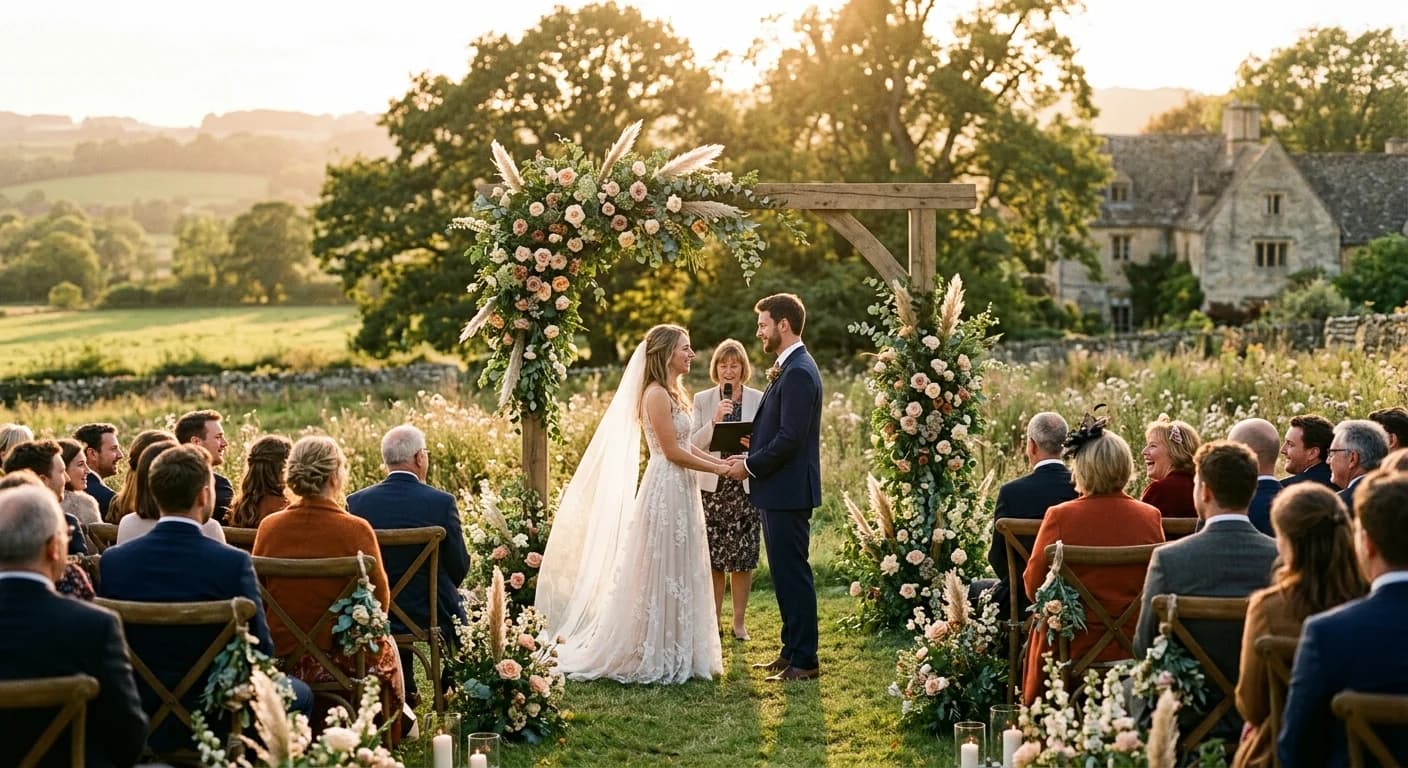
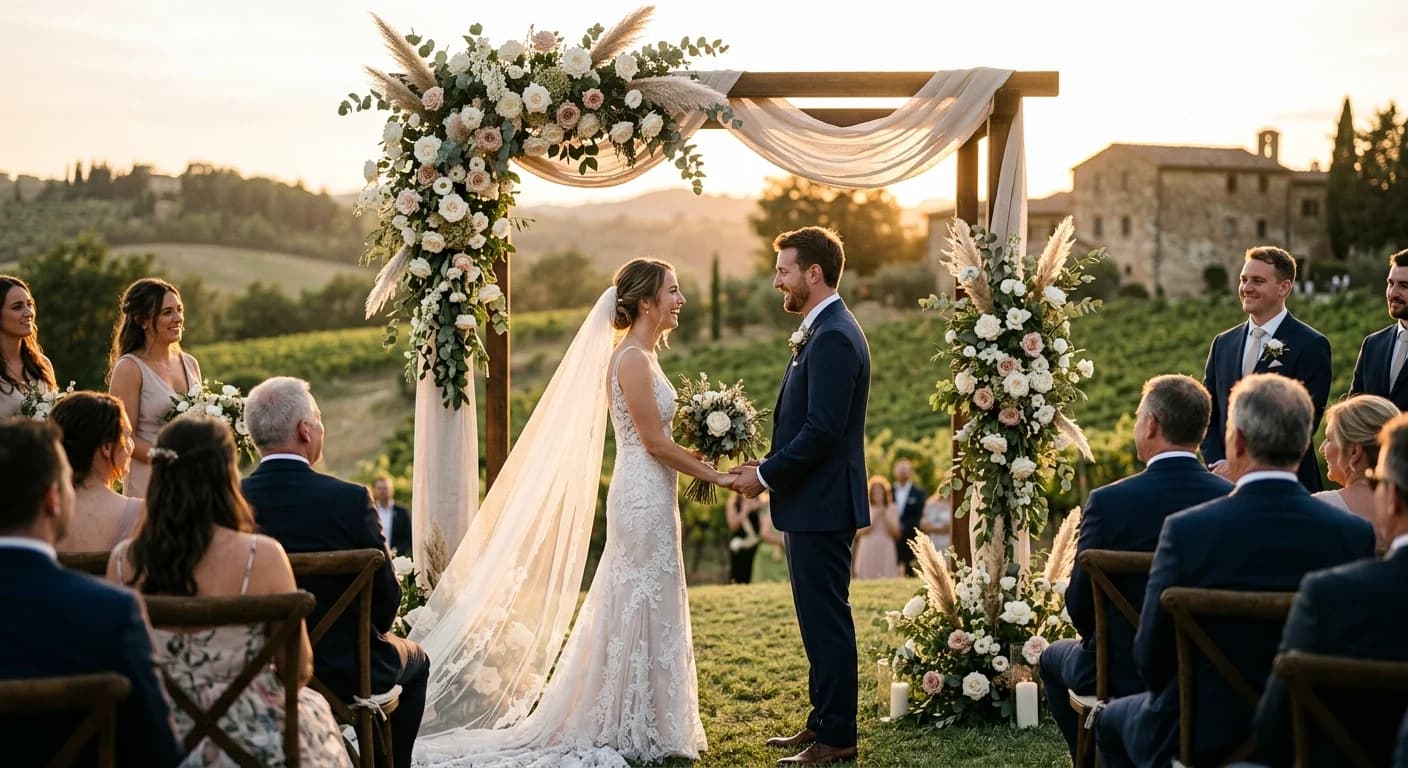
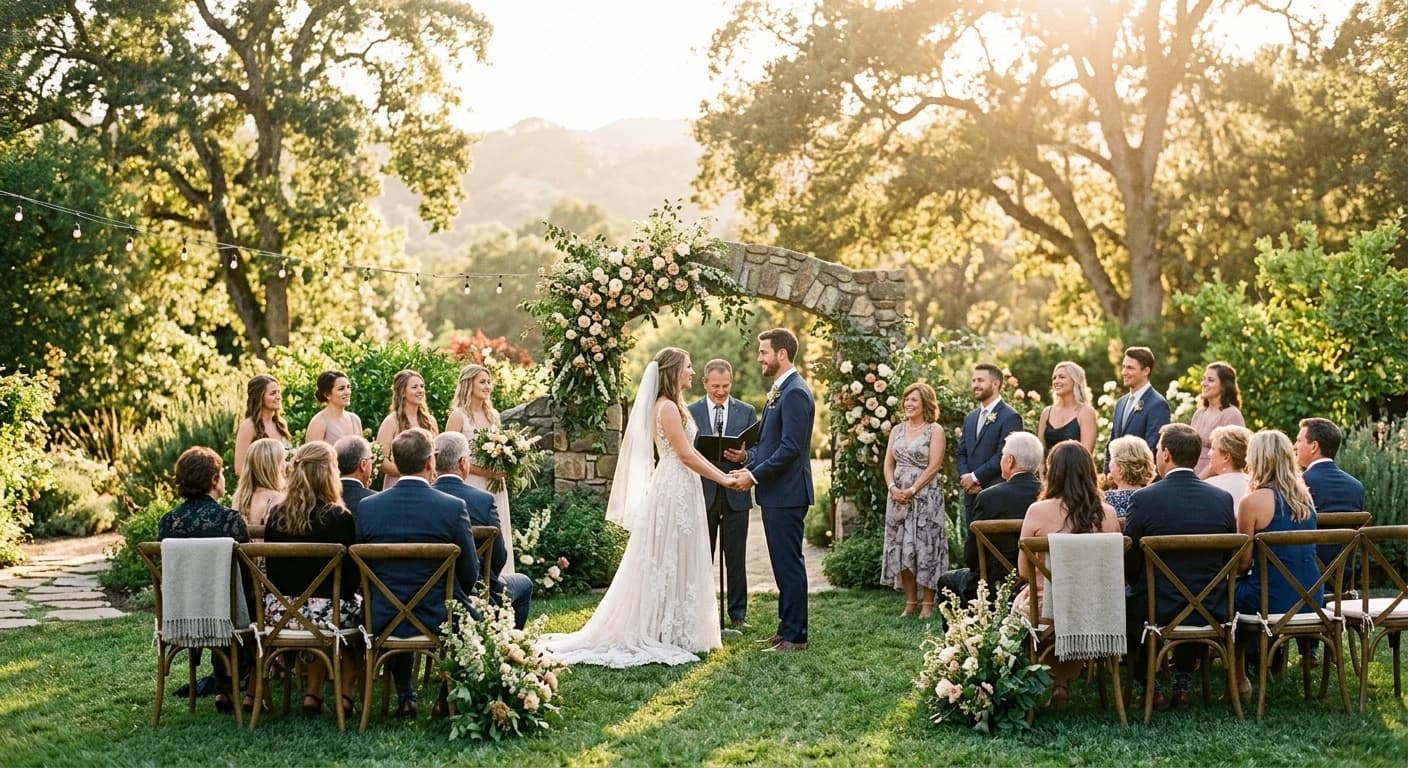
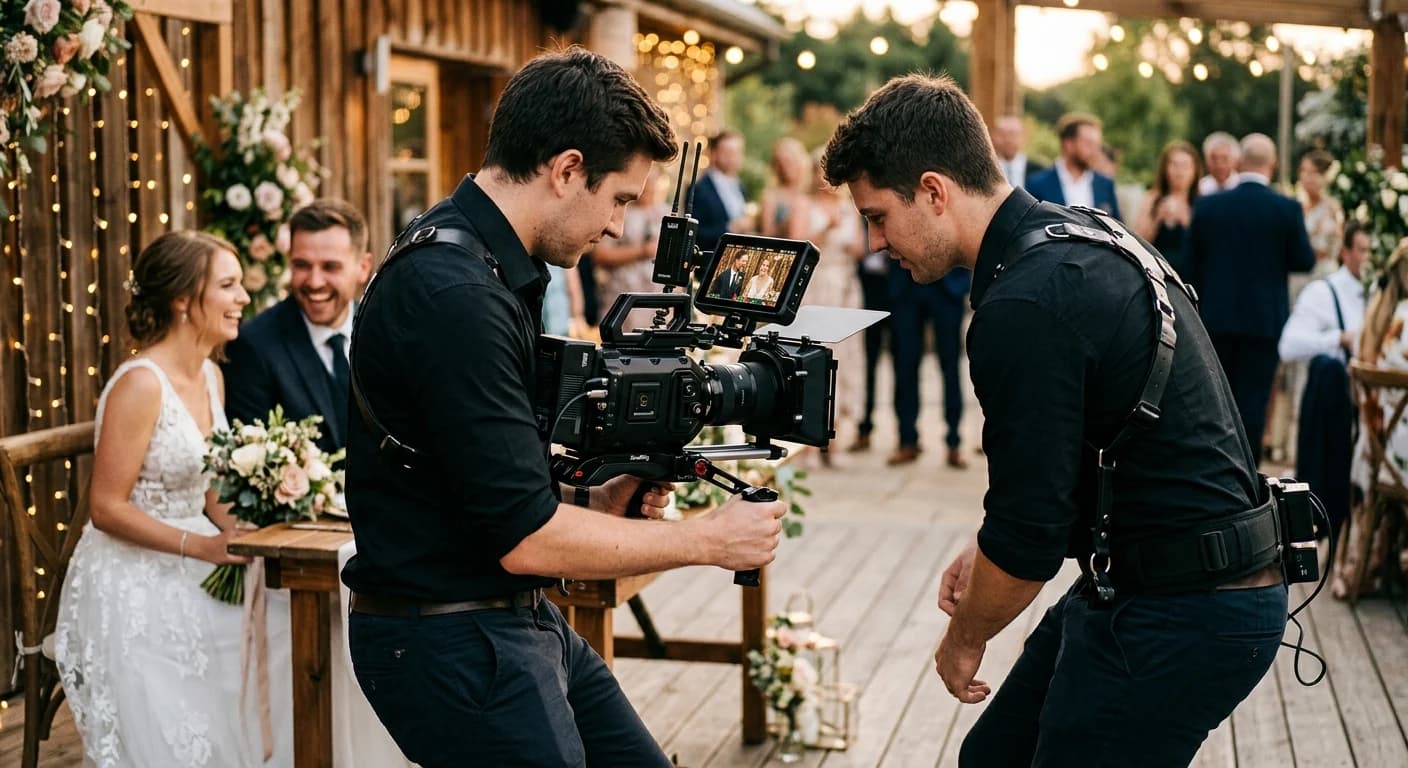
- Wedding Cinematography: Are you the one who captures those candid, emotional moments, or do you produce epic, high-fashion films?
- Corporate and Brand Storytelling: This is a huge field. You could focus on creating powerful testimonials, product launch videos, or company culture pieces. We dive deeper into this world in our guide to brand video production.
- Real Estate Videography: Think high-end property tours, often using drones to create that "wow" factor for luxury listings.
- Music Video Production: This is all about collaborating with artists and bringing a song to life visually.
Once you’ve picked your lane, your services become clear. A wedding pro will offer packages with highlight reels and full ceremony edits. A corporate specialist might offer interview setups, motion graphics, and live-streaming.
Analyze Your Target Market and Competition
Knowing what you do is half the battle. The other half is knowing who you're doing it for and who you're up against.
First, get incredibly specific about your ideal client. Is it a marketing manager at a tech startup in Miami? A wedding planner who coordinates luxury events in Aspen? A local real estate agent in Denver? The more you know about them, the easier it is to create marketing that speaks directly to their needs.
Next, it’s time to size up the competition. Check out other production companies in your niche and area. What does their work look like? How do they package their services? What’s their pricing? This isn't about copying them—it's about finding what makes you different. That's your unique selling proposition (USP), the reason a client will choose you over everyone else.
Set a Clear Mission and Vision
This might sound like corporate fluff, but it’s the heart and soul of your brand.
Your mission statement is your "why." It’s a short, punchy declaration of your purpose. For example: "We create cinematic wedding films that let couples relive their best day, forever."
Your vision statement is your "where." It’s the future you’re building. Something like: "To become the top production partner for socially-conscious brands in the Rocky Mountain region."
These statements are your compass. They’ll guide who you hire, the projects you accept, and how you talk about your company. With a strong blueprint in hand, you're ready to build something that lasts.
To get started, here's a quick checklist to make sure you're covering the essentials.
Initial Startup Checklist
This table breaks down the foundational pillars for launching your company.
Pillar
Key Action
Why It's Critical
Niche & Services
Define your specialty (e.g., corporate, weddings) and list your offerings.
Establishes you as an expert, attracts ideal clients, and simplifies marketing.
Business Plan
Outline goals, target market, financial projections, and marketing strategy.
Provides a clear roadmap for growth and is essential for securing any outside funding.
Legal Structure
Choose and register a business entity (e.g., LLC, Sole Proprietorship).
Protects your personal assets and ensures you are operating legally.
Financial Foundation
Open a business bank account, create a budget, and secure startup funds.
Separates personal and business finances, tracks profitability, and enables smart investments.
Focusing on these key areas first will prevent a lot of headaches down the road and set you up for a much smoother launch.
Getting Your Business House in Order: Legal & Financial Foundations

Alright, let's get into the less glamorous but absolutely critical side of things. This is where your creative vision meets the real world of business. Setting up your company's legal and financial structure correctly from day one is the single best thing you can do to protect yourself and build something that lasts.
Think of it as the foundation of your house. Skip these steps, and everything you build on top is at risk. Get it right, and you can operate with confidence, knowing you’re building a legitimate, scalable business, not just a passion project.
Choosing Your Business Structure
The way you legally form your company affects everything—from your personal liability and taxes to how you can raise money down the road. For most people starting out, it really boils down to two options.
-
Sole Proprietorship: This is the default. It's you. The business is you, and you are the business. Simple, yes, but it means there's zero legal separation. If the business gets sued or racks up debt, your personal assets—your car, your house—are on the line.
-
Limited Liability Company (LLC): This is the move I highly recommend. An LLC creates a protective wall between your personal life and your business. If the company gets into trouble, your personal assets are generally safe. It gives you the liability shield of a corporation without the complex tax headaches.
Honestly, for the peace of mind it provides, the small cost and paperwork to set up an LLC are a no-brainer. After you decide, you’ll need to officially register your business name with the state and maybe even your local city or county.
Nailing Down Permits and Production Insurance
Once you're officially a business, you need to make sure you can operate legally and safely. Production work, especially on location, is full of red tape. Shooting in public parks, closing a street, or flying a drone will almost always require permits. Your first stop should be your local film commission—cities like Miami and Denver have their own specific rules—to figure out exactly what paperwork you need.
And then there's insurance. This is non-negotiable.
I’ve seen it happen: one dropped camera or a simple trip-and-fall on set can generate a bill that could sink your entire company. Insurance isn't just an expense; it’s a lifeline.
Here’s the essential coverage you should be looking at:
- General Liability Insurance: This covers you if someone unaffiliated with the production (like a client or a bystander) gets hurt or their property is damaged during your shoot.
- Equipment Insurance (Inland Marine): Your gear is your money-maker. This policy protects it from theft, damage, or loss, whether it’s at your office, in your car, or on location.
- Errors & Omissions (E&O) Insurance: Also called professional liability, this is your safety net if a client claims you were negligent, missed a deadline, or didn't deliver what was promised.
Budgeting and Finding Startup Cash
Now for the fun part: money. You need a rock-solid budget. Start by mapping out all your anticipated expenses for the first year—gear, software subscriptions, insurance, marketing, legal fees, the works. Be brutally honest with yourself here; underestimating costs is a classic rookie mistake. To get a feel for project-specific numbers, you can check out our deep dive on corporate video production costs.
With a realistic number in hand, it’s time to find the funding.
- Bootstrapping: Using your own savings. You maintain 100% control, but you also take on 100% of the risk.
- Small Business Loans: This is where a polished business plan is your ticket in. Banks and credit unions want to see that you’ve done your homework. If you're new to this, learning how to get a small business loan is a critical first step to crafting a winning application.
- Friends and Family: A common starting point, but tread carefully. Always treat it like a formal business deal with a written contract. It’s the only way to protect your relationships.
It's also smart to keep an eye on the industry's pulse. The 2023 labor strikes really shook things up, and while 2024 has been a year of recovery, we're not quite back to pre-strike production levels. The good news? Many studios are signaling plans to ramp their production schedules back up. This points to a wave of new opportunities, but also more competition. It’s a good time to get in, as long as you’re ready to hustle.
Building Your Production Toolkit
Look, fantastic gear won't magically make you a great storyteller. But let's be real—the right tools are essential for bringing your creative vision to life professionally. As you get your production company off the ground, think of your toolkit as the physical extension of your skills. The goal is to build a reliable, professional arsenal without sinking your budget before you even land your first client.
Right out of the gate, you'll hit a classic crossroads: should you buy or rent your equipment? There's no one-size-fits-all answer here. The smart play depends entirely on your niche, how often you're shooting, and what your cash flow looks like.
To Buy or To Rent Your Gear
Owning your gear gives you instant access and a deep sense of familiarity. You know exactly how your camera handles in low light; your go-to lens is always in the bag, ready to go. That's invaluable. The flip side? Ownership means dealing with maintenance, insurance, and the hard truth that technology moves fast, and your shiny new camera will eventually become yesterday's news.
Renting, on the other hand, is like having the keys to a massive candy store of high-end equipment. Need a RED cinema camera for a big commercial gig? Or a specific set of anamorphic lenses for that cinematic look a client is after? Renting makes it happen for a tiny fraction of the purchase price. This strategy keeps your initial costs down and lets you bill the rental fees directly to the project it's for.
The smartest path for a new company is a hybrid model: buy your core, everyday kit and rent for everything else. This approach delivers the best of both worlds—you get the reliability you need for daily work and the flexibility to scale up for specialized client requests.
To help you make these calls on a case-by-case basis, it's useful to have a clear framework in mind.
Equipment Buy vs. Rent Decision Matrix
| Equipment Type | When to Buy | When to Rent | Considerations |
|---|---|---|---|
| Primary Camera | You use it for 80% or more of your shoots. You know its settings inside and out. | Need a higher-end model for a specific client (e.g., ARRI, RED). Your main camera is out for repair. | Ownership builds muscle memory, which is critical under pressure. |
| Specialty Lenses | A prime or zoom lens that is fundamental to your signature style. | Anamorphic, ultra-telephoto, or macro lenses for a unique, project-specific look. | Renting is perfect for experimenting with different looks without a huge investment. |
| Audio Gear | Your core wireless lav kit and a quality on-camera shotgun mic. | Multi-channel audio recorders or a boom mic kit for a dialogue-heavy shoot. | Good audio is non-negotiable. Own the basics you'll use on every single job. |
| Gimbals/Stabilizers | You frequently shoot dynamic, moving shots (e.g., weddings, real estate tours). | Large, heavy-lift gimbals for cinema cameras or specialized cable-cam systems. | A small, reliable gimbal can be a workhorse. Rent the big rigs. |
| Drones | You offer aerial videography as a standard, in-house service. | Need a high-end drone with a specific payload capacity (e.g., for a cinema camera). | Drone laws and insurance are critical factors. Renting can simplify compliance. |
Ultimately, every gear decision should be a business decision. Does it make you more efficient? Does it allow you to offer a service that clients will pay a premium for? Start there.
Assembling Your Core Production Kit
Your core kit is your bread and butter—the essentials you'll be packing for almost every project. This is where you want to invest first because this gear forms the very foundation of your company's quality and capabilities.
So, what absolutely needs to be in your bag?
- A Primary Camera Body: This is your workhorse. Don't just look at the brand name; focus on specs that matter for video, like 4K resolution, good dynamic range for flexible color grading, and professional audio inputs (like XLR). To really dig in, check out some detailed guides on the best video cameras for videography and filmmaking to find a match for your budget and style.
- Versatile Lenses: You don't need a dozen lenses to start. Begin with two or three solid ones. A classic "trinity" of zooms (like a 16-35mm, 24-70mm, and 70-200mm) will cover you in almost any situation. It's also smart to add a fast prime lens, like a 50mm f/1.8, which is a killer for low-light shots and getting that beautiful, cinematic shallow depth of field.
- Professional Audio Gear: I'll say it again: bad audio will kill an otherwise beautiful video. Every. Single. Time. Your absolute baseline should include a quality on-camera shotgun mic and at least one reliable wireless lavalier mic system. This combo ensures you can capture clean ambient sound and crystal-clear dialogue.
- A Stable Support System: Shaky footage screams amateur. A sturdy tripod with a fluid head is completely non-negotiable. From there, a gimbal or stabilizer is a game-changer for adding smooth, flowing camera movements, especially if you're shooting dynamic events like weddings or concerts.
With this foundational kit, you'll be well-equipped to confidently tackle a huge range of jobs, from corporate interviews to high-energy event recaps.
Your Post-Production Command Center
The shoot is only half the battle. Your post-production setup—your "edit bay"—is where the story actually takes shape. This is just as critical as your camera gear. The right software is what enables an efficient, professional workflow.
When it comes to video editing software, a few heavyweights dominate the industry. Adobe Premiere Pro is incredibly popular, largely because it plays so well with other Adobe apps like After Effects for motion graphics and Audition for audio sweetening.
DaVinci Resolve has become an absolute powerhouse, famous for its world-class color grading tools. Plus, it offers a surprisingly powerful free version that’s more than enough to get started. And for anyone deep in the Apple ecosystem, Final Cut Pro remains a fantastic, highly optimized choice.
6. Assemble Your Creative Team
Your production company is more than just gear and legal documents—it's a living, breathing thing powered by creative people. You’ll probably start out as a one-person-band, but real growth happens when you build a reliable team. It's not just about filling roles; it's about creating a culture that brings your vision to life.
Video production is a team sport, plain and simple. Your success will be defined by the quality of the people you surround yourself with. The right team doesn't just execute a plan; they elevate it, bringing fresh ideas and expertise you could never have on your own.
Full-Time Staff vs. Freelance Experts
One of the first big calls you'll have to make is how to build your team. Do you hire full-time employees or build a go-to list of trusted freelancers? There are big pros and cons to each, and the right answer for you will almost certainly change as your company grows.
Hiring full-time staff gives you a dedicated, in-house crew that knows your brand and workflow inside and out. That kind of consistency is gold for quality control and efficiency. The catch? It comes with the high fixed costs of salaries, benefits, and payroll taxes—a heavy lift for a new business.
On the other hand, a solid network of freelance specialists gives you incredible flexibility. You can assemble a dream team perfectly suited to each project, whether it's a seasoned Director of Photography for a commercial or a motion graphics whiz for a corporate video. This model keeps your overhead low. The main challenge is finding and vetting reliable talent every single time.
My Advice: Start with a freelance model. Build real relationships with a core group of 2-3 trusted freelancers for key roles like camera operation, sound mixing, and editing. Once your project pipeline is steady, you can think about bringing your most valuable collaborator on as your first full-time hire.
Finding and Vetting Top-Tier Talent
So, where do you actually find these people? Building a strong network is an active process. You have to get out there and connect with your local creative community.
Here's where I've had the most luck finding great collaborators:
- Local Film and Media Groups: Check out Facebook and Meetup for active communities of filmmakers and production pros in your area. They're fantastic places to post job calls and see who’s making moves.
- Industry Networking Events: Show up to local film festivals, industry mixers, or workshops. Face-to-face connections are still the most powerful and often lead to the best partnerships.
- Referrals: Just ask. If you admire another company's work, don't be shy about asking who they use for sound design or color grading. Good people tend to know other good people.
- Portfolio Sites: I've found amazing talent just by browsing sites like Behance and Vimeo. You can search for specific skills and see if someone's style clicks with yours.
Once you find a potential candidate, the vetting process is everything. Don't just look at their demo reel. Schedule a quick call to talk about their experience, their process, and their rates. This is your chance to see if your personalities and work styles will actually click when a deadline is looming.
Mapping Out Your Production Workflow
A talented team is only as good as the process they work within. A clear, well-defined workflow ensures everyone knows their role, deadlines are hit, and the final product gets delivered without any drama.
Every project essentially breaks down into three core phases.
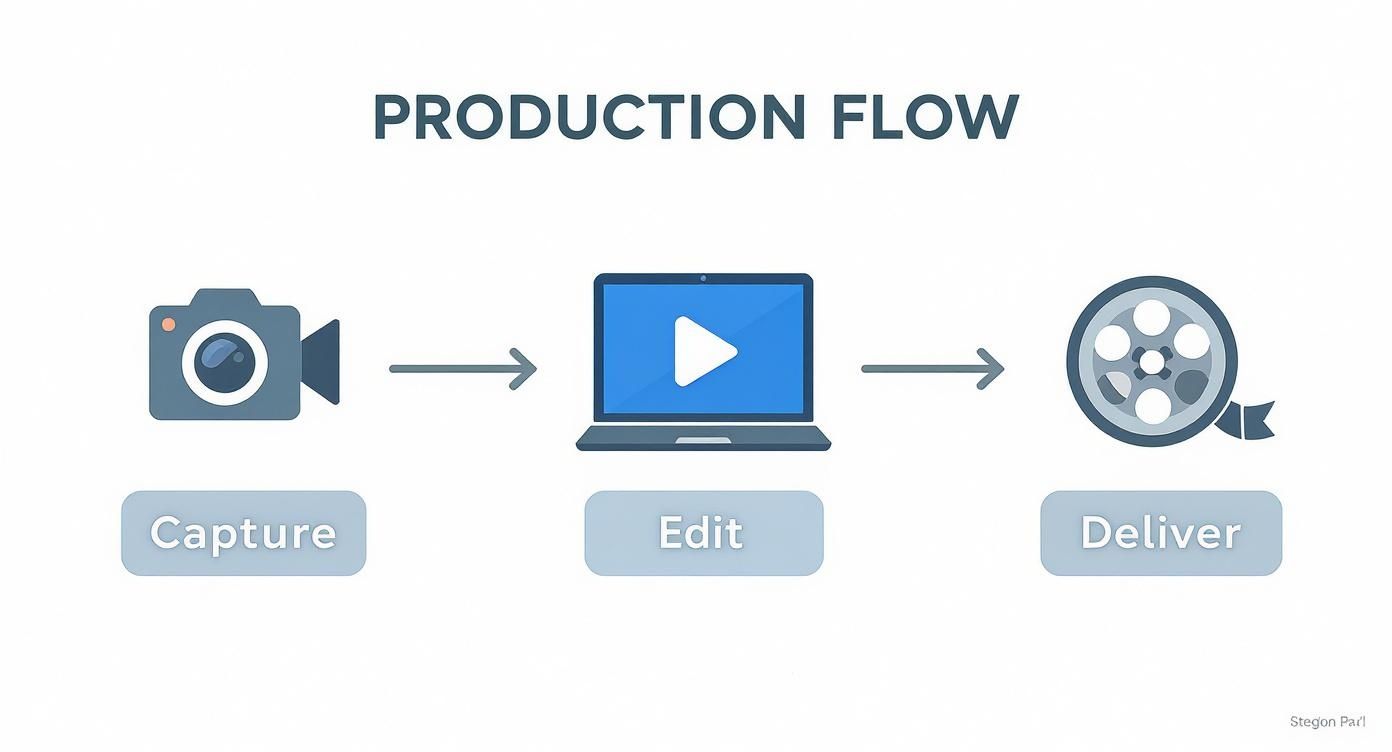
This visual breaks the journey down into Capture, Edit, and Deliver. Each stage has its own critical tasks that build on the last one, leading to a smooth, professional outcome. When you're just starting out, mastering this flow is fundamental to your entire operation.
Winning Clients and Building Your Reputation
Alright, you’ve jumped through the legal hoops and gathered your gear. Now for the hard part—and the fun part. A production company without clients is really just a hobby with some very expensive equipment. This is where you shift from being a founder to being a rainmaker, focusing on the two things that will ultimately decide your fate: landing projects and building a reputation people trust.
It all kicks off with your single most important marketing tool: the demo reel. This isn't just a sizzle reel of cool shots. It's your visual handshake, your highlight reel, and your first impression, all packed into one dynamic video.
Crafting a Demo Reel That Sells
A killer demo reel doesn't just show what you can do—it shows a potential client what you can do for them. Keep it short, punchy, and laser-focused on the kind of work you want to attract.
Aim for a runtime between 60 to 90 seconds. Anything more and you risk losing their attention.
Lead with your absolute best material in the first ten seconds. That’s your hook. From there, build a sequence that shows off your unique style and technical chops, all set to the perfect soundtrack. If you're just starting out and don't have a deep library of client work, get scrappy. Offer to shoot a free or heavily discounted spec project for a local nonprofit or a cool small business. You'll get high-quality footage for your reel and build some goodwill in the community at the same time.
Think of your demo reel as a living thing. You need to update it every few months with your latest and greatest work. A stale reel can signal an inactive company, so keep it fresh to show off your evolving skills.
Confident Pricing and Ironclad Contracts
Figuring out how to price your services can be nerve-wracking. It’s one of the biggest hurdles when you're starting a production company. You're worried about charging too much and scaring someone off, but charging too little devalues your work and makes it impossible to run a real business.
Here are a few common ways to structure your pricing:
- Day Rate: This is a flat fee for a full day (usually 10 hours) or a half-day (5 hours). It’s perfect for specific crew roles like a camera operator or audio engineer.
- Project-Based Fee: You quote one all-inclusive price for the whole shebang, from pre-production to final delivery. Clients often love this because it gives them cost certainty from the start.
- Hourly Rate: This is best for smaller tasks, quick editing changes, or projects where the scope isn't clearly defined.
Once you and the client agree on a price, never start work without a signed contract. Seriously. A contract protects everyone by clearly laying out the scope of work, deliverables, payment schedule, and who owns what. It's your absolute best defense against scope creep and clients who are slow to pay.
Marketing Strategies That Actually Work
Just throwing your reel up on Instagram and hoping for the best isn't a strategy. To build real momentum, you need a smart, multi-channel approach that gets you in front of the right people.
Your website is your home base. It needs to feature your demo reel front and center, have a clean portfolio of your best work, and make it ridiculously easy for someone to contact you. Think of it as the hub, with all your other marketing efforts pointing back to it. For many clients, understanding the value of video is the first step; our guide on video production for business can help you frame those conversations.
Next, get out there and network—but do it with a purpose. Identify the key players in your niche. If you’re gunning for wedding films, get to know wedding planners and venue managers. If corporate work is your goal, join your local Chamber of Commerce and hit up business events. These relationships are often the best source of referrals. The demand is there; global film production has rebounded sharply from the pandemic lull, climbing well past pre-pandemic levels. This boom shows a massive appetite for skilled video partners, leaving plenty of room for new companies to find their niche. Find out more about the expanding global film market and its opportunities.
Finally, don't ever underestimate the power of amazing client service. Delivering a great video is what’s expected. Delivering a fantastic experience is what turns a one-time client into a fan who tells everyone about you. Communicate clearly, hit your deadlines, and always look for that little extra something you can do. That’s how you build a reputation that opens doors you couldn’t have knocked on yourself.
Your Top Questions Answered
Starting a production company is a huge step, and naturally, you’ve got questions. Everyone does. We get asked the same things time and time again by new founders, so let's cut right to the chase and tackle the big ones head-on.
How Much Do I Really Need to Start?
This is the million-dollar question, but the answer isn't a million dollars. Honestly, it varies wildly.
You could get a solo operation off the ground for $5,000 to $10,000. That's assuming you already have a decent camera and can rent specialty gear as needed for specific jobs. This is the perfect shoestring budget for someone just starting out with local events or small business promos.
But if you're aiming for higher-end commercial work with a small crew, you'll need to think bigger. A budget of $30,000 to $75,000 is more realistic. That figure covers a pro-level camera package, solid lighting and audio gear, software licenses, insurance, and some actual marketing spend. My advice? Start lean. Rent until you can't justify not buying.
Should I Specialize or Do a Bit of Everything?
Specialize. Period. It's almost always the better play when you're new.
Becoming the "go-to" expert in one area—like real estate videos or wedding films—is how you build a reputation fast. It makes your marketing laser-focused, your portfolio incredibly strong, and your workflow second nature. Eventually, it lets you charge a premium for that expertise.
Put yourself in a client's shoes: If you need a corporate video, are you hiring the generalist who also does weddings and music videos, or the person who only does stunning corporate work? You can always branch out later once you have a solid, profitable foundation.
A jack-of-all-trades is a master of none. Focus your skills, build a reputation for being the best at one thing, and the right clients will find you—and pay what you're worth. It's the fastest way to get profitable.
What's the Biggest Mistake New Founders Make?
Easy: underpricing their work and not using a rock-solid contract. It’s a classic rookie mistake.
You're so desperate to land that first client that you'll say yes to almost any price. This sets a terrible precedent. It devalues your work from day one and makes it incredibly difficult to ever build a sustainable business.
This problem is usually tied to working without a contract, relying on a handshake or a few emails. That’s a recipe for disaster. Scope creep, late payments, and endless revisions become the norm. Always, always use a detailed contract. It should spell out deliverables, payment schedules, and usage rights. To see what a professional agreement looks like, check out this wedding videographer contract template to get a feel for the level of detail required.
How Long Until My Company Is Actually Profitable?
This all boils down to your starting costs and how quickly you can land paying clients.
If you keep your overhead low as a solo founder and hustle hard on networking, you could hit profitability within 6 to 12 months. That's a very achievable goal.
On the other hand, if you start with bigger fixed costs—like renting a studio or hiring an employee—you're looking at a longer runway, probably closer to 18 to 24 months. The key is to keep expenses minimal at the beginning and pour all your energy into building a steady stream of work. Deliver amazing results, and the money will follow.
At Candid Studios, we've navigated these questions and built a business on a foundation of quality, strategy, and client trust. Let us help you tell your story. Candid Studios