Corporate Video Production Costs Explained
So, you're wondering how much a corporate video actually costs. The honest answer is… it depends. You can get something done for as little as $2,000, while a big, ambitious project could easily run you over $50,000. The final price tag really comes down to the concept, the polish, and the overall complexity you're aiming for.
Breaking Down Your Video Investment
A good way to think about it is like building a house. You could opt for a simple, functional bungalow or go all out with a custom-designed mansion. Both provide shelter, but the scope, materials, and level of craftsmanship involved are worlds apart—and so is the price. Video production works the exact same way.
Every project, big or small, breaks down into three key phases, and your budget is split across them:
- Pre-Production: This is the blueprint stage. It's all about planning—developing the concept, writing the script, scouting locations, and casting any necessary talent.
- Production: This is the actual construction. The crew, cameras, lights, and actors all come together on set to bring the script to life.
- Post-Production: Think of this as the interior design and finishing touches. Editors piece the footage together, sound designers mix the audio, and motion graphics artists add that final layer of polish.
Knowing this structure helps you see where the money is going. A solid investment in pre-production can save you from expensive reshoots down the line, just like a great blueprint prevents major headaches during construction.
Mapping Your Project to a Price Point
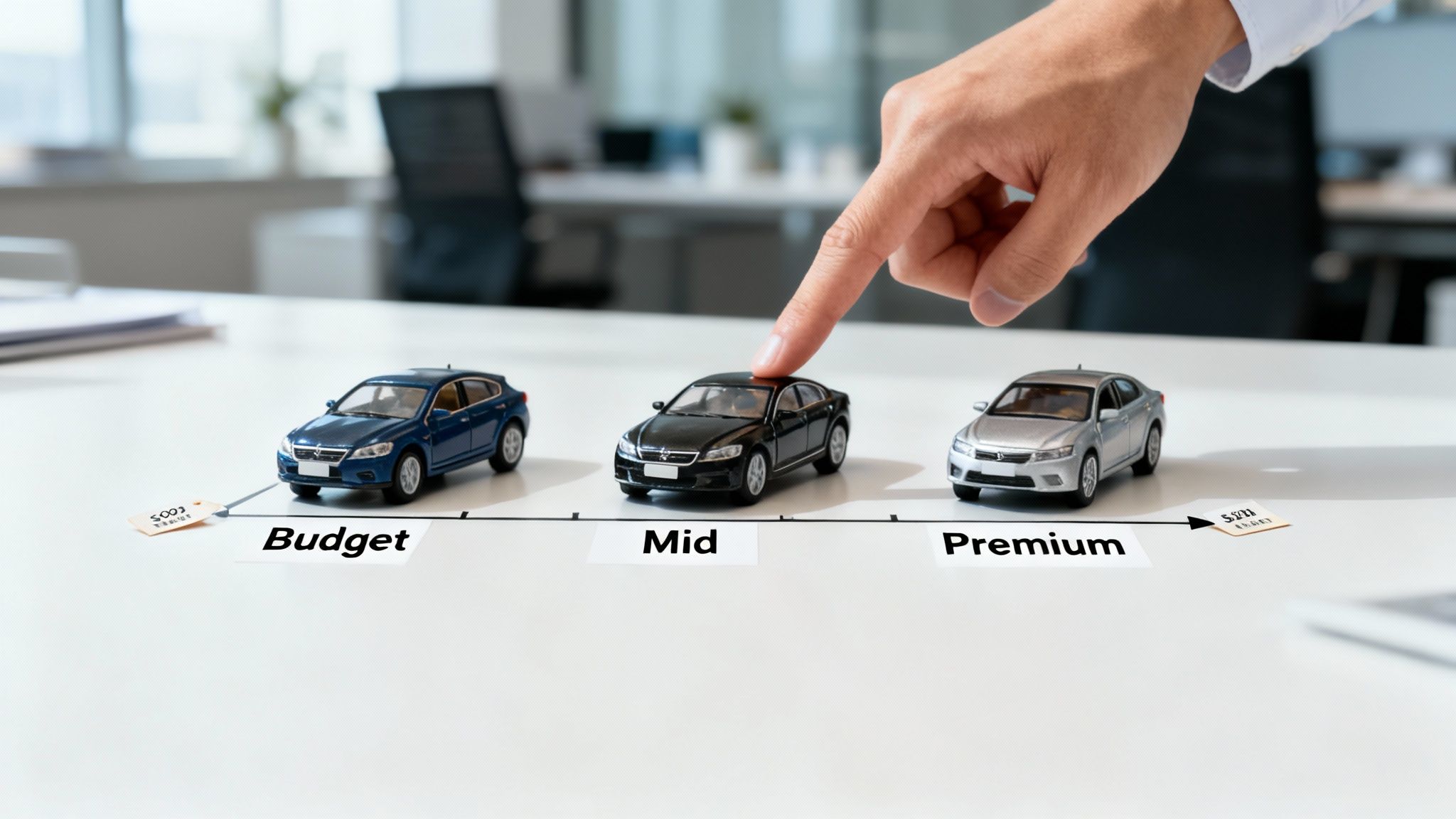
As a rule of thumb, a professionally produced corporate video typically costs somewhere between $1,000 to $20,000+ per finished minute. The final number depends heavily on the project's complexity and scope.
A common budget split looks something like this: 20-25% for pre-production, 50-60% for the actual shoot, and the remaining 20-25% for post-production work.
To give you a better feel for what different types of projects might cost, we've put together a quick reference table. This should help you ballpark your idea before we get into the nitty-gritty details that influence these numbers. For a more personalized quote, feel free to check out our detailed video production pricing page.
Estimated Corporate Video Cost Ranges by Type
| Video Type | Low-End Budget (Simple) | Mid-Range Budget (Professional) | High-End Budget (Premium) |
|---|---|---|---|
| Talking Head/Interview | $1,500 – $3,000 | $3,500 – $7,000 | $7,500+ |
| Company Culture/Brand Story | $3,000 – $7,000 | $8,000 – $20,000 | $25,000+ |
| Product Demonstration | $2,500 – $5,000 | $6,000 – $15,000 | $20,000+ |
| Animated Explainer | $3,500 – $6,000 | $7,000 – $18,000 | $20,000+ |
These ranges provide a solid starting point for a conversation. A simple talking head video with one camera and minimal graphics is on the lower end, while a multi-location brand story with custom animation and a larger crew will naturally move into the higher tiers.
Where Your Money Goes in Video Production
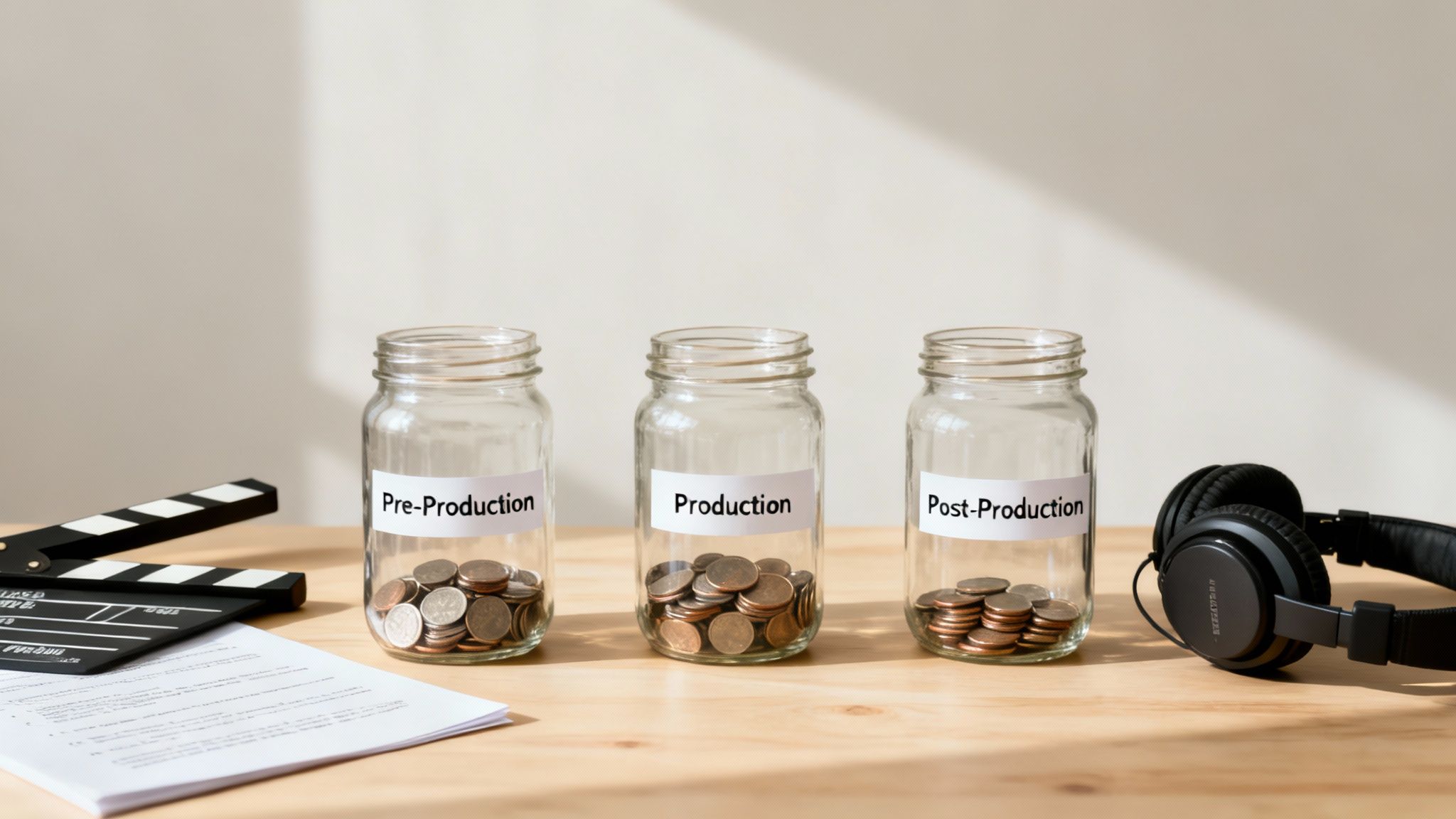
When you look at a quote for corporate video, it’s easy to see just a single number. But to really get a handle on the costs, it helps to think of the project as a journey with three distinct stops. Each stage demands a unique set of skills, equipment, and time—and your budget is spread across all of them.
Think of it like building a custom home. You have the architectural design, the actual construction, and then all the interior finishing work. Video production follows a very similar path. This phased approach ensures every dollar has a job, from the first creative brainstorm to the final polished video.
And it's a big business. Demand for corporate video keeps climbing thanks to the growth of video in digital marketing. The costs are really broken down across these three essential phases.
Phase 1: Pre-Production – The Blueprint
This is, without a doubt, the most important phase for keeping your budget in check. Pre-production is where we plan everything on paper before a single camera starts rolling. A solid plan here is your best insurance against expensive mistakes and reshoots down the road.
What happens in this stage?
- Concept & Strategy: We nail down the video's goals, who it’s for, and the core message you want to send.
- Scriptwriting & Storyboarding: This is where the story takes shape, first in words, then as a shot-by-shot visual guide.
- Location Scouting: Finding and locking in the perfect backdrop for your story.
- Casting Talent: Sourcing professional actors or getting your own team members ready for their moment on camera.
- Scheduling & Logistics: Juggling all the moving parts—crew, gear, and locations—to make shoot day run smoothly.
A well-developed script is your best defense against budget overruns. It acts as a roadmap for the entire crew, ensuring everyone is aligned and time on set is used efficiently.
Phase 2: Production – The Shoot
Production is what most people picture when they think of making a video: the lights, the camera, the action. This is where the blueprint from pre-production comes to life. Costs here are typically calculated using day rates for both the crew and the equipment.
Your budget for this phase covers all the hands-on work from the director, camera operators, and sound technicians. It also includes renting the right gear for the job, like high-end cameras, specialized lighting kits, and professional microphones.
Phase 3: Post-Production – The Polish
Once we yell "that's a wrap!" on set, all the raw footage heads into post-production. This is where the magic really happens—where the story is carefully assembled, refined, and polished into the final, compelling video you envisioned. Don't be fooled; this phase can easily be just as time-consuming as the shoot itself.
Post-production is made up of several key steps:
- Video Editing: Sifting through all the takes to assemble the best shots, trim clips, and build the narrative.
- Color Correction & Grading: Fine-tuning the visual mood of the video and making sure the colors look consistent and professional.
- Sound Design & Mixing: Cleaning up audio, adding a music track, and creating a perfectly balanced soundscape.
- Graphics & Animation: Adding your company's logo, text on screen, or even custom motion graphics to add that extra flair.
By seeing how your investment is spread across these three phases, you get a much better sense of the true value behind the final price tag. Taking a look at professional corporate videography services can give you even more insight into how experts manage each of these stages to bring a project to life.
The Levers That Control Your Video Budget
Think of your video production budget like the dashboard of a car. You've got a whole set of levers and dials you can adjust, and each one changes the speed, comfort, and final cost of your journey. Knowing what these controls do is the key to making smart decisions that line up your creative vision with what you can actually afford.
Some of these levers are minor adjustments, like picking a different font for your titles. Others are more like swapping out the entire engine—they'll have a massive impact on the final price tag. The goal is to figure out which levers give you the best performance for your money. Once you understand these variables, you can have a much more productive chat with any production company you're considering.
To keep everything on track and make sure every dollar is accounted for, using effective project management tools is a game-changer. It helps keep everyone on the same page and shows how each decision trickles down to the timeline and the bottom line.
Video Complexity and Scope
The single biggest thing that drives up costs is complexity. It’s one thing to film a simple interview with one person in an office. It’s a completely different ballgame to produce a multi-location brand story with drone footage, custom animations, and a full cast of actors. The more moving parts, the higher the cost. It's just that simple.
Here are a few things that ramp up complexity:
- Number of Locations: Every time you move the crew to a new spot, you're adding travel time, setup time, and breakdown time. Sticking to your own office will always be cheaper than renting a studio or zipping across town.
- Visual Elements: Are you thinking of simple on-screen text or slick, 3D motion graphics? Animation is a highly specialized skill, and it adds a significant amount of time (and cost) to the post-production process.
- Narrative Structure: A straightforward testimonial is relatively easy to plan. A narrative video that tells a story? That requires a lot more thought, multiple scenes, and carefully choreographed shots.
Crew Size and Expertise
The team working behind the camera is another major line item. You're not just paying for bodies on set; you're paying for years of experience, a specific skillset, and specialized roles.
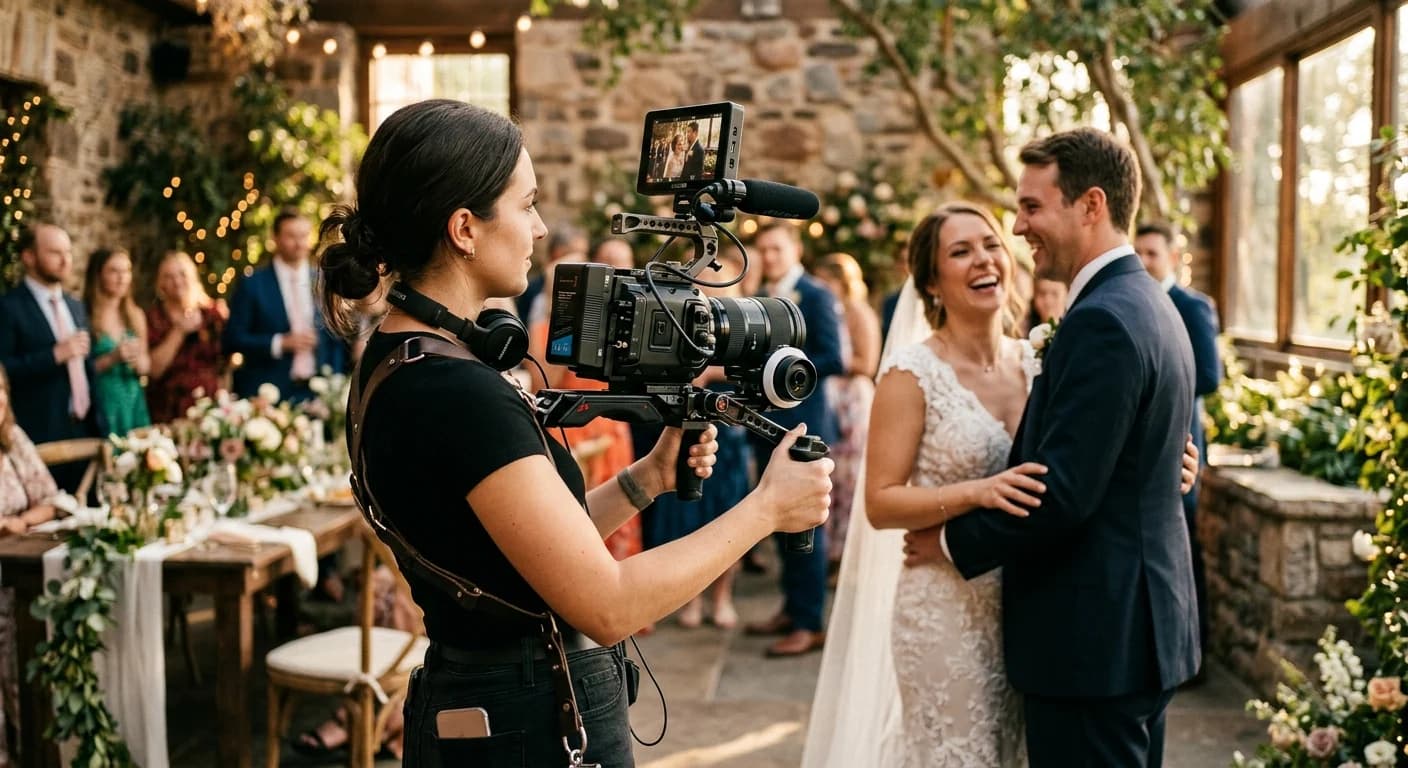
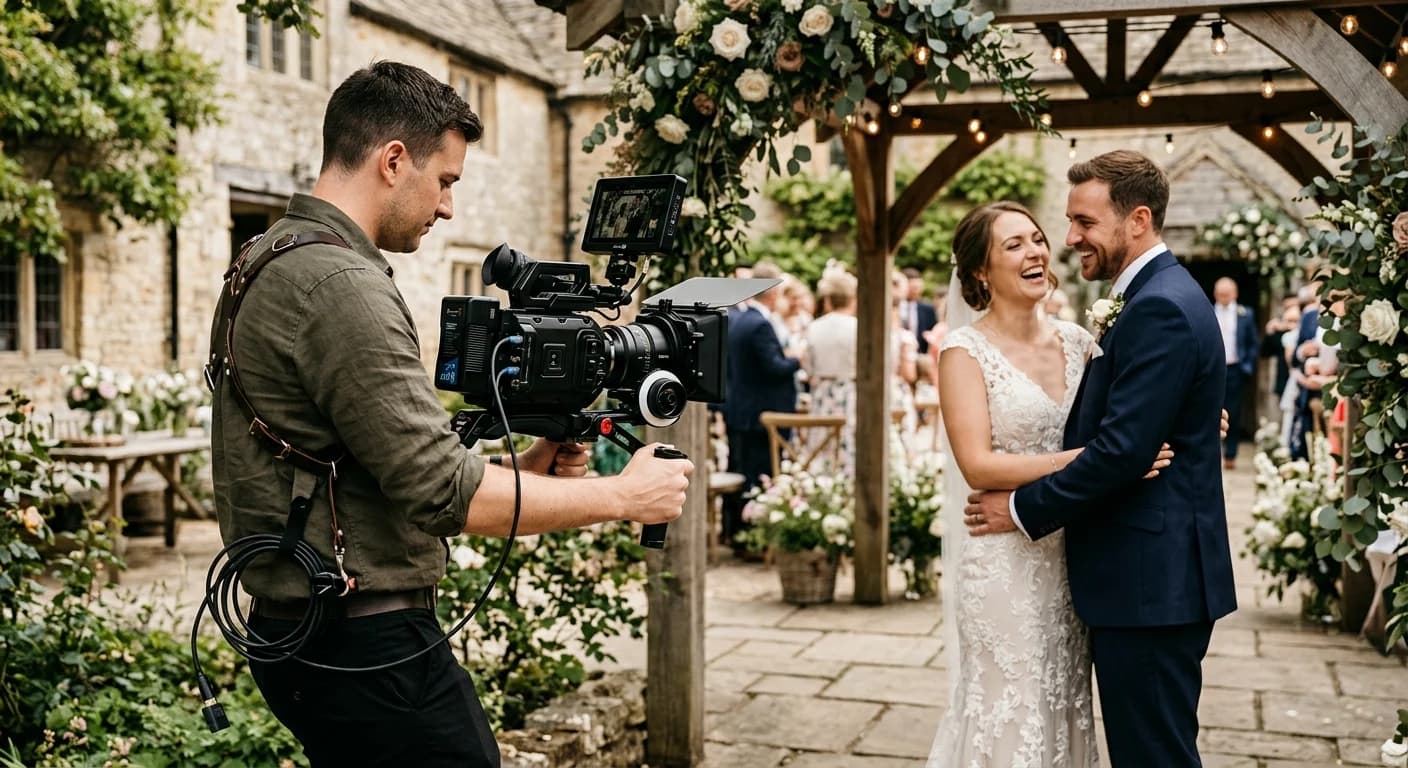
You can get a video made with a one-person-band videographer, or you can bring in a full-blown film crew. A larger, more specialized team might include:
- Director
- Director of Photography (DP)
- Gaffer (the lighting guru)
- Sound Engineer
- Production Assistant
A seasoned director of photography can make a drab office look like a million bucks, which might save you from having to rent an expensive location. Investing in real expertise often pays for itself on screen.
Equipment and Gear
Most professional video crews come with a great set of standard equipment, but some projects just need more. If your creative vision requires special tools, that will get added to the budget.
The camera choice is a perfect example. A solid 4K camera is more than enough for most corporate videos. But if you want that distinctly cinematic, film-like quality, you'll need a high-end cinema camera with premium lenses. Our guide on choosing the right video cameras for filmmaking really gets into the weeds on how this choice shapes the final product.
Other gear that can affect the cost includes:
- Specialized Lighting: If you want to create a specific mood, you might need more than the basic three-point lighting kit.
- Drones: Those beautiful aerial shots add a ton of production value, but they require a licensed pilot and some pricey gear.
- Gimbals and Stabilizers: For those silky-smooth, dynamic camera movements, you'll need tools like a Steadicam or an electronic gimbal.
Talent and Location Choices
Finally, who is in your video and where you film it are two huge budget factors. Using your own employees as talent is usually the cheapest route, but professional actors bring a certain polish and know-how to deliver a script just right.
Likewise, filming at your own place of business is free, but it might not be the best backdrop for your story. Renting a professional studio, a cool-looking house, or a specific commercial space gives you a controlled environment, but it also comes with rental fees, insurance, and sometimes permit costs. Nailing down these decisions early on is crucial for keeping your video production costs in check.
What Different Video Budgets Actually Buy
It's one thing to talk about the factors that drive video production costs, but it’s much more helpful to see what those numbers actually get you in the real world. So, let's make this tangible and walk through three common budget tiers to see what you can realistically expect from each.
This breakdown should help clear up the mystery behind the investment. You'll see exactly how your money translates into the crew, the complexity of the shoot, and the final polish on screen. Each level serves a totally different strategic purpose, from a quick and effective testimonial to a high-impact brand statement.
The Lean Startup Testimonial Video: Under $5,000
This budget is the sweet spot for straightforward, high-value content. Picture a single-day shoot at one location with a small, efficient crew—often just a talented videographer who can also manage sound and basic lighting.
What this budget typically covers:
- Pre-Production: A simple creative brief and a solid script outline.
- Production: A half-day or full-day shoot, usually right at your office.
- Post-Production: Clean editing, basic color correction, licensed music, and simple title graphics.
This is the go-to option for gathering authentic customer testimonials, filming a direct-to-camera message from your CEO, or creating simple internal training videos. The goal here is to capture a clear message cleanly and professionally without a ton of creative overhead.
The infographic below really nails down what pushes costs up as you move into bigger budgets.
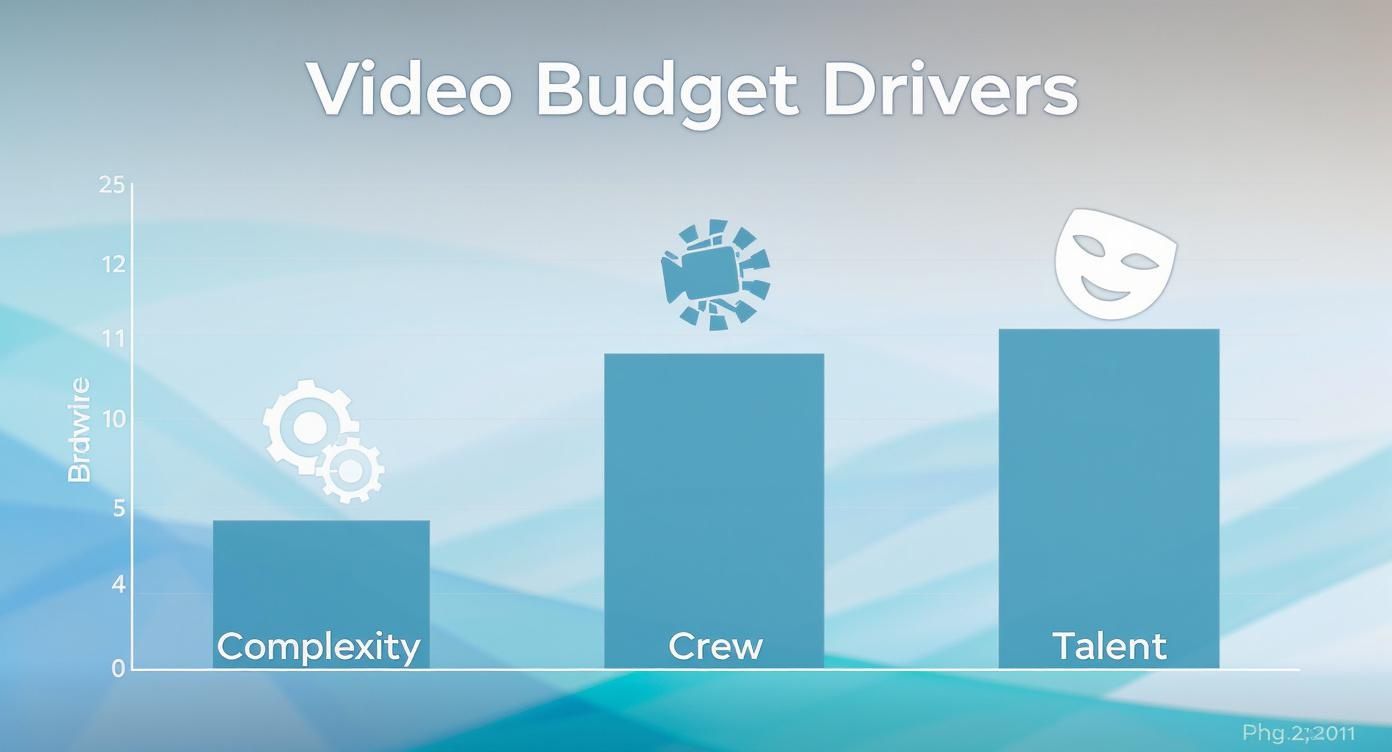
As you can see, the big levers are adding more people to the crew, increasing the complexity of the shoot, and bringing in professional talent. Those are the key things that bump a project into the next tier.
The Mid-Market Brand Story: $10,000 to $20,000
Jumping into this range unlocks a whole new level of creative potential and production value. This budget gives you the breathing room for a more developed story, a bigger crew, and much more sophisticated editing and effects.
Here, you graduate from a one-person-band to a small, dedicated team—often a director, a camera operator, and a sound engineer. This simple change lets everyone focus on what they do best, which makes a huge difference in the final product. You can also afford to hire professional actors, a must-have for videos that need to feel scripted but come across as completely natural.
A mid-range budget is perfect for creating compelling brand stories, detailed product showcases, or recruiting videos that really capture your company's vibe. It gives you the resources to actually tell a story, not just send a message.
The High-Impact Product Launch Video: $30,000+
This is where you pull out all the stops for maximum impact. A budget of $30,000 or more is for your flagship projects—think major product launches, national ad campaigns, or cinematic brand anthems designed to make people stop and watch.
What really sets this tier apart?
- Multiple Shoot Days & Locations: Complex stories often need different backdrops to feel complete.
- Advanced Equipment: We're talking high-end cinema cameras, custom lighting rigs, and specialized gear like drones or stabilized gimbals for those smooth, cinematic shots.
- Custom Graphics & Animation: This is where professional motion graphics and bespoke animations come in to make your video visually stunning.
- Premium Post-Production: The process is much more detailed, involving advanced color grading, intricate sound design, and multiple rounds of feedback to get every single second just right.
Projects at this level are true strategic assets built to drive serious business results. To get a feel for what this investment can produce, take a look at this breakdown of a successful Miami commercial video production. This isn't just about making a video; it's about creating a powerful piece of media that cuts through the noise and delivers a real return.
Sample Budget Breakdown Comparison
To help you visualize where the money goes, the table below shows how a budget might be allocated across the three project scopes we've discussed. Notice how the percentages shift from post-production-heavy on smaller projects to production-heavy on larger ones.
Expense Category
Startup Testimonial (~$3k)
Brand Story (~$15k)
Product Launch (~$40k)
Pre-Production
10%
15%
25%
Production
40%
55%
60%
Post-Production
50%
30%
15%
As you can see, the planning and on-set production phases command a much larger piece of the pie as the project's complexity and creative ambition grow. This reflects the need for more extensive location scouting, crew, equipment, and talent management on high-impact projects.
Smart Strategies to Lower Production Costs
Getting the most out of your video budget isn't about spending more—it's about spending smarter. With some clever planning and a bit of resourcefulness, you can significantly lower your corporate video production costs without compromising the final quality.
One of the most powerful tactics is content batching. Think of it like meal prepping for the week. Instead of setting up all the cameras, lights, and crew for just one video, you plan a single session to shoot several pieces of content at once.
Imagine filming three customer testimonials and two social media clips in a single day. This is far more efficient and budget-friendly than booking five separate shoots, as you’re paying for the crew, gear, and location one time instead of five.
Maximize Your Internal and External Resources
A great way to manage costs is to look at the resources you already have. Do you have knowledgeable, charismatic employees who could be on camera? Using your own team instead of hiring professional actors not only saves thousands in talent fees but also adds a layer of genuine authenticity to your video.
Also, don't underestimate the power of high-quality stock assets. While custom footage is fantastic, you can add serious production value by mixing in premium stock video or motion graphics for a fraction of the cost. The same goes for music; licensing a track from a professional library is much more economical than commissioning a custom score.
Smart resource allocation is all about making strategic trade-offs. A stunning stock drone shot of your city might cost $100, while hiring a licensed drone pilot for a custom shot could easily run you over $2,000.
Streamline Your Post-Production Workflow
The editing room is where budgets can quietly balloon. Endless back-and-forth revisions and tiny tweaks add up fast when you're paying by the hour.
To keep this under control, provide clear and consolidated feedback. Before you send notes to your editor, gather input from all the key stakeholders and put it into one organized document. This is infinitely better than a slow drip of scattered emails from different people.
This simple discipline keeps the post-production process on track and prevents your budget from spiraling. For more on this, check out these tips for implementing effective digital asset management for video. When you become an efficient partner in the creative process, you ensure every dollar you invest actually makes it onto the screen.
Answering Your Questions About Video Production Costs
Even with the best plan, you're going to have questions about video production costs. It's totally normal. Sifting through quotes can feel a bit overwhelming, but a few key ideas can help you feel confident when looking at any proposal. We've put together answers to some of the most common questions we get from clients.
Think of this as your quick-start guide to cutting through the noise. We want to pull back the curtain on how pricing works so you can avoid surprises and make smart decisions with your budget.
Is "Cost Per Finished Minute" A Good Way To Budget?
You'll almost certainly hear someone quote a price based on the "cost per finished minute." It can be a handy way to get a very rough, back-of-the-napkin estimate, but honestly, it's often more misleading than helpful.
For example, a simple one-minute video of a person talking to the camera might run you $2,500. On the flip side, a slick, one-minute animated explainer with custom-designed graphics and a professional voiceover could easily top $15,000.
They're both just one minute long, but the work involved couldn't be more different.
The cost-per-minute idea is best used as a general ballpark figure, not a precise tool for budgeting. The real things that drive up the price are the project's complexity, the size of the crew needed, and what has to happen in post-production—not just how long the final video is.
Instead of getting hung up on the final runtime, a much better conversation to have with your video partner is about the creative vision and the level of production quality you're after.
What Are The Most Common "Hidden" Costs To Look Out For?
Any good production company will give you a detailed, all-inclusive quote. Still, it's smart to know what kinds of things might pop up that couldn't be priced out at the very beginning.
Keep an eye out for these common variables:
- Licensing Fees: This is a big one. It covers things like the music you use, any stock footage, and sometimes even specific fonts that aren't free.
- Permits and Location Fees: If you want to film in a public park or rent a cool-looking office for the day, there are almost always official permits and rental costs involved.
- Travel and Accommodation: For shoots that require the crew to travel outside their local area, the costs for flights, hotels, and meals will be added to the final bill.
- Lots and Lots of Revisions: Most quotes will clearly state how many rounds of revisions are included (usually two). If you need more changes after that, they will almost always come with an extra charge.
Can We Save Money By Doing Some Of The Work Ourselves?
Yes, absolutely! But there are some important things to keep in mind. Taking on certain tasks internally can be a fantastic way to make your budget go further. For example, your team can handle scouting for locations (especially if you're just filming at your own offices), wrangle schedules for your employees who will be on camera, or even take a first crack at writing the script.
However, you have to be realistic about where the professionals are truly essential. Highly technical jobs—like operating the camera, setting up professional lighting, recording clean audio, and editing everything together—require years of experience and thousands of dollars in gear. Trying to DIY these parts of the process is usually a recipe for a video that looks and sounds amateur, which can completely defeat the purpose of your investment.
The best strategy is to think of it as a partnership. You bring the insider knowledge of your company, and you let the production team bring their technical and creative expertise to the table. For more answers to your questions, you can always explore our complete frequently asked questions page.
At Candid Studios, we believe in transparent pricing and creative collaboration to bring your vision to life, no matter the budget. Contact us today to start planning your next video project.