Lights, Camera, Action: Mastering Your Actor Headshot
Actor headshots must read clearly on casting platforms: sharp eyes, honest expression, and framing that matches your type. Avoid heavy retouching that changes bone structure. Plan multiple looks (commercial vs theatrical) if your market requires them. Candid Studios focuses on natural light and authentic presence.
Actor Headshot: Mastering Your Killer 2025 Look
Your Headshot Is Your Calling Card
An actor headshot is a professional portrait photograph that serves as your primary marketing tool in the entertainment industry. Here’s what every actor needs to know:
Key Elements of an Effective Actor Headshot:
- Purpose: Shows casting directors what you look like and your “type”
- Standard Format: 8×10 inches, color, chest-up framing
- Two Main Types: Commercial (smiling, approachable) and Theatrical (serious, dramatic)
- Cost Range: $400-$1,500 for professional sessions
- Update Frequency: Every 1-2 years or after significant appearance changes
- Essential Quality: Must look exactly like you in person
Your headshot is more than just a pretty picture: it’s your professional calling card that answers three critical questions for casting directors: What do you look like? Can you act? What’s your personality like?
As one industry expert puts it: “An actor’s headshot needs to be more than just a pretty picture of yourself: we already know you’re pretty!” Your headshot must strategically communicate the specific character types you can play, helping casting directors immediately envision you in roles.
The stakes are high. Casting directors review thousands of headshots for each role, making split-second decisions about who gets auditions. A professional headshot signals that you take your career seriously, while a amateur photo can eliminate you from consideration before anyone even reads your resume.
I’m Ryan Mayiras, founder of Candid Studios, where we’ve captured thousands of professional portraits and understand the critical importance of that perfect first impression. Through our work with performers and professionals, I’ve seen how a well-crafted actor headshot can be the difference between landing auditions and being overlooked.
The Key Ingredients Of A Perfect Actor Headshot
Creating a truly effective actor headshot goes far beyond just looking good on camera. It’s about capturing your essence in a way that makes casting directors stop scrolling and think, “This is exactly who I need for this role.” Think of your headshot as your visual business card: one that needs to communicate your personality, your potential, and your unique brand all in a single frame.
The magic happens when technical skill meets authentic storytelling. Your headshot should look exactly like you do when you walk into that audition room. As casting directors constantly remind actors: “LOOK LIKE YOUR HEADSHOTS!” There’s nothing more frustrating for industry professionals than meeting someone who bears little resemblance to their photo.
Capturing Your ‘Type’: The Foundation Of Your Brand
Understanding your “type” is absolutely crucial for your actor headshot. Your type isn’t about limiting yourself: it’s about understanding how others naturally see you and the roles you’d realistically book right now. Are you the reliable best friend? The mysterious stranger? The warm, approachable parent? Your type is your ticket to getting noticed.
Start by taking an honest look at yourself. What characters do you naturally embody? Look at actors who share your essence and study the roles they play. This isn’t about copying: it’s about understanding your natural casting range.
Here’s a practical way to find your type: try the 10-Minute Exercise to Find Your Type. This exercise often involves using tools like Google Image Search to see what comes up when you search for certain character types. It’s eye-opening to see how the industry categorizes different looks and personalities.
Once you know your type, your headshot needs to communicate it clearly. Your expression, wardrobe choices, and the overall mood of your photo should all work together to tell casting directors exactly what kind of character you can bring to life. A generic, one-size-fits-all headshot simply won’t cut it when casting directors are reviewing thousands of submissions for specific roles.
Expression And Posing: Bringing Your Character To Life
Your eyes are everything in an actor headshot. They need to tell a story, show intelligence, and draw viewers in. Casting directors look for eyes that are engaged and alive: not blank or overwhelmed. One technique that works beautifully is the subtle squint: imagine you’re thinking about something interesting or trying to figure someone out. This simple adjustment can make your eyes look more confident and captivating.
When it comes to posing, natural is always better than perfect. We guide our actors to maintain strong, confident posture while keeping their bodies relaxed. The goal is to look approachable yet professional, confident yet authentic.
Some of our most successful shots come from classic poses: head-on with direct eye contact, leaning slightly forward to show engagement, or a gentle over-the-shoulder glance. We also use a technique called “the turtle”: gently pushing your head forward and slightly down. It sounds odd, but it defines your jawline beautifully and eliminates any double-chin concerns.
Acting coach Bonnie Gillespie emphasizes something we completely agree with: your headshot should capture your brand, not your photographer’s artistic vision. This means your expression needs to be authentically you. We encourage actors to imagine they’re having a conversation with the camera, to think about their target characters’ emotions, or even to fake a laugh and say “Hey!” to capture a genuine, engaging smile.
Lighting And Backdrops: Setting The Mood
The right lighting and backdrop can make or break your actor headshot. They should improve your features and personality, never distract from them.
Professional lighting is non-negotiable. We use soft, even lighting that flatters your face without creating harsh shadows that could hide your features. This might involve studio lighting setups, large softboxes, or carefully controlled natural light from large windows. The key is ensuring your face is evenly lit and your eyes are bright and clear.
For backdrops, simplicity wins every time. We typically use neutral-colored paper backdrops: think black, dark grey, or off-white. These colors complement most skin tones and clothing choices without competing for attention. The backdrop should create contrast with your hair color to make you “pop” in the frame. Dark hair looks stunning against lighter backgrounds, while blonde or light hair often benefits from darker backdrops.
The choice between indoor studio shoots and outdoor locations depends on the vibe you’re going for. Indoor studio shots offer complete control over lighting and create that clean, professional look that’s perfect for theatrical headshots. Outdoor shoots can provide a more natural, commercial feel: great for those “everyday person” types.
If we do shoot outdoors, we ensure the background is completely blurred using wide aperture settings. The background should be so out of focus that it becomes a soft wash of color behind you. Remember: the background’s job is to make you look great, not to be interesting on its own.
For more inspiration on great shooting locations, check out our guide to the best Denver photoshoot locations in 2024.
Commercial Vs. Theatrical: Understanding The Two Essential Looks
Every serious actor needs two distinct styles in their portfolio: a commercial and a theatrical actor headshot. Think of these as your versatile toolkit: each one opens different doors in the entertainment industry.
These aren’t just arbitrary categories. Casting directors know exactly what they’re looking for when they post a breakdown, and your headshot needs to immediately communicate that you’re the right fit for their specific project.
Feature
Commercial Headshot
Theatrical Headshot
Goal
Approachable, friendly, relatable, energetic
Serious, dramatic, nuanced, character-driven
Vibe
Upbeat, warm, inviting, often lighthearted
Intense, thoughtful, complex, often darker
Wardrobe
Bright, vivacious, natural colors that “pop”
Less saturated, earth tones, neutrals, deeper hues
Expression
Big, genuine smile (often with teeth), open
Serious, contemplative, subtle emotion, no smile needed
Target Roles
TV commercials, sitcoms, comedic roles, “girl/guy next door”
Dramas, film, stage plays, character roles, Netflix/Warner Bros. productions
The Commercial Headshot: Approachable And Friendly
Your commercial actor headshot is all about being someone people want to invite into their living room. This is the shot that says “I’m trustworthy, I’m likeable, and I can sell your product without being pushy.”
Bright colors are your friend here. We’re talking vibrant blues, cheerful reds, or that perfect shade of teal that makes your eyes pop. The goal is to choose colors that feel energetic and optimistic: colors that make casting directors think of sunny mornings and feel-good stories.
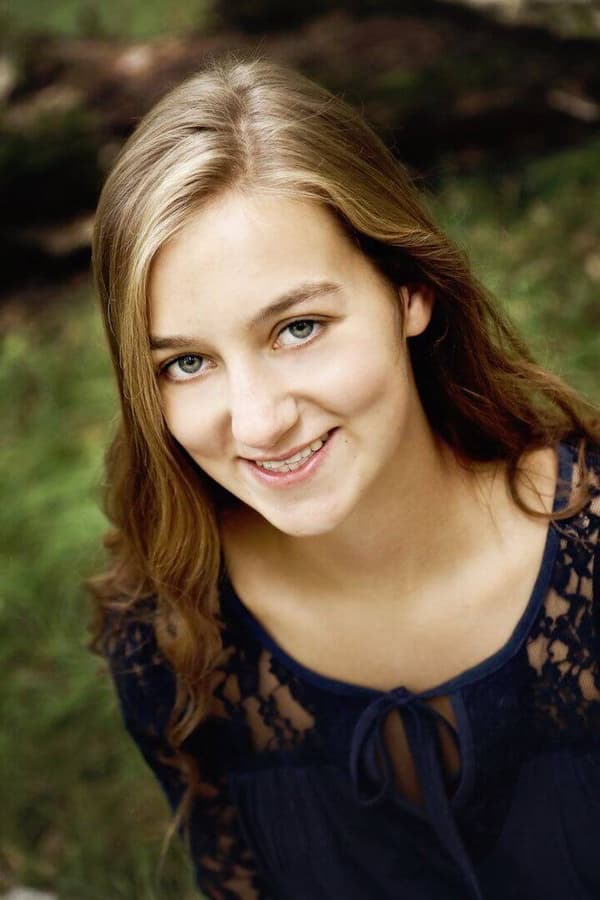
Your expression should be genuinely warm. A big, authentic smile with teeth showing works beautifully for most commercial shots. But here’s the key: it has to be real. Casting directors can spot a fake smile from a mile away. We often have our clients think about something that genuinely makes them happy, or even tell a quick joke during the shoot.
This is your go-to headshot for TV commercials, sitcoms, and any role where you’re the relatable neighbor or trusted friend. Think of those heartwarming insurance commercials or the funny best friend in a romantic comedy. Your commercial headshot should make casting directors think, “Yes, I’d buy cereal from this person.”
The Theatrical Headshot: Dramatic And Layered
Your theatrical headshot tells a completely different story. This is where we dive into the complex, nuanced characters that drive compelling drama forward.
Color choices become more sophisticated and muted. We lean toward earth tones, deep grays, rich burgundies, or forest greens. These colors don’t compete for attention: instead, they draw focus to your eyes and the emotion you’re conveying. A simple navy blazer or olive green shirt can add just the right amount of depth and texture.
Your expression here is all about subtlety and depth. No big smiles needed: instead, we’re looking for that hint of mystery, contemplation, or intensity that suggests you can carry the emotional weight of a serious role. Maybe there’s a slight furrow in your brow, or a look that suggests you’re processing something important.
This is the headshot you’ll use when auditioning for drama series, independent films, or complex character roles on platforms like Netflix or Warner Bros. productions. Think of the actors who play detectives with haunted pasts, or the complex characters in prestige television dramas.
The beauty of having both types is that you’re prepared for whatever comes your way. Some actors make the mistake of trying to split the difference with one “versatile” headshot, but that usually means you’re not quite right for either type of role.
Your Photoshoot Playbook: From Prep To Print
Planning your actor headshot session is like preparing for the most important audition of your career: because in many ways, it is! The difference between a good headshot and a great one often comes down to what happens before you even step in front of the camera.
How To Choose The Right Headshot Photographer
Finding the right photographer isn’t just about picking someone with a nice camera: it’s about finding someone who truly understands the acting industry. You want a photographer who specializes in actor headshots, not someone who shoots weddings on weekends and thinks portraits are all the same.
When you’re browsing portfolios, ask yourself some key questions. Do the actors look comfortable and authentic? Can you see their personality shining through? Are the eyes engaging and full of life? These are the markers of someone who knows how to work with performers.
Schedule a consultation before booking. This isn’t just about discussing logistics: it’s about chemistry. You need to feel comfortable with your photographer because that comfort translates directly into better expressions. During our consultations at Candid Studios, we talk about your goals, your type, and what roles you’re targeting. This helps us tailor the entire session to your specific needs.
Budget-wise, expect to invest $400 to $1,500 for a professional session. Yes, it’s a significant investment, but consider this: a cheap headshot can actually hurt your career by signaling to casting directors that you’re not serious about the craft. We offer professional headshot services throughout Colorado, and we understand that this investment needs to pay off for your career.
For more detailed guidance on selecting the right professional, check out our comprehensive guide on finding a headshot photographer in Denver.
What To Wear For Your Actor Headshot (And What To Avoid)
Your wardrobe choices can make or break your actor headshot. The goal is simple: improve your features and support your type without stealing focus from your face.
Solid colors are your best friend. They keep attention where it belongs: on your eyes and expression. For commercial looks, choose bright, vivacious colors that pop against your skin tone. Think vibrant blues, rich greens, or warm corals. For theatrical shots, lean toward more muted earth tones like olive green, navy blue, or maroon.
Fit is everything. Your clothes should fit well: not painted on, but not swimming in fabric either. Fitted tops that conform to your body look professional and polished. Consider bringing layering pieces like simple jackets or cardigans, especially for theatrical looks. These add texture and suggest character depth.
Now for the don’ts: and trust me, I’ve seen it all! Avoid logos, busy patterns, or anything with distracting graphics. That favorite band t-shirt might express your personality, but it’s pulling focus from your face. Pure white can wash you out under studio lights, while pure black absorbs light and makes proper lighting tricky. Charcoal grey or off-white are much better alternatives.
Bring multiple options to your session. What looks great at home might not translate well on camera, and having choices gives you flexibility. Most importantly, wear something that makes you feel confident: that inner comfort shows in every shot.
For even more specific wardrobe guidance, our detailed guide on what to wear for your photoshoot covers everything from color theory to fabric choices.
Your Pre-Shoot Checklist
Think of your actor headshot session like opening night: you want to show up prepared, rested, and ready to shine. The preparation you do in the days leading up to your shoot directly impacts your final images.
Start with the basics three days before your session. Get plenty of sleep: aim for 7-8 hours each night. Well-rested faces look fresh and vibrant, while tired eyes tell a story you don’t want casting directors to read. Drink lots of water and eat well. Your skin will thank you, and you’ll feel more energetic during the shoot.
Hair and makeup require strategic thinking. Arrive with your hair styled exactly how you normally wear it for auditions. This isn’t the time to experiment with a dramatic new cut or color. For makeup, less is more: you want to look like you, just the most polished version. If you’re not confident with camera-ready makeup, consider hiring a professional who specializes in headshot makeup.
Here’s a pro tip that many actors don’t know: bring translucent powder to your session. This works for both men and women and is a game-changer under studio lights. It eliminates shine and gives you a polished, professional look on camera.
Practice makes perfect. Spend time in front of your bathroom mirror working on expressions that convey your type. Think about the emotions and attitudes of characters you want to play. This practice helps you feel more natural and confident when the camera comes out.
Finally, create a playlist of songs that make you feel confident and energized. Music helps you relax and can even help you tap into different emotional states for various shots. We love when clients share their favorite tunes: it creates a comfortable, collaborative atmosphere that shows in the final images.
Show up about 10 minutes early to get settled and comfortable. This is your time to shine, and proper preparation ensures you’ll walk away with headshots that truly represent the best version of your professional self.
After The Shoot: Finalizing And Using Your Headshots
The magic doesn’t end when the camera stops clicking! What happens after your actor headshot session is just as crucial as the shoot itself. Think of this phase as the final polish that transforms great photos into career-changing tools.
The Art Of Retouching: To Touch Up Or Not To Touch Up?
Here’s the golden rule for actor headshot retouching: improve, don’t transform. Light retouching is your friend: it’s about making you look like your best self on your best day, not creating a completely different person.
What should be retouched? Temporary blemishes like that stress pimple that popped up the morning of your shoot. Evening out skin tone so you look fresh and healthy. Brightening your eyes slightly so they really pop off the page. These subtle improvements help you look polished and professional.
But here’s what we absolutely avoid: over-editing that makes you unrecognizable. Casting directors have a pet peeve about actors who look dramatically different in person than in their headshots. Don’t slim your face, erase all your freckles, or smooth your skin until it looks like plastic. Those laugh lines? That distinctive mole? They’re part of what makes you you: and they might be exactly what lands you the perfect role.
Our AI-improved editing strikes that perfect balance. It maintains your authenticity while presenting your most confident, camera-ready self. Your so-called “flaws” often make you more interesting and castable than a generic, over-edited perfection.
Formatting And Printing Your Professional Actor Headshot
Getting your actor headshot format right is like following a recipe: there are industry standards for a reason, and straying from them can hurt your chances.
For digital submissions, you’ll want 300dpi resolution in JPEG format for crisp, professional quality. When uploading to casting sites, opt for a tighter crop on your face so your eyes are clearly visible even in tiny thumbnails. Professional file naming matters too: “JohnSmith_Commercial.jpg” looks infinitely more professional than “IMG_4782.jpg.”
Printed headshots follow the classic 8×10 inch format in color on semi-gloss paper. High gloss looks too flashy and creates annoying reflections, while matte can appear flat. Your name should be printed cleanly on the front, typically in the lower corner.
When attaching your headshot to your resume, staple all four corners about a quarter-inch from the edges. Some casting directors prefer separate resumes rather than printing directly on the back of photos, so check submission guidelines carefully.
Common mistakes that immediately signal amateur status include using selfies or yearbook photos, wearing distracting patterns, choosing looks that fight against your natural type, over-airbrushing, submitting outdated black-and-white photos, having only one look instead of both commercial and theatrical options, and worst of all: using headshots that don’t actually look like you anymore.
How Often Should You Update Your Headshots?
Your actor headshot has an expiration date, even if it’s not printed on the back! As a general rule, plan to refresh your headshots every 1-2 years. But life doesn’t always follow neat timelines.
Significant appearance changes are immediate red flags for updates. Cut more than a few inches off your hair? New headshots. Dyed it from blonde to brunette? New headshots. Grew a beard or shaved one off? You guessed it: new headshots. Weight changes over 10 pounds in either direction also warrant fresh photos.
Age considerations matter too. Children’s headshots need updating every 6 months because they grow so quickly. Teen actors should refresh theirs every 1-2 years as they mature. Adult actors can typically stretch to 2-4 years in their twenties and thirties, and 5-7 years after 40, assuming no major appearance changes.
Sometimes your casting focus shifts, and your headshots should evolve with your career goals. If you’ve finded a new type you want to pursue, or if industry trends have changed significantly, it’s time for an update.
The bottom line? Casting directors need to see what you look like right now, not three years ago. Keeping current headshots shows you’re serious about your craft and ready for today’s opportunities. It’s an investment in staying competitive in an industry where first impressions truly are everything.
Conclusion: Launch Your Career With A Killer Headshot
Your journey through actor headshots brings us to this essential truth: in the fiercely competitive acting industry, your headshot isn’t just another photo in your portfolio, it’s the key that open ups audition room doors.
Think about everything we’ve covered together. Your headshot serves as your professional calling card, working 24/7 to communicate who you are as a performer. It tells casting directors your type, showcases your personality, and demonstrates that you’re serious about your craft. When done right, it creates that crucial first impression that makes industry professionals want to learn more about you.
Authenticity remains your strongest asset. The most polished headshot in the world won’t help if you walk into the audition room looking completely different. Your headshot must capture the real you, just your most confident, engaging version. This honesty builds trust with casting directors and sets realistic expectations for everyone involved.
Defining your type gives you a competitive edge. When you understand whether you’re the quirky best friend, the reliable neighbor, or the intense detective, your headshot can strategically communicate that brand. This clarity helps casting directors immediately envision you in specific roles, moving you from the “maybe” pile to the “definitely call them in” stack.
Professional quality matters more than you might think. A well-lit, expertly composed headshot signals that you invest in your career and understand industry standards. It shows respect for the casting process and demonstrates your commitment to excellence. Conversely, a amateur photo can eliminate you from consideration before anyone reads your impressive resume.
Your eyes tell the most important story. Whether you’re going for a bright commercial look or a nuanced theatrical vibe, your expression needs to connect with viewers and hint at the characters you can bring to life. That subtle confidence, that spark of personality, that’s what transforms a simple portrait into a powerful marketing tool.
Staying current keeps you competitive. The acting industry moves fast, and your headshot should reflect who you are right now. Regular updates ensure you’re always putting your best foot forward and never miss opportunities because your photo doesn’t match your current appearance.
At Candid Studios, we’ve seen how the right headshot can transform an actor’s career trajectory. Our experience capturing thousands of professional portraits across Colorado Springs, Fort Collins, Denver, Tampa, and Miami has taught us that every detail matters. With our commitment to delivering free RAW content and AI-improved editing, we understand what it takes to create headshots that truly stand out.
Our reliable emergency staff ensures your session runs smoothly, because we know how important these photos are to your future. We’re not just taking pictures, we’re helping you invest in your dreams and present your authentic self to the industry with confidence.
Your headshot opens doors, but your talent walks through them. Don’t let an outdated or unprofessional photo hold back everything you’ve worked so hard to build.
Get your professional headshots today!
Frequently Asked Questions
How Often Should Actors Update Headshots?
Every 1–2 years, or sooner after major hair/appearance changes.
What Should I Wear For Actor Headshots?
Simple solids that fit your casting type. Avoid logos and busy patterns.
Are Digital Files Included?
Confirm delivery format and retouching scope on your quote.
Book professional headshots or contact Candid Studios. Business headshots: nationwide headshot photographer.