What Is Event Videography And Why It Matters
Event videography captures keynotes, celebrations, and brand moments with dedicated audio and multi-camera coverage. Clarify film length, usage rights, and delivery before the event.
Most American couples say their wedding film is the most treasured keepsake from their big day. Selecting the right event videography service in Florida means more than just recording moments. It is about crafting a visually stunning story that feels personal and true. In a world where pricing and editing technology evolve quickly, this guide breaks down the must-know details to help you find affordable videography with advanced editing options for your unforgettable celebration.
Table Of Contents
- Defining Event Videography: Core Concepts
- Types of Event Videography And Their Purposes
- How Event Videography Works Step-By-Step
- Editing Styles And Technology Innovations
- Costs, Value, And Avoiding Common Pitfalls
Key Takeaways
| Point | Details |
|---|---|
| Event Videography Combines Art and Technology | Effective event videography merges storytelling with technical proficiency to create meaningful visual narratives. |
| Planning is Essential for Success | Detailed pre-event planning, including location scouting and equipment preparation, is crucial for capturing high-quality footage. |
| Editing Styles Impact Storytelling | Different editing styles, such as cinematic, documentary, and highlight reels, significantly shape the viewer’s experience and the narrative conveyed. |
| Understand Pricing and Value | Being aware of the factors influencing costs and avoiding common pitfalls ensures clients achieve their desired outcomes while respecting their budgets. |
Defining Event Videography: Core Concepts
Event videography represents a dynamic art form combining technical precision with storytelling skills to capture live moments professionally. It transforms ordinary events into memorable visual narratives that preserve experiences with extraordinary depth and emotional resonance.
At its core, event videography involves a comprehensive process from initial planning through final production that requires multiple sophisticated skills. Professional videographers must understand client expectations, scout locations, select appropriate equipment, and strategically capture both planned and spontaneous moments. The goal extends beyond simple recording: it’s about crafting a compelling visual story that authentically represents the event’s unique character.
Key elements of professional event videography include technical mastery, creative vision, and strategic preparation. Successful event videography demands understanding event schedules, coordinating with organizers, and utilizing high-quality audio and video equipment to capture nuanced moments. Whether documenting weddings, corporate conferences, or cultural celebrations, skilled videographers blend technological expertise with artistic intuition.
Pro tip: Always conduct a thorough location scout and technical rehearsal before any event to identify potential filming challenges and optimal camera positions.
Types Of Event Videography And Their Purposes
Event videography encompasses a diverse range of specialized video production techniques designed to capture unique live experiences across multiple contexts. These professional video services span multiple event types, each requiring distinct approaches to effectively document and communicate the event’s essence.
Event video production typically includes several critical categories that serve different purposes:
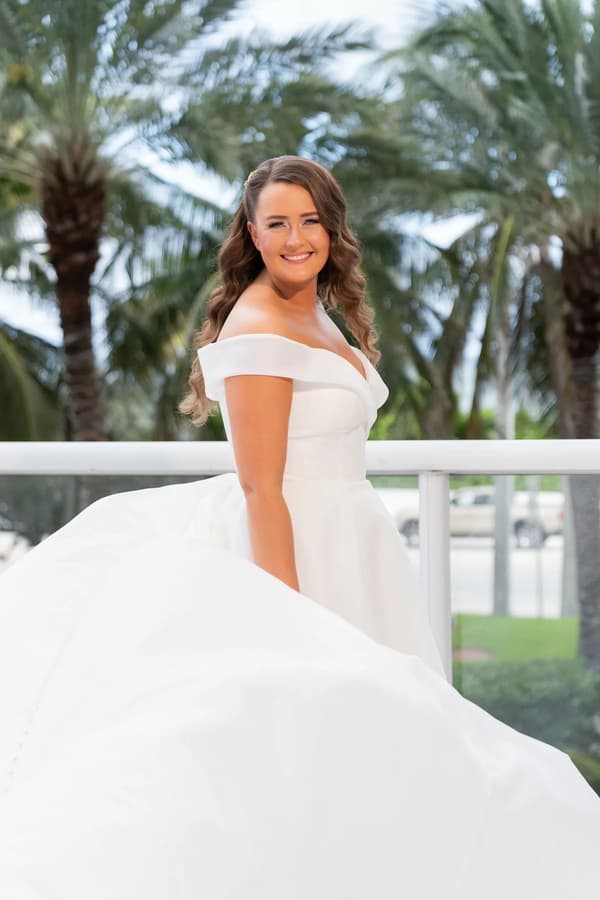
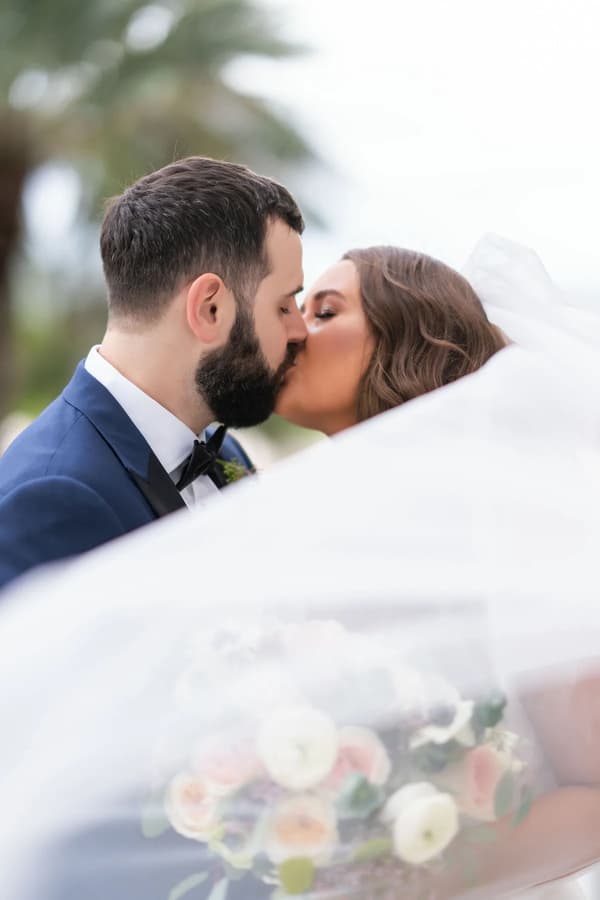
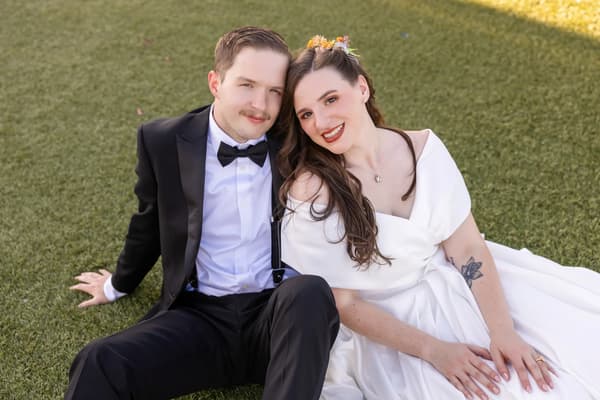
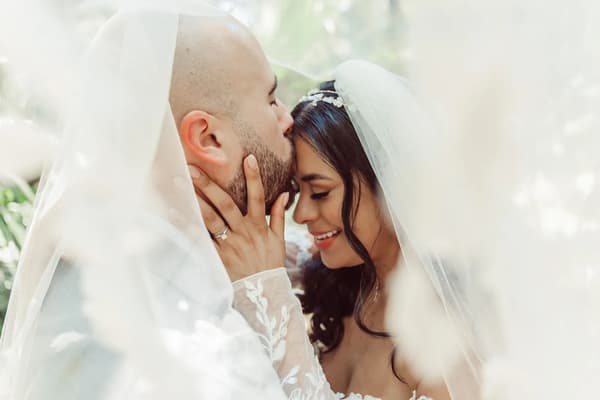
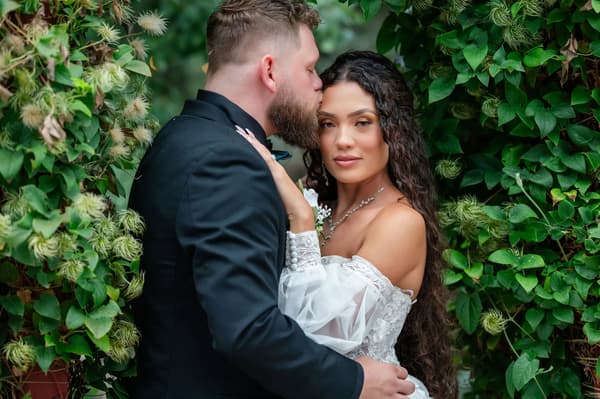
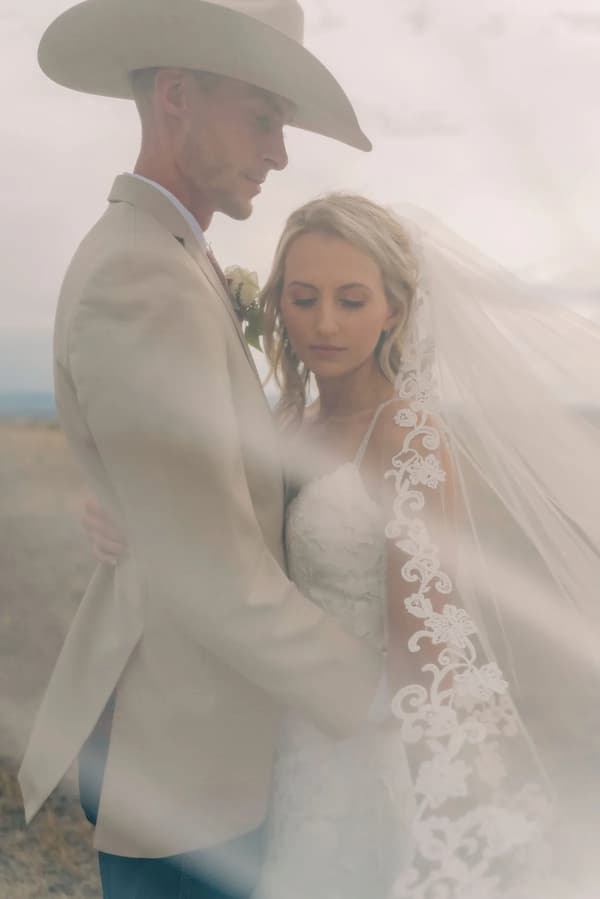
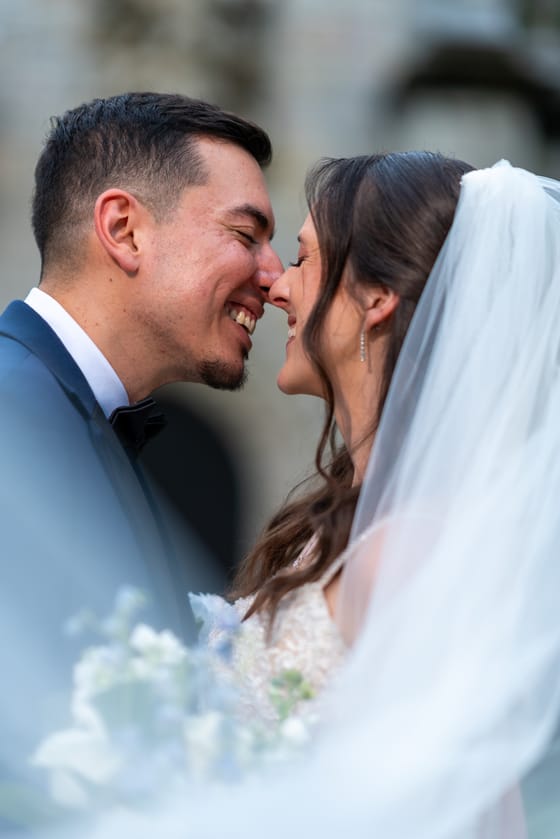
- Wedding Videography: Capturing intimate, emotional moments and telling the couple’s unique love story
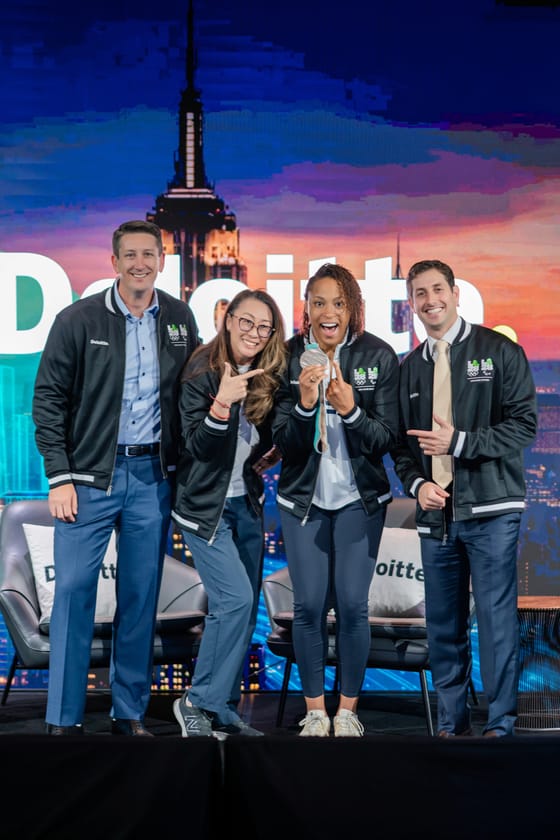
- Corporate Event Documentation: Recording conferences, product launches, and professional gatherings for internal and external communication
- Concert and Performance Videos: Preserving artistic performances with high-quality audio and visual documentation
- Sports Event Coverage: Highlighting athletic achievements and competitive moments
- Cultural and Festival Videography: Documenting community celebrations and cultural experiences
Modern event videography has evolved to include multiple production styles like live streaming, highlight reels, comprehensive event recaps, and interview-based documentaries. Each style serves a unique purpose, from real-time audience engagement to creating lasting marketing materials and preserving memories.
Compare the main types of event videography by purpose and audience:
Type
Primary Purpose
Typical Audience
Wedding Films
Capture love stories
Couples, families
Corporate Coverage
Document key business events
Employees, stakeholders
Concert Videos
Highlight performances
Fans, artists
Sports Footage
Feature athletic achievements
Teams, spectators
Cultural Recaps
Showcase traditions
Community members, historians
Pro tip: Before selecting a videography style, carefully assess your event’s primary objectives and target audience to choose the most effective video production approach.
How Event Videography Works Step-By-Step
Event videography transforms complex live moments into compelling visual narratives through a systematic, carefully orchestrated process. Professional videographers follow a detailed workflow that encompasses comprehensive planning, precise execution, and strategic post-production editing.
The event videography process typically unfolds across three critical stages:
- Pre-Event Planning
- Consultation with client to understand event goals
- Location scouting and technical site assessment
- Creating a detailed shot list and timeline
- Equipment selection and technical preparation
- Backup gear and contingency planning
- Event Day Execution
- Strategic camera positioning
- Capturing multiple angles and perspectives
- Recording primary and supplementary footage
- Managing audio quality and lighting conditions
- Adapting to unexpected event dynamics
- Post-Production Processing
- Reviewing and organizing raw footage
- Selecting best clips and narrative sequences
- Professional video editing and color grading
- Sound mixing and audio enhancement
- Creating final edited video deliverables
Successful event videography requires technical expertise, creative vision, and the ability to anticipate and capture fleeting, meaningful moments across diverse event environments.
Pro tip: Always have multiple backup memory cards and battery packs to ensure uninterrupted video coverage during critical event moments.
Editing Styles And Technology Innovations
Event videography is experiencing a radical transformation driven by cutting-edge technological innovations that are redefining visual storytelling. Emerging trends are revolutionizing how professionals capture, process, and deliver video content through advanced AI-powered editing techniques and immersive digital experiences.
Editing Styles in Modern Event Videography:
- Cinematic Style: Creating movie-like narratives with dynamic camera movements
- Documentary Style: Capturing authentic, unscripted moments with minimal intervention
- Storytelling Style: Developing a compelling narrative arc through strategic clip selection
- Highlight Reel Style: Condensing event highlights into short, engaging sequences
- Artistic Style: Incorporating creative transitions, color grading, and visual effects
Technological innovations are pushing the boundaries of traditional video production. Advanced AI algorithms now enable automated editing processes, including intelligent clip selection, precise color correction, and personalized content optimization. Emerging technologies like Augmented Reality (AR) and Virtual Reality (VR) are creating unprecedented immersive experiences, allowing viewers to interact with event footage in entirely new ways.
Here’s a summary of how technology is shaping modern event videography:
Innovation
Main Benefit
Impact on Videography
AI Editing Tools
Streamlines editing workflow
Faster turnaround; enhanced creativity
Augmented Reality
Adds virtual elements
Creates interactive event experiences
4K/8K Cameras
Higher image quality
Sharper, more detailed footage
Live Streaming Platforms
Real-time sharing
Expands viewer reach instantly
The future of event videography lies in seamless integration of technology and creative storytelling, focusing on producing content that is not just visually stunning but also optimized for diverse digital platforms and audience engagement.
Pro tip: Invest in software that offers AI-powered editing features to streamline your post-production workflow and enhance creative possibilities.
Costs, Value, And Avoiding Common Pitfalls
Event videography represents a significant investment that requires careful consideration of both financial implications and potential value creation. Understanding the nuanced pricing structure and potential pitfalls can help clients make informed decisions about their video documentation needs.
Pricing Factors for Event Videography:
- Event Duration: Hourly or full-day rates
- Complexity of Production: Simple documentation vs. multi-camera cinematic coverage
- Editing Complexity: Basic edit vs. advanced storytelling styles
- Equipment Requirements: Standard vs. specialized camera and audio gear
- Deliverable Formats: Raw footage, edited highlights, full-length documentary
Common Pitfalls to Avoid:
- Underestimating Budget: Choosing the cheapest option without considering quality
- Unclear Expectations: Not discussing detailed project requirements upfront
- Limited Deliverables: Failing to specify exact video formats and length
- Technical Limitations: Not discussing venue-specific recording challenges
- Post-Production Misunderstandings: Unclear editing style and revision processes
The true value of professional event videography extends beyond mere recording. It’s about creating a lasting, emotionally resonant narrative that captures the essence of your unique moment, transforming fleeting experiences into timeless memories that can be revisited and shared for generations.
Pro tip: Always request a comprehensive written contract that details exact services, deliverables, pricing, and revision policies to prevent potential misunderstandings.
Capture Every Moment With Expert Event Videography From Candid Studios
Event videography requires more than just pointing a camera, it demands strategic planning, technical mastery, and creative storytelling to transform live experiences into lasting memories. If you have ever worried about missing those nuanced moments, unclear deliverables, or rushed post-production processes, you are not alone. At Candid Studios, we understand these challenges and tailor our award-winning videography services to ensure your event’s unique story is captured with authenticity and emotional depth. From pre-event consultation to AI-powered editing, our expertise guarantees rich, cinematic results that bring your special day to life.
Ready to turn your event into a beautifully crafted video narrative? Explore our full range of services at Candid Studios and benefit from competitive pricing starting at $425/hr, flexible destination coverage across Colorado and Florida, and free raw footage with every package. Don’t wait, book a personalized consultation today and experience the difference of professional event videography done right. Visit our landing page now to learn more about how we can preserve your moments forever.
Frequently Asked Questions
What is event videography?
Event videography is a professional service that captures live events through video, transforming them into memorable visual narratives that encapsulate the essence of the experience.
Why is event videography important?
Event videography is important because it preserves significant moments, allowing individuals and organizations to relive and share their experiences for years to come. It offers a way to document events authentically and create lasting memories.
What types of events are typically covered by videographers?
Event videographers cover a wide range of events, including weddings, corporate gatherings, concerts, sports events, and cultural celebrations. Each type requires different approaches to effectively capture the essence of the event.
What are common pitfalls to avoid when hiring an event videographer?
Common pitfalls include underestimating the budget, having unclear expectations about the project, limiting deliverables without specification, and not discussing venue-specific challenges. It’s essential to have a comprehensive written contract to avoid misunderstandings.
Recommended
- How to Choose a Wedding Videographer for Your Special Day | Candid Studios
- Top 10 Wedding Videographers Near Me | Videography Services 2024 | Candid Studios
- Top Skilled Wedding Videographers For Wedding Videography | Candid Studios
- 10 Game-Changing Wedding Cinematography Tips for 2025
Frequently Asked Questions
What Is Event Videography?
Professional filming and editing of live events for marketing or keepsakes.
How Does It Differ From Wedding Video?
Briefs are brand- or program-led; run-of-show and VIP lists matter more.
Photo Plus Video?
Common for recap reels and stills from the same day.