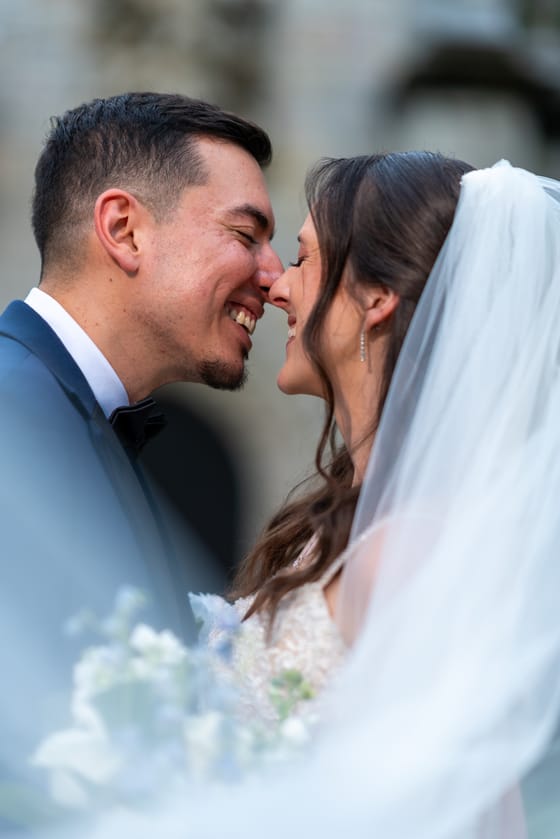
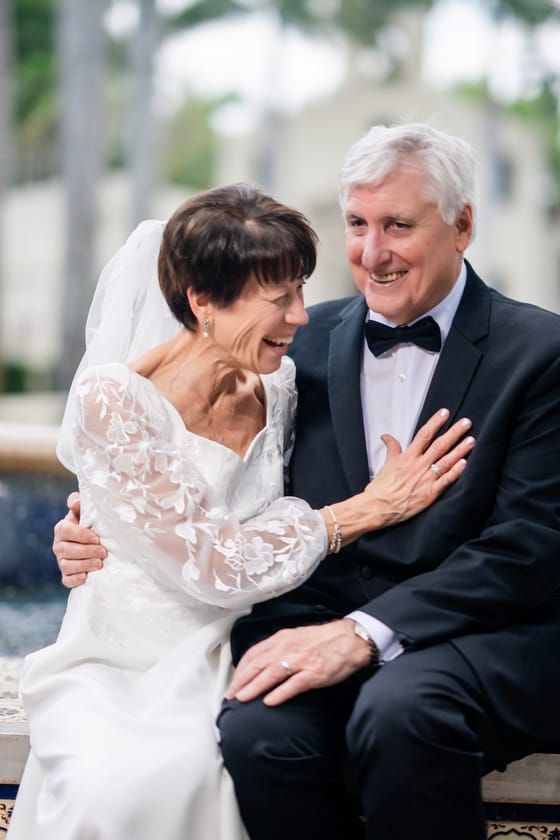
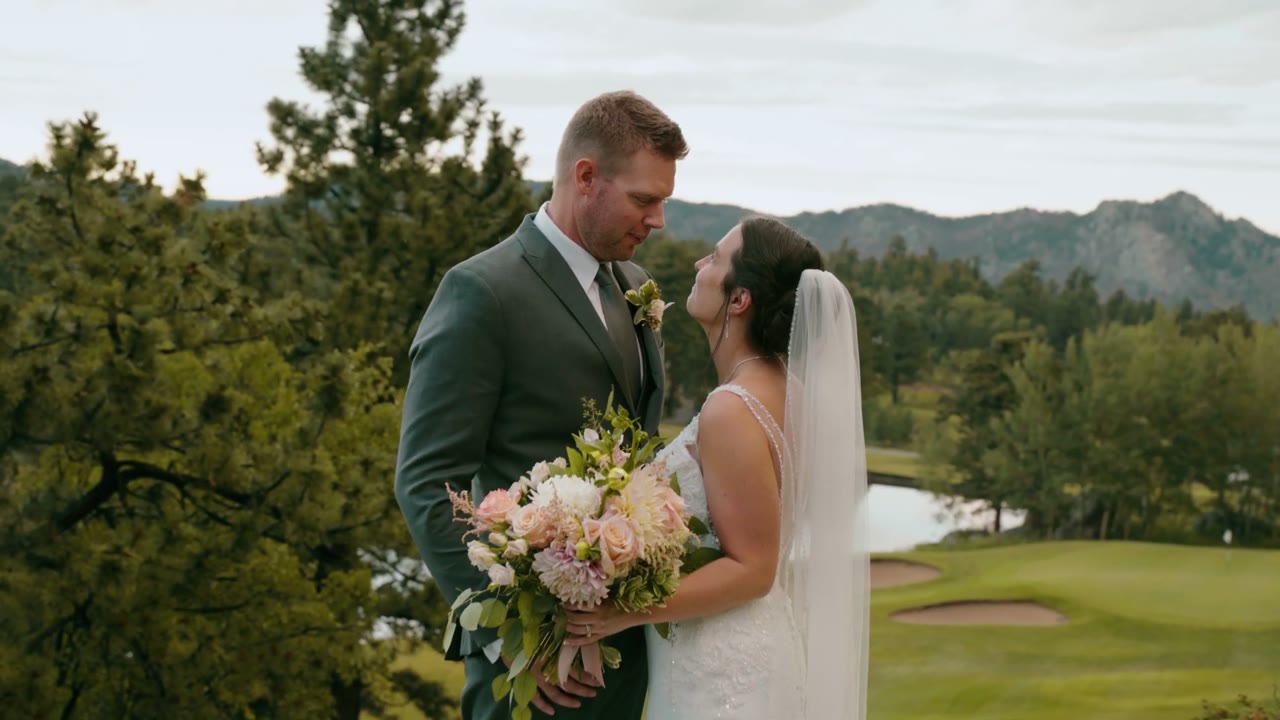
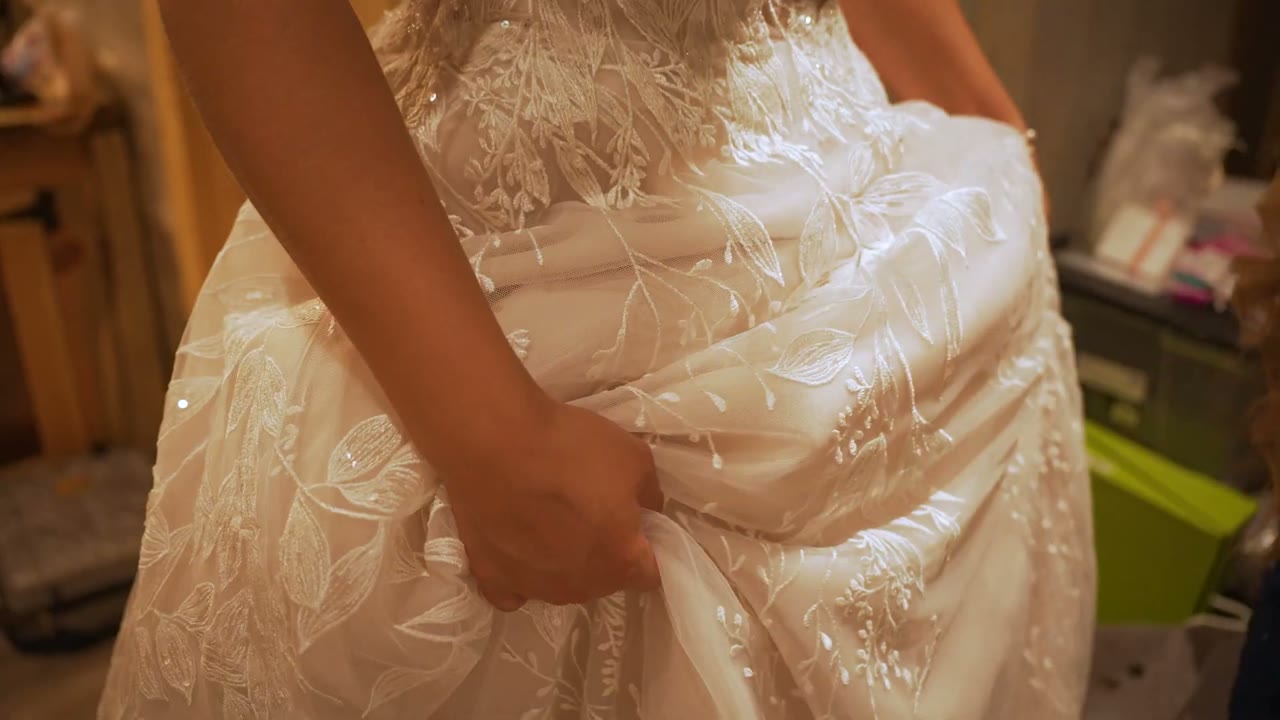
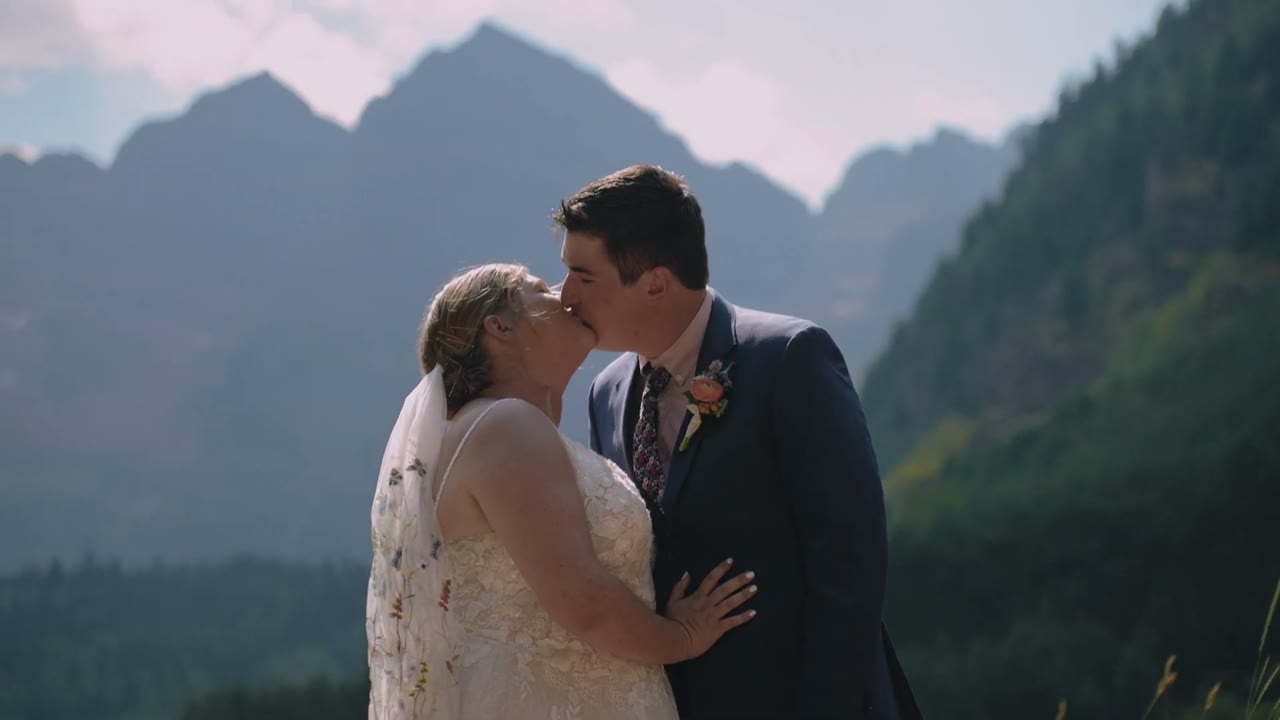
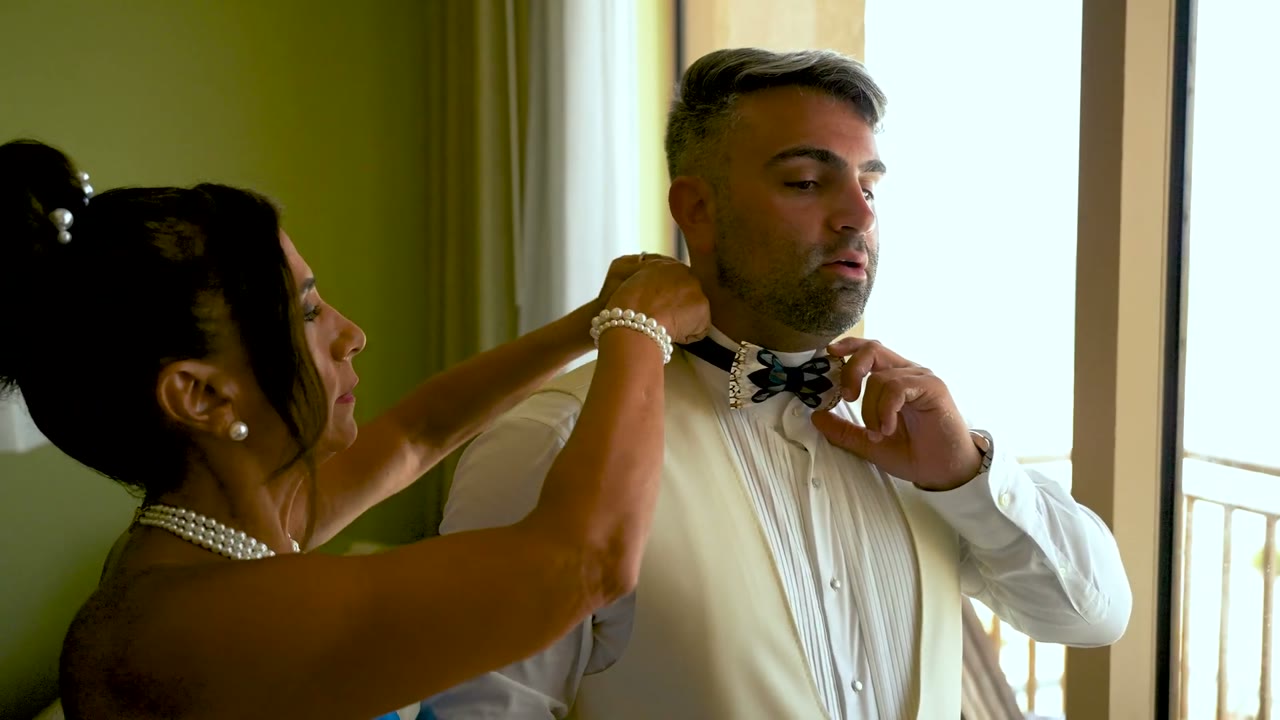
Why Consult A Videographer For Weddings
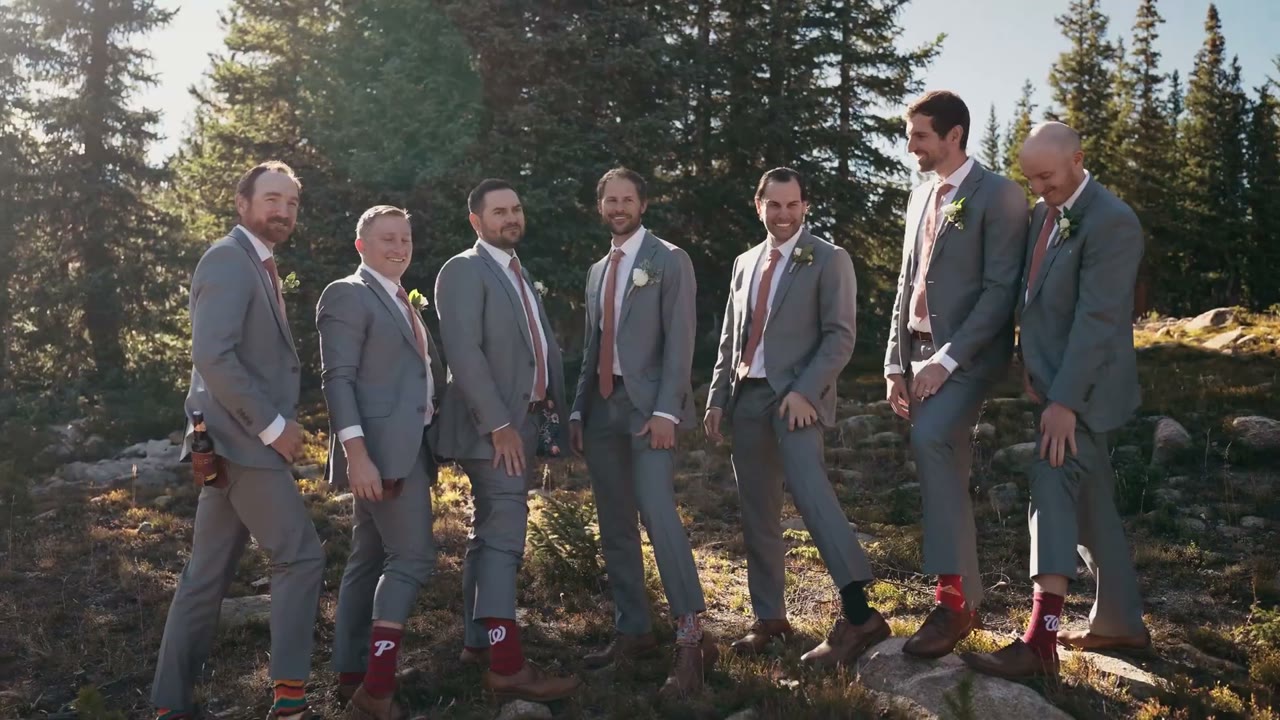
Consulting a wedding videographer early clarifies film length, audio plans, and how video pairs with photography. Ask for full sample films and a written delivery timeline.
Planning your wedding in Florida or Colorado already feels like a whirlwind of decisions, but capturing those once-in-a-lifetime moments deserves careful thought. Professional videography is not just about recording your day, it is about translating emotion, atmosphere, and genuine memories into a film you will cherish forever. With a mix of technical mastery and artistic storytelling, the right videographer offers custom packages and innovative editing that reflect your unique celebration.
Table Of Contents
- What Professional Videography Really Means
- Different Videography Styles And Services
- How Editing Choices Impact Your Memories
- Value Of Expert Guidance For Your Event
- Comparing Diy Vs. Professional Videography Costs
Key Takeaways
| Point | Details |
|---|---|
| Professional Videography Combines Craft and Technical Skill | Effective videography blends artistic vision with technical expertise to capture the essence of your event. |
| Choosing a Videography Style Matters | Understanding the differences between cinematic, documentary, and hybrid styles will help you find a videographer that aligns with your vision. |
| Editing Choices Shape Your Memories | The way footage is edited significantly affects how you remember your wedding day, emphasizing certain emotions and moments. |
| Investing in Professional Services Is Valuable | While DIY may seem cost-effective, the quality and longevity of a professionally produced film justify the investment. |
What Professional Videography Really Means
Professional videography is far more than pointing a camera at your ceremony and hoping for the best. It’s a deliberate blend of technical expertise, artistic vision, and storytelling craft. When you hire a professional videographer, you’re paying for someone who understands how to capture not just what happens on your wedding day, but the emotions, atmosphere, and narrative that make it uniquely yours.
At its core, professional videography involves orchestrating all facets of video production with both technical proficiency and creative expression. This means managing lighting to flatter your venue, positioning cameras to catch candid moments, coordinating audio equipment to capture clean vows and speeches, and choreographing movements that create visual flow. A professional doesn’t just record; they actively shape how your story unfolds on screen.
The work extends far beyond the ceremony itself. Professional videographers spend hours in post-production editing, color-correcting footage, synchronizing multiple camera angles, and layering in music and sound design. These decisions transform raw footage into a cohesive narrative that moves viewers emotionally. Your videographer makes thousands of small choices about pacing, transitions, and visual emphasis that determine whether someone tears up during your first dance or feels disconnected from the moment.
For couples in Florida and Colorado planning destination weddings, this expertise becomes even more valuable. Professional videographers understand how to work in different lighting conditions across diverse venues, from beachside ceremonies to mountain celebrations. They know how to manage the technical challenges these environments present while maintaining visual consistency throughout your film.
Quality videography also means delivering something you’ll actually treasure. Raw, unedited footage sits forgotten on hard drives. A professionally edited wedding film becomes something you watch repeatedly, share with family members who couldn’t attend, and pass down to future generations. That transformation from recording to refined film is what professional videography delivers.
Pro tip: When consulting with a videographer, ask specifically about their editing process and timeline. Understanding whether they offer multiple editing styles or curated options will help you envision exactly how your wedding story will be told on screen.
Different Videography Styles And Services
Not all wedding videos look or feel the same. The style you choose shapes how your story gets told, and different approaches work better for different couples and venues. Understanding your options helps you select a videographer whose artistic vision matches what you want to see when you watch your film years from now.
Cinematic videography creates a polished, movie-like experience with careful color grading, dramatic music, and intentional pacing. This style uses techniques like slow motion, creative transitions, and carefully composed shots to transform your wedding into a visual narrative. Cinematic films often feature narrative arcs, focusing on emotional beats rather than chronological coverage of every moment.
Documentary style takes the opposite approach. It captures authentic, unscripted moments as they happen, minimizing production elements and relying on real emotions and candid interactions. Documentary videography emphasizes genuine storytelling over artistic embellishment. This approach works beautifully if you value authenticity and want to feel like you’re reliving the day rather than watching a polished production.
Hybrid videography blends both styles, giving you cinematic elements during key moments like your first dance or ceremony while maintaining documentary authenticity throughout the day. Many couples in Florida and Colorado prefer this balanced approach because it provides production value without sacrificing genuine emotion.
Beyond style, consider what specific services matter to you. Raw footage delivery means you get unedited clips alongside your final film. Multiple editing options let you choose between different color grades, pacing styles, or music selections. Some videographers offer same-day edits for your reception or drone footage for aerial perspectives of your venue.
Your videographer might also specialize in specific settings. Destination wedding expertise becomes crucial if you’re getting married in Colorado mountains or on Florida beaches, where lighting and logistics differ dramatically from traditional venues.
Here’s a summary comparing popular wedding videography styles:
Style
Visual Approach
Typical Audience
Emotional Impact
Cinematic
Movie-like, dramatic editing
Couples wanting glamor
Intense, curated
Documentary
Natural, unscripted moments
Couples valuing authenticity
Realistic, sentimental
Hybrid
Mix of cinematic and documentary
Couples seeking balance
Both dramatic and genuine
Pro tip: Ask potential videographers to show you sample films in each style they offer, then identify which moments make you feel the emotions you want to relive from your wedding day.
How Editing Choices Impact Your Memories
Your wedding video isn’t just a recording of what happened. It’s a curated experience that shapes how you remember your day. The editing choices your videographer makes influence which moments stand out in your mind, what emotions you feel when watching, and how vividly those memories stay with you over time.
Every cut, color grade, and musical cue is intentional. When a videographer edits video to enhance memory clarity, they’re essentially filtering your experience. They decide which angles tell the story best, which pauses let emotions breathe, and which moments deserve slow motion. These choices guide your brain toward certain interpretations of your day.
Consider the difference between raw footage and a polished edit. Raw clips feel disjointed. You see awkward pauses, technical glitches, and moments that don’t connect. Your brain struggles to form a coherent narrative. A thoughtfully edited film, by contrast, flows seamlessly. It emphasizes the genuine reactions that matter most while smoothing over technical imperfections. You watch it and feel the day exactly how you want to remember it.
Color grading matters more than you might think. Warm, golden tones make your ceremony feel romantic and timeless. Cool, crisp tones create a modern, polished aesthetic. The edit style itself affects memory retention. Faster pacing with dynamic transitions keeps you engaged and energized. Slower pacing with lingering shots lets you absorb emotional details. Your videographer chooses which approach matches your vision.
For couples in Florida and Colorado, this becomes especially important. A videographer who understands how to use warm Florida sunset light or cool Colorado mountain air in editing creates an authentically regional memory. They’re not just documenting your wedding; they’re crafting how you’ll emotionally experience it forever.
The right editing approach means revisiting your film years later still feels genuine and moving. Poor editing choices can actually diminish your memories, making your wedding feel like a highlight reel rather than your actual experience.
Pro tip: During your consultation, ask your videographer to explain their editing philosophy and whether they offer color grade or pacing options that align with the emotional tone you want your final film to convey.
Value Of Expert Guidance For Your Event
Planning a wedding involves hundreds of decisions, and most couples have never done this before. A professional videographer brings experience that transforms your wedding from a series of disconnected moments into a cohesive visual story. That expertise makes a measurable difference in what you actually receive at the end.
Expert videographers understand how to anticipate key moments and select optimal shooting angles before they happen. They know your grandmother’s emotional reaction during the vows matters more than capturing the flower girl walking down the aisle. They position themselves to catch the unguarded laugh between you and your partner during photos. They recognize the moments that matter and frame them beautifully.
Their guidance extends beyond just pressing record. A videographer helps you plan your timeline so key moments happen during optimal lighting. They advise on venue logistics, identifying the best spots for capturing your ceremony and reception. They suggest angles that flatter your chosen venue, whether that is an intimate Colorado mountain setting or a sprawling Florida beachside celebration.
Technical management alone justifies consulting a professional. Lighting and sound equipment require expertise most couples do not possess. A videographer manages audio levels during your vows so every word registers clearly. They use lighting techniques to ensure your face looks beautiful even if your ceremony happens at dusk. These technical details determine whether your final film feels professional or amateur.
Beyond execution, professionals align your videography with your actual goals. Some couples want documentary authenticity. Others crave cinematic storytelling. A skilled videographer listens to your vision and delivers exactly what you described, not what they assume you want.
Consultation matters because your videographer becomes a partner in your planning process. They answer questions about what’s realistic, suggest solutions to logistical challenges, and ensure your expectations match what videography actually delivers.
Pro tip: During initial consultation, ask your videographer specific questions about your venue’s unique challenges and how they would address them, which reveals whether they truly understand your event’s requirements.
Comparing DIY Vs. Professional Videography Costs
The temptation to film your own wedding is understandable. You have a smartphone with decent video capabilities and friends willing to help. But comparing the true cost of DIY versus professional videography reveals why most couples ultimately choose professionals.
DIY videography appears cheap upfront. You avoid paying a videographer’s fee entirely. However, DIY videography requires significant time investment and technical learning. Someone must spend hours learning basic cinematography, practicing camera techniques, and understanding how to frame shots. Then comes the actual filming, which requires your friend to miss moments as a guest while managing equipment. Add post-production editing, which easily consumes 40 to 60 hours for a professional-quality film.
Equipment costs mount quickly if you want passable quality. A decent external microphone runs $200 to $500. Lighting equipment adds another $300 to $800. Stabilization gear, backup batteries, and storage solutions push you past $1,500 before you even film. By comparison, professional videographers already own this equipment and spread costs across multiple weddings.
The real hidden cost is quality sacrifice. A smartphone camera struggles in dim ceremony lighting. Audio captured from a distance sounds hollow and tinny. Color correction requires software skills most people lack. Your final product looks like a home video, not a keepsake you’ll proudly share with family.
Professional videography costs more upfront. Starting rates begin around $350 per hour for experienced videographers. For a full wedding, expect $2,000 to $5,000 depending on coverage and editing style. This investment delivers advanced equipment, expert lighting and audio management, cinematic editing, and a polished final film you will treasure for decades.
Consider the cost per viewing. If your DIY video sits unwatched because it feels amateurish, you wasted those hours. A professional film becomes something you revisit annually, share at anniversaries, and eventually pass down to your children.
Comparing DIY and professional videography reveals key cost and quality differences:
Factor
DIY Videography
Professional Videography
Long-term Value
Upfront Cost
Typically under $1,500
$2,000 to $5,000 per event
Professionals offer higher
Equipment
Must be purchased/rented
Already owned by videographer
Consistent technical quality
Editing Skills
Must be self-taught
Expert, cinematic editing
More watchable over years
Final Product
Often amateur feeling
Polished, shareable film
Family keepsake
Pro tip: Get specific quotes from professional videographers including what’s included in their base rate, then compare total cost against the value of having guests enjoy your wedding rather than worry about filming it.
Discover Why Consulting A Professional Videographer Transforms Your Wedding Memories
The challenge many couples face when planning their wedding is capturing every meaningful moment with clarity and emotion without feeling overwhelmed or missing out on enjoying the day. This article highlights key pain points such as anticipating technical challenges like lighting and audio, choosing the right editing style, and ensuring your wedding video is a timeless keepsake rather than just raw footage. At Candid Studios we specialize in turning these concerns into unforgettable experiences by offering professional videography that blends cinematic artistry with documentary authenticity across Florida and Colorado.
We understand the importance of expert guidance to craft a wedding film that truly reflects your unique story. From tailored editing styles including curated options enhanced by AI technology to full consultation and no extra charge raw footage delivery Candid Studios ensures your memories are preserved exactly how you wish. If you want to avoid the disappointment of amateur recording and instead gain peace of mind knowing your day will be beautifully documented visit Candid Studios to explore our award-winning services.
Ready to turn your wedding into a cinematic story you will cherish forever
Experience the difference of working with a professional videographer who listens to your vision and delivers a stunning film on time and within budget. Contact us today at Candid Studios to schedule your consultation and take the first step toward reliving your wedding day with emotion and clarity. Learn more about our unique offerings at Candid Studios and see why couples trust us for their most important moments.
Frequently Asked Questions
Why should we hire a professional videographer for our wedding?
Hiring a professional videographer ensures that your wedding day is captured with technical expertise and artistic vision. They know how to frame moments, manage lighting, and ensure high-quality audio, resulting in a polished film you’ll cherish.
What are the different styles of wedding videography?
Common styles of wedding videography include cinematic, which offers a polished, movie-like experience; documentary, which captures authentic moments as they happen; and hybrid, blending both styles for a balanced storytelling approach.
How does the editing process impact the final wedding video?
The editing process is crucial as it shapes how memories are experienced. Professional videographers make intentional cuts, color grading choices, and pacing decisions to create a cohesive narrative that evokes the emotions you want to relive.
What are the potential drawbacks of DIY videography for weddings?
DIY videography can lead to amateur-looking footage, as it requires significant time and skill to capture and edit. You may miss important moments while trying to film, and the final product may not convey the quality and emotional impact that a professional film would offer.
Recommended
- 20 Reasons You Need to Hire a Wedding Videographer in 2024 | Candid Studios
- Capturing The Magic of Rustic Wedding Photography Charm | Candid Studios
- Best Destination Wedding Videography Trends And Tips | Candid Studios
- 10 Game-Changing Wedding Cinematography Tips for 2025
- Social Media Video Editing for Law Firms
Frequently Asked Questions
Why Consult Before Booking?
Align expectations on style, hours, and deliverables before peak dates fill.
What To Ask?
Audio approach, crew size, delivery window, and raw footage policy.
Photo And Video Together?
Coordinated teams reduce day-of direction conflicts.