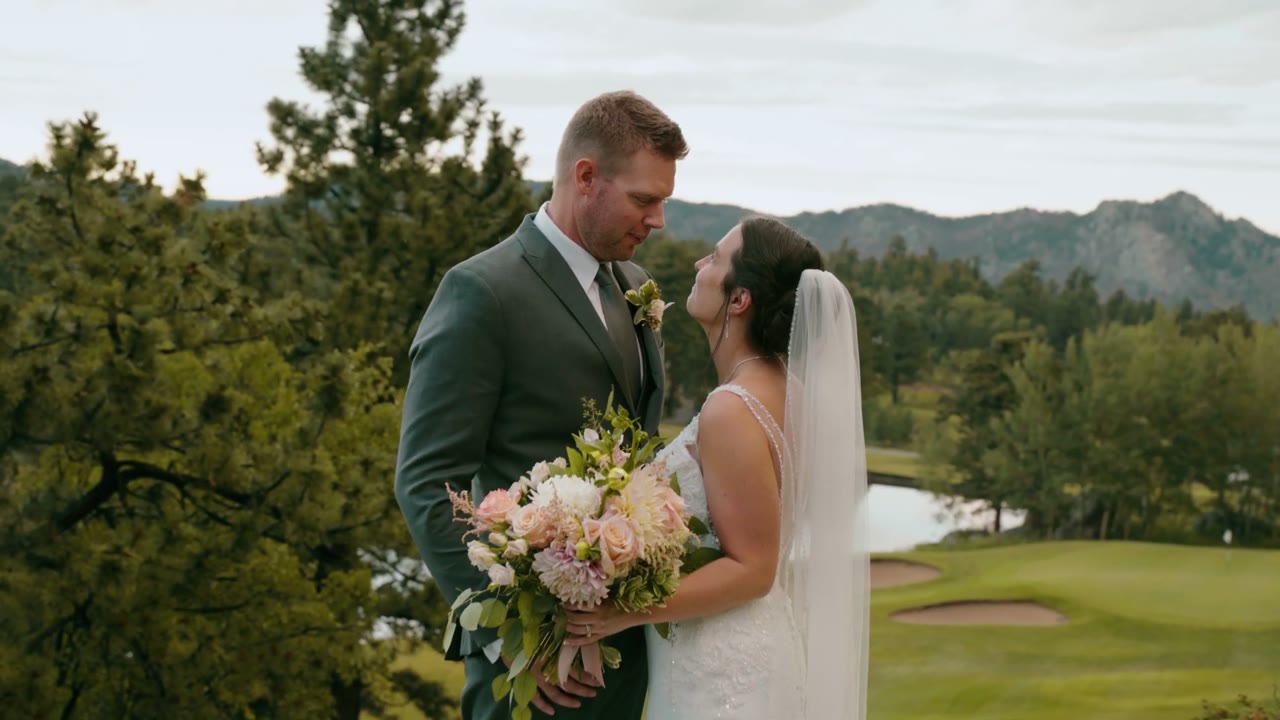
Wedding Videography Explained: Capturing Your Love Story
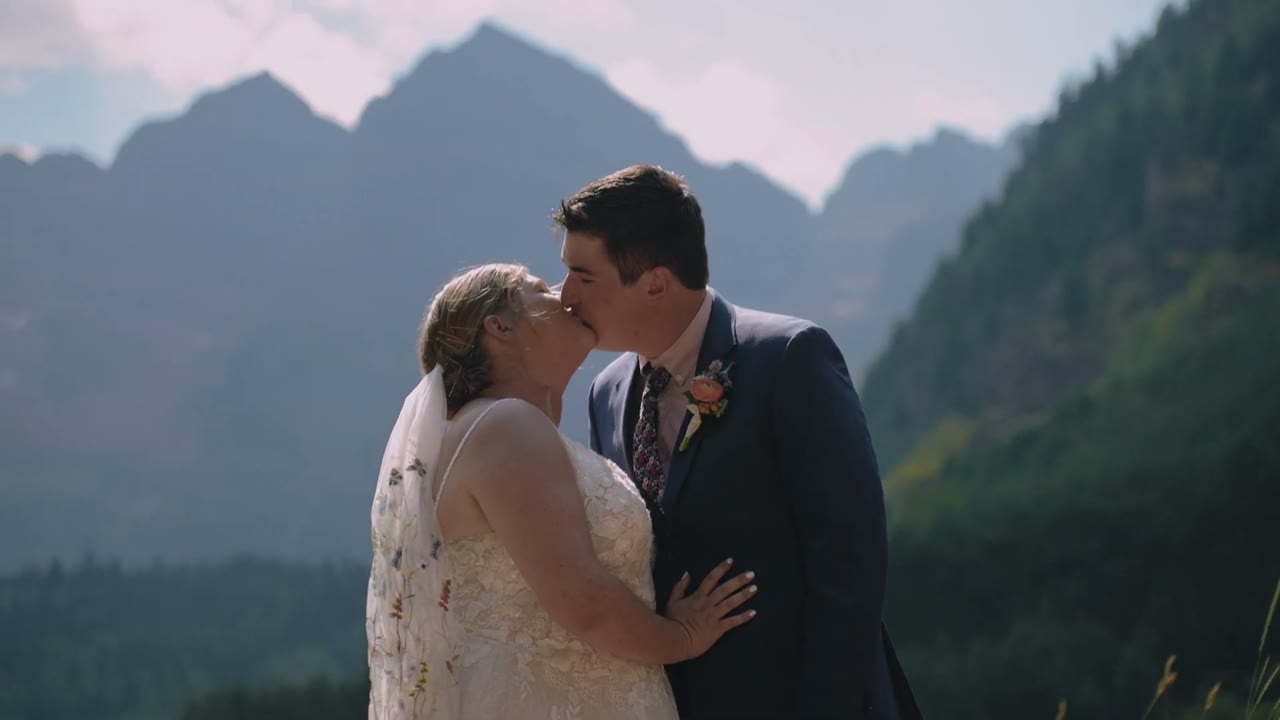
Wedding videography services typically include ceremony coverage, speeches, reception highlights, and a cinematic edit with licensed music. Clarify audio plans, same-day teaser options, and whether you want a short film, longer feature, or both.
Choosing how to relive your wedding day is just as meaningful as the celebration itself. For couples in Florida and Colorado, finding the right videography service means capturing moments that photos alone cannot preserve. With video, you experience the laughter, spoken vows, and real emotions that fill your day. Wedding videography creates a dynamic record of your unique love story, blending sound and motion to keep your memories vibrant for years to come.
Table Of Contents
- Defining Wedding Videography And Its Role
- Types Of Wedding Videography Services
- Key Elements In High-Quality Wedding Videos
- Process Of Filming And Editing Weddings
- Costs, Packages, And Common Pitfalls
Key Takeaways
| Point | Details |
|---|---|
| Understanding Videography’s Value | Wedding videography adds depth to your wedding memories by capturing movement, sound, and emotion that photos cannot. Couples often invest in this service to create a personal narrative of their special day. |
| Types of Videography Services | Couples should explore varied videography options like cinematic films, documentary styles, and highlight reels to find a service that aligns with their vision and story. |
| Quality Matters | High-quality wedding videos depend on technical aspects like audio clarity, multiple camera angles, and professional editing to enhance emotional storytelling. |
| Budget Considerations | Couples should assess videography packages carefully, prioritizing experience and quality over cost to ensure their wedding day is documented beautifully. |
Defining Wedding Videography And Its Role
Wedding videography is far more than just pressing record and hoping for the best. It’s the art and technical craft of capturing your wedding day through dynamic video and audio, creating a living document of your celebration that goes far beyond what still photography alone can accomplish. While a photograph freezes a single moment in time, video captures the emotion, movement, and atmosphere that makes your day truly come alive. Think about it this way: a photo shows you smiling, but video shows you laughing, hearing your partner’s vows with tears, and feeling the energy of your loved ones celebrating around you.
The role of wedding videography in your wedding day documentation is fundamentally different from photography, and that’s exactly what makes it so powerful. Video preserves the spoken words of your vows, the genuine reactions of family members, and the flow of your ceremony and reception in a way that photos simply cannot replicate. Many couples in Colorado and Florida invest significantly in their videography because they understand that motion and sound create an emotional connection that static images don’t achieve. Your videographer acts as a storyteller, weaving together moments, interactions, and emotions into a narrative that captures your unique love story. Whether it’s the nervous laughter before the ceremony, the first kiss celebration, or the spontaneous dancing during your reception, video preserves these moments with their original sound and movement intact.
When you hire a professional wedding videographer, you’re essentially hiring someone trained in multiple skill sets simultaneously. They manage complex camera equipment, understand lighting and composition just like photographers do, but they also make real-time decisions about which moments to follow, how to move through your venue, and how to capture audio clearly amid the noise of celebrations. They understand pacing, storytelling structure, and how to edit footage into a cohesive film that tells your story. This multifaceted role means your videographer needs both technical expertise and creative vision. The investment you make in wedding videography directly impacts the quality and depth of how your day is preserved for years to come, which is why many couples allocate a meaningful portion of their wedding budget to this service.
Understanding the scope of wedding videography also means recognizing what formats and styles exist. Some couples want a traditional highlight reel that captures the best moments in 3-5 minutes, while others prefer a full-day documentary or even a short film with interviews and creative editing. Some couples planning destination weddings have entirely different needs than those celebrating locally in Denver or Miami. Each approach requires different planning, equipment, and editorial choices from your videographer.
Pro tip: When discussing your videography needs with a potential filmmaker, be specific about the moments that matter most to you (vows, first dance, toasts) and ask how they’d capture those before hiring, as this reveals whether their style matches your vision.
Types Of Wedding Videography Services
Wedding videography has evolved far beyond simply recording your ceremony and reception. Today’s couples have access to a diverse range of service styles that cater to different visions, budgets, and storytelling preferences. The videography landscape now includes cinematic storytelling, drone footage, and documentary-style approaches that transform raw footage into personalized films. For engaged couples in Florida and Colorado, understanding these different types helps you choose exactly what resonates with your love story and how you want to relive your day.
The most traditional option remains event coverage videography, which documents your ceremony and reception chronologically as they unfold. This straightforward approach captures everything from the processional through the final dance, giving you a complete record of your day. However, many couples opt for the more creative approach of cinematic wedding films, where your videographer acts as a filmmaker rather than just a camera operator. These films use techniques like color grading, music synchronization, and carefully edited sequences to create an emotional narrative that’s structured like a short movie. Another popular choice is documentary-style videography, which focuses on candid, authentic moments rather than posed shots, capturing genuine reactions and interactions without the couple feeling constantly filmed. If you’re planning a destination wedding or want breathtaking panoramic views of your venue, drone videography adds that aerial perspective that ground-level cameras simply cannot achieve. You’ll also find options for highlight reels, which condense your day into a punchy 3 to 5 minute video perfect for social media sharing, and full-length cinematic films that tell the complete story in 20 to 30 minutes or more.
The modern wedding videography market also includes specialized formats designed for today’s digital world. Social media-ready videos like short-form clips optimized for TikTok or Instagram Reels have become increasingly popular, especially among younger couples who want their wedding story distributed across platforms. Live streaming services allow family members and friends who couldn’t attend to watch the ceremony in real-time, creating inclusivity for those unable to travel. Some videographers now offer retro-influenced Super 8mm film styles that give modern weddings a nostalgic, vintage aesthetic. 360-degree immersive videos represent the cutting edge, letting viewers experience your day from multiple angles simultaneously. Beyond individual styles, videography packages vary significantly in scope and investment. Basic packages typically include single-camera coverage of key events, while elaborate productions might feature multiple cameras positioned throughout your venue, drone operators, dedicated audio technicians, and more extensive post-production editing. The choice between these service types depends on your vision, budget, and what aspects of your day matter most to you.
When evaluating different videography services, consider what format truly speaks to you. Do you want to feel like you’re watching a movie every time you play your wedding video? Are you more interested in authentic, unfiltered moments that capture the real emotions of your day? Do you need videos optimized for social sharing, or are you primarily creating something for personal and family viewing? Cinematic wedding videos represent one approach among many, each with distinct advantages depending on your priorities and story. The videographer you choose should understand not just their technical capabilities, but also which service type aligns with your vision before you hire them.
Here’s a comparison of popular wedding videography service types and what they offer:
Service Type
Typical Length
Unique Feature
Best For
Event Coverage
Full ceremony/reception
Chronological, comprehensive documentation
Couples wanting every moment captured
Cinematic Film
10–30 minutes
Artistic editing & storytelling
Those seeking a movie-like video
Documentary Style
10–20 minutes
Focus on candid, real moments
Couples preferring authenticity over poses
Highlight Reel
3–5 minutes
Short, shareable summary
Social media or quick memories
Drone Videography
Variable
Aerial venue perspectives
Outdoor or scenic venues
Social Media Clip
1 minute or less
Optimized for platforms, vertical video
Sharing online quickly
360-Degree Film
10–20 minutes
Immersive, interactive viewing
Couples wanting cutting-edge experiences
Pro tip: Ask potential videographers to show you samples of each service style they offer, then pick the one that gives you genuine emotion when you watch it, because that’s the approach that will resonate with your memories for years to come.
Key Elements In High-Quality Wedding Videos
Not all wedding videos are created equal. The difference between a video that sits unwatched on a hard drive and one you play repeatedly for years comes down to specific technical and creative elements that separate professional work from amateur footage. High-quality wedding videos share common characteristics that go beyond simply having an expensive camera. Clear audio recording of vows and speeches, multiple camera angles, and professional editing form the foundation of any memorable film, but the best videos also weave in emotional storytelling, intentional music selection, and authentic moments that capture who you actually are as a couple.
Start with the technical fundamentals that make or break a video. High-resolution imagery ensures your video looks crisp and detailed, whether you’re watching it on a television or phone years from now. Professional-grade audio recording matters far more than most couples realize because you want to hear your vows clearly, not struggle through muffled words. Your videographer should capture audio directly from your microphones during the ceremony, not rely solely on the camera’s built-in mic picking up ambient noise. Multiple camera angles allow your videographer to show different perspectives simultaneously, creating visual variety that keeps the video engaging. One camera recording the ceremony from the back is functional but flat, while two or three positioned strategically throughout your venue create dynamic shots that bring moments to life. Color grading is the technical magic that makes wedding footage look polished and cinematic, enhancing skin tones, correcting lighting inconsistencies, and creating a consistent visual mood throughout your film. When you see videos with that beautiful, cohesive look that feels intentional and artistic, color grading is doing much of the heavy lifting.
Beyond the technical side, the creative elements distinguish truly memorable videos. Cinematic filming techniques including creative framing, lighting choices, and narrative structure transform raw footage into a compelling story. Your videographer should understand your relationship and what makes your love story unique, then use that understanding to guide how they frame shots and structure the narrative. Music selection carries enormous emotional weight in wedding videos. The right song can make you cry watching a simple moment of you two laughing together, while the wrong music feels generic or cheapens the emotion. Professional videographers carefully match music to the pacing and mood of footage, often using multiple songs to create different emotional arcs throughout the film. Editing transitions should feel seamless and intentional, not jarring or overdone. Smooth cuts, thoughtful dissolves, and creative transitions help the story flow naturally from moment to moment.
Authentic candid moments form the heart of videos that feel genuine rather than staged. Yes, you want your first kiss and first dance captured beautifully, but you also want genuine reactions during the ceremony, unguarded laughter during toasts, and spontaneous dancing from your guests. Personal touches make your video feel like yours rather than a template that could apply to any couple. This might mean custom graphics with your names, interview clips where you talk about each other, or creative editing choices that reflect your personalities. Some couples in Colorado love dramatic mountain backdrops woven throughout, while Florida couples might showcase their coastal venue and ocean-inspired color palettes. Your videographer should incorporate these personalized elements thoughtfully. Ask potential videographers how they approach understanding your unique story before filming even begins, because couples who feel truly understood by their videographer end up with films that capture their essence rather than just document their event.
Pro tip: During your consultation, ask your videographer to explain exactly how they capture audio, what their editing process looks like, and show you examples of their color grading style, because these three elements matter more than fancy camera equipment in determining whether your final video will feel polished and professional.
Process Of Filming And Editing Weddings
Wedding videography isn’t something that magically happens on your wedding day and then appears polished on a screen weeks later. Behind every professional wedding video sits a structured three-phase process that begins long before your ceremony and extends well after your last dance. Understanding how videographers approach their work helps you appreciate what goes into your final film and sets realistic expectations about timelines and deliverables. Preproduction planning, on-site production, and post-production editing work together to transform raw footage into the emotional story you’ll treasure for decades.
The preproduction phase is where your videographer gets to know you and develops their game plan. This starts with a detailed consultation where they learn your timeline, your must-capture moments, your music preferences, and your personalities. A professional videographer will ask questions about your venue layout, lighting conditions, ceremony logistics, and the flow of your day. They’ll create a shot list and potentially storyboard key moments, planning exactly where cameras will be positioned for your ceremony, first dance, and other pivotal shots. This planning is crucial because you can’t recapture a missed moment, so experienced videographers think through contingencies and backup plans. They’ll also discuss your edit style preferences, color grading aesthetic, and whether you want a cinematic film, documentary approach, or highlight reel. For couples in Colorado planning mountain ceremonies or Florida beach weddings, venue-specific planning becomes even more important because lighting, audio challenges, and logistical constraints vary dramatically.
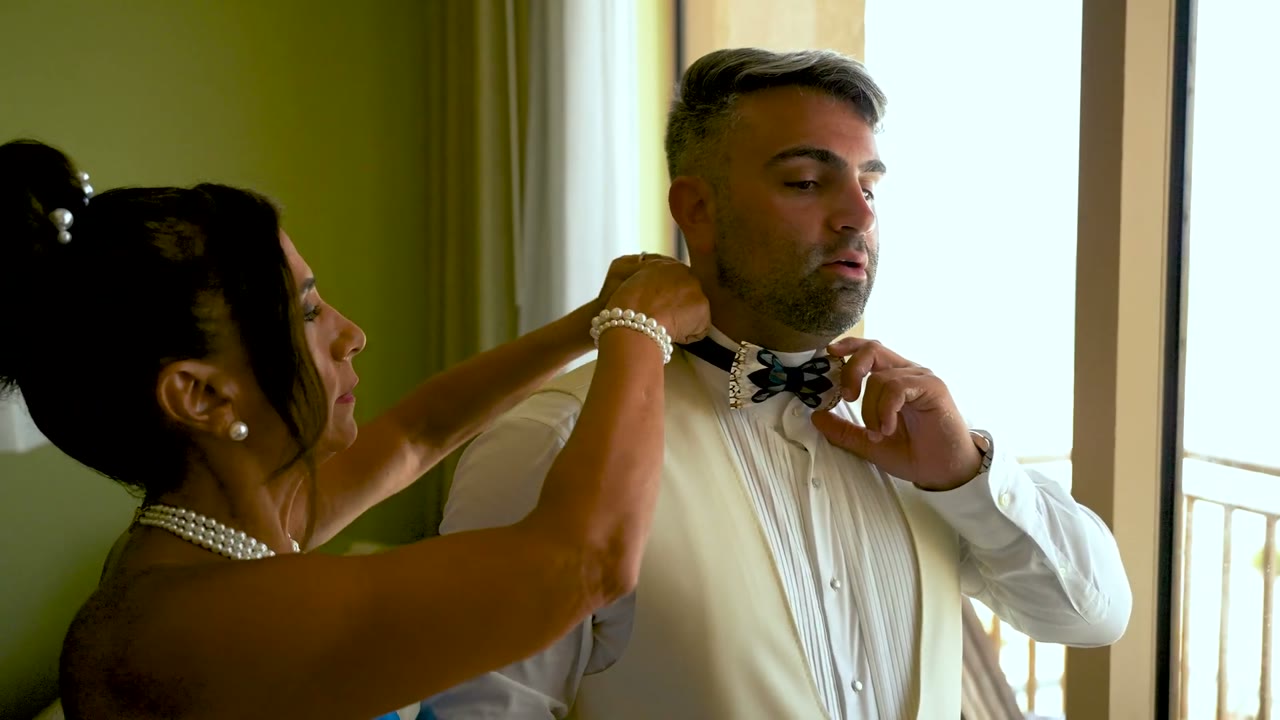
On your actual wedding day, the production phase kicks into high gear. Your videographer employs multiple camera angles, slow motion techniques, and clean audio capture to create the raw material for your final film. Multiple cameras positioned throughout your venue capture your ceremony from different perspectives simultaneously, allowing the editor later to cut between angles and create visual interest. Your videographer moves thoughtfully through your day, anticipating moments before they happen rather than reacting after. They’re capturing not just the major events, but the candid interactions between you and your partner, genuine reactions from your loved ones, and those in-between moments that make your day feel real. Professional-grade audio recording ensures your vows are crystal clear, not buried under ambient noise. If you’re using a microphone during your ceremony, your videographer should be capturing that audio feed directly. Throughout the day, they’re also mentally organizing footage, identifying the best moments, and thinking about how these pieces will fit together in the final story.
The post-production phase is where the real storytelling magic happens, and it’s often where couples underestimate the time and skill required. Your raw footage might total 20 to 50 hours of video, but your final film might be 5 to 30 minutes. That’s a massive amount of cutting, organizing, and deciding what stays and what goes. Professional editing creates smooth, intentional transitions that guide you through your story. Color grading ensures consistency across different lighting conditions and camera settings, giving your film that polished, cohesive look. Sound mixing balances dialogue, music, and ambient sound so nothing overwhelms the others. Your videographer adds graphics, text overlays, or title sequences that personalize your film. The entire post-production process typically takes 4 to 8 weeks or more, depending on the scope and complexity of your project. This is why professional videographers don’t deliver videos weeks after your wedding, they’re meticulously crafting a film that tells your unique story with technical precision and emotional depth.
Pro tip: When booking your videographer, ask specifically what your post-production timeline looks like and what the delivery includes, because a rushed edit shows, while a thoughtfully crafted film that took weeks to perfect will look and feel completely different when you finally watch it.
Costs, Packages, And Common Pitfalls
Wedding videography pricing can feel bewildering when you’re shopping around. One videographer quotes $1,500 while another charges $6,000, and you’re left wondering what explains the massive difference. The truth is that wedding videography costs vary significantly based on location, videographer experience, hours of coverage, and technology used, with national averages typically ranging from $3,200 to $4,800 for full-day coverage. Most couples allocate roughly 8 percent of their total wedding budget to videography, though this percentage shifts based on how much you prioritize video versus photography. For engaged couples in Florida and Colorado, local market rates also play a role since destination areas and major metropolitan regions often command higher rates than smaller towns. Understanding what you’re actually paying for helps you make smarter decisions and avoid common mistakes that leave couples disappointed or overextended financially.
Understanding Package Options
Most videographers offer tiered packages designed to fit different budgets and needs. A basic package typically includes 4 to 6 hours of coverage with a single videographer, resulting in a highlight reel that runs 3 to 5 minutes. This option works well for couples prioritizing ceremony and reception highlights without extensive footage. A mid-range package usually features 8 to 10 hours of coverage with two videographers, delivering both a highlight reel and a longer cinematic film running 15 to 20 minutes. This is the sweet spot for most couples because it captures your full day while keeping costs reasonable. Premium packages offer all-day coverage starting from venue preparation through the end of your reception, often with drone footage, multiple camera angles, and extensive editing. Some videographers also offer à la carte add-ons like same-day edits (a quick video shown at your reception), drone footage, additional edit versions, or social media clips. The cheapest option isn’t always the best value. A videographer charging $350 per hour might deliver superior work compared to someone charging $250 per hour because experience, equipment quality, and editing skill vary tremendously. When comparing packages, look at actual sample videos, not just price tags.
Below is a summary of standard wedding videography package features and how they differ:
Package Level
Hours Covered
Coverage Approach
Final Deliverables
Basic
4–6 hours
Single videographer, main events
Brief highlight film
Mid-Range
8–10 hours
Two videographers, extended coverage
Highlight + short film
Premium
All day
Multiple cameras, drone, extras
Highlight, long film, add-ons
Common Pitfalls To Avoid
One major mistake couples make is booking based purely on price without evaluating the videographer’s actual work. A lower rate might mean less experience, older equipment, rushed editing, or a videographer juggling multiple weddings weekly without enough time for quality post-production. Another pitfall is underestimating how much editing time your project requires. If a videographer promises delivery in two weeks, question whether that’s realistic given the footage volume. Couples often discover too late that they didn’t specify what’s included in their package, leading to surprise fees for raw footage, additional edit versions, or drone add-ons they assumed were covered. Not discussing backup plans is another costly mistake. What happens if your videographer gets sick on your wedding day? Do they have a backup? What if your main camera fails? Professional videographers have contingencies, while inexperienced ones might panic. Failing to communicate your vision clearly also leads to disappointment. If you want a cinematic film but your videographer delivers a documentary style, no amount of post-production fixes that fundamental mismatch. Additionally, couples sometimes forget to discuss music licensing. Professional videographers handle this, but you want confirmation they’re using properly licensed music rather than copyright-infringing tracks that could get your video removed from social media.
Making Smart Financial Decisions
Start by determining your actual budget rather than shopping prices first. If videography matters significantly to you, allocate accordingly and book a professional within that range rather than compromising on someone cheaper who might disappoint you. Consider bundling photography and videography with the same company, as many offer package discounts that reduce overall costs. Ask whether your videographer provides raw footage at no extra charge, since some couples want this for archival purposes or future edits. Clarify exactly what your investment covers: how many hours, how many final edit versions, what format files you receive, and what happens to footage after delivery. Discuss payment terms upfront. Most videographers require a deposit to secure your date, with remaining balance due before the wedding. Understand cancellation policies so you know where you stand if circumstances change. If you’re on a tight budget, prioritize ceremony and reception coverage over additional services like drone footage or same-day edits. These enhancements are nice but not essential for capturing your story.
Pro tip: Ask your videographer for references from couples who got married in similar venues or weather conditions to yours, then actually contact them and ask whether they’d hire that videographer again, because real feedback from recent couples reveals far more than any website portfolio.
Preserve Your Wedding Story With Expert Videography That Speaks To Your Heart
Capturing your wedding day emotions and memories with clarity and artistry is essential to relive those moments forever. Many couples struggle to find a videographer who blends technical expertise, cinematic storytelling, and authentic emotion, just as this article describes. If you want your vows, laughter, and joyful celebrations preserved with crystal clear audio, dynamic multi-angle filming, and thoughtful editing that matches your unique style and vision, look no further.
At Candid Studios, we specialize in wedding videography that goes beyond simple event coverage. Our award-winning team combines proprietary curated editing with AI-enhanced techniques to deliver breathtaking cinematic films, heartfelt documentary styles, or vibrant highlight reels tailored to your preferences. Whether you are planning a destination wedding in Colorado or Florida or a local celebration, our flexible packages beginning at $425/hr include raw footage at no extra charge and expert consultations to perfectly plan every detail.
Ready to transform your wedding day into a timeless film you will cherish for decades? Discover how our comprehensive wedding videography solutions match your vision flawlessly. Visit our homepage now to explore packages, view client testimonials, and schedule your personalized consultation today. Don’t miss the chance to capture your love story with the care it deserves.
Frequently Asked Questions
What is wedding videography?
Wedding videography is the art and technical craft of capturing a wedding day through video and audio, creating a dynamic record that captures the motion, emotion, and atmosphere of the event.
What types of wedding videography services are available?
Common types of wedding videography include event coverage, cinematic films, documentary-style videos, highlight reels, drone videography, social media clips, and 360-degree films, each catering to different storytelling preferences and budgets.
How long does the editing process for a wedding video take?
The post-production editing process typically takes 4 to 8 weeks or more, as professional videographers meticulously craft the final film to tell your unique story with technical precision and emotional depth.
What are key elements of a high-quality wedding video?
High-quality wedding videos feature clear audio recording, high-resolution imagery, multiple camera angles, professional editing, appropriate music selection, and authentic candid moments that reflect the couple’s personality and relationship.
Recommended
- Capturing The Magic of Rustic Wedding Photography Charm | Candid Studios
- Best Destination Wedding Videography Trends And Tips | Candid Studios
- Denver Colorado Wedding Photographer and Videographer | Candid Studios
- Top Skilled Wedding Videographers For Wedding Videography | Candid Studios
- How To Capture Your Love Story- Engaging With Algarve’s Top Engagement Photographers
FAQ
What Is Included In Wedding Videography Packages?
Coverage hours, multi-camera options, audio for vows and speeches, and an edited highlight film. Raw footage is often an add-on.
How Long Does Wedding Video Editing Take?
Often 4–8+ weeks depending on season and package. Confirm teaser and final delivery dates in writing.
What Makes High-Quality Wedding Videography?
Clean audio, multi-angle coverage, professional color, licensed music, and a clear story arc, not just pretty b-roll.