Editorial Style Photography: Cinematic Storytelling
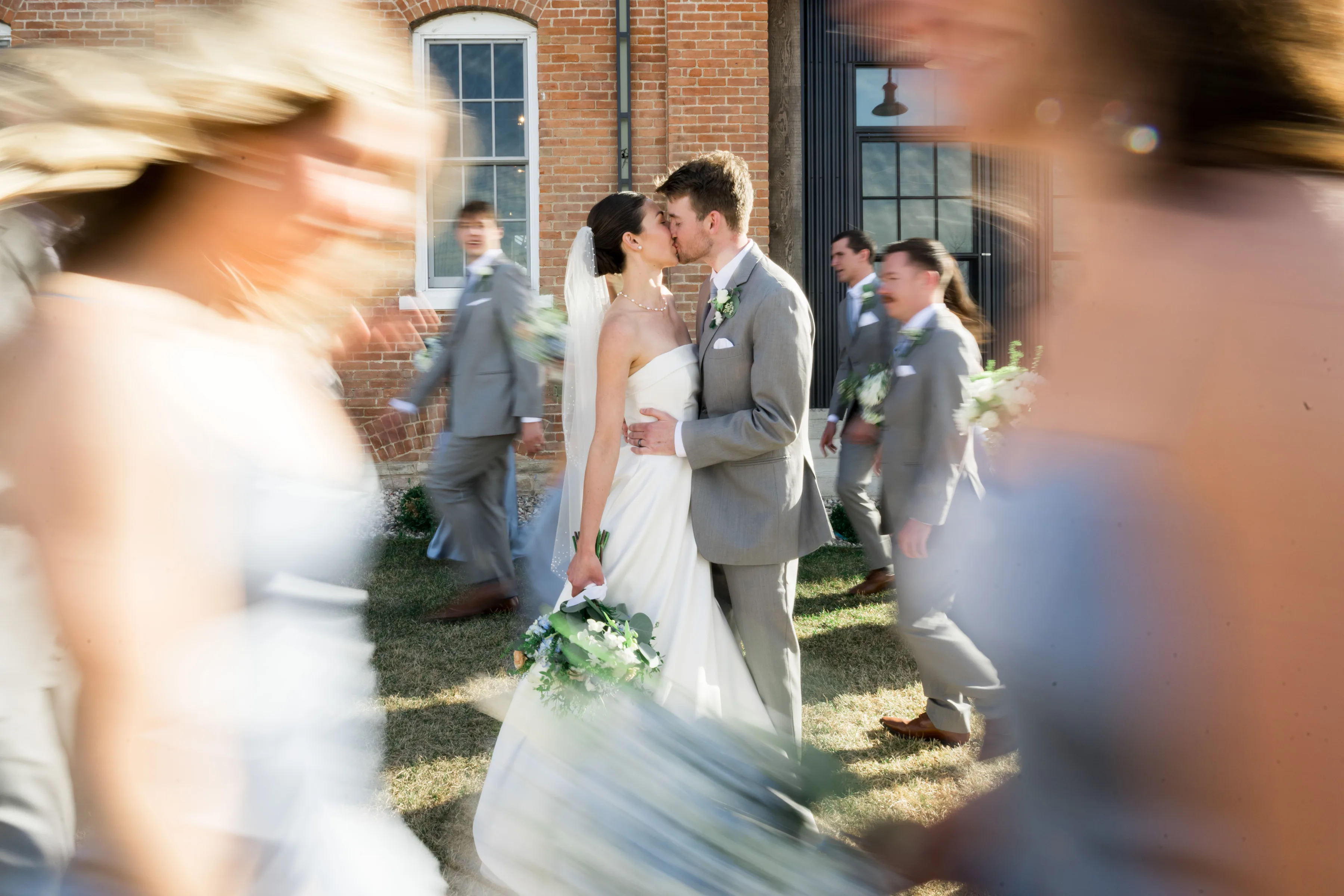
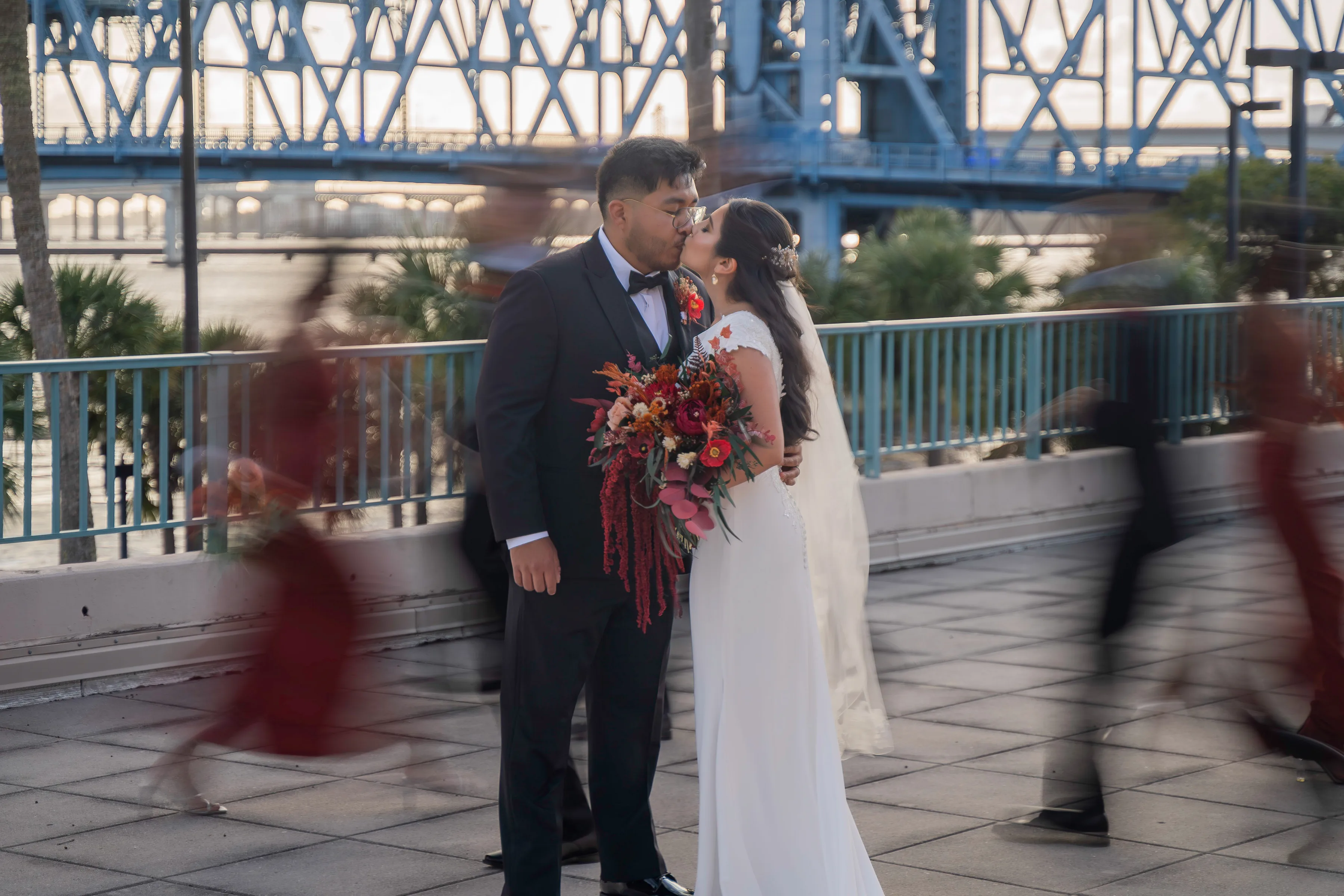
Editorial style photography is all about telling a story with images. It’s a way of capturing genuine moments and moods within a carefully curated environment, making your photos feel like they were pulled straight from the pages of a high-end magazine.
The Heart Of Visual Storytelling
At its core, editorial photography goes way beyond just documenting a person or an event. Think of it like a single, powerful frame from a movie, it hints at a much bigger story.
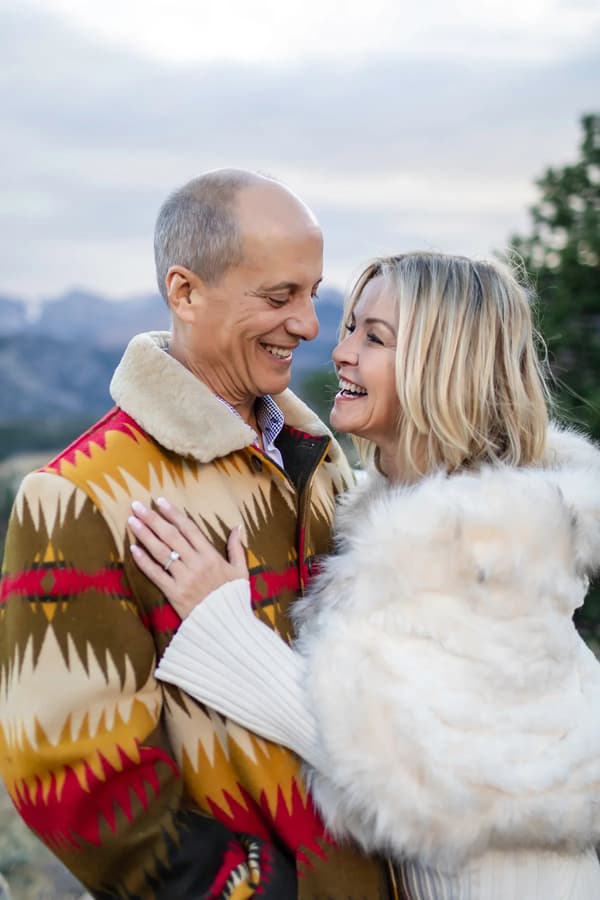
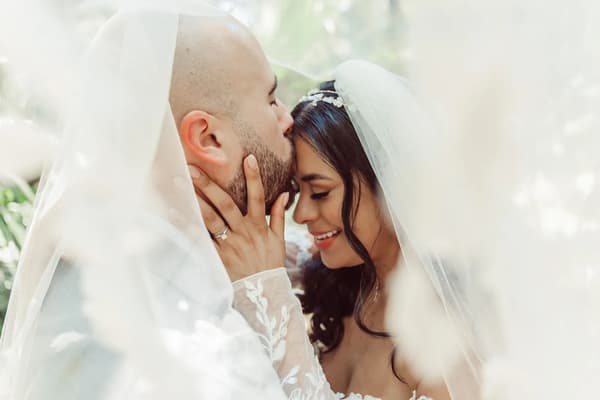
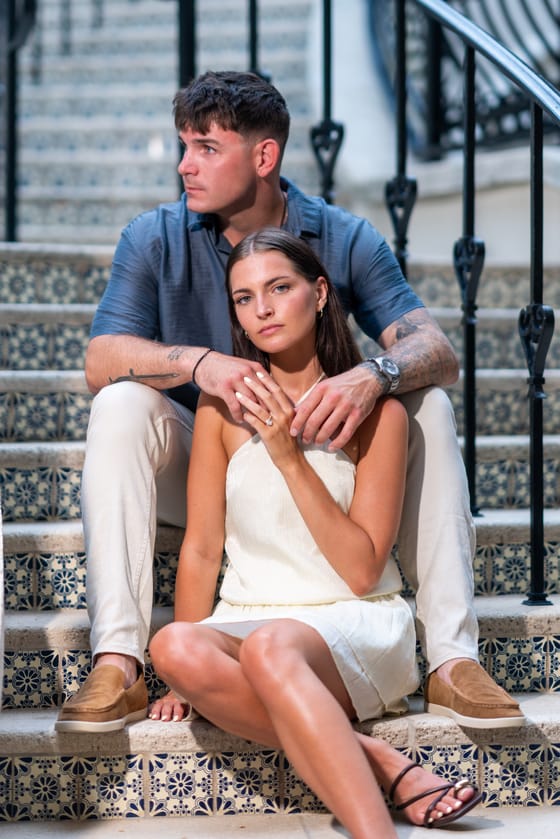
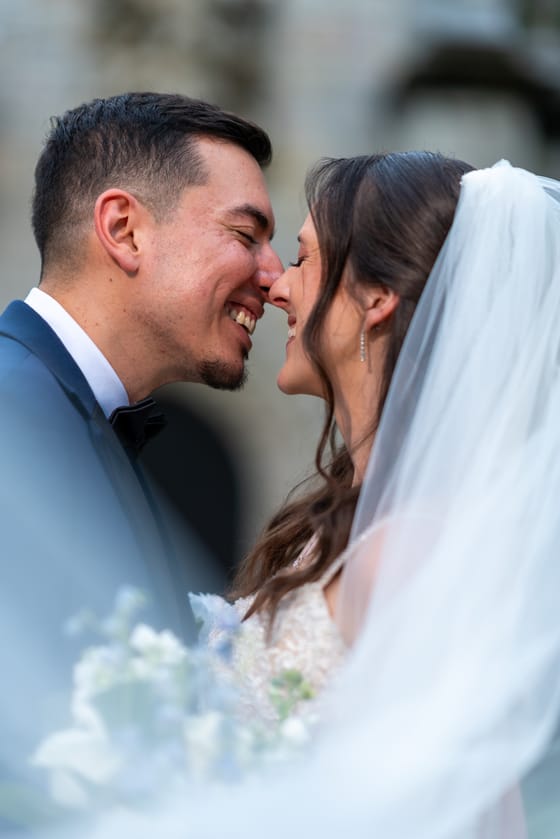
Instead of a standard portrait where someone just smiles at the camera, an editorial shot might capture the quiet, reflective moment before a bride walks down the aisle. It could be the shared, unscripted laughter between family members or the intense focus of an artist lost in their work.
The goal here is to create a feeling, not just an image. This style is built on mood, context, and authenticity to forge a real connection with anyone who sees it. It’s the difference between a picture of you and a picture that tells a story about you. This is what can transform a wedding album or a portrait session from a simple collection of photos into a cinematic narrative you can feel.
More Than Just A Pretty Picture
This dedication to narrative is what truly sets editorial work apart. Commercial photography is designed to sell a product, but editorial images are crafted to support a story.
This distinction is crucial. Editorial images are meant to appear alongside text in magazines, blogs, and other publications. They’re there to pull the reader in and visually communicate a specific theme or idea, adding depth and emotion to the written word.
Key Characteristics Of The Editorial Style
So, what are the ingredients that give an image that "editorial" feel? It usually comes down to a few key elements working in harmony:
- Authentic Emotion: The focus is on capturing genuine expressions and real interactions, not stiff, overly-posed shots.
- Environmental Context: The location and surroundings aren't just a backdrop; they’re an essential part of the story, helping to set the mood.
- Narrative Flow: Each image feels connected to the next, building a visual story with a clear beginning, middle, and end.
- Intentional Imperfection: This style often embraces those candid, "in-between" moments that feel wonderfully real and unscripted.
While it has things in common with other approaches, it’s a style all its own. To see how it differs from a similar but more unscripted style, check out our guide on what is lifestyle photography.
To really get the hang of it, it's worth exploring ideas like the concept of editorial restraint in modeling. This subtle, less-is-more approach is what gives editorial images their signature sophistication and timeless appeal.
The Defining Elements Of An Editorial Photo
So, what really makes an image feel "editorial"? It's not just one thing. It's a thoughtful blend of storytelling, genuine emotion, and deliberate styling that all work together. Think of it less as a checklist and more as an art form where each component plays a part in turning a simple picture into a piece of a much larger, more cinematic story.
These elements are the building blocks of emotion and connection. They're what separate a quick snapshot from a carefully crafted, narrative-driven image.
The Power Of Authentic Storytelling
At its very core, editorial photography is about telling a story. The goal isn't just to show what someone looks like, but to offer a glimpse into who they are. This means we move beyond the stiff, "say cheese" poses and hunt for those unscripted, in-between moments that feel real and alive. It's the quiet glance, the spontaneous laugh, or the thoughtful expression that speaks volumes.
An editorial photographer often acts more like a film director than a traditional portrait taker. We create an environment where authentic moments can unfold naturally. Instead of rigid commands, we might offer gentle prompts, "Walk toward the window and tell me about your morning", to help you relax and just be yourself. It’s this approach that lets your true personality shine through.
For example, a magazine feature on a local artisan wouldn't just be a picture of them smiling at a desk. An editorial shot would capture them in their element, covered in sawdust, deeply focused on their craft, or sharing a laugh with a client. It’s about conveying the energy and reality of their world.
Shaping Emotion With Light And Composition
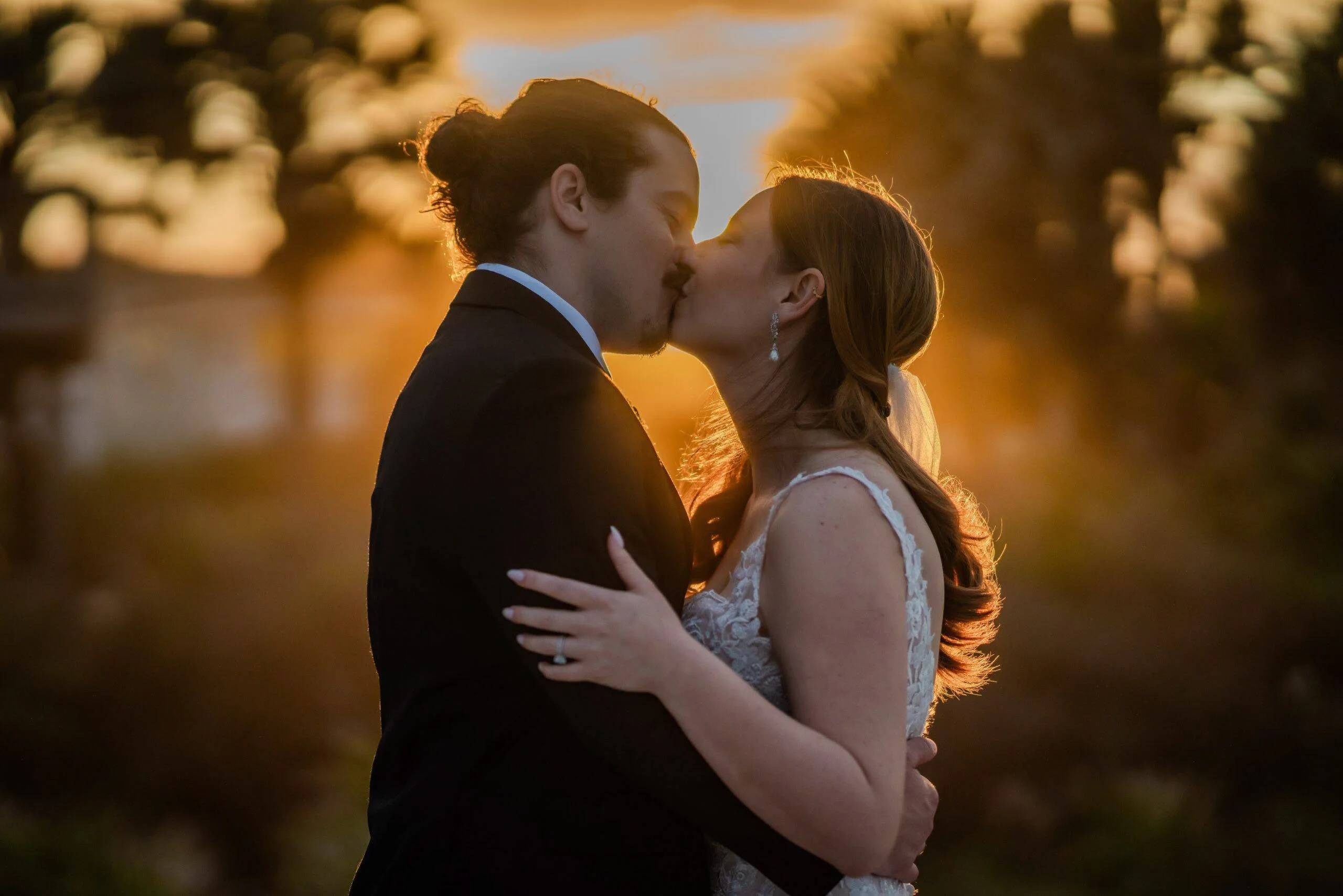
In photography, light is everything. It's the paintbrush we use to sculpt the entire mood of a scene. In the editorial style, we gravitate toward natural or motivated light sources, like the soft, diffused light from a large window or the warm, golden glow of a sunset. This creates a scene that feels both believable and emotionally resonant. The way light falls across a subject can instantly make a moment feel intimate, dramatic, or full of joy.
Composition is just as critical. Instead of just sticking the subject in the middle of every frame, we use artistic principles like the rule of thirds, leading lines, and negative space to guide your eye through the image. This makes for a more dynamic and interesting photo, one that invites you to linger and explore the entire scene.
An editorial image is composed not just to be seen, but to be felt. The arrangement of elements within the frame, the light, the setting, the subject's posture, all work in concert to evoke a specific emotional response from the viewer.
This diagram breaks down the core pillars of the editorial approach, showing how every piece is connected.
As you can see, the narrative, authenticity, and context all overlap to form the foundation of truly powerful editorial work.
Curated Styling For A Cohesive Narrative
In an editorial photograph, no detail is left to chance, and that absolutely includes the styling. The wardrobe, hair, makeup, props, and even the choice of location are all carefully considered to support the story we're trying to tell. The styling is never an accident; it's a deliberate tool used to build a visual narrative that feels cohesive and compelling.
Here's how these pieces fit together:
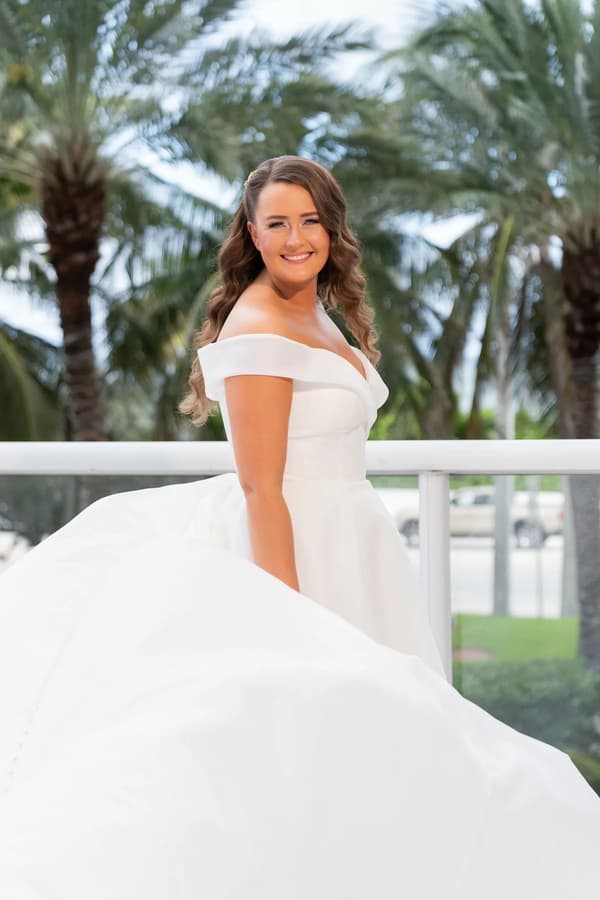
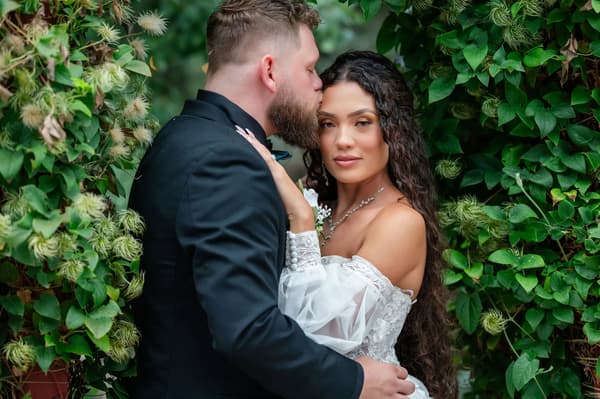
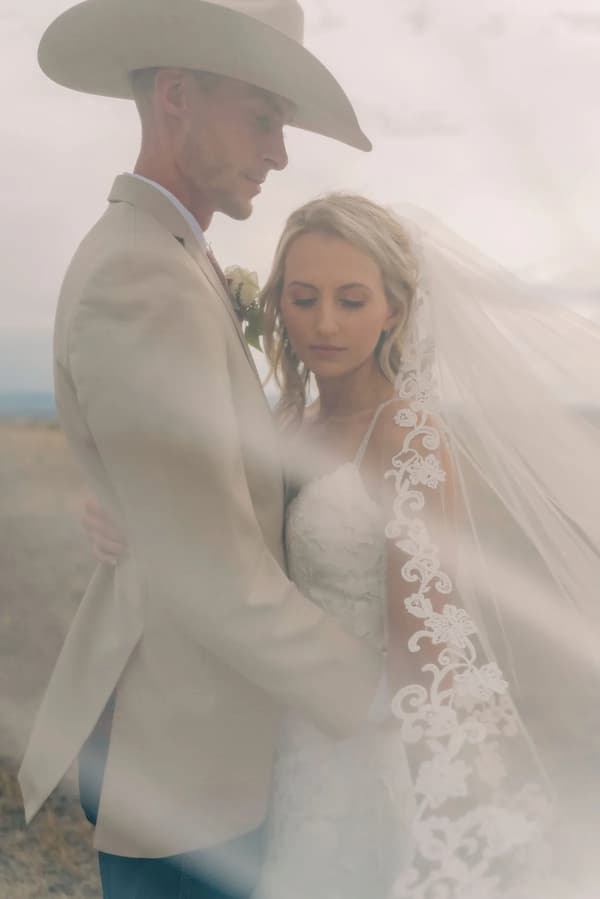
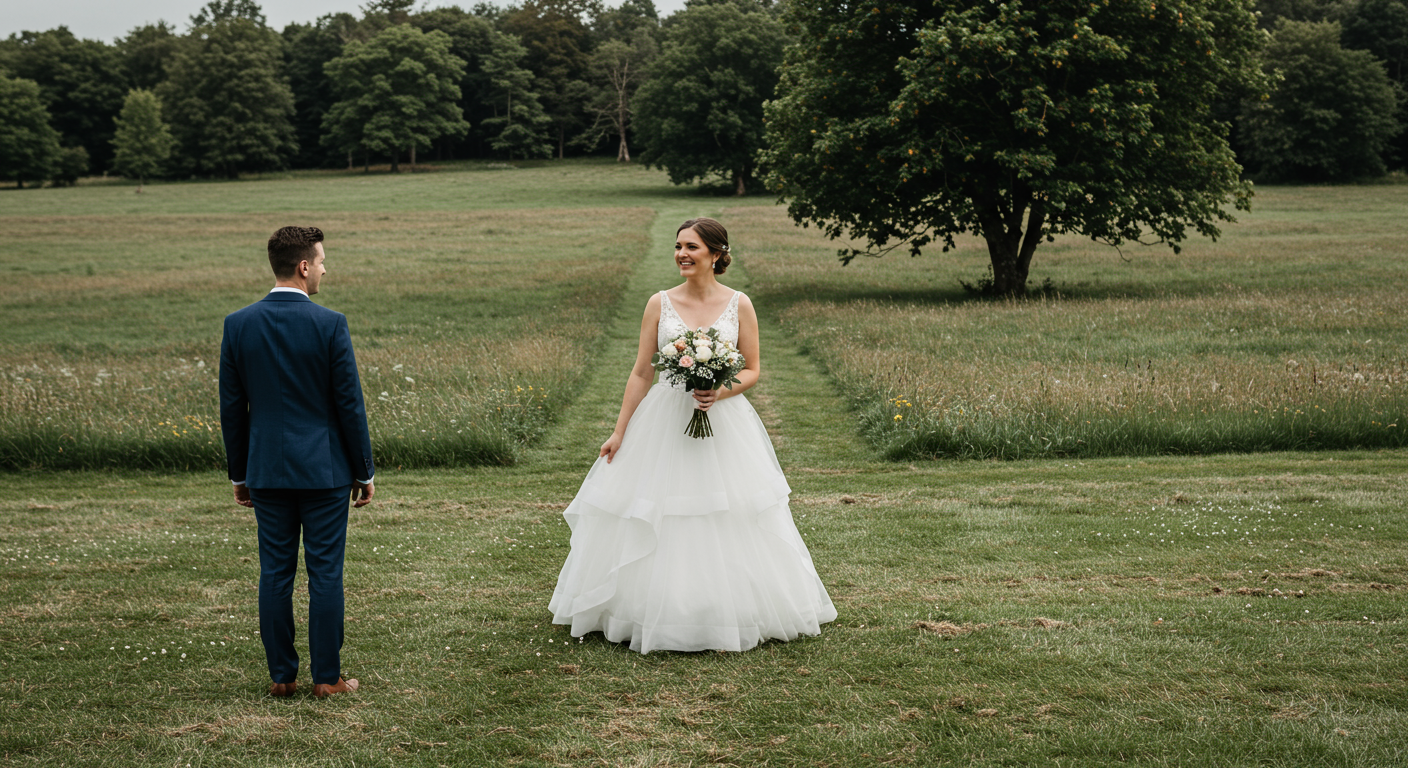
- Wardrobe: Outfits are chosen to reflect the subject’s personality and the overall mood. A flowing dress in a windswept field creates a romantic, free-spirited vibe, while a sharp, tailored suit in a bustling cityscape suggests power and ambition.
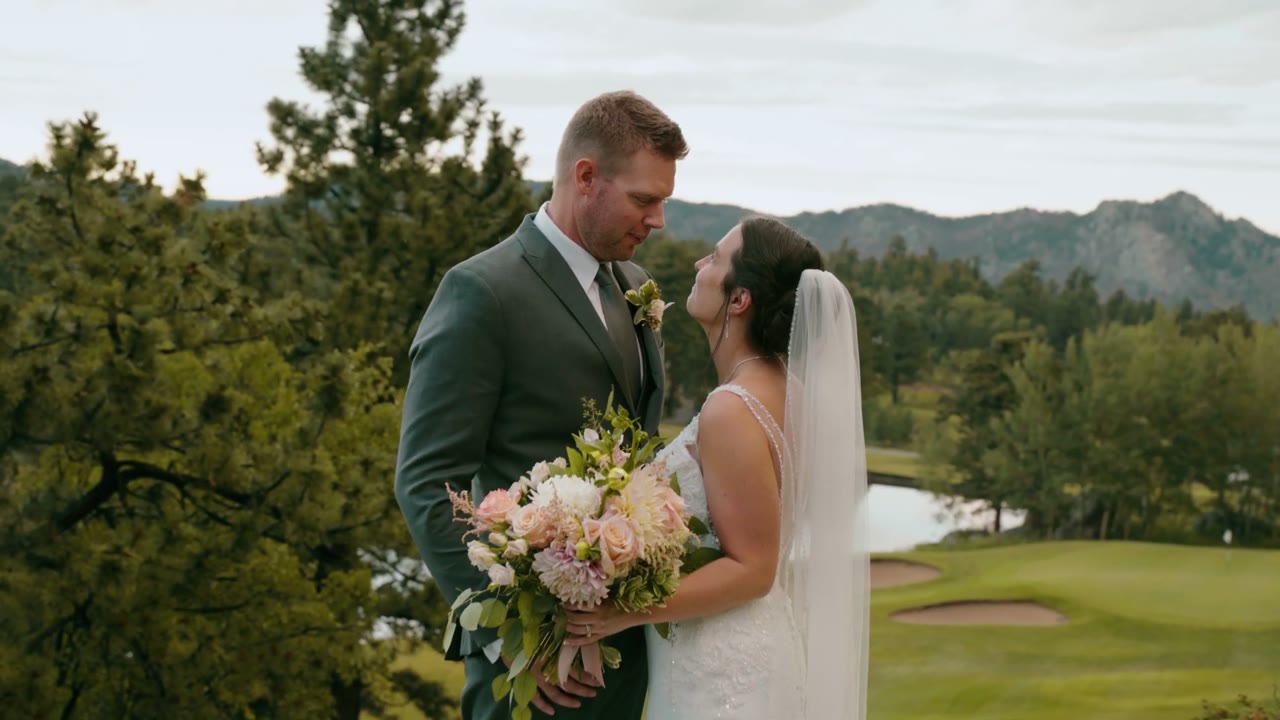
- Location: The setting is far more than just a pretty backdrop; it's practically a character in the story. Choosing a couple’s favorite coffee shop or the architecturally stunning venue where they’ll get married adds layers of personal meaning and context.
- Props: Even small items included in the frame are chosen to add detail and personality. A vintage car, a bouquet of wildflowers, or a stack of well-loved books can all say something important about the subject.
This level of thoughtful curation ensures every single element is working together. It strengthens the story and creates a gallery of images that feel deeply connected and artfully composed. The final result is a collection that is both beautiful and personal, much like what you'll find in our gallery of cinematic wedding photography photos. This is what gives the editorial style its timeless power.
Bringing An Editorial Vision To Life
So, how does a simple idea blossom into a gallery of stunning editorial images? It’s a journey, really, a creative partnership that transforms a concept into a visual story where every single detail is deliberate. Let’s pull back the curtain and see how we move from that first spark of an idea to a collection of timeless photos.
It all starts with a conversation, not a camera. The initial consultation is the bedrock of the entire shoot. This is where I get to listen to your story, understand your personality, and really dig into the mood and feeling you want your photos to capture. It’s the time to share your inspirations, what makes you tick, and what you’re dreaming of for the final images.
This first step is all about building a genuine connection and a shared vision. We want to get past generic concepts and pinpoint what makes your story unique, ensuring the final gallery feels like you.
The Blueprint For A Beautiful Story
With that core vision locked in, we move into the nitty-gritty planning phase. This is where we translate those abstract feelings and ideas into a concrete, actionable plan for the shoot. Think of it as creating the architectural blueprint for our story, making sure every element perfectly supports the narrative.
This detailed preparation usually breaks down into a few key steps:
- Creating Mood Boards: We'll build a visual collage of images, textures, color palettes, and even words that nail down the aesthetic we're after. This becomes our North Star, keeping everyone, from me to you to any stylists, on the exact same page.
- Scouting Meaningful Locations: In editorial work, the setting is practically a character in its own right. We choose a location not just because it's pretty, but because it amplifies the story. It might be a spot that holds special meaning for you or one that just flawlessly matches the vibe of our mood board.
- Guiding Wardrobe Choices: Styling is everything. We’ll carefully select outfits that complement the setting and, most importantly, reflect who you are. I’ll provide guidance to make sure the wardrobe feels authentic and adds to that cinematic quality we're aiming for.
This meticulous prep work is what truly elevates the final images. If you want to get a closer look at this process, our guide on how to plan a photo shoot is packed with helpful insights.
Cultivating A Relaxed On-Set Atmosphere
When shoot day arrives, all the planning pays off and the focus shifts to pure creation. My number one job is to foster a relaxed, comfortable environment where real emotions can come to the surface. An editorial shoot should never feel like a stiff, formal event; it should feel like a fun, collaborative experience.
I see my role as a gentle director, offering prompts and encouragement instead of barking out rigid posing commands. This approach helps you feel completely at ease, which lets your true personality shine. Rather than saying "okay, now smile," I'm more likely to start a conversation or suggest a small activity that brings out a natural reaction.
The real magic of an editorial session happens when you forget the camera is even there. Those unscripted, in-between moments are where the most powerful and emotive images are born.
Building that trust and creative freedom is key. It opens the door for spontaneity and ensures your photos are brimming with life, capturing the true essence of who you are. The result isn’t just a gallery of pictures; it’s a rich, compelling story told through images.
Why Choose An Editorial Approach For Your Photos
Deciding on a photography style is about more than just what looks good. It's about choosing the feeling you want to remember when you look back on your most important moments. When you opt for an editorial approach, you're investing in photos that are not only beautiful but also deeply emotional and timeless. It's a choice to capture the entire atmosphere, not just the event itself.
Editorial images don't just show you what happened; they make you feel it. They catch the unspoken glances, the subtle shifts in emotion, and the authentic energy of a moment. Instead of a series of stiff poses, you get a visual story that unfolds from beginning to end.
Go Beyond The Standard Snapshot
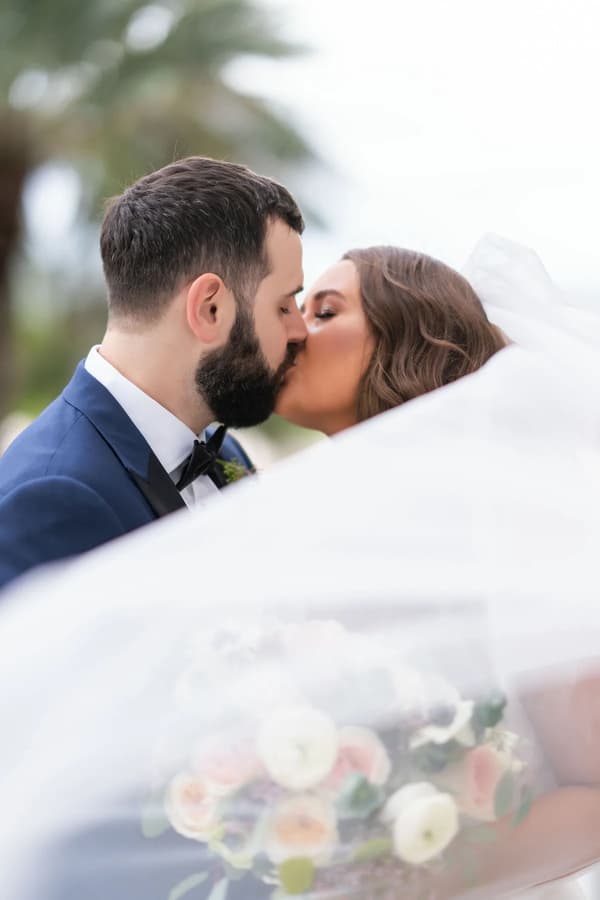
This is where the real magic of editorial photography comes in. It’s about creating a magazine-worthy collection of images that feel deeply personal, artistic, and entirely you. For a couple on their wedding day, this means an album filled with cinematic shots telling the story of their love, the nervous excitement getting ready, the joyful tears during the vows, and the quiet, intimate glances that no one else saw.
For a brand, this approach builds a real emotional bridge to your audience. You're not just getting a generic product shot. You're getting a visual story that embodies your brand's personality and values, which is far more memorable and powerful.
Choosing an editorial style is choosing to see your story as a work of art. It’s about creating a legacy of images that will feel just as powerful and relevant decades from now as they do today.
This commitment to storytelling is precisely what gives the style its lasting appeal. It’s a conscious step away from passing trends and a move toward something classic and meaningful.
Elevate Your Story With Artistic Depth
An editorial photoshoot results in a cohesive and thoughtfully curated gallery where every single image belongs. This isn't just a random collection of good pictures; it's a carefully constructed narrative meant to be experienced as a whole. The photographer is thinking about everything, the light, the composition, the styling, the location, to make sure each shot builds on the last and contributes to the overarching story.
This approach brings some powerful benefits to the table:
- Emotional Resonance: By focusing on authentic moments, your photos will be filled with genuine feeling. That creates a much deeper connection for you and anyone else who sees them.
- Timeless Quality: Editorial images have a classic, cinematic feel. By sidestepping overly trendy poses and editing fads, they won't look dated in a few years.
- A Complete Narrative: You get more than just portraits. You receive a collection that documents all the small, in-between moments that truly make your story whole.
The demand for this kind of depth isn't going anywhere. As the media landscape has shifted, the market for this style has become more competitive, but its value has only gone up. Even with tighter budgets, publications still commission editorial work because they know these are the images that truly boost reader engagement. You can get a better sense of how the industry has adapted by exploring the current state of editorial photography.
A Lasting And Meaningful Investment
Ultimately, choosing an editorial approach means you value artistry and narrative just as much as the moment itself. It’s for those who want their photos to be more than a simple record. They want a true reflection of their unique story, captured with intention, creativity, and soul. What you get in the end is a gallery that is both profoundly personal and exceptionally beautiful.
Preparing For Your Editorial Photoshoot
A truly great editorial shoot doesn’t just happen. It’s a carefully orchestrated dance between vision and execution, where both the client and photographer play a crucial role. Think of preparation as the secret ingredient, it's what elevates a session from just "good" to something truly unforgettable.
When everyone is on the same page, every detail, from the location to the last ray of light, works together to tell a story. This isn't just about showing up with a camera or a nice outfit; it's about creating a space where real, authentic moments can unfold. For clients, that means bringing your personality to the table. For photographers, it's about having the right gear and the right mindset to capture that personality.
A Checklist For Clients
Feeling prepared is the key to feeling comfortable, and comfort is where genuine expressions live. Use this as your guide to getting ready so you can walk into your shoot feeling confident and ready to have fun.
-
Choose a Meaningful Location: The setting is so much more than a pretty background; it’s a character in your story. Think about places that mean something to you. It could be the coffee shop where you had your first date, your favorite hiking trail, or even the cozy, lived-in corners of your own home. A personal spot instantly adds a layer of authenticity.
-
Select Outfits that Tell a Story: Your wardrobe should help tell the story, not steal the show. Pick clothing that feels like you and fits the vibe we’re going for. I always suggest focusing on a cohesive color palette and timeless styles over loud patterns or big logos that can feel distracting.
-
Gather Personal Props: Props are fantastic for adding personality and context. This could be anything! For an engagement shoot, maybe it's a vintage car and a bouquet of wildflowers. For a personal branding session, it might be a stack of your favorite books. These little details make the story so much richer.
For a deeper dive, check out our complete guide on how to prepare for a photoshoot, which is packed with even more tips to get you ready for the big day.
Adopting The Right Mindset
Your mindset is every bit as important as your outfit. An editorial shoot is a creative partnership, and the best work always comes from a place of trust.
The most beautiful images often emerge from the "in-between" moments, the unscripted laughs, the quiet glances, and the spontaneous interactions. Trusting your photographer and embracing the process allows these moments to happen naturally.
My best advice? Relax, be present, and trust my direction. I’m here to guide you, not to stick you in stiff, uncomfortable poses. The goal is to create an atmosphere where you can just be yourself. That’s when we’ll capture the genuine emotion that makes your story so compelling.
Essential Tips For Photographers
For my fellow photographers looking to get into this style, mastering editorial work is all about blending your technical skills with an intuitive knack for storytelling. Your prep work sets the stage for everything that follows.
Mastering Your Gear and Light
Your equipment is your storytelling toolkit. While every photographer has their favorites, some gear just sings for the narrative-driven editorial approach.
- Versatile Lenses: A solid prime lens, like a 35mm or 50mm, is a workhorse for capturing the environment and creating a natural, film-like field of view. For those tighter, more intimate portraits with that dreamy, compressed background, an 85mm is pure magic.
- Harnessing Natural Light: Editorial photography absolutely thrives on beautiful, soft, natural light. Get obsessed with learning to read the light around you. Hunt for open shade, chase that golden hour glow, and learn to love the diffused light pouring through a big window. Honestly, understanding how light shapes mood is a photographer's greatest superpower.
Directing for Authentic Expressions
This is huge. Your ability to connect with your subjects is what will separate your work from the pack. The trick is to stop posing and start prompting.
- Use Action-Oriented Prompts: Instead of a flat "smile," try something like, "Okay, walk toward me and tell each other what you're most excited about for your trip." This gives them an action and a motivation, and the real smiles follow.
- Create a Comfortable Atmosphere: Build a real rapport. Chat with your clients, ask questions, and show genuine interest in their story. When people feel seen and heard, they relax, and their true personalities shine right through.
By focusing on these key areas, both clients and photographers can come together to create a gallery of images that aren't just beautiful, but are deeply meaningful and true.
The Rising Appeal Of Authentic Storytelling
In a world absolutely flooded with images, something interesting is happening. We're all getting a little tired of the overly polished, perfect-looking photos that don't quite feel real. From couples planning their wedding to brands trying to connect with their audience, there's a growing hunger for something more genuine. This is where the magic of what is editorial style photography comes in. People want to see and feel a real story.
It’s not just about a different filter or preset. It’s a fundamental shift toward creating images that actually mean something and stick with you. The classic "look at the camera and say cheese" moments are making way for the beautiful, unplanned seconds in between, the quiet glance, the burst of laughter, the raw emotion that tells a much deeper story.
The Demand For Genuine Narratives
This craving for authenticity isn't just a fleeting trend; it reflects a deeper change in how we connect with stories. When you choose an editorial approach, you're not just getting photos; you're investing in a visual narrative that will feel relevant for years to come. It’s the difference between simply documenting what happened and truly capturing the soul of the moment.
For both couples and brands, this style results in a gallery of images that feel both artistic and intensely personal. It moves beyond a simple record of events to become a cherished story. At Candid Studios, we dive deep into this philosophy in our guide on the art of capturing authentic moments.
You can see this shift happening across the industry, too. The demand for photographers who can tell a compelling story is on the rise. In fact, the U.S. Bureau of Labor Statistics expects to see a 17% increase in editorial photography jobs from 2020 to 2030. That’s about 12,700 new jobs opening up each year, which speaks volumes about how much clients value the unique creative vision this style requires.
Choosing an editorial approach means prioritizing feeling over perfection. It’s an investment in images that capture not just what you looked like, but who you were in that specific moment.
As storytelling continues to evolve, so do the ways we share it. Photographers are even finding clever ways to transform still photos into dynamic video stories for social media, giving their narratives even more life. At the end of the day, it's all about creating images with substance, photos that pull you in, tell a great story, and feel timeless.
Your Editorial Photography Questions, Answered
Even after getting a feel for the style, a few practical questions usually pop up. Let's walk through some of the most common ones so you can feel completely comfortable and excited about taking an editorial approach with your photos.
Is Editorial Photography Just For Magazines?
Not anymore! It's true the style got its name from its roots in magazines and publications, but that narrative-driven, storytelling approach has become incredibly popular for personal photos.
Couples often ask for it for their weddings and engagements because it does more than just document the day, it tells the story of their relationship. Families love it too, choosing it for portraits that feel alive with personality and genuine connection, not just stiff smiles.
The heart of editorial is storytelling. That's a powerful tool for anyone who wants images with real artistic depth and emotional punch, far beyond a simple snapshot.
Does "Editorial" Mean Everything Is Posed And Stiff?
This is probably the biggest misconception out there. While editorial photography is absolutely thought out and intentionally styled, the whole point is to capture authentic moments, not create rigid, awkward poses.
A great editorial photographer acts more like a film director than a drill sergeant. They'll guide you with prompts and actions, not bark posing commands.
For example, instead of a photographer saying, "Okay, stand there and smile at the camera," they might suggest, "Slowly walk toward the window together and quietly tell each other about your favorite part of the day so far." This simple direction encourages real emotion and natural movement, making the final photo feel completely unstaged and true to life.
The guidance is all about setting a scene and a mood. It creates a beautiful framework where your genuine interactions can unfold.
What’s It Actually Like During An Editorial Shoot?
Think of it as a creative collaboration. This isn't your typical, quick-and-dirty headshot session; it's a much more relaxed and guided experience. Your photographer will take the time to build a rapport with you, creating a comfortable atmosphere where you can drop your guard and just be yourselves.
Here’s a little of what you can expect from the process:
- A Director's Touch: The photographer will be more involved, guiding your movements and interactions to help shape the story we're telling.
- The Setting Is a Character: Your environment plays a huge role. We'll have you interact with your surroundings to make the images feel grounded and dynamic.
- A Natural Rhythm: It’s not about rushing from one shot to the next. There will be moments of quiet observation as your photographer waits for that perfect, unscripted bit of emotion to surface.
Ultimately, you should expect to have fun. The goal is for you to feel like you're an active part of creating a beautiful story, not just a subject being photographed.
Ready to tell your story with artistry and authenticity? At Candid Studios, we specialize in creating timeless, cinematic images that capture the true essence of your most important moments. Contact us today to schedule your consultation and let's create something beautiful together.