The Art of Food Photography: Tips and Tricks for Commercial Shoots
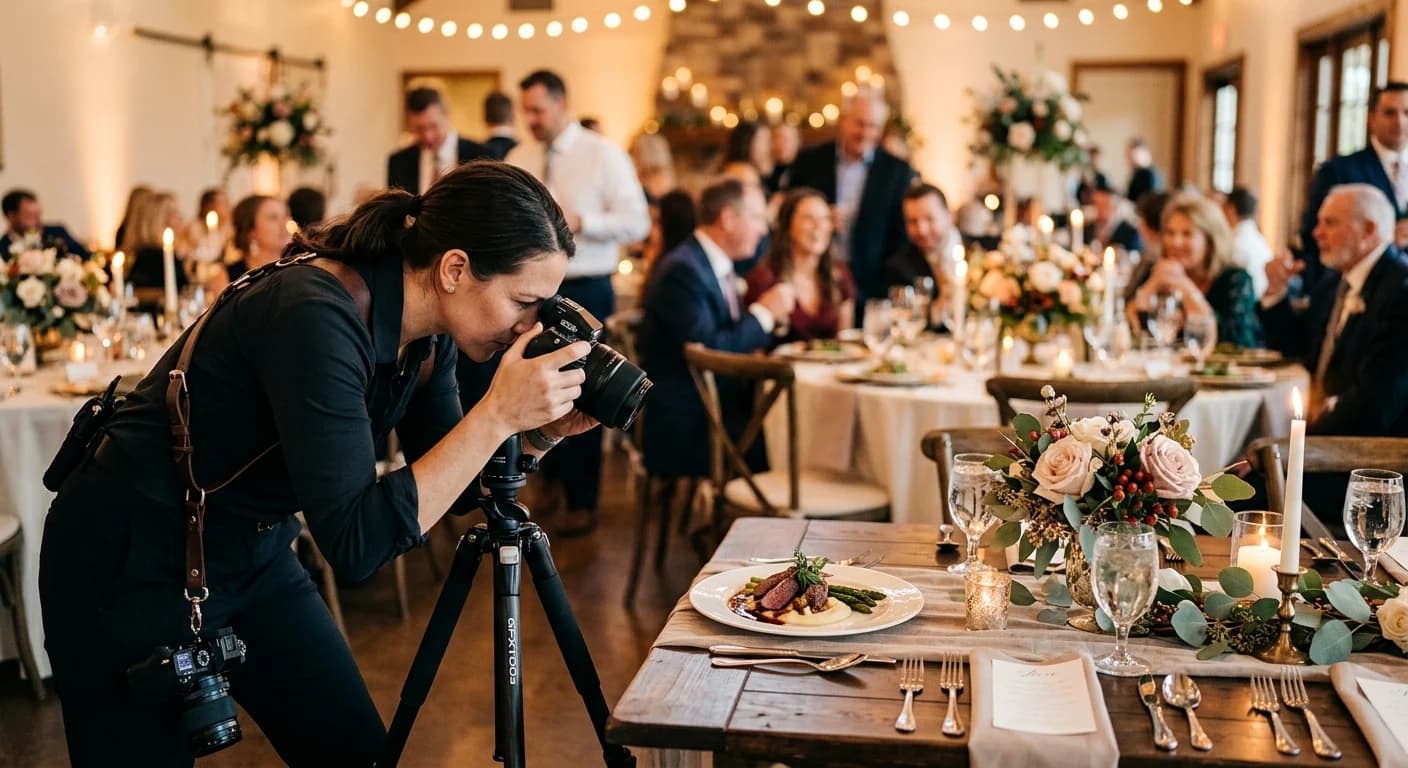
Food photography is a specialized corner of commercial work that rewards patience and precision. Whether you're shooting a menu for a restaurant, a product line for a packaged-goods brand, or content for a delivery app, the goal is the same: make the food look as good as it tastes. This guide covers the techniques that separate appetizing commercial food images from flat, lifeless ones — and where a professional makes the difference.
Why food photography is its own discipline
Food is one of the hardest subjects to shoot well. It changes by the minute — ice cream melts, herbs wilt, sauces dull, steam disappears. A food photographer is part technician and part stylist, working fast to capture the dish at its peak while controlling light, color, and composition. Done right, the image drives appetite and sales; done poorly, it can make even excellent food look unappealing.
Lighting: the single biggest factor
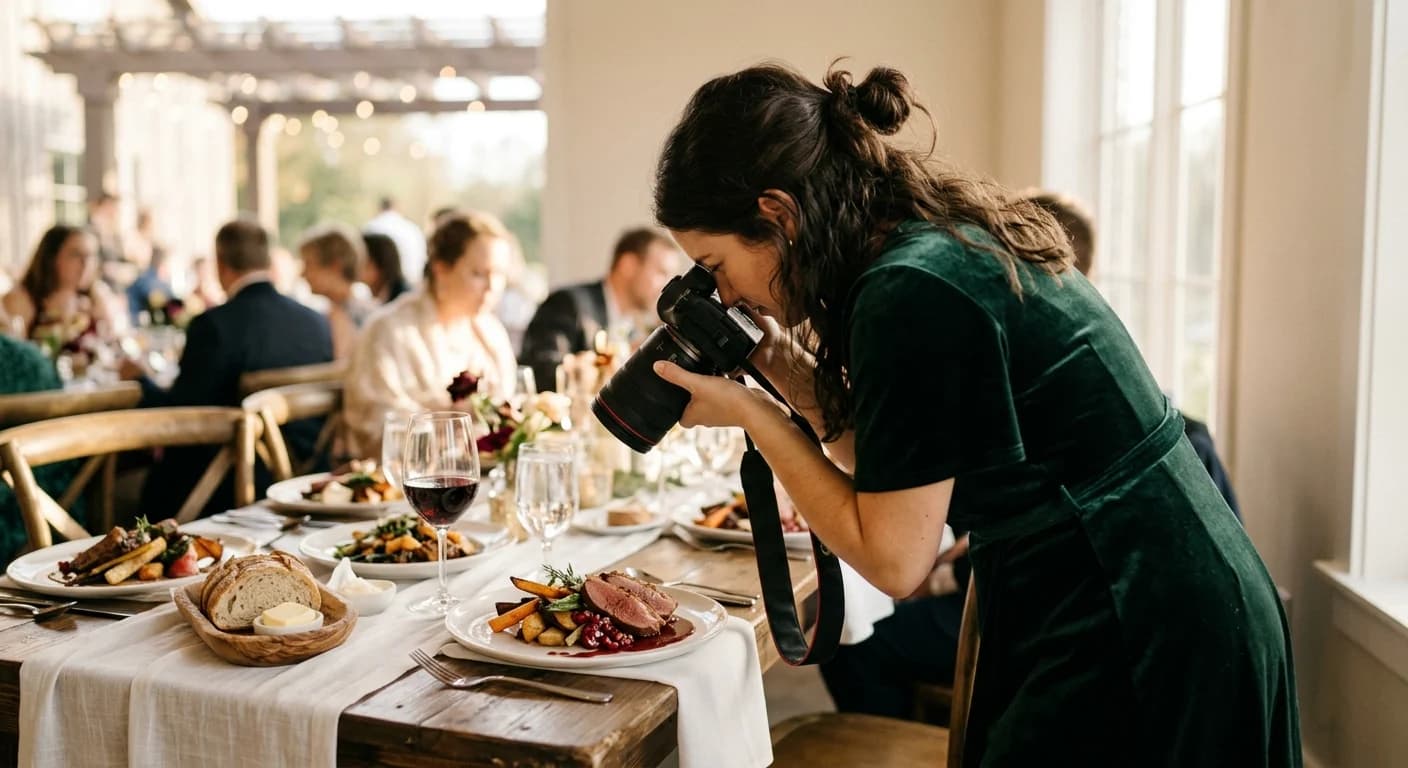
Lighting makes or breaks a food photo. Soft, directional light reveals texture — the crackle on a crust, the gloss on a glaze, the steam off a bowl.
- Natural light near a large window is the easiest path to a clean, believable look. Shoot during soft daylight and avoid harsh midday sun.
- Artificial light with a softbox or diffusion gives you consistency for a full menu shoot, where every dish needs to match. Side or back lighting almost always beats flat front light for food — it builds dimension and highlights texture.
- Avoid mixed color temperatures (a warm bulb plus cool window light) — they create unnatural color casts that are hard to fix in editing.
Styling and props that support the food
Styling is arranging the food and its surroundings so the hero stays the hero.
- Choose props — plates, linens, utensils, surfaces — that complement the dish without competing with it. Neutral, textured surfaces work for almost everything.
- Add a sense of story: a few scattered ingredients, a hand reaching in, a half-poured drink. Context sells.
- Don't over-style. Tweezed-to-perfection plates often read as artificial. The most effective commercial food images look intentional but still edible.
Composition and angle by dish type
The right angle depends on the food:
- Overhead (90°) flatters flat-lays, bowls, pizzas, and spreads where the shape lives on top.
- 45° mimics how you'd see a plate at the table — great for most entrées.
- Straight-on (eye level) is built for height: burgers, layered cakes, stacked pancakes, drinks.
Use the rule of thirds, leave intentional negative space for menu text or packaging copy, and keep the hero element sharp.
Focus and depth of field
A shallow depth of field (a wide aperture like f/2.8–f/4) isolates the dish and softens the background, but be careful — too shallow and key parts of the food blur out. For detailed dishes or packaging shots that need full sharpness, stop down to f/8 or beyond and add light to compensate.
Common mistakes that cheapen commercial food images
- Flat front lighting that kills texture.
- Wrong white balance, leaving food looking gray or sickly.
- Cluttered props that pull attention from the food.
- Shooting too slowly so the food dies before the shutter clicks — prep, plate, and shoot in a tight window.
- Over-editing with heavy saturation that makes food look fake.
Editing to finish, not to fix
Editing should enhance what's already there: gentle contrast, accurate color, and selective sharpening on the hero. Resist the urge to crank saturation. The most appetizing images keep color true to life — viewers can tell when a tomato is too red to be real.
When to hire a professional
DIY works for casual social posts, but commercial use — menus, packaging, ad campaigns, brand sites — is where a professional pays for itself. A commercial food photographer brings controlled lighting, a stylist's eye, the speed to shoot a full menu in a session, and consistent results across dozens of dishes. That consistency is what makes a menu or product catalog look like one cohesive brand.
Candid Studios shoots commercial and product photography nationwide for restaurants, food brands, and hospitality businesses. If you're planning a menu refresh or a campaign, reach out for a consultation or see our pricing to scope a shoot.
Great food photography isn't luck — it's light, styling, timing, and restraint working together. Nail those, and your images will do exactly what they're meant to: make people hungry.