Best Elopement Photographers: How to Choose & What to Expect
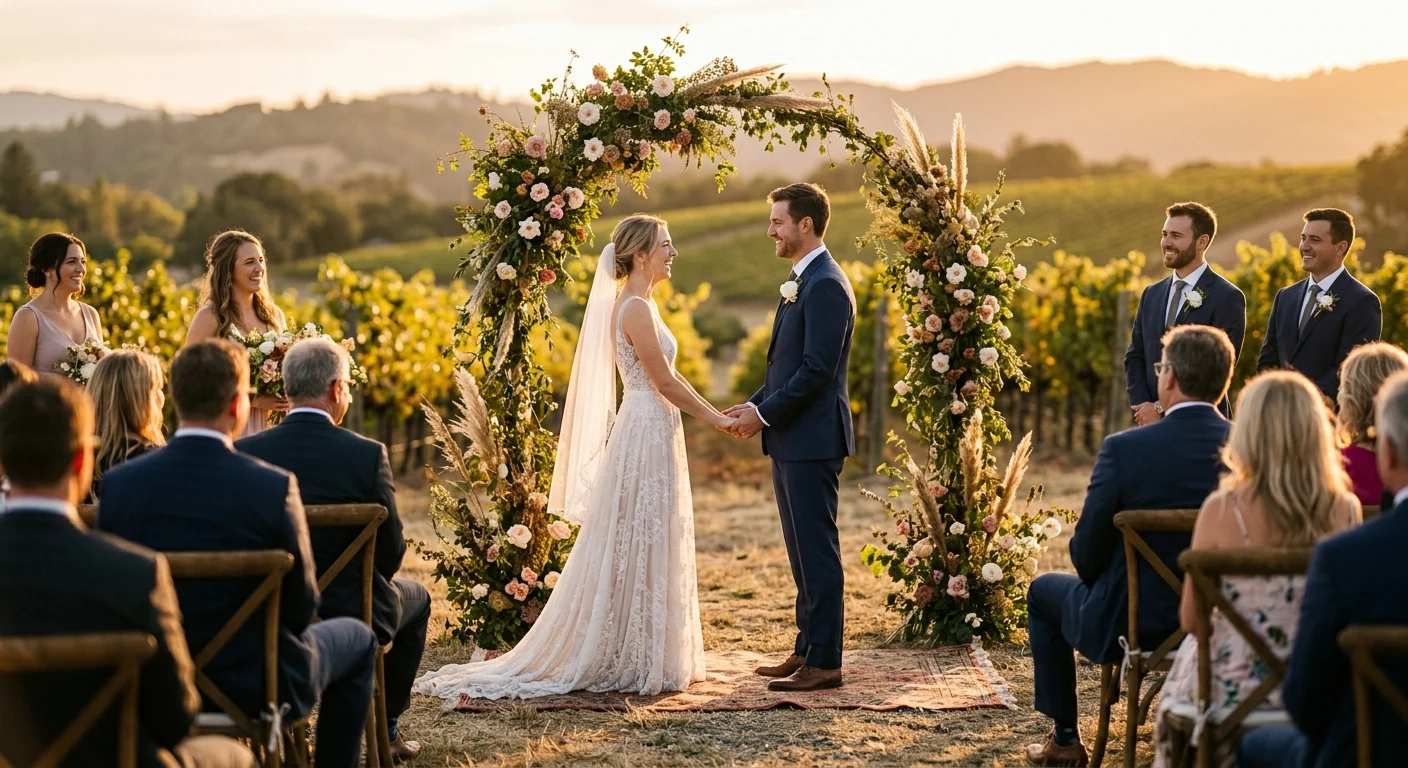
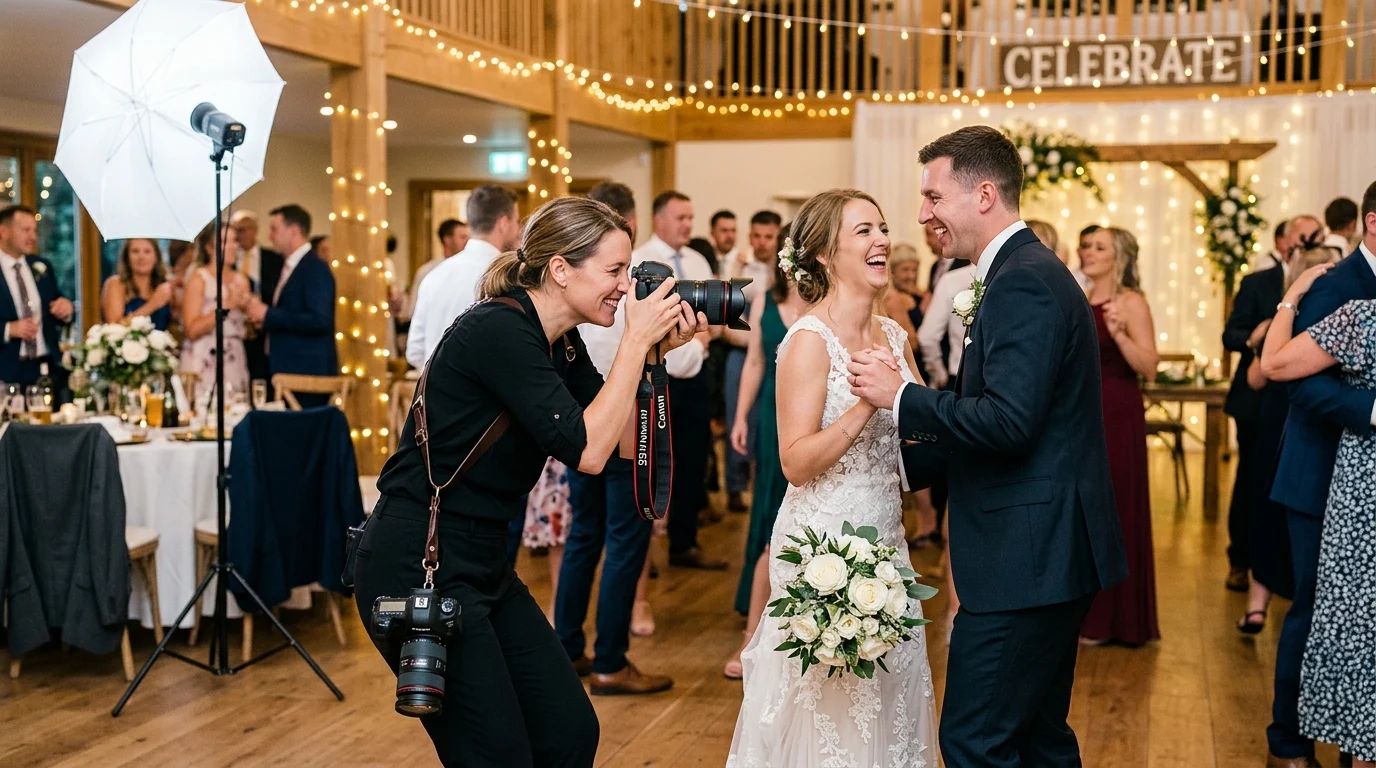
The best elopement photographers specialize in intimate timelines, variable light, and travel logistics—not just “small weddings.” Review full adventure galleries, confirm permit knowledge for parks, and ask about coverage hours, second shooter needs, and weather plans. Book early for peak mountain and coastal seasons.
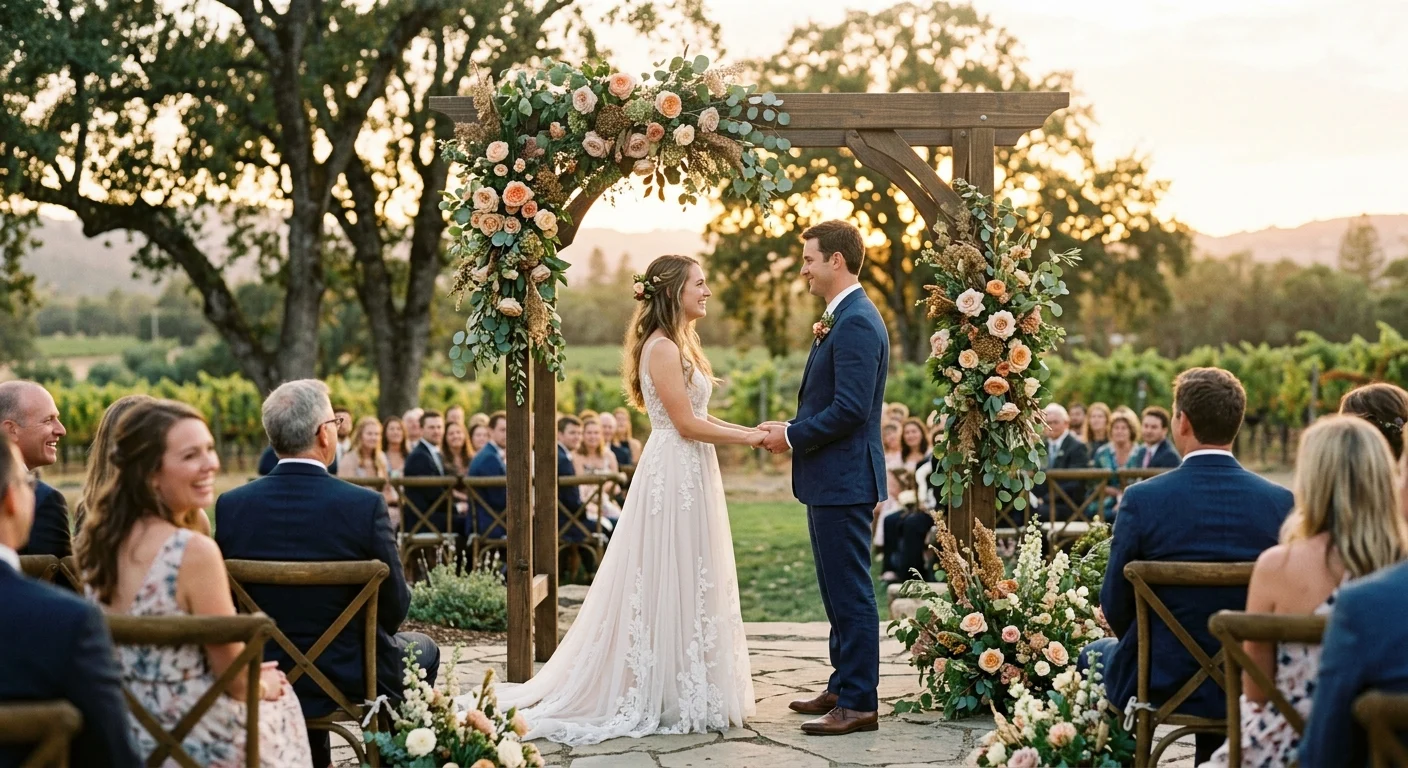
Eloping is a deeply personal and beautifully intimate decision. It's about focusing on what truly matters: the two of you, your vows, and an experience that reflects your unique relationship. But just because your wedding is intimate doesn't mean your memories should be anything less than epic. That's where finding the right photographer becomes essential.
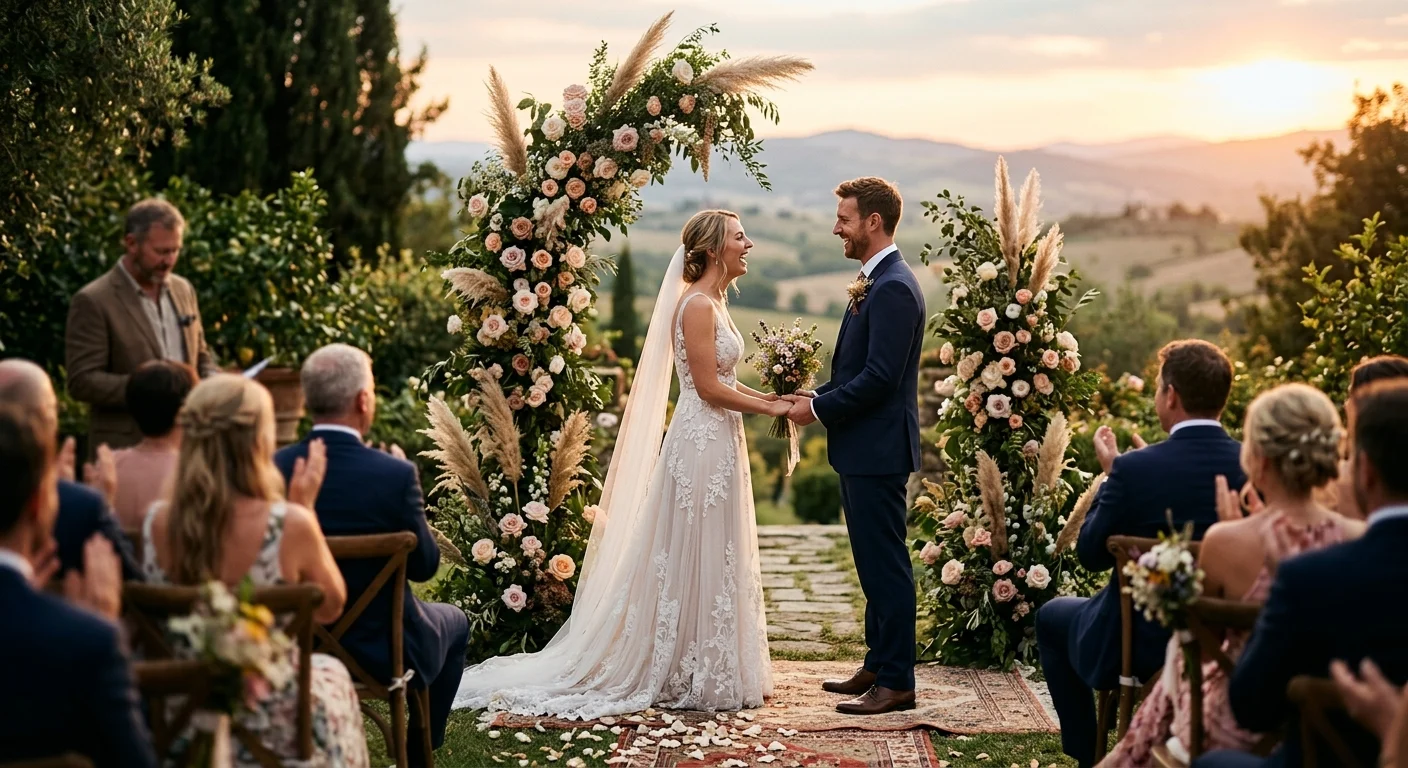
The best elopement photographers do more than just take pictures. They are adventurers, planners, and authentic storytellers who specialize in capturing the quiet, powerful moments that define your day. They understand the unique logistics of remote locations, dramatic landscapes, and the raw emotions that unfold without a large audience. This guide is designed to simplify your search by showcasing the top platforms and dedicated studios that connect you with these exceptional artists.
In the following sections, we will explore a curated list of resources to help you find your perfect match. Each entry includes direct links and key details to streamline your decision-making process. Whether you're planning a mountain-top ceremony, a coastal exchange of vows, or a quiet courthouse celebration, this article will help you find the perfect creative partner to document your adventure with the artistry it deserves.
1. The Best Colorado Springs Elopement Photographer for Your Dream Day
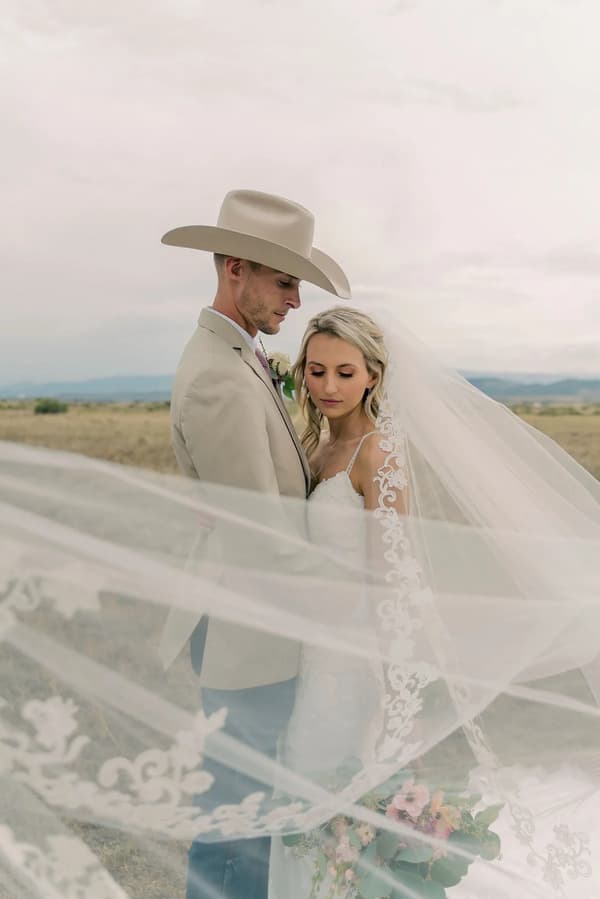
For couples dreaming of a Rocky Mountain elopement, Candid Studios in Colorado Springs offers a premier, all-inclusive photography experience that transcends simple picture-taking. They position themselves not just as photographers, but as dedicated creative partners, specializing in crafting cinematic and authentic narratives against the state's most dramatic backdrops. This comprehensive approach makes them one of the best elopement photographers for couples who value both stunning visuals and a seamless, stress-free planning process.
What truly sets Candid Studios apart is their deep integration of planning support into every package. They understand that orchestrating an elopement, even an intimate one, involves significant logistics. Their service is a powerful solution for out-of-state couples or those unfamiliar with the complexities of utilizing Colorado's pristine natural parks for a ceremony.
Key Features and Service Breakdown
Candid Studios’ elopement packages are designed to be a complete solution, removing logistical burdens so couples can focus entirely on their experience. Their service is built on a foundation of local expertise and artistic vision.
- Comprehensive Planning Support: This is their cornerstone offering. The team provides expert location scouting to find the perfect spot that matches your vision, whether it's the iconic red rocks of Garden of the Gods or the majestic summit of Pikes Peak. They also manage the often-confusing process of securing necessary permits and create a custom timeline to ensure the day flows effortlessly.
- Cinematic Storytelling: Their award-winning photographers specialize in a style that is both authentic and cinematic. The goal is to capture genuine emotions and interactions, weaving them into a visual story that feels like a timeless film.
- Personalized Consultation: Every engagement begins with a detailed consultation to understand your unique story, personalities, and vision. This ensures the final images are a true reflection of you as a couple, not just a series of beautiful poses.
Package and Pricing Overview
Candid Studios offers a clear and structured approach to their packages, providing flexibility while maintaining a high standard of service. Photography and videography start at $425/hr with flexible hourly packages, so couples can scale coverage to match the scope of their full-service elopement.
Feature
Details
Coverage Time
6 to 8 hours
Services Included
Photography, planning, location scouting, permit assistance, timeline creation
Iconic Locations
Access to Garden of the Gods, Pikes Peak, and other exclusive spots
Deliverables
High-resolution digital gallery with professionally edited images
While the investment may be more significant than that for a photographer offering only image capture, the value is in the holistic, expert-guided experience. However, the 6-8 hour coverage window is tailored specifically for elopements and may not be suitable for couples planning longer, multi-part wedding events. You can learn more about their Colorado Springs elopement photographer packages on their website.
2. Wandering Weddings
Wandering Weddings carves out a unique niche by focusing exclusively on elopements and intimate weddings. Instead of sifting through thousands of traditional wedding vendors, this platform provides a curated directory of photographers who specialize in adventurous, outdoor ceremonies. This singular focus makes it one of the best elopement photographers resources for couples planning a non-traditional celebration.
The platform's primary strength lies in its user-friendly, location-based search. You can easily browse vetted photographers by U.S. state or region, which is incredibly helpful for planning a destination elopement, especially in popular spots like national parks.
Key Features and User Experience
Wandering Weddings is more than just a directory; it's a comprehensive planning tool. Many photographers on the site offer detailed elopement packages that bundle photography with valuable services like location scouting, timeline creation, and permit assistance for public lands. This integrated approach simplifies the planning process significantly.
The user experience is direct and transparent. You browse portfolios, find a photographer you love, and contact them directly through the platform. There are no middle-man fees or communication barriers, allowing you to build a personal connection and negotiate terms straight with the vendor.
Pros and Cons
Pros
Cons
Highly specialized: Focuses solely on elopement and adventure weddings, reducing irrelevant search results.
Self-managed contracts: Users are responsible for vetting contracts and managing payments directly with the photographer.
Integrated planning resources: Offers valuable content on permits, locations, and elopement logistics.
Varying regional availability: Photographer options are more robust in popular elopement destinations than in less-traveled areas.
No platform fees: Free to use for couples, with direct communication and booking.
Not a booking intermediary: The platform does not handle payments or guarantee bookings.
How to Use Wandering Weddings Effectively
- Filter by Destination: Start your search by selecting your elopement state or region to see a curated list of local experts.
- Review Full Portfolios: Look beyond the profile highlights. Visit the photographers' personal websites to get a complete sense of their style and experience.
- Utilize Planning Guides: Read the platform's articles and guides on your chosen location. They often contain critical information about permits, best seasons, and "Leave No Trace" principles. You can discover more details about what to look for in different elopement photography packages to ensure they cover these essential planning elements.
Website: https://wanderingweddings.com/
3. Junebug Weddings
Junebug Weddings is a highly respected, editorially-driven platform known for its curated lists of top-tier photographers across the globe. While it covers the entire wedding industry, it regularly features stunning elopement work, making it a premier source for finding vetted, artistic talent. Its reputation is built on high-profile photo contests and vendor directories that showcase some of the best elopement photographers in the business.
The platform excels at quality control, offering curated shortlists that reduce the noise found on larger marketplaces. Instead of endless scrolling, you are presented with a refined selection of professionals known for their creativity and authenticity, searchable by U.S. state and international destinations.
Key Features and User Experience
The core of Junebug Weddings is its high-quality vendor directory, which provides direct access to photographers' portfolios, websites, and contact information. The user experience is straightforward: find a style you resonate with and reach out directly to the artist.
Beyond the directory, the site offers immense value through its editorial content. You can browse real elopement features and style roundups to research different aesthetics and discover photographers whose work aligns with your vision. Its famous, transparently judged photo contests are another key feature, highlighting award-winning talent that you can hire for your own day.
Pros and Cons
Pros
Cons
Trusted reputation: Well-established brand known for quality curation and authentic, award-winning photography.
Fewer total listings: The curated approach means fewer options per area, which can make availability more competitive.
Inspirational content: Editorial features and award galleries help you find a photographer based on a specific style or location.
Limited regional options: You may find fewer choices in smaller cities or less popular elopement destinations.
Quality over quantity: Reduces overwhelm by presenting a vetted, shorter list of highly skilled professionals.
Not elopement-exclusive: You will need to filter through portfolios to find specific elopement examples.
How to Use Junebug Weddings Effectively
- Explore the "Best Of" Galleries: Start with their annual "Best of the Best" wedding and destination photo contest galleries. You can often discover incredible photographers and even get location ideas.
- Use the State-Based Directory: Filter their vendor list by your elopement state or country to find local and traveling experts who are familiar with the area.
- Read the Blog for Inspiration: Dive into their blog's real elopement features. These posts not only showcase photographers' work in a real-world setting but also tag all the vendors involved, helping you build your team.
Website: https://junebugweddings.com/
4. The Knot
While known as a massive marketplace for all things wedding-related, The Knot also serves as a powerful tool for finding some of the best elopement photographers in the country. Its sheer volume of listed vendors means couples have an extensive pool of talent to explore, from major metropolitan areas to popular destination elopement spots. This breadth of choice is ideal for those who want to compare a wide range of styles, packages, and price points in one place.
The platform's strength lies in its robust filtering and review system. You can narrow your search by location, budget, and specific keywords like "elopement" or "intimate wedding" to find photographers who specialize in smaller ceremonies. This allows you to leverage its massive database to your advantage, uncovering hidden gems that might not appear on more niche elopement sites.
Key Features and User Experience
The Knot provides a comprehensive snapshot of each photographer. Listings typically include detailed portfolios, starting prices, and, most importantly, a wealth of user reviews from real couples. This social proof is invaluable for vetting a photographer's professionalism, communication style, and final product quality.
The user experience is built around direct inquiry. Once you find a photographer whose work you admire, you can use the platform's built-in messaging tool to request availability and a quote. Most vendors also link directly to their personal websites, allowing for deeper portfolio reviews and a more personal connection outside the marketplace environment.
Pros and Cons
Pros
Cons
Extensive options: A massive number of photographers enables comprehensive style and price comparisons.
Requires careful vetting: The open marketplace model means quality can vary, and users must perform due diligence on contracts.
Nationwide coverage: Excellent for finding vendors near national parks and popular elopement destinations.
Can be overwhelming: The high volume of listings can create "choice paralysis" without specific search filters.
Robust review system: User reviews provide critical insights into a vendor's reliability and quality.
Varying specialization: Not all listed photographers are true elopement specialists, requiring careful portfolio review.
How to Use The Knot Effectively
- Use Specific Keywords: Start your search with terms like "elopement," "adventure wedding," or "micro-wedding" in addition to your location to filter results.
- Read Reviews Carefully: Look for reviews from other couples who had elopements or intimate weddings to gauge the photographer's experience with non-traditional formats.
- Go Beyond the Profile: Always visit the photographer's personal website and social media. This gives you a better sense of their brand, full portfolio, and whether their style truly aligns with your vision. You can find more tips on what to look for when you learn how to choose a wedding photographer to ensure you make the right choice.
Website: The Knot
5. WeddingWire
WeddingWire is a massive wedding vendor marketplace that offers one of the largest directories of photographers in the United States. While it serves the traditional wedding market, its extensive database and powerful search filters make it an invaluable resource for finding some of the best elopement photographers, especially in areas with fewer specialized options. Its connection to The Knot gives it a vast reach, ensuring a wide selection of vendors.
The platform's key advantage is its sheer volume and detailed filtering capabilities. You can search by city, region, and budget, then narrow down results to find photographers who explicitly offer elopement packages. This granular control is perfect for couples planning an elopement in a less-common destination or who need to stick to a specific price point.
Key Features and User Experience
WeddingWire excels at providing transparency upfront. Many photographer profiles include detailed starting prices, package inclusions like high-resolution files and engagement sessions, and an extensive collection of user reviews. These verified reviews are a cornerstone of the user experience, offering insight into a photographer’s professionalism, responsiveness, and final product quality.
The user experience is built around discovery and direct contact. You can easily create a shortlist of potential photographers, compare their offerings side-by-side, and message them directly through the platform. This streamlined process simplifies the initial outreach phase, helping you efficiently gather quotes and availability.
Pros and Cons
Pros
Cons
Extensive national directory: Huge selection of photographers, even in smaller cities and less-traveled regions.
Requires careful vetting: As a large marketplace, quality and experience can vary significantly between vendors.
Transparent pricing and reviews: Many listings provide starting prices and packages, and verified user reviews build confidence.
Focus on traditional weddings: You may need to sift through many traditional wedding photographers to find elopement specialists.
Powerful search filters: Allows users to easily narrow down options by location, budget, and specific services offered.
Direct contract management: Couples are responsible for reviewing contracts and managing all negotiations directly.
How to Use WeddingWire Effectively
- Use the "Elopement" Keyword: Start by searching for photographers in your desired location and then use the search bar within the results to filter for "elopement" to find specialists.
- Read Reviews Thoroughly: Pay close attention to recent reviews, looking for comments on communication, turnaround time, and how the photographer handled unexpected situations. This is crucial for vetting.
- Request Full Galleries: A photographer’s profile shows their best work. Ask to see a full elopement gallery to understand their storytelling style and consistency. It's also a good idea to create a list of essential wedding photo ideas to discuss with them.
Website: https://www.weddingwire.com/c/wedding-photographers
6. Zola
Zola is a comprehensive wedding planning ecosystem, and its vendor marketplace is a powerful tool for couples seeking convenience. While not exclusively focused on elopements, its robust search filters and transparent vendor profiles make it a strong contender for finding some of the best elopement photographers, especially for those who want to manage all their planning in one place.
The platform’s major advantage is integrating vendor discovery with your overall wedding checklist, budget, and registry. Its detailed filters allow you to narrow down photographers by price range, shooting style (e.g., photojournalistic, classic), and specific offerings like travel fee inclusion or second shooters. Many vendors clearly label their availability for elopements and destination weddings.
Key Features and User Experience
Zola streamlines the initial search by providing clear, standardized profiles. You can quickly see a photographer's starting price, portfolio, and bio. The platform also offers editorial guidance on average photography costs in different regions, helping you set a realistic budget from the start.
Contacting vendors is straightforward through an integrated messaging system. The user experience is designed for the modern couple, combining a sleek interface with practical tools. While booking happens directly with the photographer, keeping initial communications within the Zola ecosystem can help you stay organized.
Pros and Cons
Pros
Cons
Transparent profiles and filters: Easily match vendors to your specific budget, style, and needs.
User vetting is required: You are responsible for vetting contracts, as community reports on vendor quality can be mixed.
Helpful destination planning: Clear labeling of travel fees and service areas simplifies finding a photographer for a remote elopement.
Not elopement-exclusive: You may need to sift through vendors who primarily focus on large, traditional weddings.
Comprehensive planning ecosystem: Integrates vendor search with other wedding tools like registries and checklists.
Limited elopement packages: Some photographers may not explicitly list elopement packages, requiring a direct inquiry.
How to Use Zola Effectively
- Master the Filters: Use the "Pricing" and "Services Offered" filters to immediately narrow your search. Check boxes for "Elopement" and "Destination/Travel" to find relevant specialists.
- Read the Reviews: Pay close attention to recent reviews from other couples to gauge a photographer's professionalism, style consistency, and reliability.
- Inquire About Specifics: If a photographer’s profile doesn’t mention elopements but you love their work, send a message. Many are happy to create a custom package for a smaller event.
Website: https://www.zola.com/wedding-vendors/wedding-photographers
7. Thumbtack
Thumbtack operates as a broad services marketplace, connecting users with a wide range of local professionals, including photographers. While not specialized in weddings, it serves as a practical tool for couples seeking accessible and budget-conscious options. It’s an excellent resource for finding some of the best elopement photographers for courthouse ceremonies, city hall weddings, or short-coverage events.
The platform's main advantage is its ability to quickly generate a list of local photographers who are available for smaller jobs. Users can input their needs, location, and date to receive instant quotes from multiple vendors, making it easy to compare prices and services for simple, last-minute, or non-traditional elopements.
Key Features and User Experience
Thumbtack streamlines the initial search process by providing cost estimates and price guides. It displays national and regional averages for photography services, which helps couples set realistic budget expectations before they even start contacting professionals. This transparency is a key part of the user experience.
The interface is designed for quick comparisons. You can filter photographers by location and request quotes from several at once. This model is particularly effective for couples planning a simple, local elopement who prioritize convenience and clear pricing over the highly curated experience of a specialized platform.
Pros and Cons
Pros
Cons
Quickly surfaces local talent: Ideal for finding photographers for smaller or off-peak jobs often overlooked by boutique studios.
Quality varies widely: Requires extensive portfolio and contract vetting to ensure professionalism and style alignment.
Transparent pricing guides: Helps couples understand market rates and set a realistic budget for their area.
Not elopement-focused: The platform is a general marketplace, so users must sift through generalist photographers.
Efficient comparison: The quote request system allows for fast and easy comparison of multiple vendors.
Price data can skew low: Averages may not reflect the cost of premium or highly experienced destination elopement photographers.
How to Use Thumbtack Effectively
- Be Specific in Your Request: Provide detailed information about your elopement, including the date, location, hours of coverage needed, and desired style. This helps you get more accurate quotes.
- Thoroughly Vet Portfolios: Move beyond the Thumbtack profile. Visit each photographer’s personal website and social media to review their full wedding and elopement galleries.
- Request a Full Contract: Never book a photographer without a detailed, professional contract. Carefully review the terms, including deliverables, timeline, and cancellation policies, before making any payments.
Website: https://www.thumbtack.com/
Top 7 Elopement Photographers Comparison
Item Title
Implementation Complexity 🔄
Resource Requirements ⚡
Expected Outcomes 📊
Ideal Use Cases 💡
Key Advantages ⭐
The Best Colorado Springs Elopement Photographer for Your Dream Day
Medium – requires coordination and planning support
High – hourly packages from $425/hr plus 6-8 hours coverage
High-quality, cinematic, authentic elopement storytelling
Intimate elopements in Colorado Springs with custom planning
Comprehensive planning, iconic locations, experienced photographers
Wandering Weddings
Low-to-medium – users handle contracting/payment
Low – free platform use, direct negotiation with photographers
Varied quality depending on region, focused elopement offerings
Adventure elopements and national park weddings
No platform fees, curated vetted photographers, planning resources
Junebug Weddings
Low – browsing curated editorials and directories
Medium – depends on booking outside platform
High-quality, award-winning photographers showcased
Couples seeking style inspiration and quality vendors
Trusted curation, editorial focus, contest recognition
The Knot
Medium – broad search with filtering and portfolio vetting
Medium-to-high – large vendor options and review analysis
Wide range of photographer options, but requires vetting
Couples wanting extensive comparison nationwide
Massive selection, detailed reviews, pricing transparency
WeddingWire
Medium – search and review vetting required
Medium – widespread listings with detailed package info
Transparent package details, specialist availability
Users desiring verified reviews and detailed options
Strong review signals, clear pricing and package inclusions
Zola
Low-to-medium – integrated planning and filtering
Medium – links vendor choice to broader wedding planning
Efficient vendor matching with price and style clarity
Couples combining registry and vendor search
Transparent filters, travel fee labeling, integrated planning
Thumbtack
Low – instant pricing and quick quote requests
Low – quick connections with local photographers
Fast quotes with price transparency but variable quality
Budget-conscious or short-coverage elopements
Instant pricing estimates, local vendor discovery, budget guidance
Your Adventure Awaits—Capture It Beautifully
Choosing your elopement photographer is one of the most personal and impactful decisions you'll make in your wedding planning journey. It's about more than just hiring a vendor; it's about finding a visual storyteller who connects with your vision and can translate the intimate, heartfelt moments of your day into timeless art. Throughout this guide, we've explored a range of powerful resources, from curated platforms like Wandering Weddings and Junebug Weddings to comprehensive directories such as The Knot and WeddingWire, each offering a unique pathway to discovering your perfect match.
As you move forward, the key is to transition from browsing to genuine connection. Your photographer will be by your side during some of your most private moments, so building rapport is just as important as admiring their portfolio.
Actionable Next Steps to Find Your Photographer
To make your final decision with confidence, focus on these critical next steps:
- Dive Deep into Portfolios: Look beyond a few highlight images. Review full elopement galleries to understand how a photographer captures an entire story, from the quiet getting-ready moments to the epic landscape portraits.
- Schedule Consultation Calls: Use this time to ask about their approach, philosophy, and how they handle unexpected challenges like changing weather. This is your chance to see if your personalities click. Do you feel comfortable and understood?
- Review Contracts Thoroughly: Pay close attention to deliverables, timelines, travel fees, and cancellation policies. Understanding these details upfront ensures a smooth, transparent process from start to finish.
Making the Right Choice for Your Unique Story
The right platform depends entirely on your specific needs. If you're planning an adventurous, off-the-beaten-path ceremony, a niche directory like Wandering Weddings will connect you with specialists. For those seeking a wide variety of local vendors with extensive reviews, marketplaces like The Knot or Thumbtack provide a broader net.
Remember that the logistics of your day contribute to the overall experience. Planning how you'll get to that stunning, remote location is part of the adventure. Beyond beautiful photographs, the journey itself can be part of the adventure; a reliable wedding limo service can ensure a luxurious and stress-free arrival at your elopement destination, adding a touch of elegance to your wild romance.
Ultimately, the goal is to find one of the best elopement photographers who not only delivers stunning images but also enhances your entire experience. They are your guide, your cheerleader, and the artist entrusted with your memories. Your elopement is a declaration of your unique love story, and it deserves to be captured with intention, authenticity, and breathtaking beauty.
At Candid Studios, we specialize in crafting these unforgettable, cinematic narratives for couples eloping in the majestic mountains of Colorado or on the sun-drenched beaches of Florida. We believe your photography experience should be as effortless and joyful as the love you share. Visit Candid Studios to see our work and learn how we can help you tell your adventure story.
Related Articles
- 5 Best Wedding Videography Cameras
- 5 Best Wedding Videography Cameras
- Top 100 Best Wedding Photo Ideas for 2025
Related: best elopement photographer
Frequently Asked Questions
What makes an elopement photographer different?
Elopements need flexible timelines, location scouting, and often travel/adventure logistics that traditional ballroom teams may not prioritize.
How much does elopement photography cost?
Intimate coverage often starts lower than full weddings but can rise with travel, permits, and multi-hour adventure days. Ask for a location-specific quote.
Do we need a second photographer for an elopement?
Usually not for 2–10 guests. Add a second for larger micro-weddings or dual-location days.
Explore wedding photography or contact Candid Studios. Florida focus: Florida elopement photographer.