Destination Wedding Videography Guide for Stunning Films
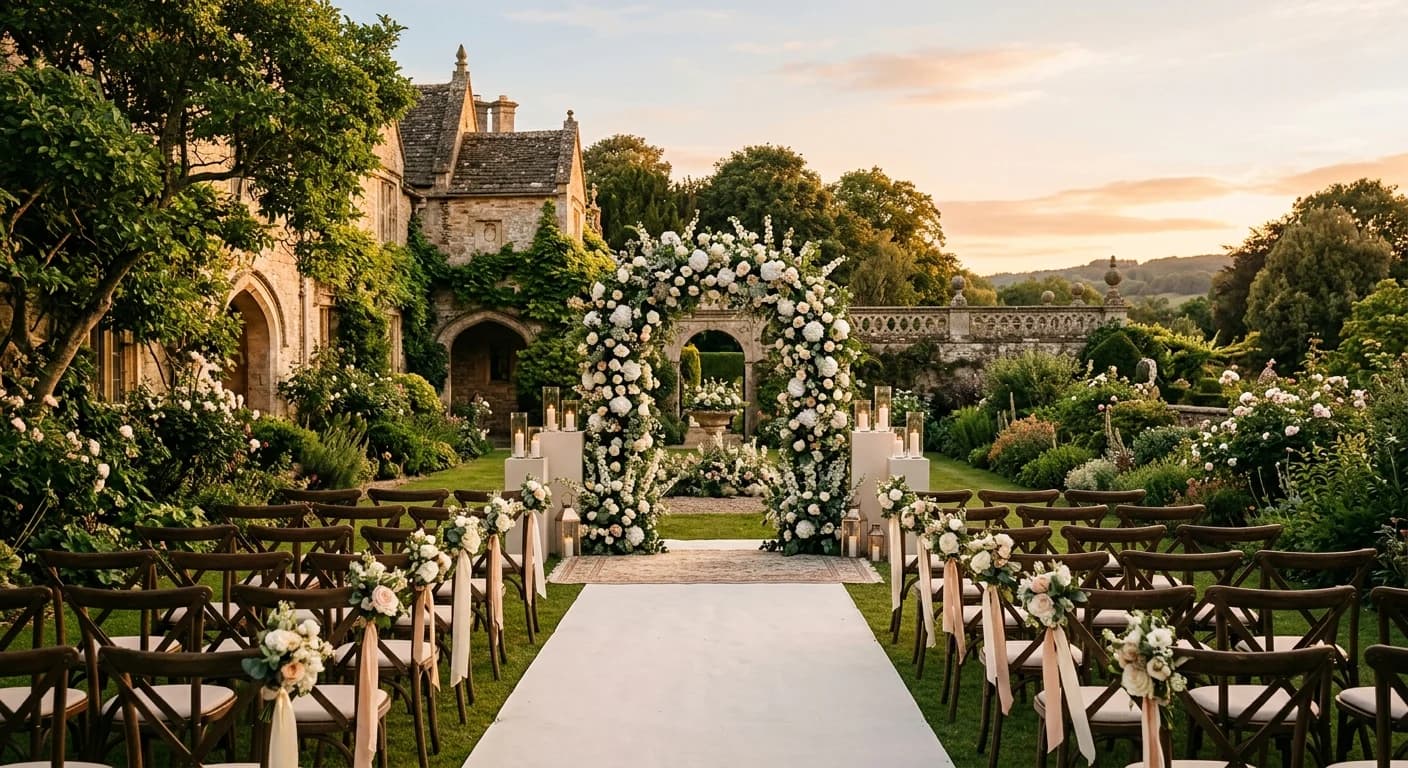
Plenty of American couples dream of a destination wedding in sunny Florida, but not everyone ends up thrilled with their wedding video results. Choosing the right venue, equipment, and filming style shapes how you will remember every detail and emotion for years. This guide gives you practical steps and insider videography tips so your special day will be beautifully documented and truly unforgettable.
Table of Contents
- Step 1: Assess Your Destination Venue and Logistics
- Step 2: Choose and Prepare Essential Video Equipment
- Step 3: Develop Your Storyboard and Shot List
- Step 4: Capture Key Wedding Moments Creatively
- Step 5: Edit, Enhance, and Deliver the Final Film
Quick Summary
| Key Insight | Explanation |
|---|---|
| 1. Evaluate Venue Logistics | Assess travel access, lighting, layout, and restrictions to plan optimal filming locations effectively. |
| 2. Choose Versatile Equipment | Prioritize high-quality cameras and lenses that adapt to various lighting and shooting conditions for better footage. |
| 3. Create a Detailed Shot List | Organize shots by priority and phases to ensure comprehensive coverage of key moments during the wedding day. |
| 4. Capture Authentic Emotions | Use dynamic angles and spontaneous moments to create an engaging, emotional narrative of the wedding. |
| 5. Edit for Cohesive Storytelling | Organize footage, enhance visuals, and balance audio to produce a polished wedding film that resonates with viewers. |
Step 1: Assess Your Destination Venue and Logistics
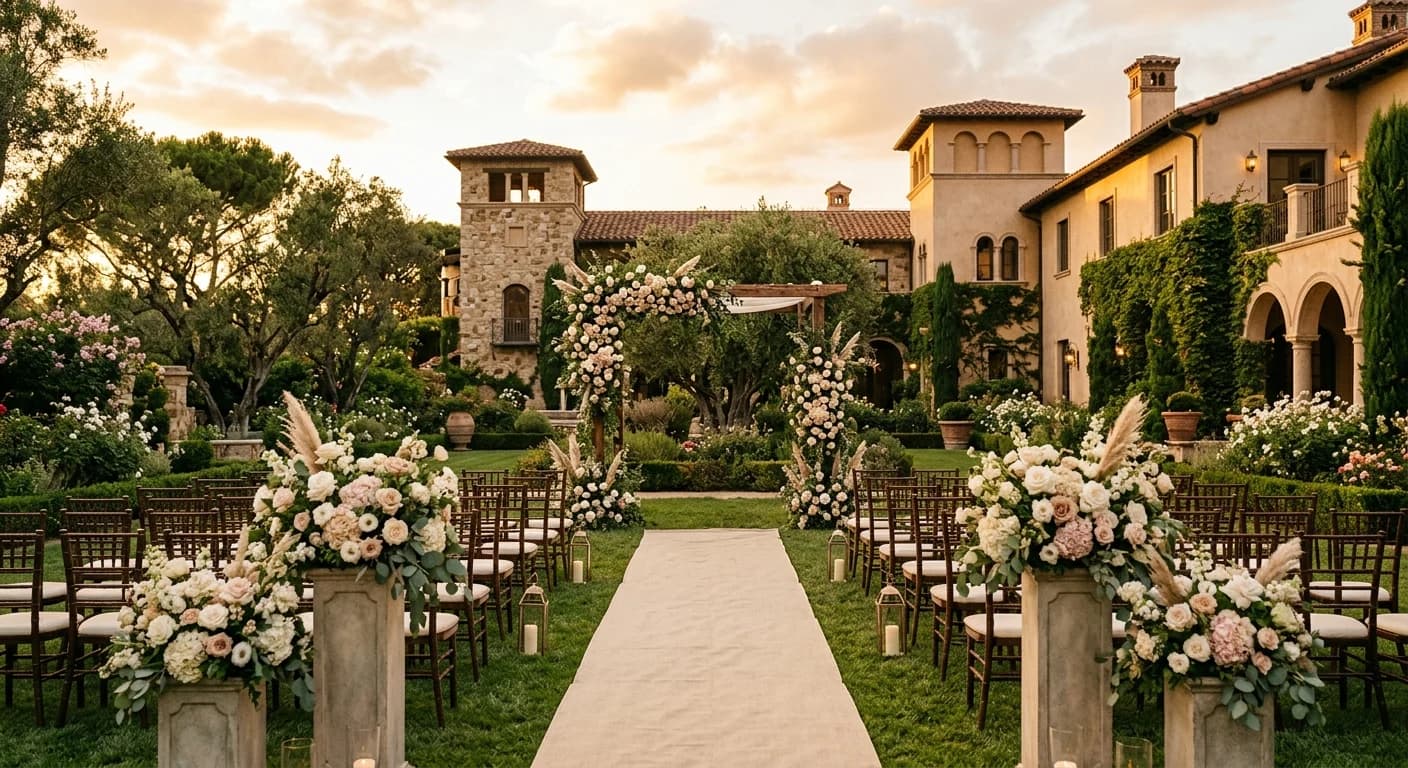
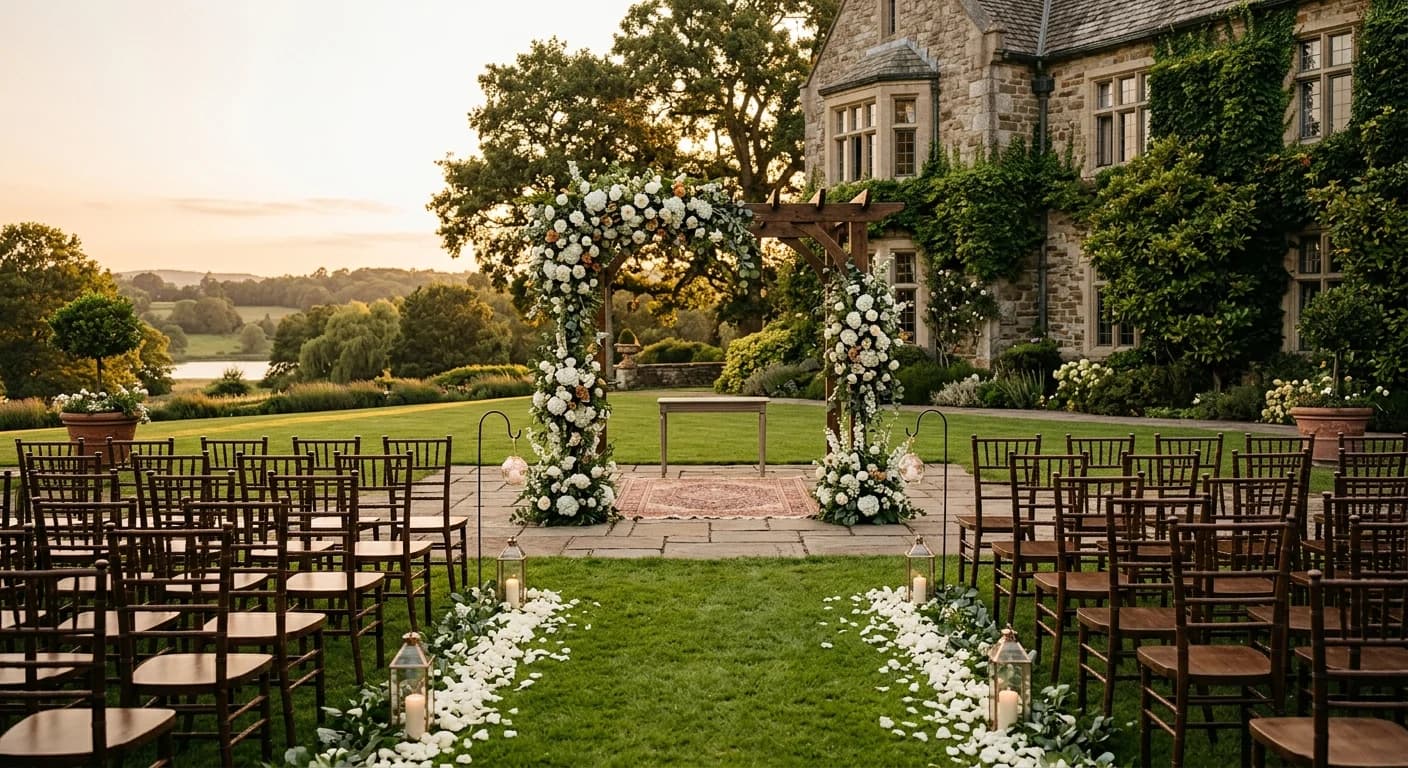
Selecting the perfect destination venue requires a strategic approach that balances visual appeal with practical considerations for wedding videography. Identifying ideal wedding locations involves understanding multiple critical factors that impact your film’s potential and overall wedding experience.
Start by thoroughly examining the venue from a videographer’s perspective. Consider architectural elements like natural lighting conditions, potential shooting angles, and background scenery. Evaluate travel logistics such as guest accessibility, nearby accommodation options, and potential weather variables that could impact filming. Pay special attention to the venue’s structural layout including interior spaces for preparation shots and outdoor areas for ceremony and reception coverage. Analyze the surrounding landscape for potential cinematic backdrops and understand any potential restrictions on movement or equipment setup.
Make detailed site visits or request comprehensive venue documentation to map out optimal filming locations. Communicate directly with venue management about specific videography requirements, electrical access points for equipment, and any restrictions on camera placement or movement during the event. Understanding these logistical details in advance allows you to develop a strategic filming plan that captures your clients wedding narrative seamlessly.
Pro tip: Create a digital venue reconnaissance checklist with smartphone photos and detailed notes to ensure you do not miss any critical filming considerations during your initial venue assessment.
Here’s a quick comparison of key considerations for destination wedding venue selection:
Consideration
Impact on Videography
Impact on Guest Experience
Natural lighting
Enhances image quality
Creates pleasant ambiance
Accessibility
Eases equipment transport
Simplifies guest arrival
Weather variables
Dictates gear choices
Influences comfort levels
Landscape scenery
Provides cinematic shots
Offers memorable setting
Step 2: Choose and Prepare Essential Video Equipment
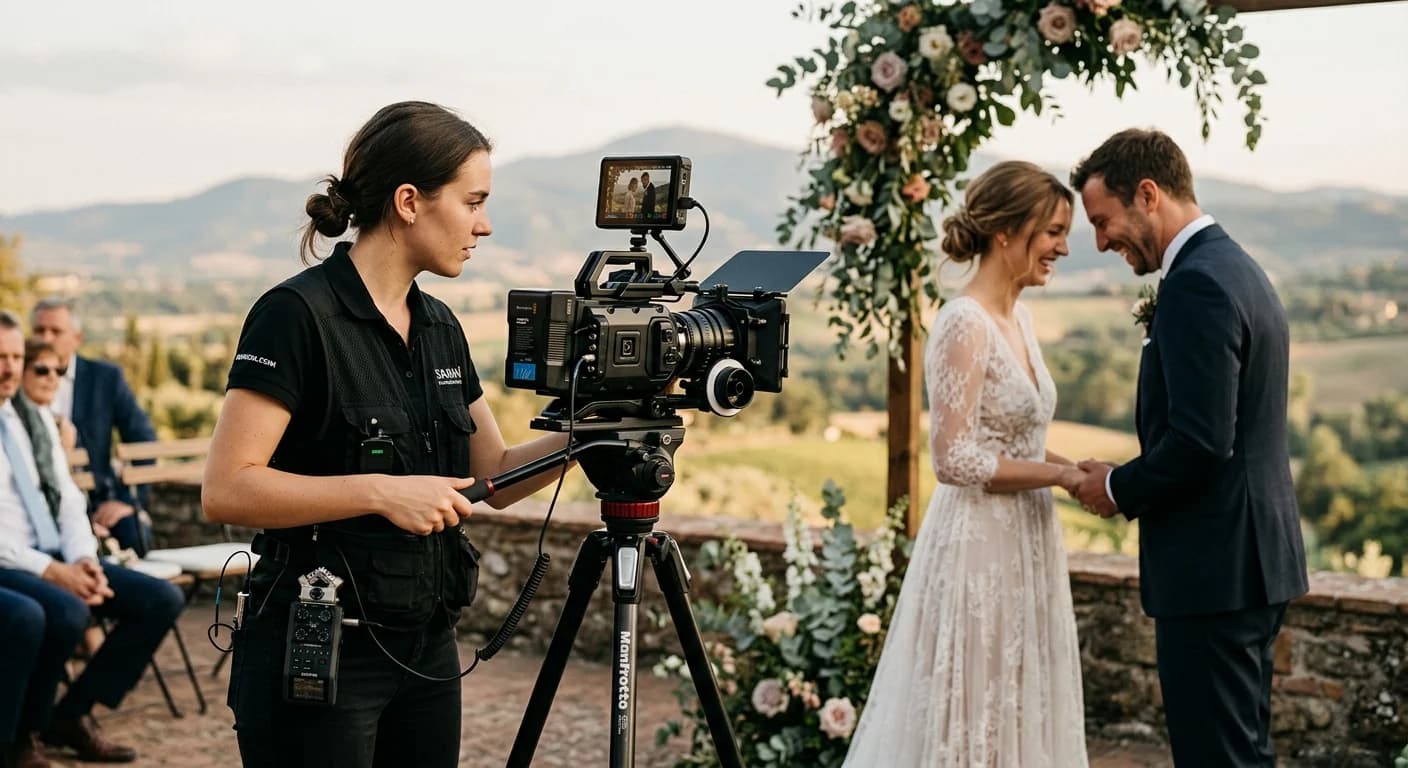
Preparing the right video equipment is crucial for capturing stunning destination wedding films with professional quality and reliability. Professional wedding videography equipment requires strategic selection to ensure you can adapt to diverse and unpredictable environments.
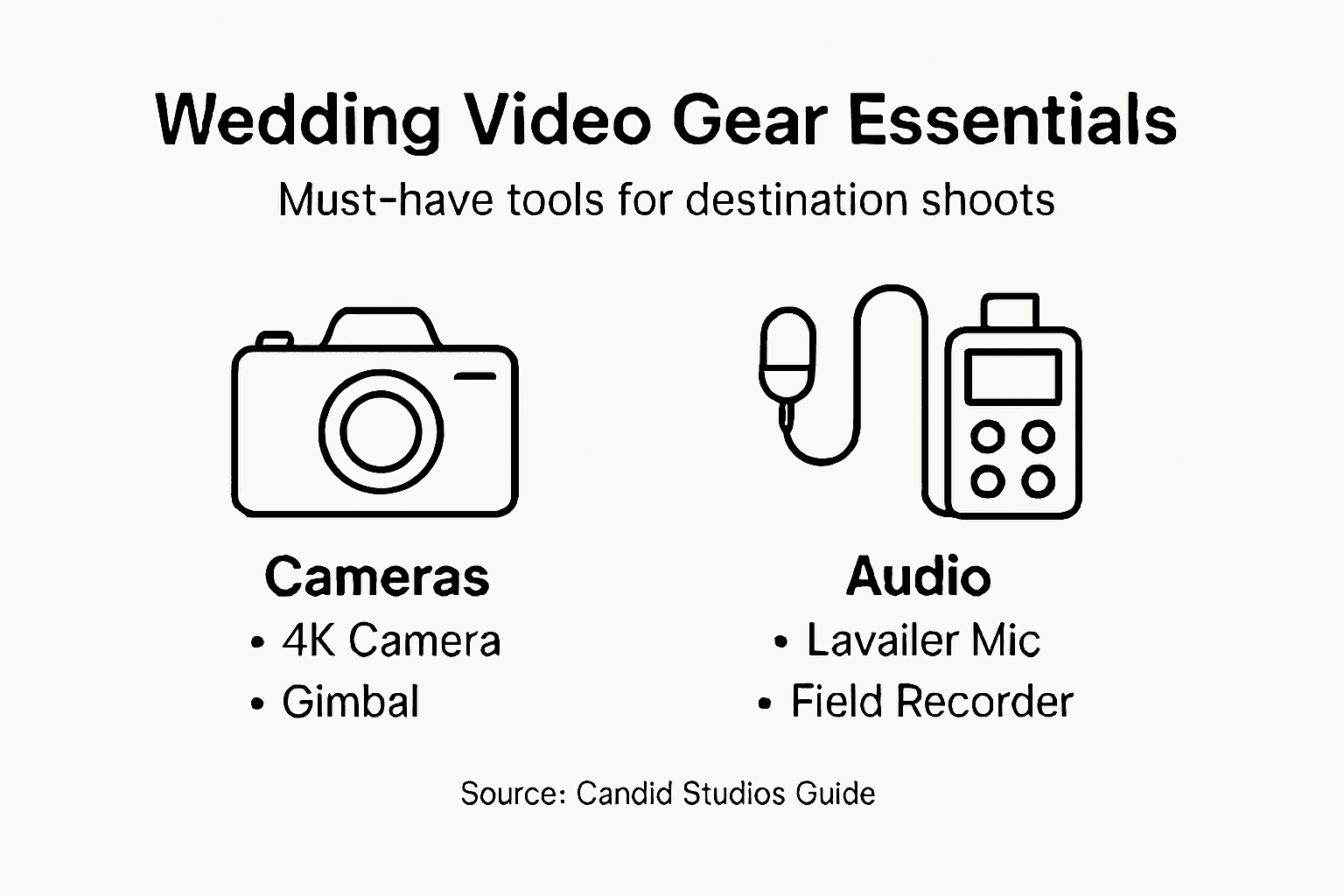
Focus on building a versatile kit centered around high performance cameras capable of 4K resolution and advanced tracking capabilities. Prioritize cameras with excellent low light performance and image stabilization features that can handle varying lighting conditions typical in destination wedding scenarios. Select multiple lenses that offer flexibility for different shooting situations including wide angle options for venue shots and telephoto lenses for capturing intimate moments without disrupting the event. Include professional audio equipment like wireless microphones to guarantee crystal clear sound recording during ceremonies and speeches.
Complement your primary camera with additional critical accessories such as multiple batteries with extended life, portable chargers, weatherproof camera bags, and compact tripods or stabilization equipment. Consider lightweight yet durable gear that can withstand travel challenges while maintaining professional image quality. Pack backup memory cards with substantial storage capacity and invest in portable external drives for immediate footage backup during your destination wedding assignment.
Pro tip: Create a comprehensive equipment checklist organized by priority and pack critical backup components in separate carry on luggage to prevent potential travel related gear losses.
This summary table highlights essential video equipment for destination weddings:
Equipment Type
Essential Features
Why It Matters
Camera
4K, image stabilization
Sharp, smooth footage
Lenses
Wide & telephoto options
Versatile compositions
Audio gear
Wireless microphones
Clear sound capture
Storage solutions
Extra cards, external drives
Backup and reliability
Step 3: Develop Your Storyboard and Shot List
Creating a comprehensive storyboard and shot list is essential for transforming your destination wedding video from ordinary documentation to a cinematic narrative. Wedding videography shot list strategies provide a structured approach to capturing every meaningful moment with professional precision.
Begin by segmenting the wedding day into distinct phases preparation, ceremony, portraits, and reception. For each phase, develop a detailed shot list that includes specific moments, camera angles, and potential transitions. Create a mood board that visually represents the aesthetic and emotional tone you want to achieve, which will guide your creative decisions throughout the filming process. Consider the unique characteristics of the destination venue and plan shots that highlight its distinctive features while capturing the couple’s personal story.

Work closely with the couple to understand their vision and identify key moments they want immortalized. Develop a shot list that balances traditional wedding video elements with creative and spontaneous captures. Organize your shot list by priority, ensuring critical moments are captured first and leaving room for unexpected magical interactions. Sketch out potential camera movements, consider lighting conditions, and plan backup strategies for each key segment of the wedding day.
Pro tip: Create a digital shot list spreadsheet with color coded priority levels and share it with your second shooter to ensure comprehensive event coverage.
Step 4: Capture Key Wedding Moments Creatively
Cinematic wedding videography transforms ordinary moments into extraordinary memories by strategically capturing raw emotions and subtle interactions. Cinematic wedding videography techniques emphasize storytelling through carefully composed visual narratives that reveal the genuine essence of the couple’s celebration.
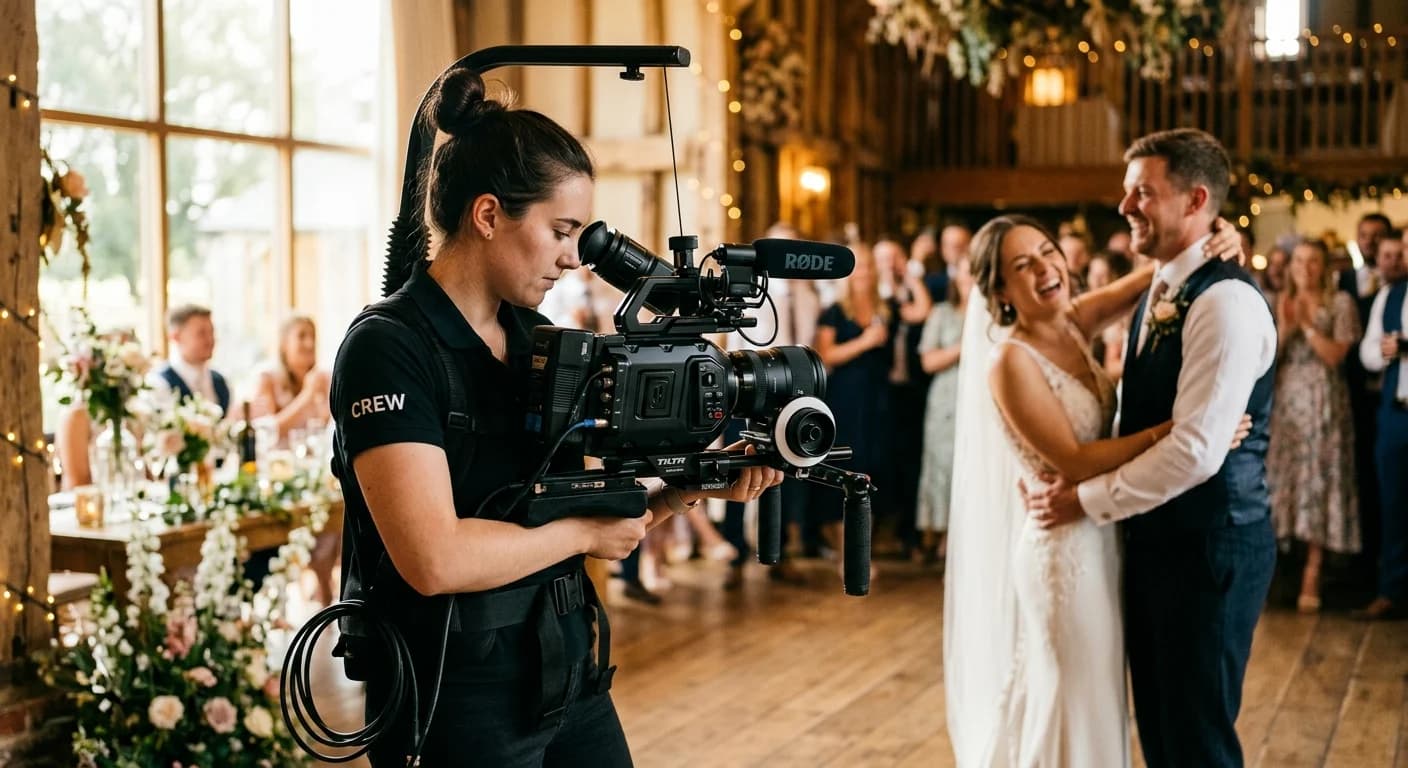
Focus on creating depth and emotional resonance by utilizing dynamic shot compositions that go beyond traditional wedding video approaches. Experiment with diverse camera angles low angle shots for dramatic effect, overhead perspectives for unique venue views, and intimate close ups that capture genuine facial expressions and tender interactions. Pay careful attention to natural lighting conditions and strategically use artificial lighting to enhance mood and atmosphere. Look for spontaneous moments between wedding party members unscripted interactions between guests and unexpected emotional reactions that reveal the true spirit of the celebration.
Develop a fluid shooting approach that balances planned shots with improvisational creativity. Move seamlessly between wide establishing shots that showcase the destination venue and intimate close ups that highlight personal connections. Use movement techniques like smooth tracking shots slow motion sequences and creative transitions to add cinematic quality to your footage. Stay alert and anticipate emotional moments before they fully unfold allowing you to capture genuine reactions and unscripted emotions that truly tell the couple’s unique love story.
Pro tip: Practice quick camera setting adjustments and develop a sixth sense for predicting emotional moments before they happen to capture truly authentic wedding day memories.
Step 5: Edit, Enhance, and Deliver the Final Film
Transforming raw wedding footage into a cinematic masterpiece requires strategic editing techniques that highlight the emotional essence of the couple’s special day. Wedding cinematography tips can help guide your creative approach to producing a truly memorable wedding film.
Begin the editing process by organizing your footage chronologically and reviewing all captured moments. Select the most compelling shots that tell a cohesive narrative while maintaining a smooth emotional flow. Focus on color grading to enhance the visual aesthetic and ensure consistent tone throughout the film. Use subtle transitions that connect different segments of the wedding day creating a seamless storytelling experience. Consider incorporating slow motion sequences for emotionally charged moments like the first kiss or the couple’s first dance to add dramatic impact.
Prepare multiple versions of the final film to meet different client preferences. Create a full length cinematic edit capturing the entire wedding day experience along with a shorter highlight reel that distills the most powerful moments into a concise narrative. Ensure high quality audio integration by carefully balancing background music with genuine ceremony and reception sounds. Develop a consistent color palette that reflects the destination wedding’s unique atmosphere and the couple’s personal style. Export the final films in multiple resolutions to accommodate various viewing platforms including social media professional screening and personal archival purposes.
Pro tip: Always maintain backup copies of raw footage and edited versions on multiple storage devices to protect against potential data loss.
Capture Your Destination Wedding Story with Candid Studios
Planning a destination wedding involves navigating complex challenges from selecting venues with perfect lighting and scenery to preparing versatile video equipment that can adapt to unpredictable settings. You want to preserve every emotional, cinematic moment with expert storytelling and professional quality. At Candid Studios, we understand the importance of transforming raw footage into stunning films that truly reflect your unique celebration.
Our award-winning team specializes in destination wedding videography across Colorado and Florida. We combine proprietary curated editing styles with AI-driven enhancements to deliver breathtaking visuals. From thorough planning and shot list development to creative filming and seamless editing, we ensure your wedding narrative is captured with precision and heart. Explore how we bring cinematic wedding videos to life on our main website.
Plan your perfect wedding film today.
Experience the difference of working with experts who tailor every detail to your vision. Visit Candid Studios now to schedule a consultation, discover competitive pricing starting at $425/hr, and learn more about how we support destination weddings. Don’t miss the chance to secure your date and create memories that last forever. Start your journey here at Destination Wedding Videography and see why countless couples trust Candid Studios for their special day.
Frequently Asked Questions
How can I assess a destination venue for videography?
Assess a destination venue by evaluating its lighting, layout, and surroundings. Visit the site to determine optimal shooting angles and backgrounds, while checking for any filming restrictions or requirements from venue management.
What equipment should I pack for destination wedding videography?
Pack high-performance cameras capable of 4K resolution, versatile lenses, and professional audio gear. Create a checklist and prioritize equipment based on your filming needs, ensuring you have backup options for memory and power.
How do I create a storyboard for a wedding video?
Develop a storyboard by segmenting the wedding day into key phases and detailing a shot list for each segment. Collaborate with the couple to identify moments they want captured and ensure your shots reflect the emotional tone of the celebration.
What techniques can enhance my wedding videography?
Utilize dynamic shot compositions, varying camera angles, and close-up shots to capture genuine emotions. Stay alert for spontaneous moments and use camera movement techniques to add a cinematic quality to your footage.
How should I edit a destination wedding film for the best results?
Edit your wedding film by organizing footage chronologically and selecting the most compelling shots that tell a cohesive narrative. Focus on color grading and transitions to create a seamless storytelling experience, and prepare both a full-length edit and a highlight reel.
What should I include in my backup strategy for wedding footage?
Include multiple copies of both raw and edited footage on different storage devices to safeguard against data loss. Regularly update your backups and ensure they are easily retrievable for client requests or future projects.