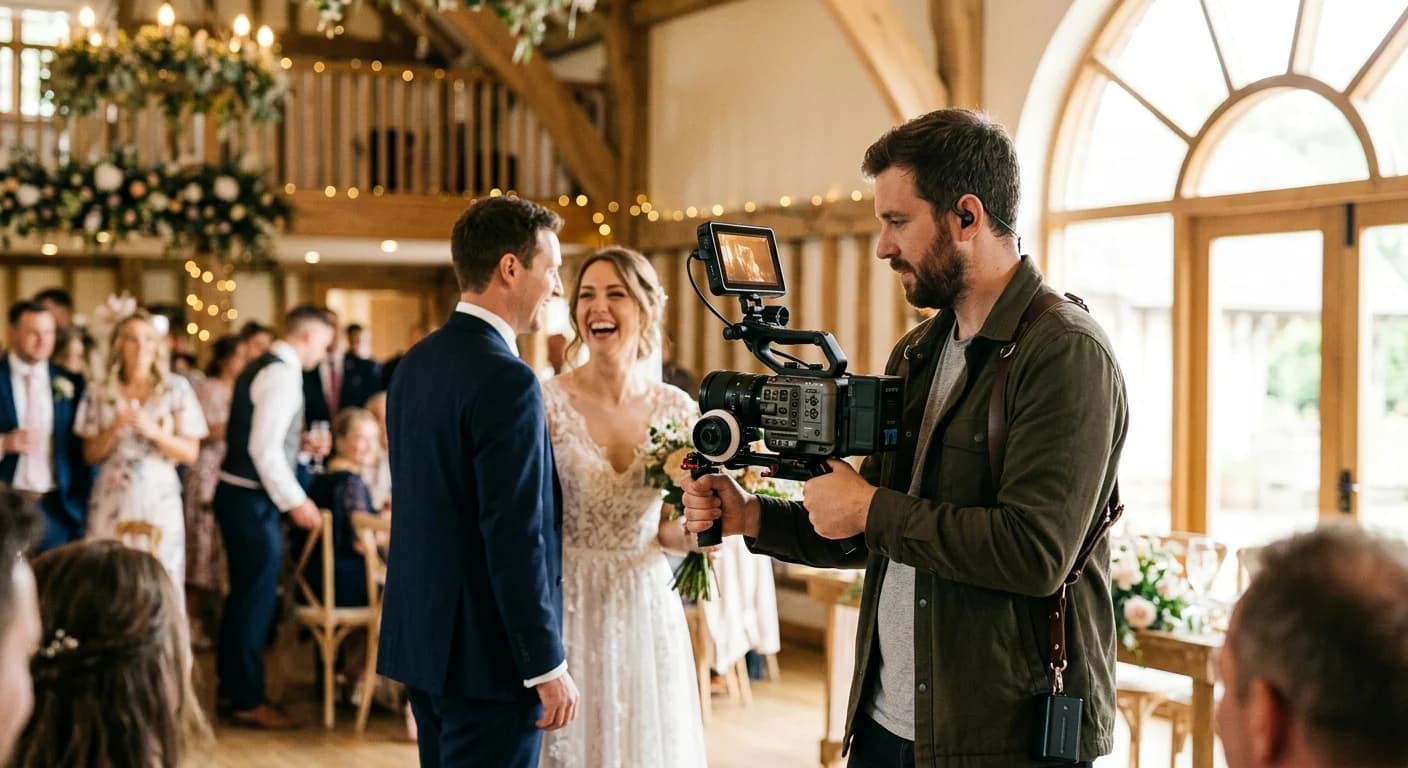
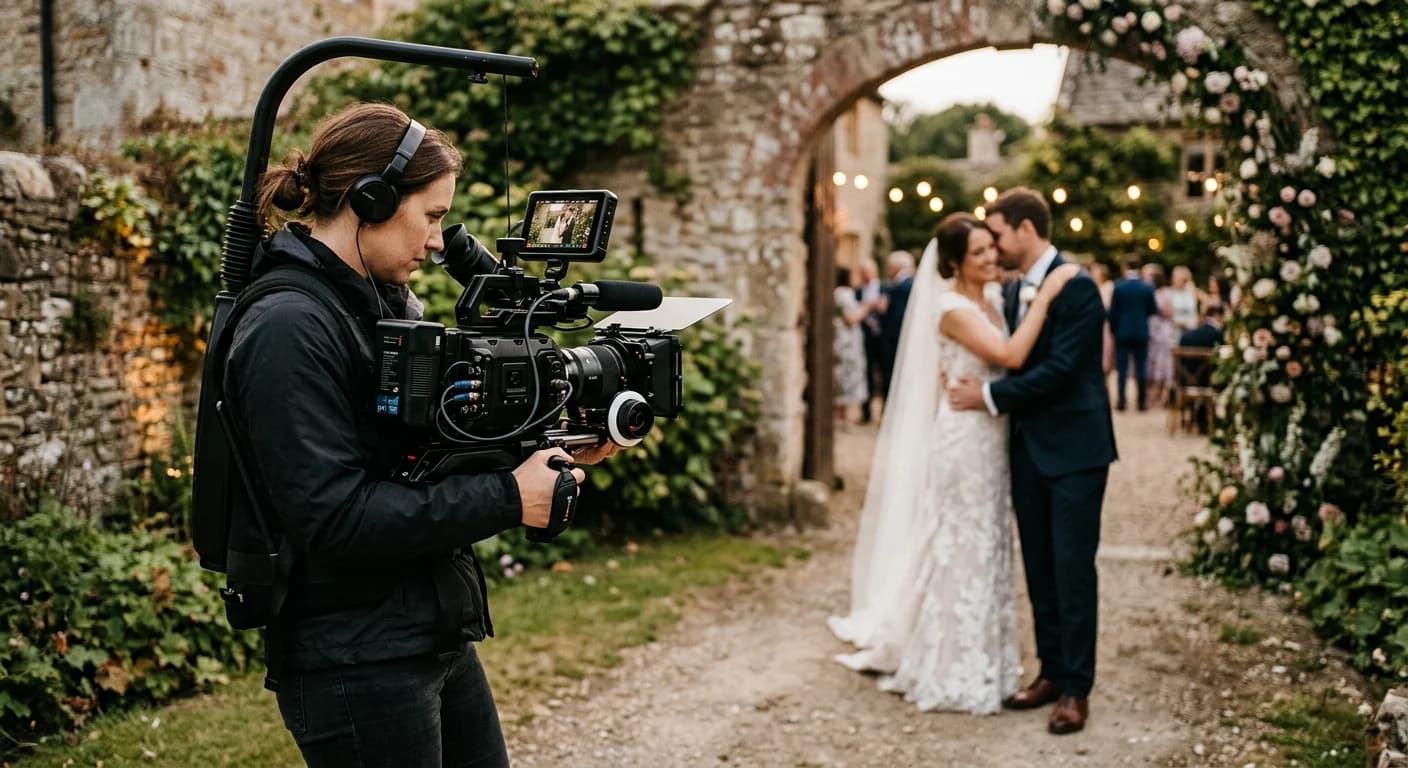
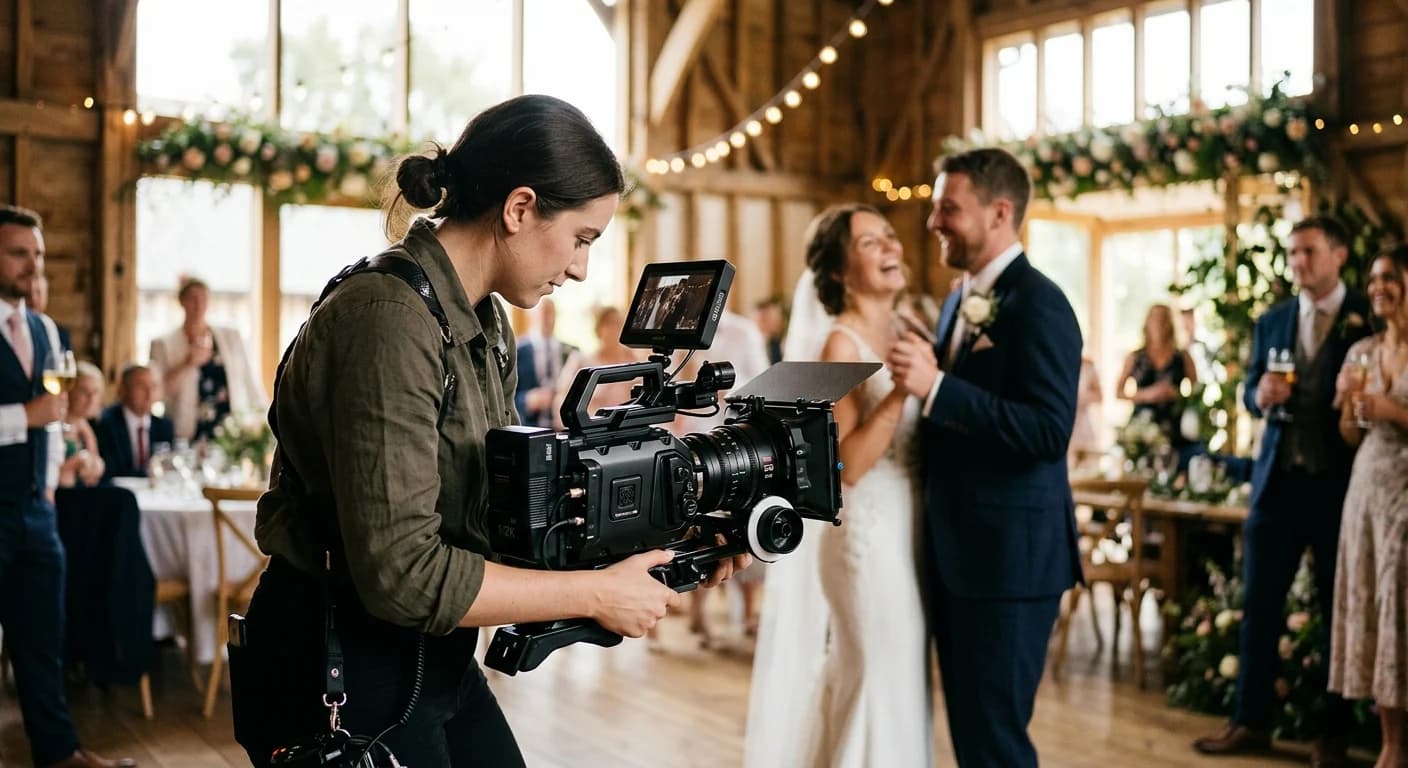
Defining Destination Wedding Videography – Why It Matters
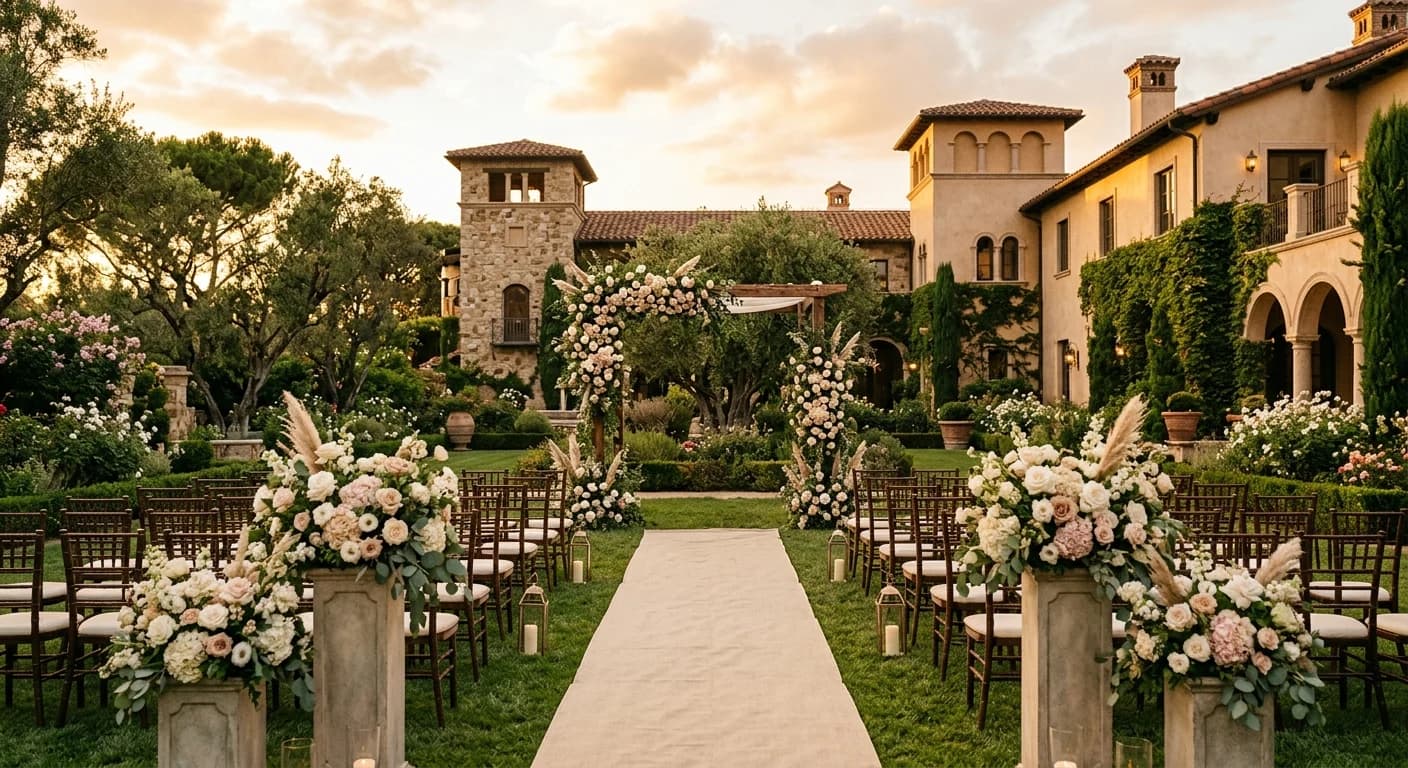
Choosing the right videography team is one of the most important decisions Florida couples face when planning a destination wedding. Documenting your celebration means capturing more than vows or first dances—it is about weaving your personal story with the vibrant culture and scenery of your chosen location. With style options blending candid, cinematic, and documentary approaches, you gain a chance to preserve every breathtaking detail in a truly unforgettable film.
Table of Contents
- What Defines Destination Wedding Videography
- Popular Styles And Visual Storytelling Approaches
- Key Moments And Unique Filming Challenges
- Planning Logistics: Travel, Venues, And Scheduling
- Cost Factors And Common Budgeting Pitfalls
Key Takeaways
| Point | Details |
|---|---|
| Unique Storytelling | Destination wedding videography focuses on immersive storytelling that integrates the wedding’s location, offering a cinematic experience. |
| Diverse Styles | Popular styles include photojournalistic, cinematic, and documentary, each with distinct techniques that capture the essence of the event. |
| Logistical Complexity | Planning requires meticulous arrangements for travel, equipment, and scheduling to ensure seamless documentation of the wedding experience. |
| Budget Considerations | Couples should account for direct and hidden costs, planning a contingency fund to manage unexpected expenses effectively. |
What Defines Destination Wedding Videography
Destination wedding videography transcends traditional wedding documentation, emerging as a specialized art form that captures more than just ceremonial moments. Immersive storytelling approaches transform wedding films into cinematic experiences that integrate cultural landscapes, scenic beauty, and personal narratives.
At its core, destination wedding videography represents a dynamic storytelling medium where geographic location becomes an integral character in the wedding narrative. Unlike standard local wedding videos, these productions intentionally showcase the unique environmental context – whether it’s a tropical beach in Hawaii, a historic castle in Europe, or a remote mountain setting. The videographer’s role expands from mere documentarian to visual storyteller, capturing not just wedding events but the entire experiential journey.
Key defining characteristics of destination wedding videography include comprehensive environmental integration, narrative depth, and technical adaptability. Videographers must navigate complex lighting conditions, unpredictable outdoor environments, and cultural nuances while maintaining high production quality. They utilize advanced stabilization technologies, multiple camera angles, and cinematic techniques to create dynamic visual stories that reflect both the couple’s personal connection and the destination’s inherent beauty.
Pro tip: When selecting a destination wedding videographer, prioritize professionals with proven experience in diverse international settings and a portfolio demonstrating adaptive storytelling capabilities.
Popular Styles and Visual Storytelling Approaches
Destination wedding videography has evolved into a sophisticated art form with diverse visual storytelling techniques. Contemporary styles blend traditional and modern approaches, creating immersive narratives that go far beyond standard wedding documentation. Videographers now employ a range of cinematic techniques to capture the emotional essence and unique atmosphere of destination weddings.
The most prominent visual storytelling styles include photojournalistic, cinematic, and documentary approaches. Photojournalistic styles prioritize candid moments and authentic interactions, capturing spontaneous emotions without staged interventions. Cinematic techniques involve dramatic lighting, dynamic camera movements, and carefully composed shots that transform wedding videos into near-professional film experiences. Documentary approaches focus on unfiltered storytelling, presenting a raw and genuine representation of the wedding day’s progression.
Technological advancements have dramatically expanded creative possibilities in destination wedding videography. Drone cinematography now allows breathtaking aerial perspectives that showcase the wedding’s stunning geographic context, while advanced stabilization technologies enable smooth, professional-grade footage in challenging environments. Multicamera setups and 4K resolution have become standard, allowing videographers to create rich, multilayered visual narratives that capture every nuanced moment from multiple perspectives.
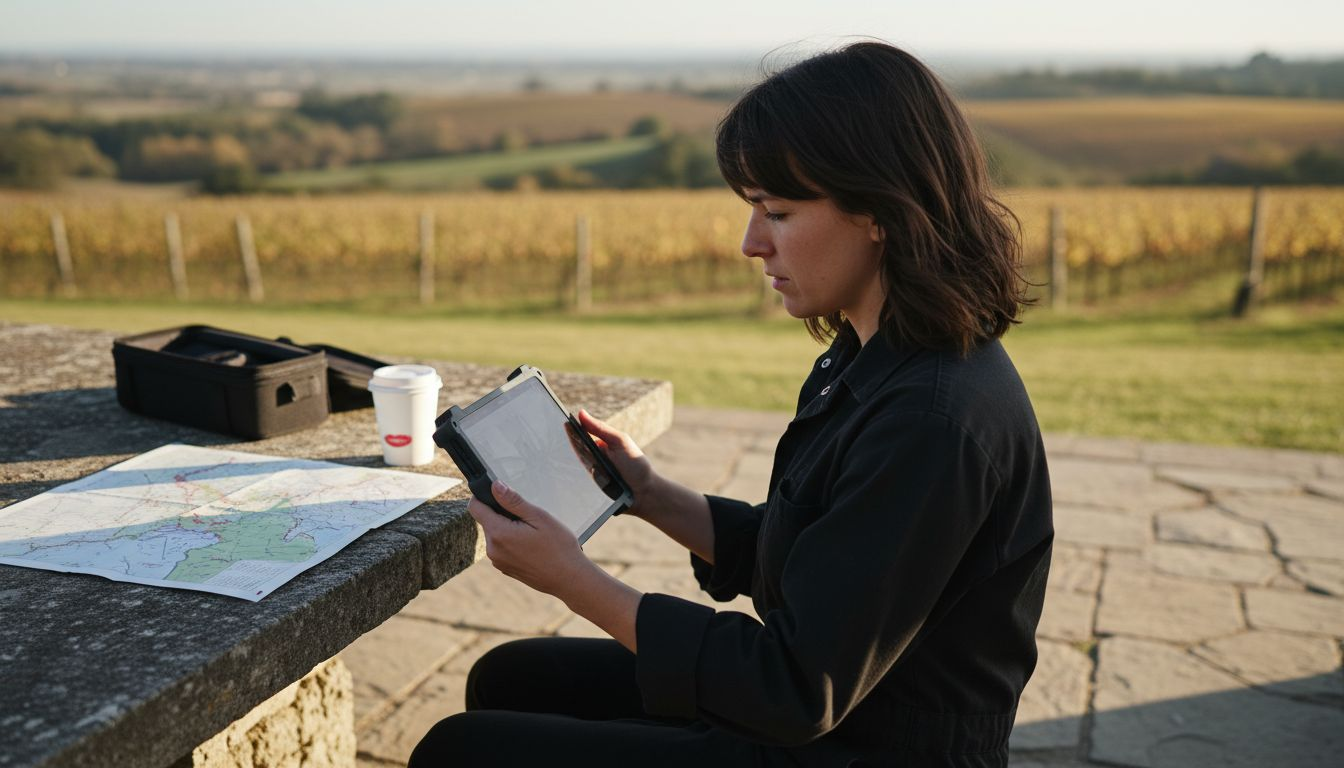
The following table summarizes popular destination wedding videography styles and how they differ:
Style
Visual Focus
Typical Techniques
Ideal For
Photojournalistic
Candid, real moments
Minimal posing, natural lighting
Couples valuing authenticity
Cinematic
Dramatic, film-like scenes
Slow motion, creative angles
Couples seeking a movie feel
Documentary
Comprehensive story arc
Sequential, natural progression
Couples wanting full coverage
Pro tip: Request sample wedding films from potential videographers to understand their specific storytelling style and ensure it matches your vision for documenting your destination wedding experience.
Key Moments and Unique Filming Challenges
Destination wedding videography presents a complex array of filming challenges that demand exceptional technical skill and creative problem-solving. Professional videographers must navigate unpredictable environmental conditions, cultural nuances, and logistical complexities while capturing the most significant moments of a couple’s special day. Wedding videography questions become critical when planning for these intricate destination events.
Critical moments in destination wedding videography extend far beyond traditional ceremony coverage. Videographers must anticipate and expertly capture preparatory scenes, cultural rituals, intimate interactions, and panoramic landscape shots that tell a comprehensive story. Key moments include pre-wedding cultural ceremonies, getting ready sequences in unique locations, first look interactions against breathtaking backdrops, ceremony highlights, and reception celebrations that reflect the destination’s unique character.
Unique filming challenges in destination weddings require extraordinary technical and interpersonal adaptability. Videographers must contend with varied lighting conditions, potential language barriers, complex travel logistics, unexpected weather changes, and limited equipment transportation options. Specialized gear like waterproof cameras, stabilization equipment, and compact drone technologies become essential for capturing high-quality footage in challenging environments. Professional destination wedding videographers must also possess deep cultural sensitivity and the ability to seamlessly integrate into diverse wedding traditions while remaining unobtrusive.
Pro tip: Discuss potential environmental challenges with your destination wedding videographer in advance and ensure they have specialized equipment and backup plans for capturing your most important moments.
Planning Logistics: Travel, Venues, and Scheduling
Destination wedding videography requires meticulous planning and strategic logistics management. Complex destination wedding logistics demand comprehensive preparation months in advance to ensure seamless documentation of the wedding experience. Successful videographers must navigate intricate travel arrangements, equipment transportation challenges, and precise scheduling protocols that go far beyond traditional wedding filming.
Travel planning represents a critical component of destination wedding videography logistics. Professionals must carefully coordinate international or remote travel, considering factors like equipment transportation restrictions, potential customs challenges, and backup gear requirements. This involves obtaining necessary filming permits, understanding local regulations, and creating detailed contingency plans for potential travel disruptions. Videographers typically recommend arriving at the destination at least two days before the wedding to conduct location scouting, test equipment in specific lighting conditions, and establish relationships with local vendors.
Venue coordination demands exceptional communication and adaptability from wedding videographers. Each destination presents unique challenges, from restricted filming areas in historic sites to complex lighting conditions in outdoor venues. Professionals must collaborate closely with wedding planners, venue managers, and local coordinators to understand specific venue rules, identify optimal filming locations, and create a comprehensive shooting schedule that captures every significant moment without disrupting the wedding’s natural flow. This requires not just technical expertise, but also cultural sensitivity and professional flexibility.
Pro tip: Create a detailed destination wedding filming itinerary that includes comprehensive equipment checklists, backup gear options, and contingency plans for potential travel or filming challenges.
Cost Factors and Common Budgeting Pitfalls
Destination wedding videography involves complex financial considerations that extend far beyond standard wedding video pricing. Comprehensive destination wedding expenses encompass multiple layers of potential costs that couples must carefully evaluate. Understanding these financial intricacies helps prevent unexpected budget surprises and ensures transparent pricing negotiations with professional videography teams.
The primary cost factors include travel expenses for videographers, specialized equipment transportation, accommodation requirements, local permit fees, and potential additional coverage days. Destination wedding videography typically involves higher base rates due to increased logistical complexity. Professional videographers often charge premium rates that range from 30% to 75% above standard local wedding video packages, reflecting the extensive planning, travel, and technical challenges associated with remote location filming.
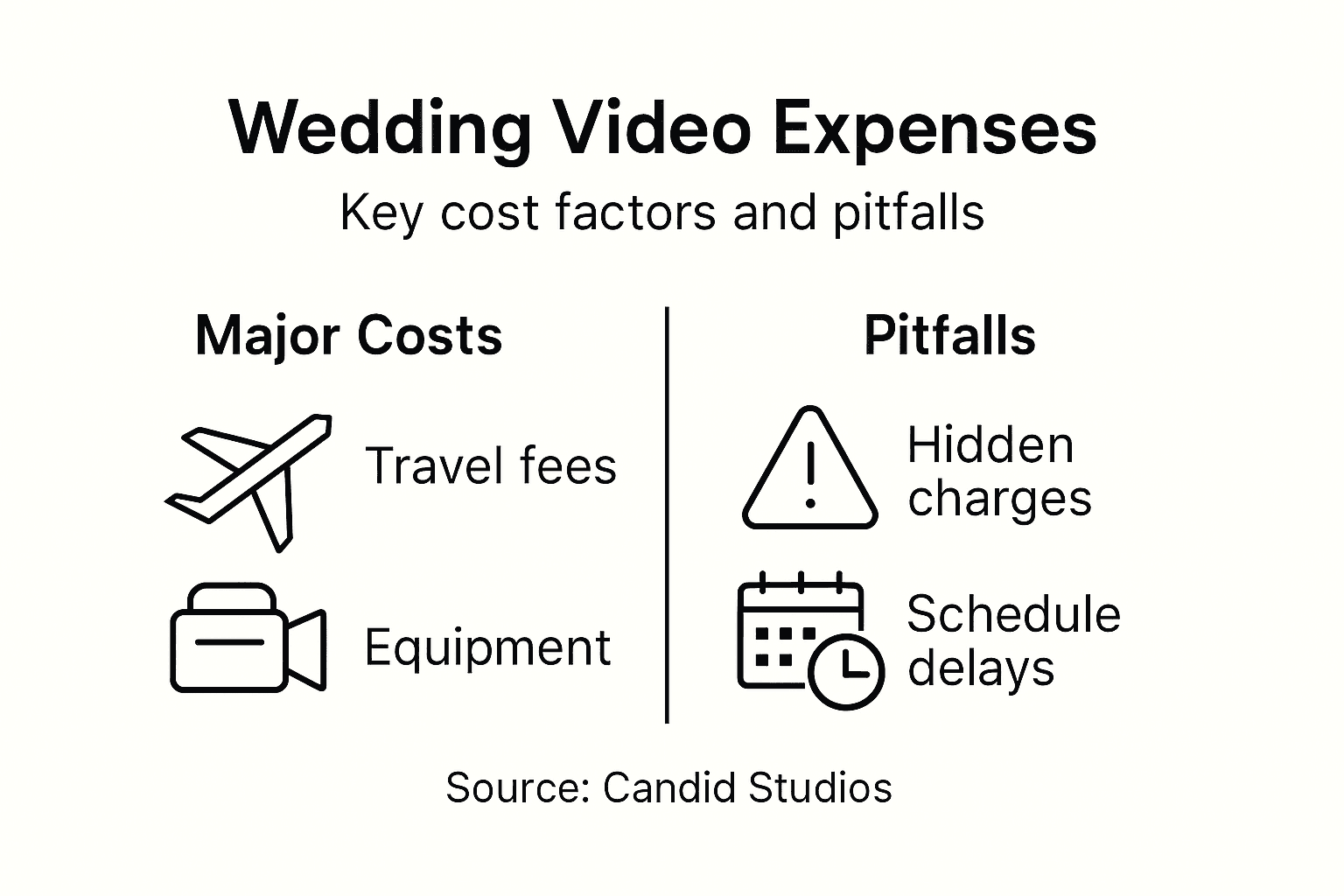
Common budgeting pitfalls frequently emerge from underestimating indirect expenses and failing to account for potential contingencies. These hidden costs might include equipment insurance for international travel, backup gear rental, local transportation for videography teams, potential language translation services, and additional shooting days to accommodate travel-related scheduling challenges. Couples should budget a 15-20% contingency fund to manage unexpected expenses and ensure comprehensive wedding documentation without financial stress.
Here is a quick overview of major cost factors and hidden expenses in destination wedding videography:
Expense Type
Typical Example
Why It’s Important
Travel Costs
Flights, transport, visas
Affects budget and planning
Equipment Transport
Shipping, extra baggage fees
Ensures gear arrives safely
Local Permits/Fees
Venue filming permits, local taxes
Essential for legal compliance
Indirect/Hidden Costs
Insurance, extra days, translations
Prevents budget overruns
Pro tip: Request a detailed, itemized pricing breakdown from destination wedding videographers that explicitly lists all potential expenses, including travel, equipment, and additional coverage costs.
Capture Your Destination Wedding Story with Candid Studios
Planning a destination wedding comes with unique challenges like lighting, travel logistics, and capturing every meaningful moment in stunning locations. If you want your wedding film to blend cinematic artistry with authentic storytelling that reflects the spirit of your chosen destination, expert videography is essential. Candid Studios specializes in destination wedding videography offering tailored editing styles and advanced technology to deliver breathtaking visual narratives that honor your special day.
Don’t let complex logistics or hidden costs derail your wedding memories. With competitive pricing starting at $425/hr, flexible service locations across Colorado and Florida, and consultation options to customize your vision, Candid Studios ensures your cinematic wedding experience is flawlessly captured. Explore how we transform your wedding journey into a timeless film by visiting our website and learn more in our destination wedding services. Secure your booking now to create a beautiful story you will cherish forever.
Frequently Asked Questions
What is destination wedding videography?
Destination wedding videography is a specialized form of wedding documentation that captures not only the ceremonial moments but also integrates the unique geographic and cultural context of the wedding location.
Why is storytelling important in destination wedding videography?
Storytelling is crucial as it transforms wedding films into immersive cinematic experiences, showcasing the couple’s connection, the environment, and the unique cultural aspects of the wedding.
What are common styles used in destination wedding videography?
Popular styles include photojournalistic, cinematic, and documentary approaches. Each style offers different visual focuses and techniques, allowing couples to choose the narrative that best fits their wedding vision.
What are the unique challenges faced in destination wedding videography?
Unique challenges include unpredictable lighting and weather conditions, cultural nuances, complex travel logistics, and the need for specialized equipment to ensure high-quality footage in diverse environments.