Your Guide to Business Video Production
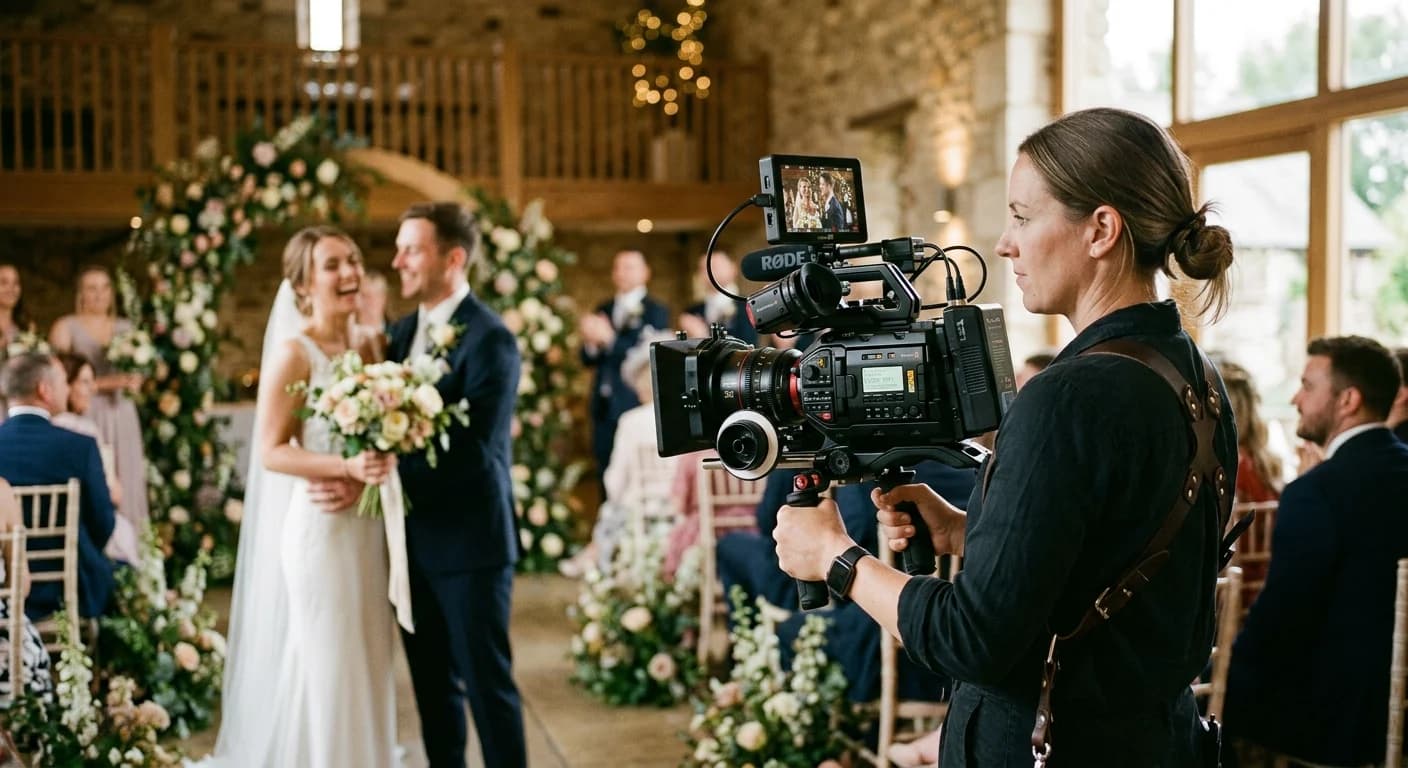
When we talk about business video production, we're not just talking about hitting the record button on a camera. It's the entire, deliberate process of creating video content that's built from the ground up to hit a specific business target. It’s a complete journey from initial concept to final delivery, designed to grab your audience's attention and get them to act.
What Is Business Video Production Really About

Think of it less like a task and more like building a communication engine for your company. This engine takes your big ideas, company culture, and product features and turns them into visual stories that actually connect with people. Much like an architect wouldn't start building without a detailed blueprint, a video team doesn't roll camera without a solid game plan.
At its heart, this is all about solving problems. Whether you're trying to boost sales, get your name out there, or train your team, video is an incredibly effective way to do it. The real magic happens when every single decision—from the tone of the script to the pace of the editing—is intentionally made to support that end goal.
Beyond Just Pressing Record
It’s a common misconception that all you need for great video is a fancy camera. The truth is, the real value comes from the expertise and strategy behind the camera. Professional production is a blend of several connected skills, all working together to create a final video that’s both polished and powerful.
So, what does that actually involve?
- Strategic Planning: This is where we figure out the "why." We define the video's purpose, pinpoint the exact audience we want to reach, and set clear goals to track its success.
- Creative Development: Here, the idea starts to take shape. We write a script that resonates, sketch out storyboards to map the visuals, and establish the overall creative direction.
- Logistical Coordination: This is the nitty-gritty of making it happen. We're talking about scheduling shoots, finding the perfect locations, casting the right people, and getting all the gear in place.
- Professional Execution: On filming day, it's all about capturing pristine footage and crystal-clear audio with professional-grade equipment and an experienced crew.
- Post-Production Polish: In the edit suite, we assemble the story. This includes editing the footage, adding graphics and music, correcting the color, and getting the video ready for wherever it will be seen.
Business video production is an investment in clarity. It cuts through the noise of text-based content to deliver a message that is not only seen and heard but also felt and remembered.
Ultimately, this methodical process ensures you get more than just a moving picture; you get a strategic asset built to communicate. To see how this all comes together for real-world results, our guide on video production for business offers a closer look.
Why Professional Video Is a Non-Negotiable Investment
In a market this crowded, just having a video isn’t the win it used to be. The quality of that video is a direct reflection of your brand, and audiences decide what they think of you in a matter of seconds. Investing in professional business video production is what separates the brands that look like amateurs from the ones that command respect as industry leaders.
Think of it this way: a shaky, poorly lit video with muffled audio is the digital equivalent of showing up to a major client meeting in wrinkled clothes. It immediately signals a lack of care and chips away at your credibility before you've even made your pitch. A professionally produced video, on the other hand, is your best-dressed, most articulate brand ambassador—working for you 24/7 to build trust and authority.
Building Trust Through Quality
High-quality video production isn't just about looking slick; it’s about building a solid foundation of trust with your audience. When people see crisp visuals, hear clear audio, and follow a story that makes sense, it tells them you care about your brand and, by extension, them. That professionalism makes potential customers feel much more confident about choosing you.
This investment pays off by forging a real connection. Viewers who see the effort and polish you've put into your content are far more likely to believe in the quality of your products or services. It’s an incredibly effective way to turn casual browsers into loyal customers who genuinely trust what you have to say.
Driving Tangible Business Results
Professional video isn’t just a line item in your creative budget—it's a strategic asset that delivers a measurable return. It’s a powerful engine for the metrics that actually matter, from generating qualified leads to boosting conversion rates. For example, The impact of corporate videography on your West Palm Beach business can be seen in stronger local recognition and a noticeable lift in customer engagement.
The shift is clear. Video marketing has exploded, and the vast majority of businesses now use it in their strategies. Most video marketers consider it an essential part of their toolkit, which shows a clear consensus on just how critical it has become.
A professional video doesn't just tell people what you do; it shows them the value you provide. It’s the fastest way to communicate competence, build rapport, and inspire action, making it one of the most effective tools for business growth today.
To make sure your investment actually delivers, you need to stick to what works. Following established video production best practices is the best way to ensure your project meets its goals. Ultimately, this commitment to quality is what separates the videos that get ignored from the ones that get results.
The Three Phases Of Bringing A Video To Life
Creating a killer business video isn't something that just happens; it's a carefully planned journey. Think of it like building a custom home. You wouldn't just start throwing up walls without a solid blueprint, right? The same goes for video. The entire business video production process is universally broken down into three clear, manageable phases: Pre-Production, Production, and Post-Production.
Getting a handle on this framework pulls back the curtain on how professional videos are made. It gives you a roadmap from that first spark of an idea to the final, polished product. Each stage has its own set of goals and critical tasks that build on one another, making sure nothing gets missed. It's this structured approach that separates videos that get results from amateur attempts that just fall flat.
This infographic neatly shows how that strategic investment in video builds the kind of trust that ultimately generates real leads for your business.
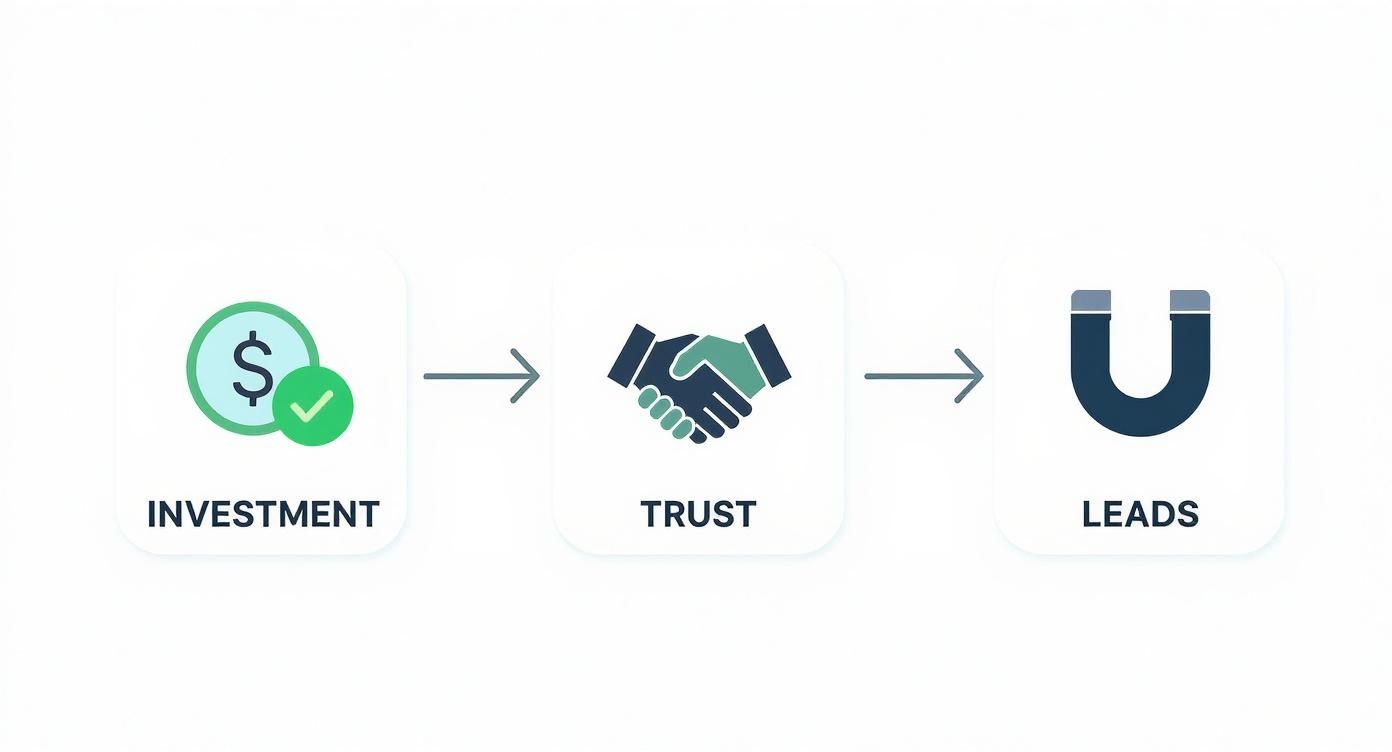
As you can see, a well-produced video becomes a powerful asset. It works around the clock to build your brand’s credibility and fuel real, sustainable growth.
Phase 1: Pre-Production And Planning
Let's be clear: this is the most important phase. Pre-production is where you lay the entire foundation for the project. So much of a video's success is locked in before a camera even starts rolling. It’s all about strategy, meticulous planning, and getting every detail ironed out. Rushing or skipping steps here almost always leads to expensive mistakes and a video that just doesn't hit the mark.
Key activities during this crucial planning stage include:
- Defining Your 'Why': What do you really want this video to achieve? Is it about driving sales, explaining a complex service, or simply getting your name out there?
- Scripting and Storyboarding: This is where your message gets its voice and your visual story takes shape. A tight script is the backbone of a clear, compelling narrative.
- Nailing Down the Logistics: This covers everything from finding the perfect location and casting the right talent to assembling a crew and creating a detailed shoot schedule.
For a deeper dive into the nitty-gritty of this stage, check out this guide on how to make videos that genuinely connect with people.
Phase 2: Production And Filming
With a rock-solid plan in hand, the production phase is where the magic starts happening. This is the "lights, camera, action!" part of the process, where all the elements you planned are finally captured. The whole focus here is on flawless execution—capturing high-quality video and crystal-clear audio that will give the editors great material to work with.
To give you a clearer picture of how these phases work together, here's a simple breakdown of the entire workflow:
The Business Video Production Workflow
| Phase | Key Activities | Primary Goal |
|---|---|---|
| Pre-Production | Concept development, scriptwriting, storyboarding, location scouting, casting, scheduling. | To create a comprehensive and foolproof plan for the entire project. |
| Production | Filming video footage, recording audio, directing talent, managing the set. | To capture all necessary visual and audio elements according to the plan. |
| Post-Production | Editing, color grading, sound design, adding graphics, final revisions, and delivery. | To assemble, refine, and polish the raw materials into a finished video. |
A successful day on set is a direct reflection of how well you planned. The smoother the shoot, the better the pre-production was. A professional crew, the right gear, and a clear plan are non-negotiable. This is also where finding the right people makes all the difference. Our guide on hiring a business videographer can walk you through making that critical decision.
Phase 3: Post-Production And Finalizing
The final phase, post-production, is where your story truly comes to life. All the raw footage and audio clips are pieced together, refined, and polished into the final video you envisioned. It’s an intricate dance of creativity and technical skill, where editors, sound designers, and motion graphics artists work their magic.
This stage includes:
- Editing: Weaving the best takes into a story that flows and keeps viewers hooked.
- Color Grading: Setting the visual mood and ensuring every shot looks consistently professional.
- Sound Design: Layering in music, sound effects, and mixing the audio so it’s crisp and impactful.
- Graphics and Effects: Adding text, logos, or animations that support your message and reinforce your brand.
Choosing the Right Video for Your Business Goals
Not all videos are created equal. You wouldn't use a screwdriver to hammer a nail, and you wouldn't use a high-energy brand anthem to explain a complex software feature. The real secret to successful business video production is picking the right tool for the job.
Before you ever hit record, you need to be crystal clear on what you’re trying to accomplish. What does a "win" look like for this project? Are you trying to get your name out there? Generate more qualified leads? Make a complicated product feel simple? Each of these goals calls for a completely different kind of video. Getting this right from the start means your investment delivers real, measurable results.
Matching Video Types to Your Goals
Think of the different video formats as specialists on your marketing team. Each one has a unique skill set and shines at different points in a customer's journey. By understanding what each type of video does best, you can build a smart strategy that guides people from "Who are you?" to "Where do I sign up?"
Here are some of the most effective types of videos businesses use:
- Explainer Videos: These are your go-to for breaking down a complex idea, product, or service into something anyone can understand. They’re brilliant for grabbing attention early on and making your value proposition stick.
- Customer Testimonials: When you need to build trust, nothing beats a real story from a happy customer. These videos provide powerful social proof, letting your advocates sell your brand for you.
- Product Demos: Ready to close the deal? A product demo shows your product in action, highlighting exactly how it solves your customer's biggest problems. It’s a direct line to driving sales.
Choosing the right video format is the difference between making content that just exists and creating a strategic asset that actively grows your business. The right video speaks to the right person at just the right moment.
The Power of Explainer Videos
There’s a reason explainer videos have become a staple for so many companies: they just work. They’re fantastic at simplifying information and holding onto a viewer's attention.
It’s no surprise that explainer videos are one of the most popular formats marketers create. The results speak for themselves. Explainer videos have been shown to reduce product returns and lift engagement on product pages that feature them. That’s a direct impact on your bottom line.
To get a closer look at how video can shape your company's identity, check out our guide on brand video production.
How to Budget for Your Business Video
Let's talk about money. It can feel like a tricky subject, but figuring out a budget for your business video production is more straightforward than you might think. The main thing to remember is that you aren't just buying a finished product. You're investing in a project with a lot of moving parts, and every single part has a cost attached to it.
I like to compare it to building a house. The size of the house, the quality of the materials, the number of specialists needed—all of these things shape the final price tag. In the same way, a video's cost is a direct reflection of its complexity. A simple testimonial video shot in one location with a two-person crew is going to be far less expensive than a big commercial shoot that spans multiple days with actors, special effects, and custom animation.
Being upfront about your budget from the get-go is a game-changer. It lets a production company know what's realistic, so they can pitch a creative concept that actually fits what you're prepared to invest.
Key Factors That Drive Production Costs
Knowing what you’re paying for is the first step toward setting a smart budget. Every project has its own unique needs, of course, but the costs almost always fall into a few core buckets. Once you understand how these elements work together, you'll feel much more confident when talking about pricing.
Here are the main things that determine a video's budget:
- Crew Size and Expertise: This covers everyone on set, from the director and camera operators to the sound mixers and lighting grips. A larger, more seasoned crew brings a higher level of polish and efficiency, but that expertise comes with a higher day rate.
- Equipment Needs: The gear can be as simple as a camera and a mic, or it can get much more involved. Think drones for epic aerial shots, high-end cinema cameras, stabilizers for smooth movement, and sophisticated lighting setups.
- Talent and Casting: If you need professional actors, a voice-over artist, or even a paid host to be the face of your video, their fees are a key part of the budget.
- Location and Logistics: This bucket includes costs for renting a studio or a specific property, travel and lodging for the crew if you're shooting out of town, and any permits required for filming in public areas.
- Post-Production Complexity: This is often the biggest variable. A basic edit is one thing, but adding custom motion graphics, professional color grading, intricate sound design, and visual effects requires a ton of time and specialized skills in the editing suite.
Your budget doesn't just dictate the quality of the final video—it defines the creative possibilities from the start. A realistic budget empowers a production team to assign the right talent and tools to truly bring your vision to life.
For a much deeper dive, our guide to corporate video production costs breaks down how these factors translate into actual numbers. By getting a handle on these core drivers, you can make informed decisions and ensure your investment leads to a video that nails your business goals.
Successful Business Videos in Action
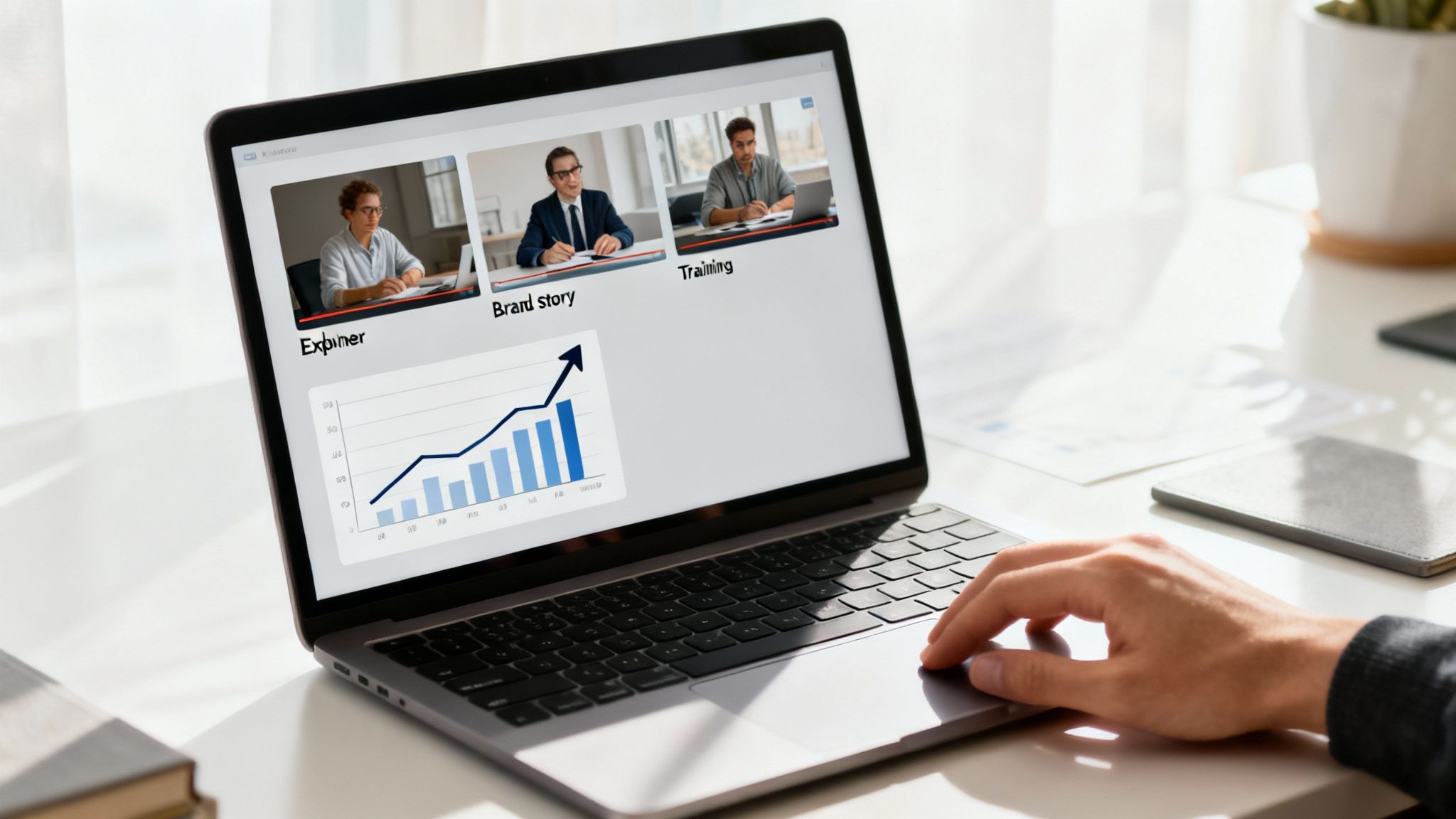
Talking about process and strategy is one thing, but seeing it all come together is what really drives the point home. The true power of smart business video production isn't in the theory—it's in the results.
Let’s look at a few illustrative scenarios where the right video strategy solves a specific business problem. These examples show how different types of videos can address very specific business challenges, giving you a taste of what’s possible.
The B2B Explainer Video That Simplified Complexity
Imagine a SaaS company with an incredibly powerful logistics platform. Their problem? The software was so packed with features that potential customers felt buried in options during sales calls. This complexity was stretching out the sales cycle and causing people to drop off. They had to find a way to get the core value across, and fast.
The answer was a crisp, two-minute animated explainer video. With clean visuals and a straightforward story, the video took viewers from a common pain point to the software's elegant solution. No jargon, no fluff—just a clear demonstration of how it made life easier.
The impact was almost immediate:
- The video found a home on their homepage and became the go-to opener for every sales demo.
- With the value clear up front, prospects came to demos better informed, which helped shorten the sales cycle.
- Visitors who watched the video tended to stick around longer and engage more deeply with the site.
The B2C Brand Story That Built an Emotional Connection
A sustainable apparel brand was making fantastic products but was getting lost in the noise of a very crowded market. Their biggest hurdle wasn't quality; it was differentiation. They needed to give people a reason to care and connect with the "why" behind their eco-friendly mission.
They went all-in on a cinematic brand story video. Filmed on location, it wasn't just about selling clothes. It featured the founders talking honestly about their passion for sustainability and put a spotlight on the artisans who brought their designs to life. The whole focus was on authenticity and purpose.
This video fundamentally changed their marketing from just making sales to building relationships. It became the heart of their social media, creating a loyal community around shared values that boosted both brand love and revenue.
The Internal Training Video That Boosted Efficiency
Here’s a different kind of challenge: a manufacturing company was growing so fast that keeping safety protocols consistent across all its locations was becoming a nightmare. In-person training was a logistical and financial headache, and the message wasn't always the same. They needed a training tool that was thorough, engaging, and scalable.
They developed a series of high-quality internal training videos. Each one demonstrated the correct safety procedures using clear on-screen text and a professional voiceover. By breaking down complicated processes into easy-to-digest modules, the training became accessible and repeatable. This smart use of business video production not only streamlined their onboarding but also locked in a consistent safety culture across the entire company.
A Few Common Questions About Business Video Production
If you're new to professional video production, you probably have a few questions swirling around. That's completely normal. Let's tackle some of the most common ones we hear from clients to help clear things up.
"So, How Long Does This Actually Take?"
This is hands-down the most frequent question, and the honest answer is: it depends. A straightforward, single-location customer testimonial video? We could potentially turn that around in a week or two.
But a more involved brand story with multiple locations, actors, and custom animation? That's a different beast entirely. A project like that could easily take over a month from the first creative call to the final delivery. The timeline is always a direct result of how much planning, filming, and editing is required.
"Who Owns the Footage When It's All Done?"
This is a big one, and it's crucial to understand. In most standard agreements, you, the client, own the final, edited video. It's yours to share, promote, and use as you see fit.
However, the raw, unedited footage—all the extra takes and camera angles—typically remains the property of the production company. If you think you'll need that raw footage for future projects, you can usually negotiate a "buyout" in your contract. Just make sure to discuss this upfront so there are no surprises.
"How Do We Know if the Video Is Even Working?"
Measuring the return on your investment (ROI) is everything. The key is to define what "success" looks like before we even press record. The metrics you track will depend entirely on the video's goal.
- For a Sales or Product Video: Are you seeing a bump in conversion rates on the pages where the video is embedded? That's your primary metric.
- For a Brand Awareness Video: Here, you'll want to watch things like social media engagement, shares, website traffic from the campaign, and overall brand sentiment.
- For an Internal Training Video: Success might look like better employee performance reviews, higher quiz scores, or improved compliance rates.
When you set clear goals from the start, measuring the impact becomes a much simpler task.
Ready to create a video that delivers real results for your business? The team at Candid Studios is here to bring your vision to life with professional, cinematic storytelling. Let's discuss your project today at Candid Studios.