Backdrop for Wedding Reception: Stunning Styles & Costs
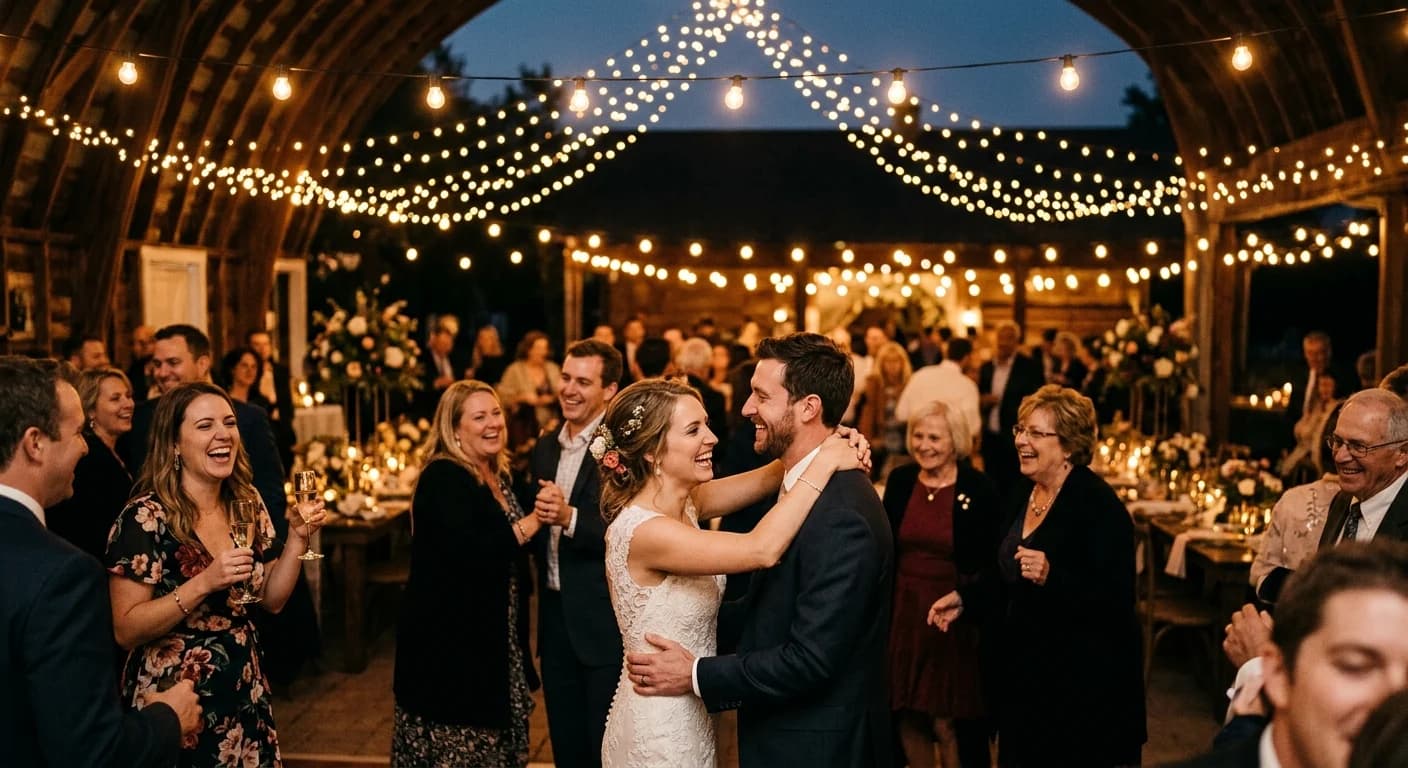
Think of your reception backdrop as more than just a pretty decoration. It's the stage for your story—a custom-built setting where some of the most important memories of your day will be made. This one element has the power to completely transform a plain room, tie your entire wedding theme together, and create a truly unforgettable experience.
Why Your Reception Backdrop Is a Main Attraction
Every detail of your wedding reception is carefully chosen to create a specific feeling for the day. While things like centerpieces and lighting are absolutely key, the reception backdrop often becomes the visual heart of the entire space. It’s what frames you at your sweetheart table, what's behind you during the toasts, and where everyone wants to take their pictures.
The growing focus on backdrops makes sense. Across the thousands of weddings we have photographed, couples are increasingly looking for ways to personalize their day and give their guests an amazing experience, and a unique backdrop is a perfect way to do that. It’s a statement piece that makes a venue feel like your venue.
More Than Just a Pretty Picture
A thoughtfully designed backdrop does a few critical jobs all at once. It immediately draws the eye, creates a natural focal point, and gives your professional photos a gorgeous, consistent look. Without one, those key moments can get lost against a bland or busy wall.
Here’s what a great backdrop really does:
- Sets the Mood: A wall of lush flowers instantly feels romantic. A modern neon sign against rich velvet drapes gives off an edgy, cool vibe. The materials and colors you choose directly shape the emotional tone of the party.
- Reinforces Your Theme: Whether you're going for rustic chic, old-school glamour, or breezy bohemian, the backdrop is your biggest and best chance to shout it from the rooftops. It connects all your other decor choices.
- Enhances Guest Experience: A beautiful backdrop naturally becomes an interactive spot. Guests will flock to it for selfies and group shots, which gives them a fun activity and a beautiful keepsake from your wedding. If you're looking for more ways to share memories, explore our guide on how to create a photo slideshow that tells your story.
A great backdrop doesn’t just sit there; it actively shapes the energy of the room. It’s the silent host that makes every photo better and every moment feel more special. When you see it as a core piece of your design, you unlock its power to make your reception truly one-of-a-kind.
Exploring Popular Wedding Backdrop Styles
Think of your reception backdrop as the stage set for your big day. It’s more than just a pretty background; it’s the visual anchor that pulls your entire wedding theme together, setting the mood and creating the perfect frame for all those unforgettable photos. Diving into the different styles is one of the most exciting parts of the design process.
So, how do all the pieces fit together? A great backdrop is the central hub connecting your theme, the atmosphere you want to create, and the photography that will capture it all.

When these elements are in sync, the result is a stunning, cohesive look that feels completely you. Let's walk through some of the most popular styles that nail this every time.
Timeless Romance: Florals and Draping
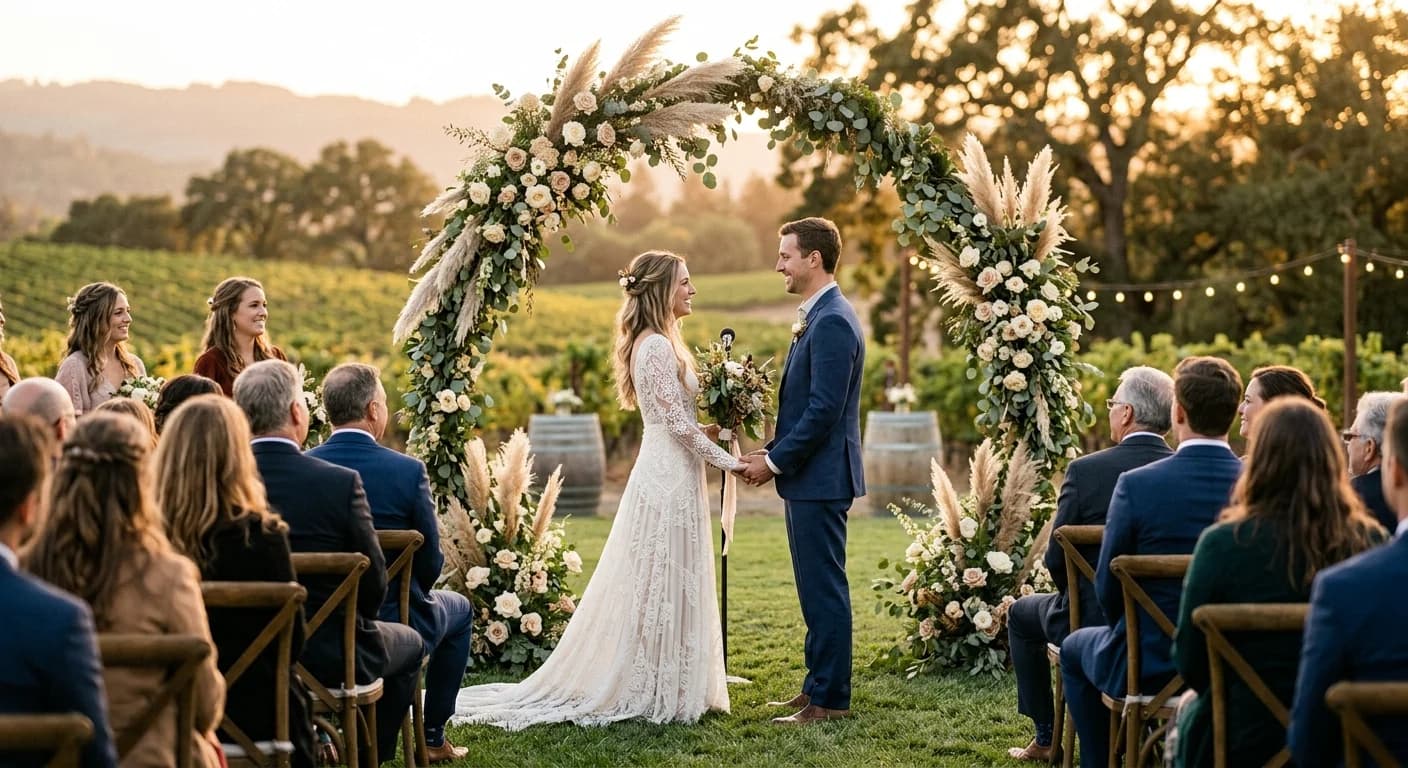
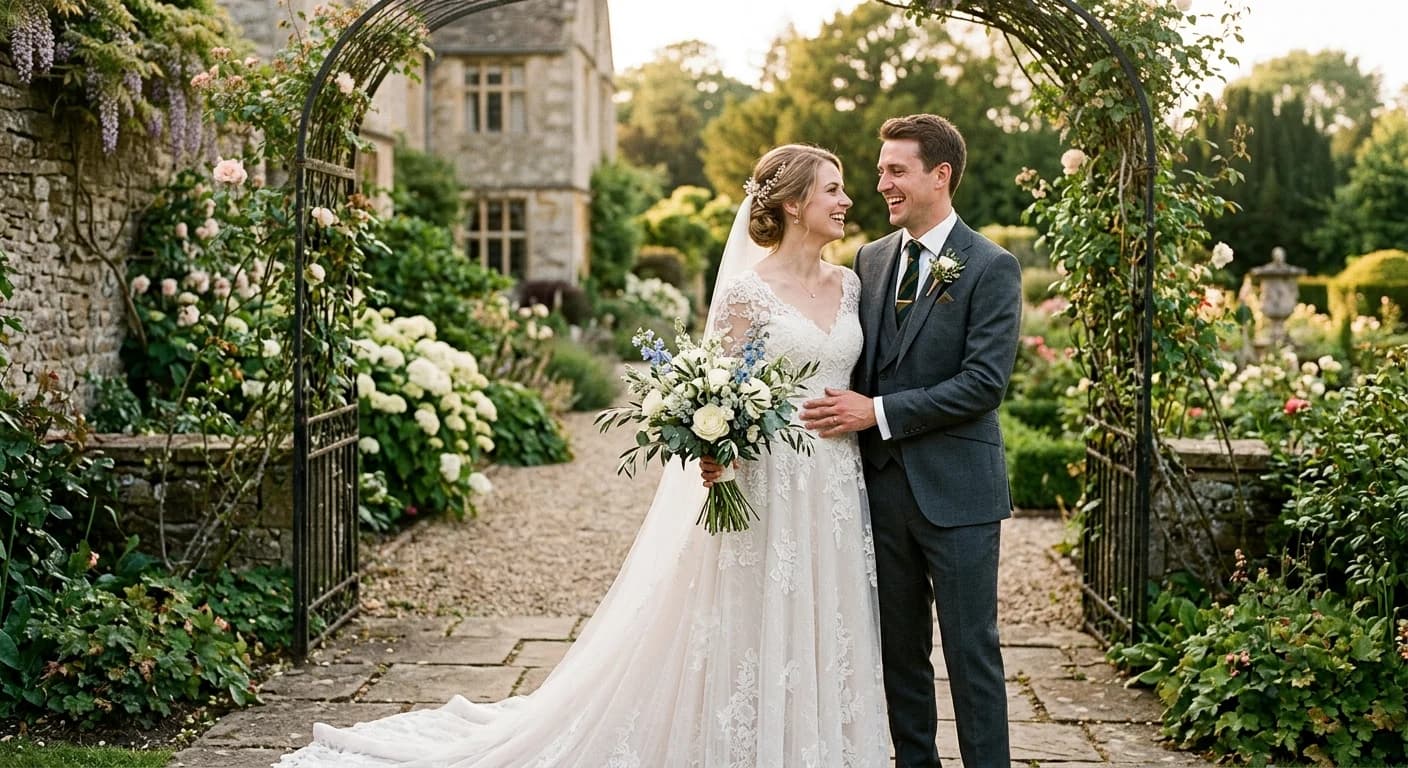
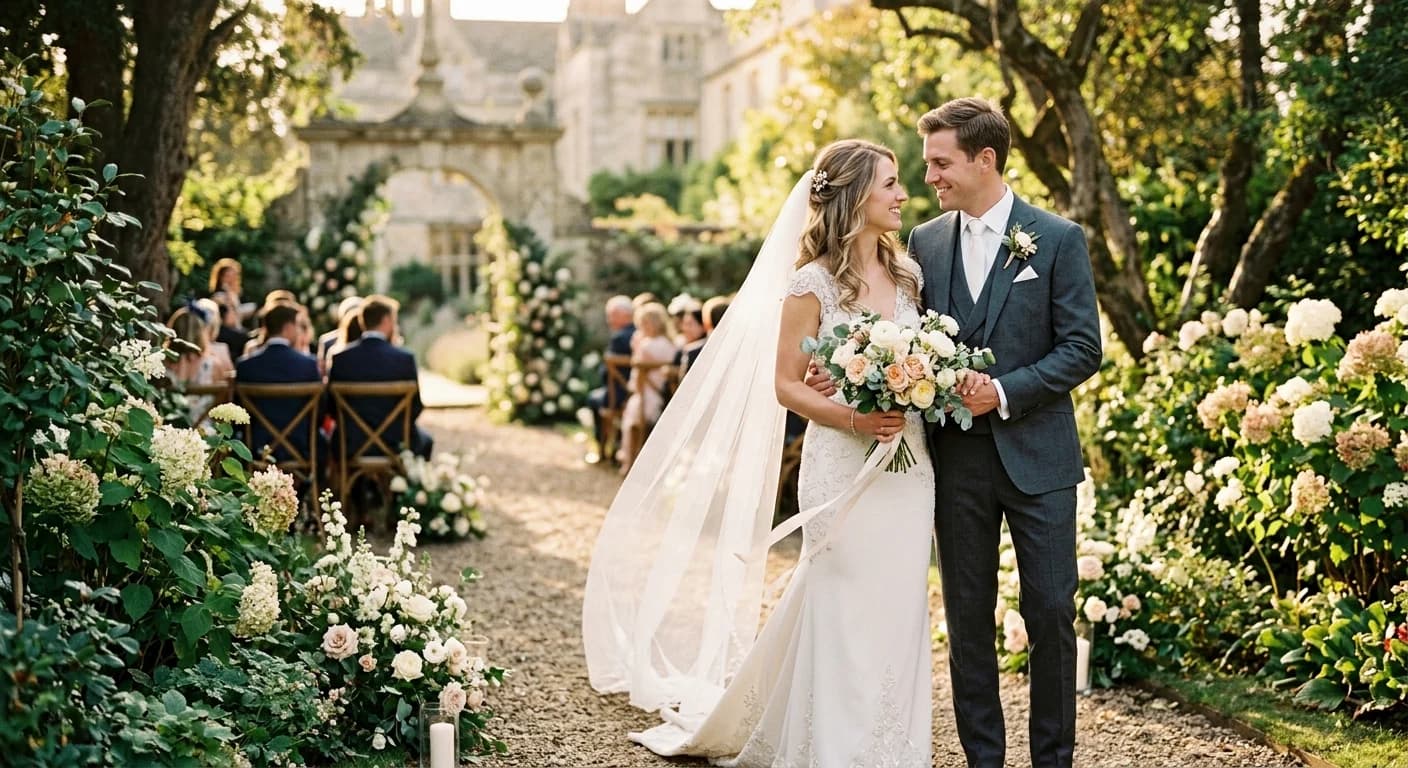
You can never go wrong with a classic. Lush floral walls and soft, flowing fabrics are go-to choices for a reason—they scream romance and elegance. These styles are incredibly versatile and can be tailored for anything from a casual garden party to a formal black-tie gala.
- Floral Walls: Whether you opt for fresh blooms, high-quality silks, or a savvy mix of both, a floral wall brings incredible texture and luxury to a space. It's the perfect statement piece for behind a sweetheart table.
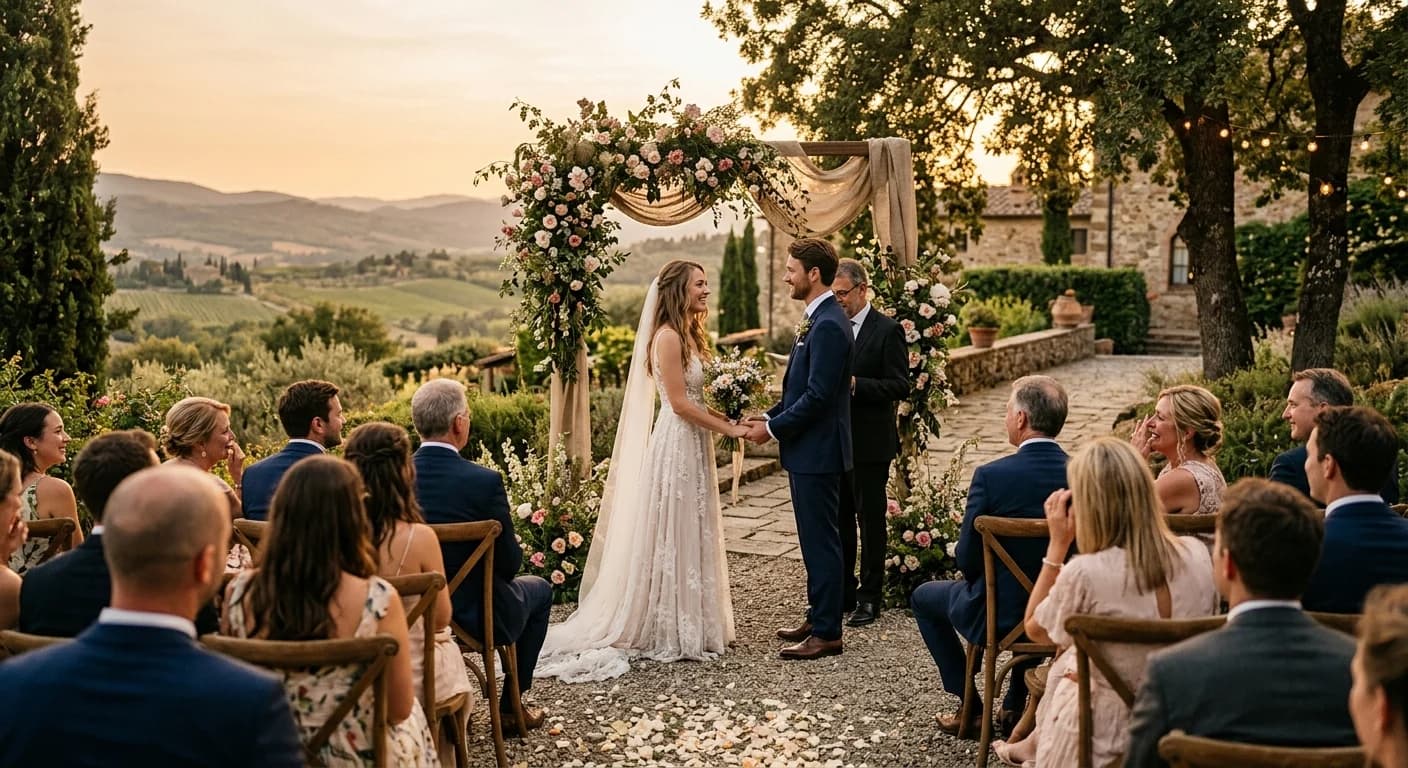
- Fabric Draping: Using materials like airy chiffon, delicate tulle, or rich velvet, you can soften the hard lines of a venue, hide a less-than-ideal wall, or create a dreamy, ethereal focal point for your cake display.
These styles are a natural fit for classic, romantic, or garden-inspired weddings. To see how a backdrop can truly define your event's style, check out our guide on unique Wedding Theme Ideas.
Modern and Rustic Statements
If your style is more contemporary or down-to-earth, there are so many creative avenues to explore. Modern and rustic backdrops often make a powerful statement through clean lines, organic materials, and personalized details that tell your story.
A modern backdrop might be a sleek, minimalist arch with an asymmetrical floral arrangement or a custom neon sign with your new shared name lighting up the dance floor. For a rustic vibe, think reclaimed wood panels, swags of eucalyptus, or intricate macrame hangings that add warmth and a handcrafted touch. You can even bring in whimsical elements, like these Silver Metallic Star Wall Decals for Weddings, to create a celestial-themed night to remember.
To help you visualize which style might be right for you, here’s a quick comparison of some popular options.
Wedding Backdrop Style Comparison
| Backdrop Style | Best For (Theme) | Common Materials | Atmosphere Created |
|---|---|---|---|
| Floral Wall | Romantic, Garden, Glamorous | Fresh flowers, silk flowers, greenery | Luxurious, Lush, Elegant |
| Fabric Draping | Classic, Ethereal, Modern | Chiffon, tulle, velvet, satin | Soft, Dreamy, Sophisticated |
| Wooden Arch | Rustic, Bohemian, Minimalist | Reclaimed wood, birch, copper pipes | Natural, Grounded, Intimate |
| Neon Sign | Modern, Urban, Edgy | Custom LED neon, acrylic | Fun, Bold, Personal |
| Greenery Wall | Organic, Tropical, Modern | Boxwood, ferns, eucalyptus, moss | Fresh, Vibrant, Earthy |
Ultimately, the goal is to find a design that feels like an authentic reflection of you as a couple. Whether it’s glamorous and bold or simple and organic, your backdrop should be a true extension of your personality.
This desire for unique, personalized backdrops has been supercharged by the destination wedding trend. More and more couples are looking for immersive experiences where the setting itself is a key part of the celebration. This has pushed designers and vendors to get more creative than ever, integrating local culture and breathtaking natural beauty directly into the decor.
How to Budget for Your Reception Backdrop
Alright, let's talk about the money part. Figuring out what a reception backdrop will cost can feel a bit like guesswork, but it gets a lot easier once you know what actually drives the price. The final number isn't just a single item—it's a mix of materials, size, design complexity, and whether you decide to rent, buy, or go the DIY route.
A simple fabric drape or a minimalist copper arch you put together yourself might only set you back a few hundred dollars. But on the other end of the spectrum, a custom-built, eight-foot wall covered in fresh, out-of-season peonies? That could easily climb into the thousands. Every layer of customization and labor adds to the price tag.
Key Factors That Influence Cost
Thinking about your backdrop budget is kind of like planning a fancy dinner. Simple ingredients are easy on the wallet, but if you want exotic components, complex prep, and a famous chef, the cost naturally goes up. The same logic applies here.
- Materials: Fresh flowers are almost always the biggest splurge, especially if you’re dreaming of rare or non-seasonal blooms. High-quality silk flowers, rich velvets, and custom-cut wood or acrylic also carry a higher price than basic fabrics or simple greenery.
- Size and Complexity: It's simple math—a larger backdrop needs more materials and a sturdier structure to support it. A complex, multi-layered design with built-in lighting will be way more expensive than a single, flat panel.
- Labor and Installation: Don’t forget to factor in the people power! The cost isn't just for the stuff; it includes the designer's time, the setup crew, and the team that breaks it all down at the end of the night. If an installation requires special rigging or electrical work, that will add to the final bill.
This kind of visual investment is becoming a huge priority for couples. Across the thousands of weddings we have photographed, décor and florals are consistently one of the categories couples care most about getting right. When you see how much a single statement piece can shape a room, it’s clear how important backdrops have become.
Smart Ways to Save Without Sacrificing Style
You don't need an unlimited budget to get a high-end look. With a bit of smart planning, you can create something truly stunning while keeping costs under control. It’s all about being resourceful and focusing on what matters most.
Pro Tip: One of my favorite budget-saving tricks is repurposing. Can that gorgeous ceremony arch be moved behind your sweetheart table for the reception? Making one beautiful piece pull double duty can literally save you hundreds, if not thousands, of dollars.
Here are a few more practical tips to keep in mind:
- Rent, Don't Buy: So many event companies have incredible backdrops available to rent for a fraction of what a custom build would cost.
- Choose Seasonal Florals: If your heart is set on flowers, stick with what’s in season. Your florist can point you toward beautiful, budget-friendly options that won't require expensive importing.
- Incorporate More Greenery: You can get a full, lush, and organic look with greenery like eucalyptus or ferns for much less than a wall made entirely of flowers.
By understanding these moving parts, you can make a choice that fits both your vision and your wallet. For a deeper look into the financial side of things, check out our comprehensive guide on how much you should spend on a wedding.
Choosing the Right Size and Placement
You could have the most stunning backdrop in the world, but if it’s too small for the room or tucked away in a corner, it loses all its magic. Think of it like hanging a beautiful painting—scale and location are absolutely everything. Getting these two details right is what makes a backdrop a true showstopper instead of an afterthought.
First thing's first: look at your venue. A grand ballroom with sky-high ceilings will completely swallow a small, delicate backdrop, making it look almost comical. On the other hand, a massive, elaborate floral wall might feel like it's closing in on you in an intimate restaurant space. It's all about finding that perfect balance.
Sizing Your Backdrop Correctly
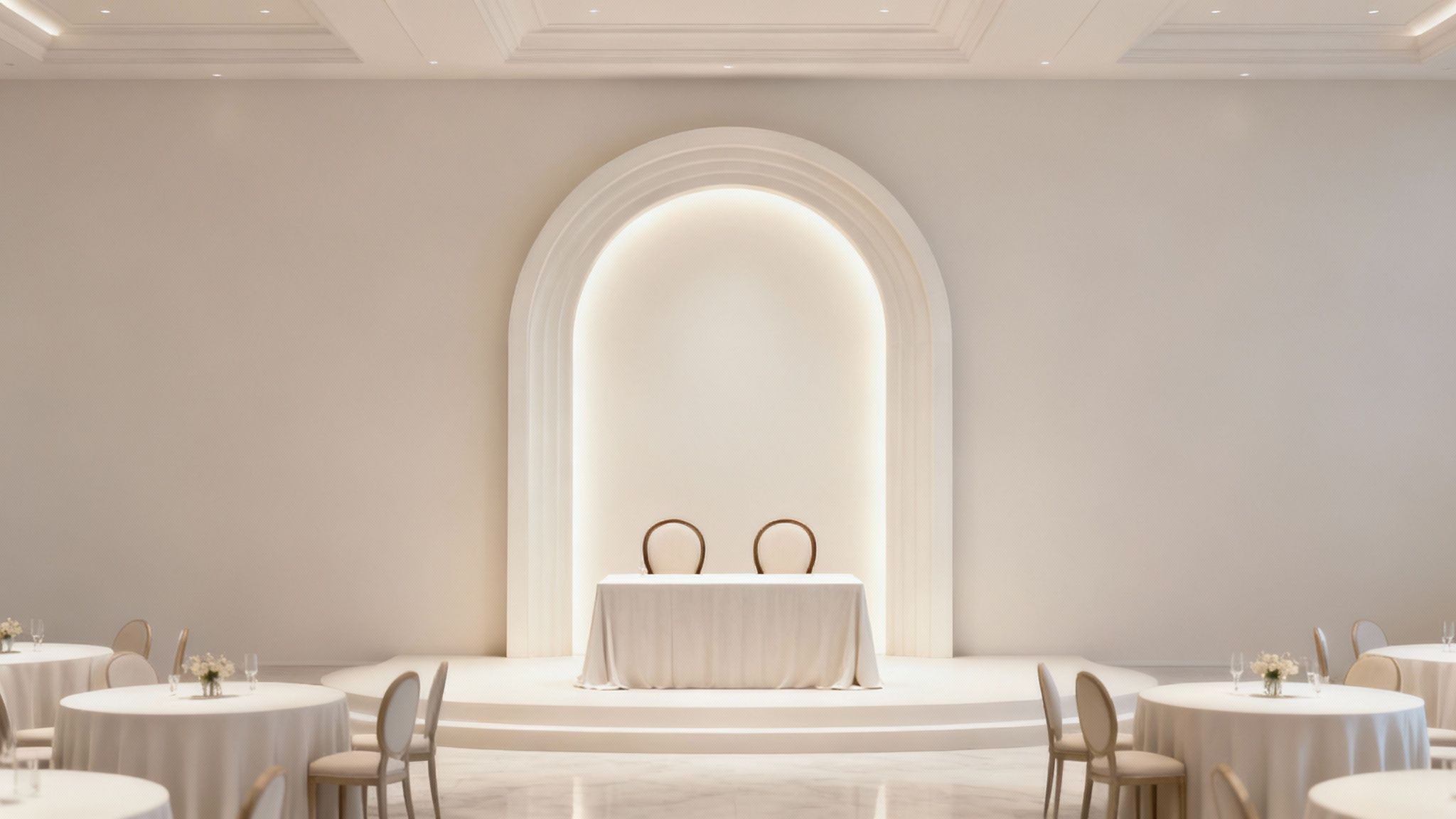
Before you get too attached to a specific design, it's time to get practical. Grab a measuring tape and take a hard look at your venue’s floor plan. A great starting point for a backdrop behind a sweetheart table is usually around 8 feet wide by 8 feet tall. This gives you plenty of coverage for photos of the two of you sitting down without looking skimpy.
Of course, not all backdrops are for sweetheart tables. You'll want to adjust the size depending on its job for the night:
- Head Table: If you’re planning a long head table for the entire wedding party, you'll need something much wider to avoid looking disjointed. Think in the range of 16 to 24 feet wide.
- Photo Booth Station: An 8×8 or 10×10 foot backdrop is usually the sweet spot here. It gives groups of friends and family enough room to pile in and get silly without feeling squished.
- Band or DJ: To properly frame a stage, you’re looking at a much larger installation. These often need to be over 20 feet in width and potentially 10 to 12 feet in height to make a real statement.
Strategic Placement for Maximum Impact
Once you’ve figured out the size, the next big question is where to put it. This decision really shapes how your guests experience the evening and, just as importantly, how your wedding looks in photos.
Where you place your backdrop determines its purpose. Is it a romantic frame for your first meal together, or is it an interactive hub for guest entertainment?
Here are the most common spots and why they work:
- Behind the Sweetheart or Head Table: This is the classic choice for a reason. It creates a gorgeous focal point for all those important moments—the toasts, the speeches, and all the candid shots of you throughout dinner.
- As a Grand Entrance: Want to make an impression right away? A backdrop at the reception entrance does the trick. It instantly sets the tone and gives guests a perfect spot to snap a photo the moment they arrive.
- Dedicated Photo Station: This has become a huge trend, and it's easy to see why. Setting up a photo area away from the main dining space encourages guests to get up, mingle, and have some fun. The concepts are a lot like what we cover in our guide to family photo backdrop ideas, where the aim is to create a spot that’s both visually stunning and comfortable for group pictures.
Lighting Your Backdrop for Perfect Photos
You could have the most breathtaking backdrop in the world, but if the lighting is off, it’ll completely fall flat in your photos. Think of lighting as the final, essential ingredient that brings your whole vision to life. It sets the mood, makes the details pop, and guarantees your pictures are every bit as magical as the moment itself.
Ignoring the lighting is like hiding a masterpiece in a dark room. You've put all this effort into your backdrop, so let's make sure it gets the spotlight it deserves.
This is exactly why your photographer and any lighting specialists are your best friends in this process. A quick chat before the wedding day gets everyone on the same page. It’s the secret to avoiding those harsh, unflattering shadows or colors that look completely washed out on camera. These pros know their stuff—they understand how a certain light will bounce off sequins versus how it will be soaked up by velvet.
Key Lighting Techniques to Consider
The right lighting technique does more than just make things bright; it creates an entire atmosphere. It's about crafting an experience for you and your guests.
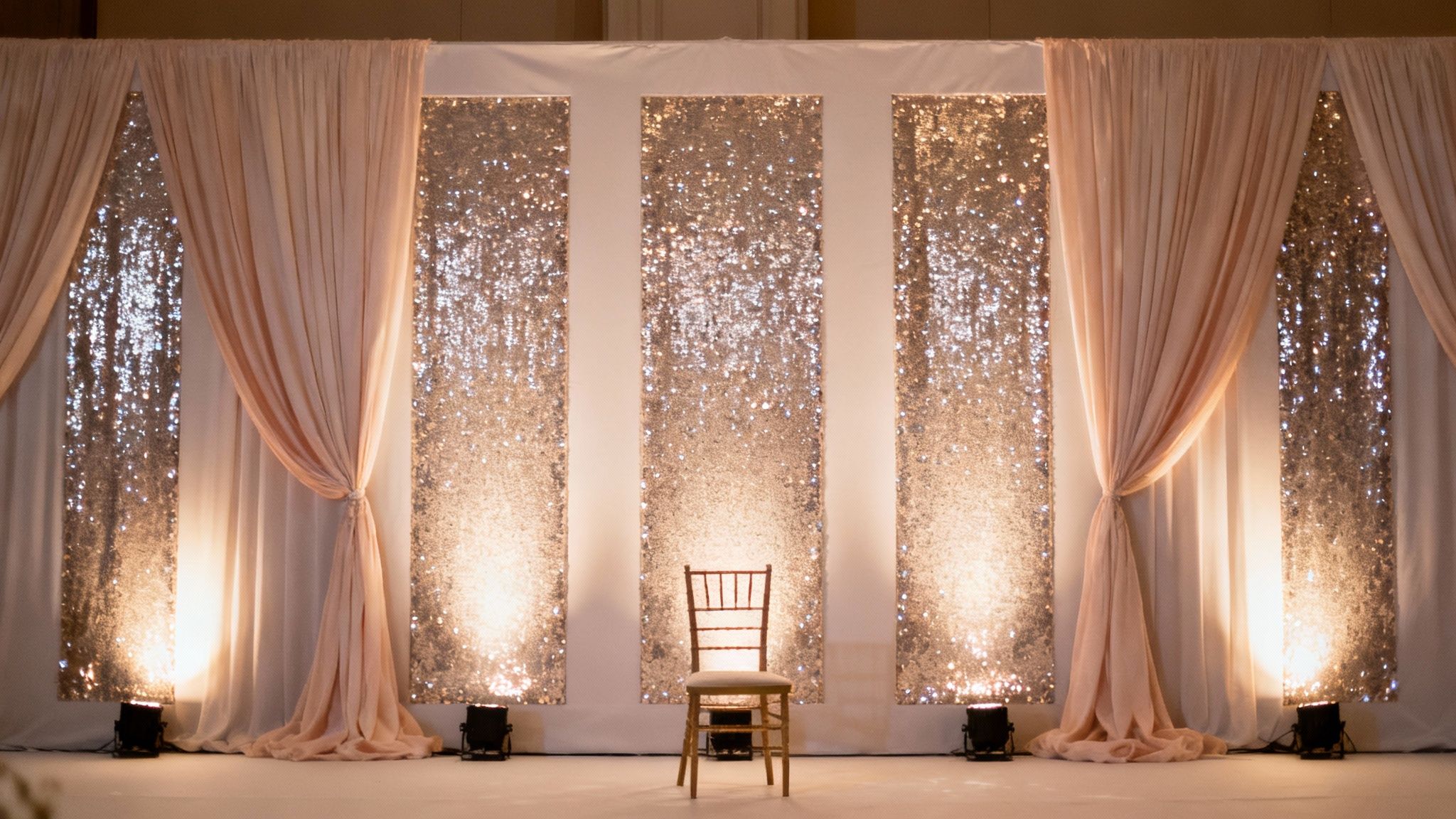
- Uplighting: This is a classic for a reason. By placing lights on the floor and aiming them up, you can create a really elegant, dramatic feel. It works wonders on fabric drapes or accentuating interesting architectural elements behind your head table.
- Spotlighting: Have a specific detail you want to show off? A spotlight is your answer. Use it to draw everyone's eye to the gorgeous florals on your arch or that custom neon sign with your new last name.
- Gobo Projections: This is where you can get really creative. Gobos are basically stencils that fit over a light source, letting you project custom patterns, your monogram, or cool textures directly onto the backdrop. It’s a fantastic way to add a personal touch.
Your backdrop is a canvas, and lighting is your palette. Used correctly, it can paint with shadow and color to evoke romance, energy, or drama, ensuring the focal point of your reception truly shines.
How Materials Interact with Light
It's also super important to remember that not all materials play with light the same way. A glam sequin wall, for example, is going to catch and reflect light from every angle, creating that beautiful, sparkling effect everyone loves.
On the other hand, a rich, dark velvet will do the opposite—it'll absorb the light, giving you a deep, moody, and very luxurious look. Going beyond basic illumination and really understanding mood lighting can turn your backdrop from just a background into a core part of your reception's ambiance.
Make sure you talk about your material choices with your vendors. A good photographer will know exactly how to adjust their camera settings for a super-reflective surface versus a light-absorbing one. If you're curious about the technical side of things, checking out a guide to a professional portrait photography lighting setup shows just how much thought goes into getting that perfect shot. A little planning here ensures your backdrop looks incredible both in person and in your wedding album for years to come.
Should You DIY Your Backdrop or Hire a Pro?
One of the biggest forks in the road you'll encounter is deciding whether to build your reception backdrop yourself or bring in a professional. There's no one-size-fits-all answer here. The right choice really comes down to your budget, your timeline, and honestly, how much you enjoy a good hands-on project.
Let's walk through what each path looks like so you can figure out what’s best for you.
The Appeal (and Reality) of DIY
Going the do-it-yourself route is tempting, and for good reason. The potential cost savings can be huge, and you get complete creative control. If you have a super specific vision, bringing it to life with your own hands can feel incredibly rewarding and adds a personal story to your wedding day.
This path is perfect for crafty couples who are naturally organized and, crucially, have a reliable crew of friends or family ready to help with the heavy lifting.
But it’s important to be real about what you’re signing up for. This is way more than a simple craft project. You have to factor in serious time for sourcing materials, the actual construction, and the logistics of getting it to the venue and setting it up. A backdrop that looks effortless on Pinterest can quickly turn into a complicated puzzle of measurements, materials, and muscle.
When to Call in a Professional
Hiring a professional designer or a rental company buys you one invaluable thing: peace of mind. These folks have seen it all. They bring years of experience, an inventory of high-quality materials, and the practical skills to pull off a flawless installation.
A pro handles everything from the initial design concept to the final teardown, which means you won't be worrying about it on your wedding day. While the upfront cost is higher, their expertise can actually save you from expensive mistakes, ensuring the backdrop is structurally sound and lit perfectly for your photos. Plus, they have access to props, fabrics, and structures that would be way too costly to buy for just one day.
This is the ideal choice for couples with packed schedules or for anyone who wants a truly polished, showstopping feature without the logistical nightmare.
Think of it this way: A DIY backdrop is like cooking a gourmet meal for your guests—it’s deeply personal and fulfilling, but it’s a ton of work. Hiring a designer is like booking a five-star caterer; you're investing in expertise for a guaranteed beautiful and stress-free result.
How to Make the Final Call
So, which way should you go? It all boils down to a classic trade-off: your time versus your money.
To find your answer, sit down and have an honest chat about these key questions:
- What’s our actual budget? Be brutally honest about what you can spend. If the numbers are tight, DIY might be your best (or only) option.
- How much free time do we really have? Don’t forget to account for your jobs, other wedding tasks, and just life in general. A complex DIY backdrop can easily eat up dozens of hours.
- Do we have the right skills and a support system? Take stock of your own abilities. Are you good with a power drill? Do you have friends who are reliable and will actually show up to help build and set up?
- How much is a stress-free wedding day worth to us? If the idea of troubleshooting a wobbly backdrop on the morning of your wedding makes you break out in a cold sweat, hiring a pro is an investment in your sanity.
Answering Your Top Wedding Backdrop Questions
As you get deeper into wedding planning, the questions start popping up. When it comes to your reception backdrop, you're probably wondering about timelines, logistics, and what's even possible. Let's walk through some of the most common questions we hear from couples.
Getting these answers locked in early means you can relax, knowing this beautiful part of your day is handled.
How Far in Advance Should I Book a Backdrop?
The sweet spot for booking your backdrop is 6 to 9 months before your wedding. This might seem early, but the best designers and rental companies get booked up fast, especially for peak season dates.
This timeline isn't just about availability; it gives you and your vendor plenty of time to nail down the design, source any special materials for custom work, and review mockups without feeling the pressure. Think of it like booking your photographer or venue—it's a priority item to check off your list early on.
Can I Use a Backdrop for an Outdoor Reception?
You absolutely can, and outdoor backdrops can be breathtaking! The trick is to plan for Mother Nature. Wind is your biggest challenge, followed by the possibility of rain, so stability and weather-resistant materials are non-negotiable.
Your backdrop needs to be securely anchored to the ground to prevent any mishaps. Some of the most reliable options for an outdoor setting include:
- Heavy wooden arches or frames that have a solid, sturdy base.
- Professional floral installations built by a florist who knows how to create wind-proof structures.
- Metal grids or circular frames that can be discreetly weighted down with sandbags or other heavy items.
As beautiful as they are, lightweight fabrics or delicate paper flower walls are a big gamble outdoors unless your reception is in a well-shielded tent or covered patio.
What Is the Most Popular Type of Reception Backdrop?
Trends come and go, but floral and greenery walls are the undisputed classics. They never go out of style. There’s something so romantic and lush about them, and they can be adapted to fit any theme, from a glamorous ballroom affair to a laid-back bohemian bash.
That being said, we're seeing a huge surge in popularity for custom neon signs. Couples love layering them over soft fabric draping or mounting them on a modern arch. It’s that perfect blend of personal and chic, and it adds an amazing glow to the space that looks incredible in photos.
At Candid Studios, we know that statement pieces like your reception backdrop are more than just decor—they're the setting for your memories. Our photographers are experts at composing shots that highlight these beautiful details, telling the complete story of your day. See how we capture the magic in our wedding photography and videography services at Candid Studios.