A Wedding Reception Timeline Template That Just Works
A wedding reception timeline template sequences cocktail hour, dinner, speeches, dances, and cake so photo and video crews can anticipate peaks. Share the final run-of-show with all vendors.
Think of a wedding reception timeline not just as a schedule, but as the secret script to an incredible party. It's what turns a list of "things to do" into a seamless, flowing celebration where you, your guests, and your photographer can relax and enjoy every moment.
Why A Reception Timeline Is Your Wedding Day MVP
Your reception timeline is the unsung hero that keeps the entire evening on track. It’s less of a rigid, minute-by-minute mandate and more of a shared game plan that gets all your vendors perfectly in sync. When your photographer, DJ, and catering manager are all on the same page, the real magic unfolds.
This isn't just about avoiding chaos, though it definitely does that. A solid timeline prevents those awkward lulls in the action or major miscommunications. You don't want the catering staff clearing plates just as your dad starts his heartfelt toast, right? A well-planned timeline ensures every key event gets its spotlight moment.
Getting Your Vendor Team In Lockstep
When everyone has a copy of the timeline, your photographer knows the precise window to whisk you away for those dreamy golden-hour photos without you missing the main course. Your DJ knows exactly when to cue the cake-cutting song, and your venue coordinator can ensure speeches happen between courses, not during them.
This simple document transforms a group of talented, but separate, professionals into a truly collaborative team, all working together to make your day perfect.
A great timeline isn't about being restrictive. It’s about creating freedom, the freedom for you to stop worrying about what’s next and just be present in the moment.
Creating An Unforgettable Guest Experience
Beyond just logistics, a thoughtfully paced timeline has a huge impact on your guests' enjoyment. It guides the energy of the room, moving smoothly from a laid-back cocktail hour to a high-energy dance party without feeling rushed or disjointed.
The average wedding reception in the U.S. runs for about 4.5 to 5 hours, which is a long time to keep the momentum going without a plan.
This timeline becomes your best tool for a stress-free celebration, allowing you to focus on what matters most: marrying your best friend. Just remember, this plan is distinct from your ceremony schedule, a topic we cover in our guide: Wedding Ceremony Vs Wedding Reception. For more ideas on how to structure your day, browsing different wedding day timeline template resources can be incredibly helpful.
Mapping Out The Key Moments Of Your Celebration
When I start building a wedding reception timeline, I don't begin with the small stuff. Instead, I focus on the big, non-negotiable moments, the major pillars that will hold up the entire evening. Once you have these cornerstone events plotted out, all the other details just naturally fall into place around them.
Let's start right where the ceremony ends. The transition into the party is your cocktail hour. Think of it as more than just a holding pattern for your guests; it's the official kickoff to the celebration. Giving it a solid 60 minutes is usually perfect. This gives everyone time to grab a drink and mingle while you and your new spouse are likely finishing up photos. It sets a relaxed, welcoming vibe for everything to come.
As the cocktail hour winds down, you'll start ushering guests to their seats. This is the signal that the main event is about to begin, and it's your cue for the grand entrance.
The Big Announcements And First Dances
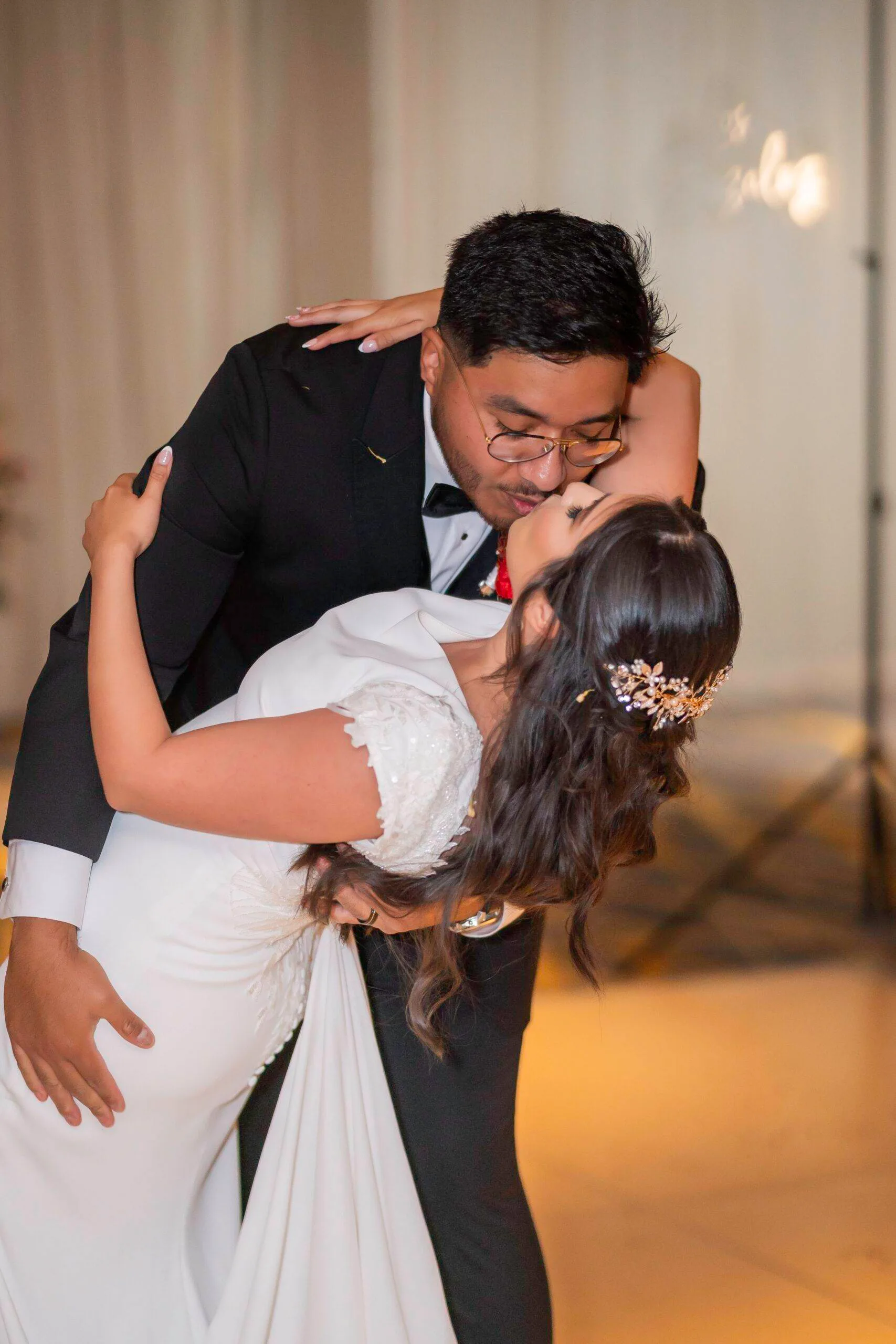
The grand entrance is that first big burst of energy. It’s the moment you're introduced for the very first time as a married couple, and trust me, it’s a fantastic photo op. The key here is to keep it moving. From the wedding party to the two of you, the entire sequence should only take about 5-10 minutes.
The perfect follow-up? Your first dance. All eyes are already on you, making the transition absolutely seamless. Doing it right after your entrance keeps the energy high and captures that romantic, just-married feeling before everyone settles in for dinner. The first dance is a true cornerstone of your photography coverage, a key moment you'll find on The Essential Wedding Picture List.
Structuring Toasts And Dinner Service
This is where a well-crafted timeline really shines. A common mistake I see is couples lumping all the toasts together, which can honestly make guests' eyes glaze over. The trick is to sprinkle them throughout the meal.
Here's a structure that works beautifully:
- The Welcome Toast: Have a parent give a brief welcome right after the first dance. It's a warm, simple way to kick off dinner service.
- Best Man & Maid of Honor Toasts: Let's break these up between courses. For instance, maybe the Maid of Honor gives her speech after the salad plates are cleared. Then, after the main course, the Best Man can take the mic. This keeps everyone engaged and ensures your caterer can serve each course while it's hot.
By placing the speeches strategically, you turn them into fun little interludes instead of one long block of public speaking.
By thoughtfully sequencing events like toasts and dances, you control the entire rhythm of the reception. You’re not just listing times; you’re crafting an experience that feels intentional and engaging for everyone involved.
Finally, let's talk about the parent dances, the father-daughter and mother-son dances. These heartfelt moments are perfect for right after dinner is cleared. It's a sweet, emotional transition that signals to everyone that the formal part of the evening is over and it's time to open up the dance floor. If you're looking for a broader framework for structuring any large event, a good event planning timeline template can be an incredibly useful starting point.
Personalizing Your Timeline To Reflect Your Story
Think of a wedding reception timeline template as your starting point, not the final script. The real magic happens when you start weaving in the details that make your story unique. This is how a standard schedule transforms into an unforgettable experience that feels authentically you.
The biggest influence on your timeline? Your reception style. A formal, plated dinner has a completely different pace than a laid-back food truck party. With a seated meal, you’ll be coordinating with your caterer to slot toasts and special dances between courses. This keeps guests entertained and ensures the food comes out hot.
On the other hand, a more relaxed buffet or station-style dinner gives you a lot more breathing room. Guests can eat when they're ready, which frees up the schedule for more mingling and spontaneous fun. You don't have to hit pause on the entire party for a synchronized main course, which gives you so much more flexibility.
Weaving In Your Personal Touches
Now for the fun part, making the celebration truly your own. What traditions or moments are special to you as a couple, your families, or your culture? Let's find a place for them.
- Cultural Traditions: If you’re planning a traditional dance or ceremony, a great time for it is right after dinner. The energy is high, everyone's attention is focused, and it serves as a fantastic transition into the main party.
- Surprise Performances: Is a talented friend going to sing a song for you? Schedule it right after the main toasts. It creates a beautiful, intimate moment before you crank up the music and open the dance floor.
- Special Tributes: An anniversary dance to honor your grandparents or other long-married couples is always a tear-jerker. This fits perfectly right after the parent dances, creating a touching, multi-generational moment on the dance floor.
When you build these unique events into your wedding reception timeline template from the get-go, you're making sure your entire vendor team, especially your photo and video crew, is ready to capture them perfectly.
The infographic below gives you a bird's-eye view of how these key moments can flow together, from the first cocktail to the final farewell.
This visual guide shows the natural rise and fall of energy during a reception, helping you spot the perfect places to plug in your own personal touches.
To give you a more concrete idea, here’s a sample timeline for a standard five-hour reception. You can use this as a basic framework to build upon, adjusting the times and events to match your specific plans.
Sample Wedding Reception Timeline Template (5-Hour Reception)
Use this visual guide as a starting point. It illustrates a standard timeline for a five-hour reception, providing a concrete, easy-to-follow example of how key events flow together.
Time
Event
Key Considerations & Pro Tips
6:00 PM
Cocktail Hour Begins
Guests arrive and mingle. Keep it to 60 minutes max to maintain momentum. This is the perfect time for you to finish up family portraits.
7:00 PM
Guests Invited to Dinner
Venue staff will direct guests to their seats. Have background music playing to set the mood.
7:15 PM
Grand Entrance & First Dance
You make your entrance as newlyweds! Going straight into the first dance is a great way to kick things off with high energy.
7:30 PM
Dinner Service Starts / Welcome Toast
A brief welcome toast from a parent or the couple can happen now. If it’s a plated meal, the first course is served.
8:15 PM
Toasts (Best Man, Maid of Honor)
Keep speeches between dinner courses to hold guest attention. Advise speakers to keep it to 3-5 minutes each.
8:45 PM
Parent Dances
Father-Daughter and Mother-Son dances are a sweet transition before opening the dance floor to everyone.
9:00 PM
Open Dancing
The party officially starts! Let your DJ or band know what kind of vibe you’re going for.
9:45 PM
Cake Cutting
A quick, classic photo op. The venue can then cut and serve the cake while the dancing continues.
10:45 PM
Last Dance
Announce the last dance 5-10 minutes beforehand to get everyone on the floor one last time.
10:55 PM
Grand Exit Prep
While the last song plays, have guests line up outside with sparklers, bubbles, or whatever you’ve planned.
11:00 PM
Grand Exit
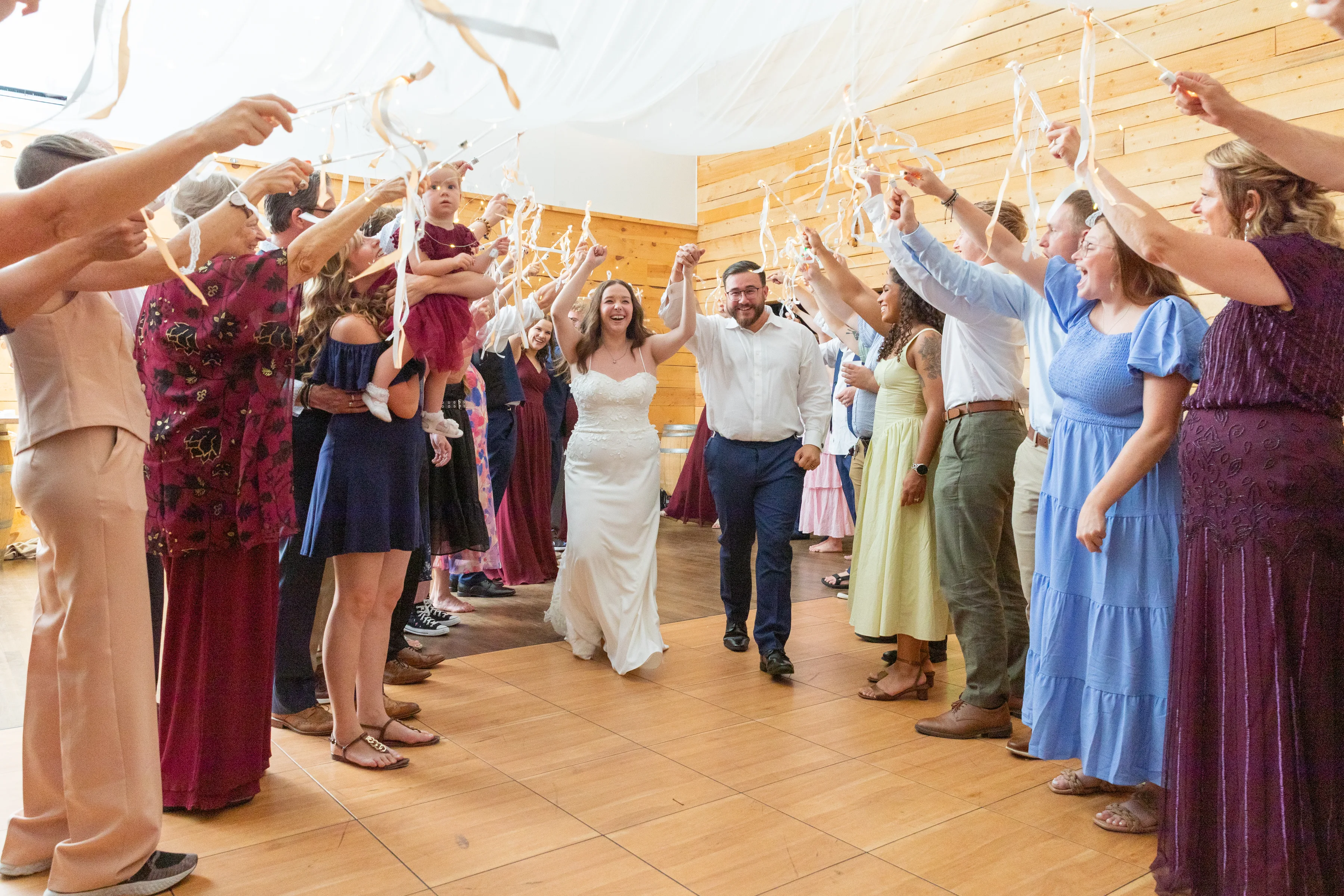
You run through a tunnel of your favorite people and off into your new life! Reception concludes.
Remember, this is just a template. Feel free to shift things around, add your own traditions, and make it a schedule that works for your celebration.
The Art Of Buffer Time And Golden Hour
Here’s a piece of advice I give every couple: build buffer time into your schedule. Life happens, and weddings are no exception. Weaving an extra 10-15 minutes of padding around big transitions, like moving guests from the cocktail hour to the dining room, is a game-changer.
Buffer time is your timeline’s insurance policy. It absorbs small delays without causing stress, ensuring a single late groomsman doesn't derail the entire evening's schedule.
Another non-negotiable for your timeline is the golden hour. This is that magical window of time just before sunset when the light becomes soft, warm, and absolutely dreamy for photos. Chat with your photographer to pinpoint when this will happen and block out 15-20 minutes to sneak away for portraits.
A great time to do this is while guests are finishing up dinner or just as the dance floor opens; they'll barely even notice you're gone, and the photos will be more than worth it.
How couples are planning these moments is evolving, too. More and more couples are turning to digital platforms to coordinate their timelines. This tech-savvy approach makes it easier to keep vendors, the wedding party, and even guests in the loop, reflecting a modern desire for flexibility over old-school rigidity. You can find more wedding planning statistics that show how technology is reshaping how we celebrate.
How To Sync Your Timeline With Your Vendor Team
Think of your reception timeline as the sheet music for an orchestra. Your vendor team is filled with incredible musicians, but they all need to be on the same page to make your night a masterpiece. That timeline is the master document that keeps everyone, the photographer, the DJ, the caterer, perfectly in sync.
Getting this right is about more than just emailing a schedule. True coordination comes from making sure every single vendor understands their specific cues and how their role connects to everyone else's. This is the secret to a smooth, stress-free reception where one perfect moment flows effortlessly into the next.
What Each Vendor Really Needs To Know
Every pro on your team looks at the timeline through the lens of their job. A generic schedule just won't cut it; they need the details that directly impact their work.
-
Your Photographer & Videographer: These two need the most granular version of the timeline. They’re constantly thinking 10 minutes ahead to anticipate moments, not just react to them. Be sure to highlight the grand entrance, first dance, all the toasts, the cake cutting, and any surprise performances. When they know exactly when the toasts are happening, they can get their lighting and audio set up perfectly to capture every tear and laugh. For a deeper dive, our guide on mastering wedding day logistics with your photographer is a huge help.
-
Your DJ or Band Leader: They are the heartbeat of the party and the voice of the evening. Their copy of the timeline needs precise cues for every announcement, from introducing your wedding party to getting everyone hyped for the dance floor. Give them a list of key songs tied to specific events (like your cake-cutting song) and make sure they have the names and relationships of everyone giving a toast for a proper introduction.
-
Your Caterer & Venue Manager: For them, it’s all about the flow of service. They need to know when speeches are scheduled so they can hold off on clearing plates and avoid interrupting a heartfelt moment. The cake-cutting time is their signal to get dessert ready, and your grand exit lets them know when to begin their final breakdown.
Your vendors are seasoned pros. Handing them a detailed, well-thought-out timeline is the best thing you can do to empower them. It allows them to do their best work and often means they solve little issues before you ever know they existed.
The Final Timeline Huddle
I always recommend doing a final timeline review about one to two weeks before the wedding. This doesn't have to be some big, formal meeting. A simple, clear email chain often works best.
Send out the final version of the timeline to all your key vendors. In the email, ask each person to give it one last look and flag any potential red flags from their perspective.
You'd be amazed at what they catch. The DJ might see that the parent dances are scheduled too close to dinner, killing the dance floor vibe before it even starts. Your photographer could notice that the sunset photos you want overlap with when the catering team needs to flip the ceremony space.
This final check-in is your ultimate safety net. It’s the last chance to smooth out any logistical wrinkles, ensuring that on the big day, everyone is working from the same playbook. When your team is this aligned, you get to just relax and soak it all in.
Common Timeline Mistakes And How To Dodge Them
It’s one thing to put together a reception timeline, but it's another thing entirely to make one that actually works in the real world. I’ve seen it time and again, even the most meticulously planned schedule can hit a snag. Knowing the common tripwires ahead of time is the secret to building a timeline that bends instead of breaks.
One of the biggest culprits? Underestimating travel time. It's never just about the drive from your ceremony to the reception. You have to factor in the time it takes to get your entire wedding party wrangled, loaded into cars, and deal with any surprise traffic. That 15-minute drive on Google Maps can easily turn into a 30-minute journey once you add people and logistics to the mix.
Pro Tip: I always tell my couples to add a buffer of at least 15-20 minutes for any travel. This little cushion is your best friend. It keeps you from feeling rushed and ensures you walk into your reception feeling relaxed, not frantic.
Squeezing In Family Photos
Here’s another classic mistake: not scheduling nearly enough time for family portraits. This can easily become the most chaotic part of the day. Trying to gather aunts, uncles, and cousins who’ve started mingling can feel a lot like herding cats.
When this part of the day gets rushed, it doesn't just create stress, it can lead to missed photo combinations you’ll really regret later. It also eats into your cocktail hour, stealing precious time you could be spending with your guests.
Work with your photographer beforehand to create a non-negotiable shot list. This lets them take charge, call out names, and keep things moving. A solid game plan can turn a 45-minute photo frenzy into a calm, organized 30-minute session. If you're still looking for the right pro, check out our guide on when you should book a wedding photographer.
Forgetting To Schedule Breaks
In the whirlwind of planning, it's so easy to stack your timeline back-to-back, leaving zero room to just… breathe. You and your partner need moments to soak it all in, grab a sip of water, or just be alone for a second.
Make sure you build in a few intentional pauses:
- Take a five-minute private moment for just the two of you right after you walk back down the aisle.
- Block out a ten-minute window before your grand entrance to freshen up and connect.
These little breaks are absolutely essential for your sanity and your ability to enjoy the day. A great timeline isn’t just about what you do, it’s about giving yourself the space to actually experience it.
Answering Your Top Wedding Timeline Questions
Even with the best timeline template in hand, you're bound to have a few questions. That's totally normal. Let's walk through some of the most common things couples ask so you can feel confident locking in your final schedule.
How Long Should A Reception Actually Be?
This is probably the number one question I get. Most wedding receptions land somewhere between four and six hours. A great, time-tested formula is a one-hour cocktail "hour," followed by two hours for dinner and toasts, and then another two or three hours for dancing and fun.
So, how do you choose what's right for you? It really comes down to your venue's rules, your budget, and the kind of party you want to throw. A shorter four-hour reception keeps the energy high and feels very "all-action," while a six-hour event gives everyone more room to breathe, mingle, and relax between the main events.
When Is The Best Time To Cut The Cake?
Believe it or not, the timing of the cake cutting is pretty strategic. For many, it acts as a subtle cue to older guests that the formal parts of the evening are wrapping up. It gives them a polite moment to say their goodbyes without feeling like they're leaving the party too early.
The sweet spot is usually about one hour before the reception is scheduled to end. This timing is perfect because most of your guests will still be there to see it, and your photo and video team will have plenty of time to capture it perfectly.
Pro Tip: Try "batching" your events. Group the cake cutting with other activities like the bouquet toss. It creates a final, fun flurry of activity before you roll into the last hour of open dancing.
What Happens If We Start Running Late?
First thing's first: take a deep breath and don't panic. It happens! This is exactly why we build those little 10-15 minute buffers into the timeline from the start. A good wedding coordinator (or even a designated friend) can easily make small tweaks on the fly.
A couple of easy places to shave off a few minutes without anyone noticing? You can slightly shorten a DJ set or tighten up the transition from dinner into dancing. Honestly, your guests are there to celebrate with you and will be having too much fun to notice. The goal is to stay flexible and enjoy yourself.
If you've got more questions on your mind, we've probably answered them! Check out our list of frequently asked wedding questions for more insight.
At Candid Studios, we don't just show up on the day of. We're part of the planning process, helping you build a timeline that ensures every last detail is captured beautifully. Let’s tell your story together.
Related: wedding ceremony line up order
Plan coverage with wedding photography or contact Candid Studios.