Top Landscape Photography Composition Techniques
Capturing a breathtaking landscape requires more than just a high-end camera; it demands a keen eye for arrangement. Whether you are shooting a vast desert or a dense forest, understanding landscape photography composition techniques is the primary differentiator between a snapshot and a work of art.
While gear plays a role, the way you frame your subject dictates how the viewer interacts with the image. This landscape photography composition techniques guide will explore landscape photography composition techniques strategies used by professionals to create depth, balance, and visual interest. By applying these landscape photography composition techniques best practices, you can transform your outdoor imagery into compelling visual narratives.
Why Composition Matters in Landscape Photography
Composition is the arrangement of visual elements within a frame. In landscape photography, you cannot move the mountain or bend the river, so you must move yourself. Effective composition guides the viewer’s eye through the image, creating a sense of order and highlighting the most important parts of the scene. Without strong composition, a photo can feel cluttered or boring, regardless of how beautiful the location is.
The Rule of Thirds
The Rule of Thirds is perhaps the most fundamental of all landscape photography composition techniques tips. It involves breaking your image down into thirds, both horizontally and vertically, so you have nine equal parts.
- Gridlines: Imagine a tic-tac-toe grid over your image.
- Intersection Points: Place key elements of the landscape (like a tree or a mountain peak) at the intersections of these lines.
- Horizon Placement: Position the horizon along the top or bottom third line, rather than dead center.
Using this method creates balance and allows the viewer to interact with the image more naturally than if the subject were placed directly in the center. Most modern cameras have a built-in grid overlay to assist with this.
Leading Lines and Depth
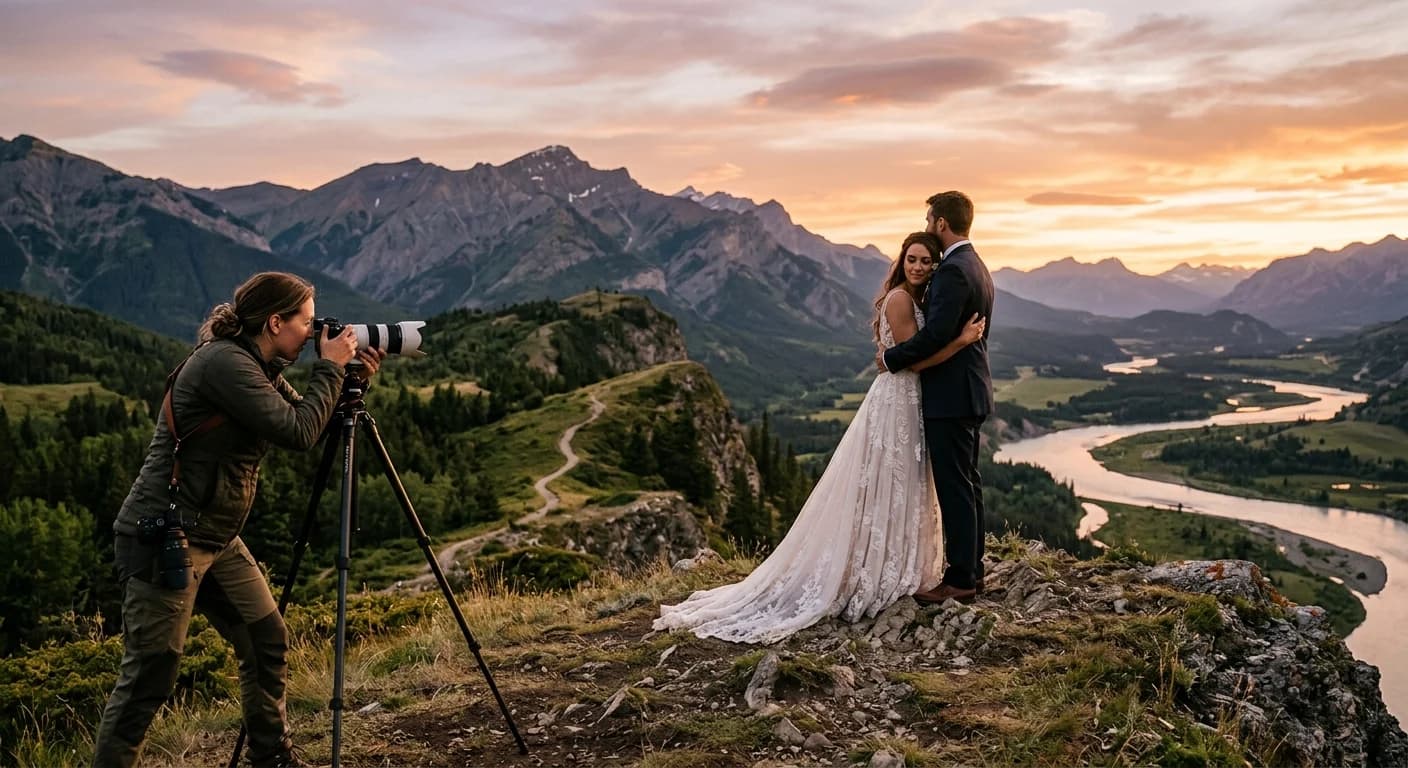
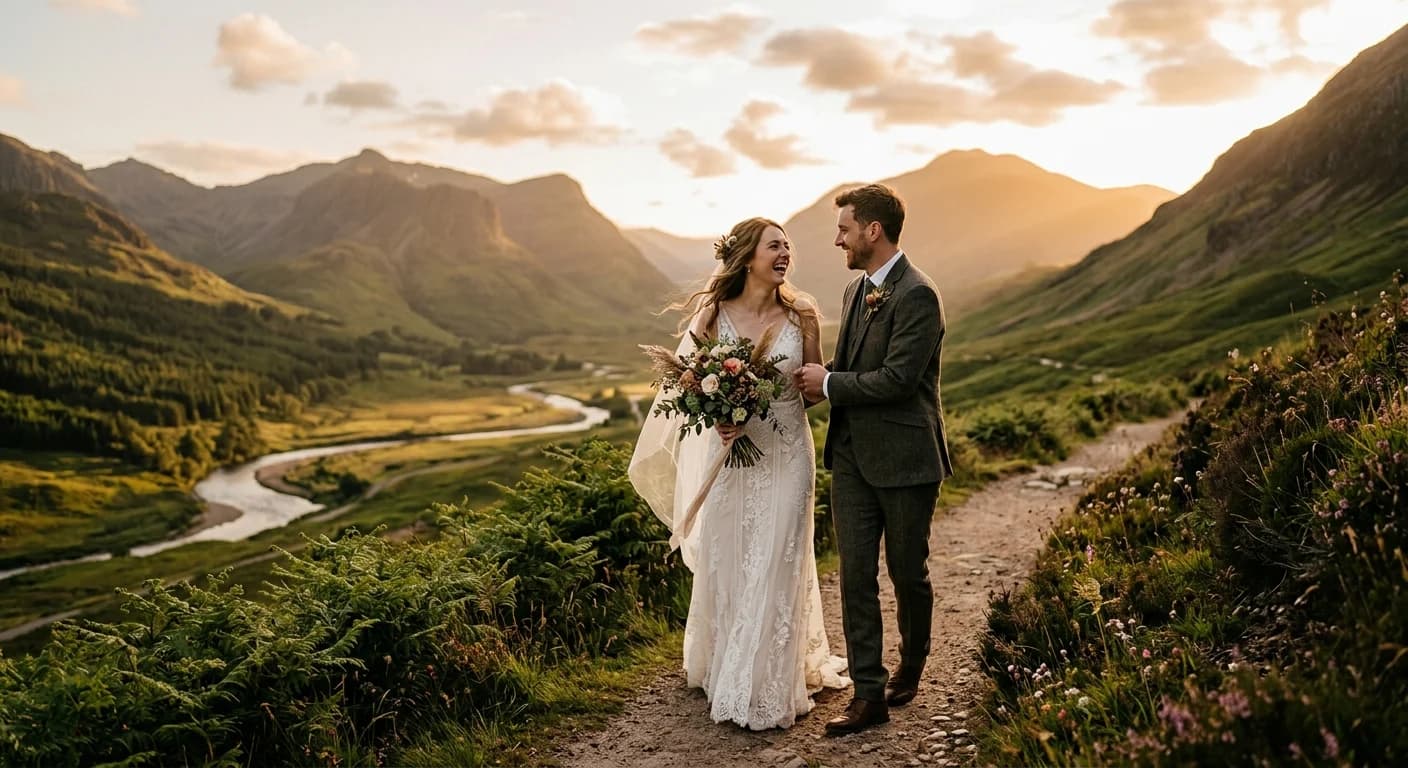
To create a three-dimensional feel in a two-dimensional medium, you must master leading lines. These are lines that guide the viewer’s eye from the foreground to the background.
- Natural Lines: Look for rivers, fences, shorelines, or jagged rock formations.
- Direction: Lines should typically move from the bottom corners towards the center of the frame.
- Depth: This technique draws the viewer “into” the scene, creating an immersive experience.
Leading lines are essential landscape photography composition techniques for beginners because they are easy to spot and immediately improve the impact of the photo. They serve as a visual pathway, ensuring that the audience looks exactly where you intend.
Foreground Interest and Layering
One of the most common mistakes in landscape photography is shooting only the distant background. To add scale and depth, you need foreground interest.
- Anchor the Image: Use a rock, a patch of flowers, or a fallen log in the immediate foreground.
- Scale: Foreground elements give the viewer a sense of the vastness of the background.
- Layering: Try to have three distinct layers: foreground (close), middle ground (subject), and background (sky or distant mountains).
By including a strong foreground element, you provide a “entry point” for the viewer’s eye. This is a crucial strategy when utilizing wide-angle lenses, which can sometimes make distant objects look small and insignificant.
Framing the Scene
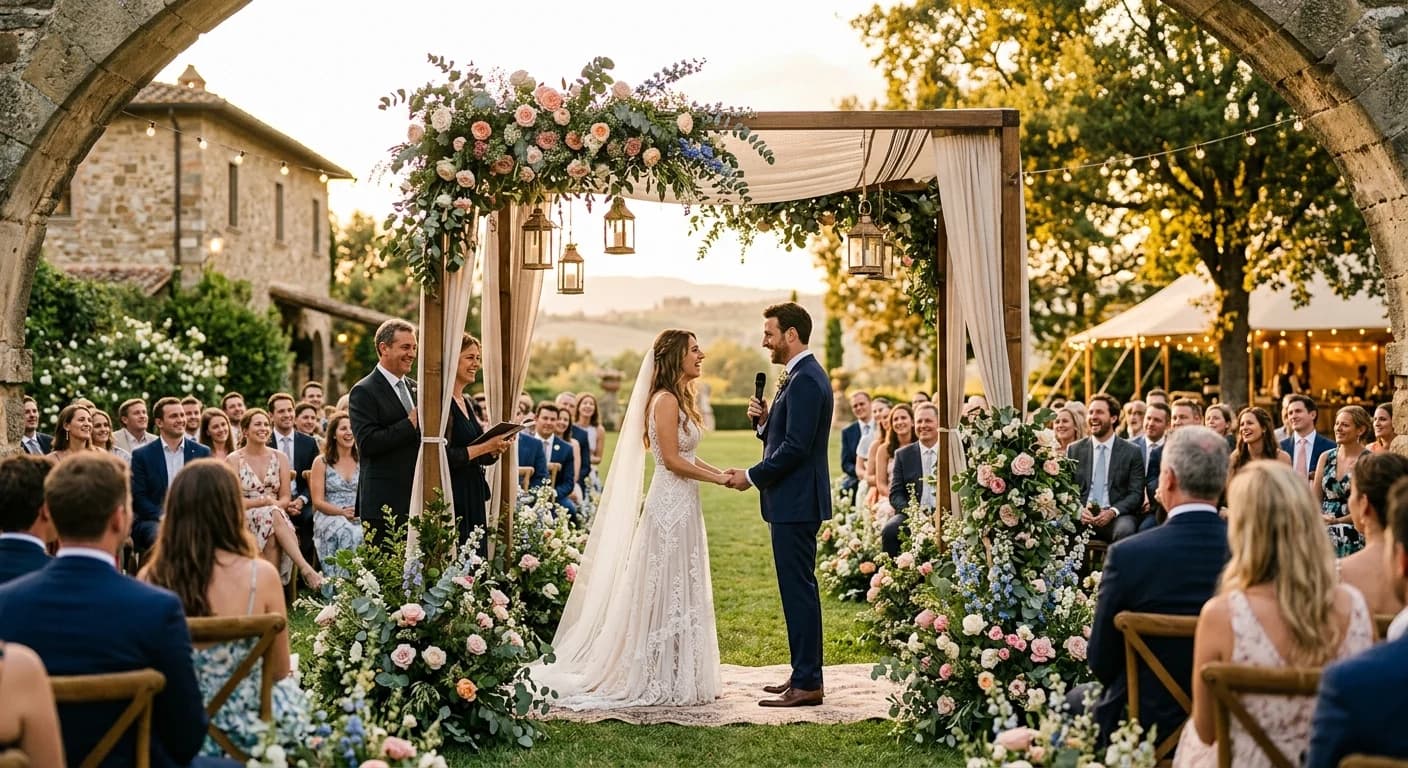
Natural framing is a powerful tool for focusing attention. By shooting “through” something, you can isolate your main subject and add context to the location.
- Natural Frames: Look for archways, tree branches, or cave openings.
- Vignettes: These frames naturally darken the edges of the image, forcing the eye toward the bright center.
- Context: A frame adds information about the environment, telling a more complete story.
This technique works exceptionally well in dense forests or canyons where the light is dappled. It helps to organize the scene and reduce clutter.
Golden Hour and Blue Hour
Composition isn’t just about space; it’s about light. The quality of light defines the mood of your landscape.
- Golden Hour: The hour after sunrise and the hour before sunset. The light is soft, warm, and creates long shadows that reveal texture.
- Blue Hour: The time just before sunrise and just after sunset. The sky is a deep blue, creating a calm, moody atmosphere.
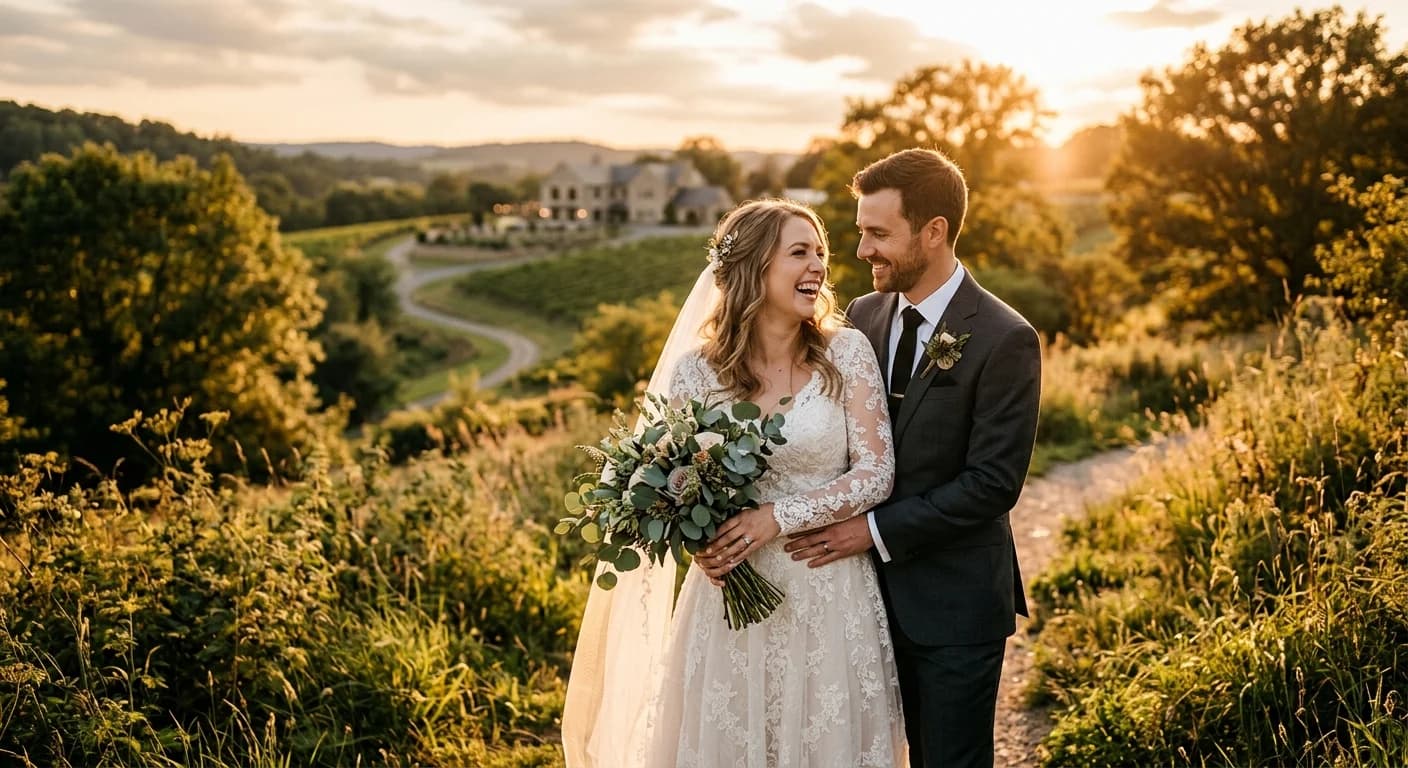
Shooting during these times enhances your composition by providing contrast and color that mid-day sun lacks. The angle of the light during these hours also helps define the shapes and forms within your composition.
Breaking the Rules: When to Center Your Subject
While the Rule of Thirds is a staple, there are times to break it. Symmetrical compositions often benefit from a centered approach.
- Reflections: If you have a perfect mirror reflection in a lake, centering the horizon creates a sense of harmony.
- Minimalism: In vast, empty spaces (like a desert or ocean), centering the subject can emphasize isolation.
Understanding landscape photography composition techniques strategies involves knowing when to adhere to the rules and when to ignore them for artistic effect.
Changing Perspective
Don’t settle for the first angle you see. The most common perspective in landscape photography is eye-level (about 5-6 feet high). To make your work stand out, change your physical position.
- Get Low: Crouch or lie down to make the foreground appear larger and more dominant.
- Climb High: Find a vantage point above the scene to show patterns and relationships not visible from the ground.
Altering your perspective changes the relative size of objects in the frame, which can dramatically alter the narrative of the photo.
Simplification and Negative Space
Nature is chaotic. Good composition is about simplification.
- Exclude Clutter: Zoom in or reframe to remove distracting branches, trash, or bright spots that pull the eye away from the subject.
- Negative Space: Don’t be afraid to leave large areas of the frame empty (like a sky or a blank wall of rock). This creates a feeling of minimalism and tranquility.
Simplifying the frame ensures that the viewer’s attention remains locked on the primary subject. It requires discipline to leave elements out, but it results in a stronger image.
Post-Processing for Composition
While composition happens mostly in-camera, post-processing can refine it.
- Cropping: You can straighten crooked horizons or crop out edge distractions to tighten the composition.
- Dodging and Burning: You can brighten the main subject (dodging) and darken the edges (burning) to further guide the viewer’s eye.
However, relying too heavily on cropping to fix composition is a bad habit. It is always better to frame the shot correctly in the field to maximize resolution and image quality.
Conclusion
Mastering landscape photography composition techniques takes time and patience. It requires you to slow down and observe the scene before pressing the shutter. By integrating elements like leading lines, foreground interest, and the Rule of Thirds, you can elevate your photography from simple snapshots to captivating art. Remember to experiment with light and perspective, and don’t be afraid to break the rules when the scene calls for it.
Frequently Asked Questions
Q: What is the golden ratio in landscape photography?
A: The golden ratio is a mathematical ratio similar to the Rule of Thirds but more complex. It creates a spiral curve that guides the eye naturally through the frame to the focal point, often resulting in very harmonious and balanced compositions.
Q: How do I find a focal point in a wide landscape?
A: Look for elements that contrast with their surroundings, such as a lone tree, a distinct rock formation, or a patch of light breaking through clouds. If no natural focal point exists, you may need to use leading lines or create a focal point using foreground elements.
Q: What are the best camera settings for landscape composition?
A: While settings don’t change composition, using a small aperture (high f-stop like f/8 or f/11) ensures deep depth of focus, keeping both foreground and background sharp. A tripod is essential to maintain stability at these slower shutter speeds.
Q: Can I use portrait orientation for landscape shots?
A: Absolutely. While horizontal (landscape) orientation mimics human vision, vertical (portrait) orientation is excellent for emphasizing tall features like waterfalls, mountains, or trees, and it works particularly well for social media formats.
Q: Why does my landscape photo look flat?
A: Flat photos usually lack depth and dimension. To fix this, try incorporating a strong foreground element, use leading lines to draw the eye inward, and shoot during the golden hour when side-lighting creates shadows that define texture and shape.
Contact Candid Studios today to learn more about how we can help your business.