Beginner Photography Composition Tips: Take Better Photos Now

Master the art of taking stunning photos with our guide on beginner photography composition tips. Learn the rule of thirds, leading lines, and more to elevate your photography skills instantly.
—
Beginner Photography Composition Tips: A Comprehensive Guide
Taking a technically perfect photograph is one thing, but creating an image that truly captivates an audience is another. The secret sauce that often separates a snapshot from a work of art is composition. If you have ever wondered why your photos of landscapes or family gatherings don’t quite capture the magic you felt in the moment, mastering beginner photography composition tips is the solution you need.
Composition is simply the arrangement of elements in a scene. While technical settings like aperture and shutter speed control the light, composition controls the story. Whether you are shooting with a high-end DSLR or a smartphone, these beginner photography composition tips are universally applicable. This guide will walk you through essential strategies to train your eye and transform your photography hobby into a serious art form.
Why Composition Matters in Photography
Before diving into specific rules, it is important to understand why we bother with composition at all. Human eyes are naturally drawn to order and balance. When a photo is chaotic, our brain doesn’t know where to look, and we lose interest quickly. Good composition directs the viewer’s gaze, highlighting the subject and evoking emotion.
The Psychology of a Good Image
A well-composed photograph creates a visual hierarchy. It tells the viewer what is important and what is secondary. By applying beginner photography composition tips strategies, you are essentially guiding the viewer’s experience. You are telling them where to look first, where to look next, and how to feel about the subject. This is why understanding composition is arguably more important than buying expensive gear; a boring photo is still boring even if it is shot in 8K resolution.
Essential Beginner Photography Composition Tips
Now, let’s break down the fundamental rules that form the foundation of strong visual storytelling. These are the beginner photography composition tips best practices used by professionals worldwide.
1. The Rule of Thirds
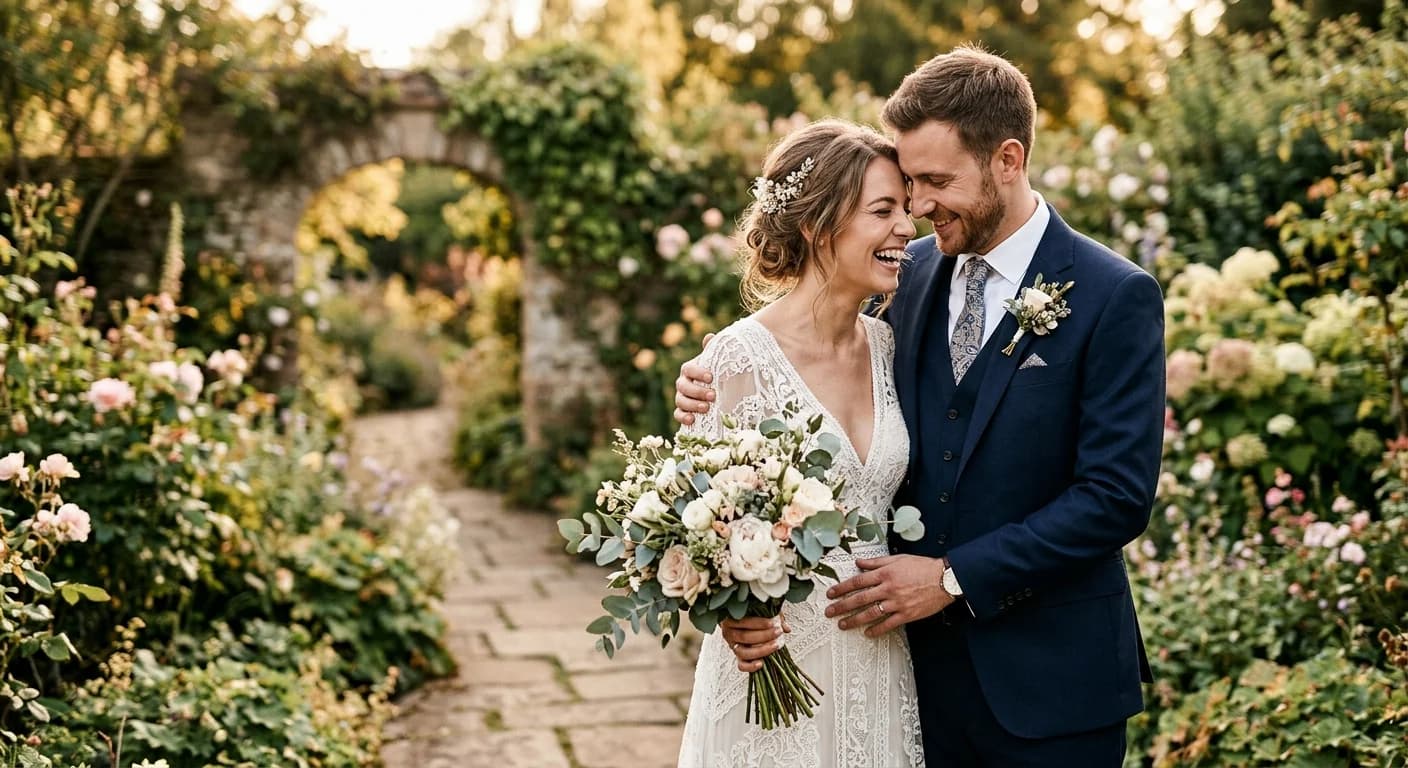
The Rule of Thirds is the most well-known and arguably the most important of all beginner photography composition tips. Imagine breaking your image down into thirds, both horizontally and vertically, so that you have 9 equal parts.
- How to use it: Place your subject along these lines or at the points where they intersect.
- Why it works: Placing the subject dead center often results in a static, boring image. Off-center placement creates energy and interest.
- Pro Tip: Most cameras and smartphones have a “Grid” feature in the settings. Turn it on to visualize these lines while shooting.
2. Leading Lines
Our eyes naturally follow lines. Leading lines are a powerful tool to guide the viewer’s eye directly to your subject. This is a staple technique in any beginner photography composition tips guide.
- Examples of Leading Lines: Roads, fences, bridges, shorelines, or even a row of trees.
- Execution: Look for lines in your environment. Position yourself so the lines start near the bottom corner of the frame and lead toward the main subject in the distance or at an intersection point.
3. Framing Your Subject
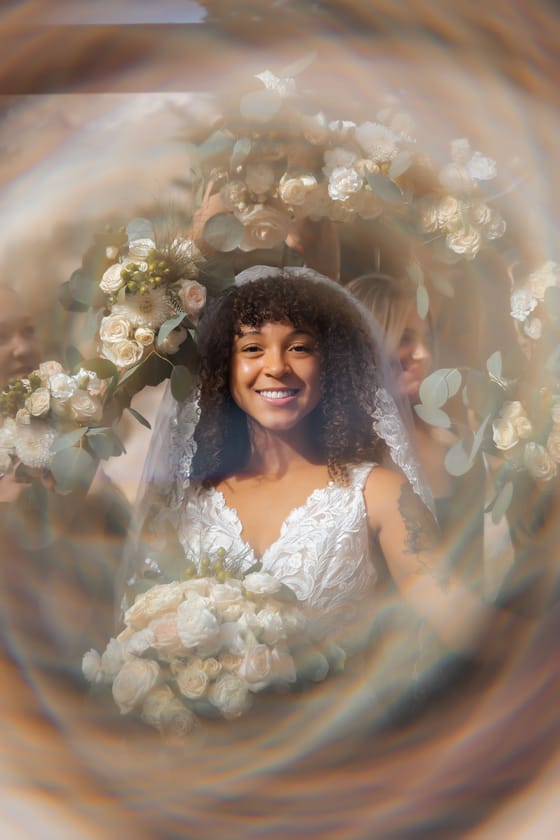
Framing involves using elements within the scene to create a “frame” around your subject. This adds depth and context, isolating the subject from the background.
- Natural Frames: Windows, arches, overhanging branches, or tunnels.
- Effect: This technique focuses attention immediately on the subject. It also adds layers to the image, making the viewer feel like they are peeking into a private moment.
4. Fill the Frame
Sometimes, the context isn’t necessary. If you want to emphasize texture, emotion, or detail, fill the frame with your subject.
- When to use it: Portraits, macro photography, or abstract shots.
- The Benefit: It eliminates distracting backgrounds. It forces the viewer to look at nothing but the subject. This is one of those beginner photography composition tips that instantly makes portraits look more professional and intimate.
5. Symmetry and Patterns
Humans are naturally attracted to symmetry. We find it pleasing. Breaking that symmetry can also be powerful.
- Symmetrical Balance: Splitting the image perfectly down the middle (common in architecture).
- Patterns: Repeating elements can create a rhythm.
- Breaking the Pattern: If you have a pattern of blue windows, and one is red, the red one becomes the focal point. This creates immediate visual interest.
Advanced Strategies for Better Composition
Once you have mastered the basics, you can combine them with these slightly more advanced concepts. These beginner photography composition tips strategies will add sophistication to your work.
Change Your Perspective
Most beginners shoot from eye level. This is how we see the world every day, so photos taken from this height often feel ordinary.
- Get Low: Crouch down or lie on the ground. This makes subjects look larger and more heroic.
- Get High: Climb a ladder or stand on a chair. This reveals patterns and layouts that are invisible from the ground.
- The Impact: Changing your angle changes the relationship between the foreground and background, adding a sense of scale and drama to your photos.
Use Depth of Field
While this is partly a technical camera setting, it is a compositional tool. Using a wide aperture (low f-number) creates a blurry background (bokeh).
- Why use it: It separates the subject from a busy background.
- How it helps: If you cannot move your subject to a clean background, use depth of field to make the background disappear visually. This ensures the viewer isn’t distracted by clutter.
Simplify the Scene
One of the most difficult beginner photography composition tips best practices to learn is subtraction. A great photograph has a clear subject. Everything else in the frame should support that subject or be removed.
- Check the Edges: Before pressing the shutter, look at the four corners of your frame. Is there a trash can? A random foot? A tree branch growing out of someone’s head?
- Fix it: Zoom in, step forward, or change your angle to cut out the clutter. Simplicity often leads to the strongest images.
Common Mistakes to Avoid
Learning what not to do is just as important as learning what to do. As you explore beginner photography composition tips for beginners, watch out for these pitfalls:
1. Cutting Off Limbs: When photographing people, avoid cropping them at the joints (ankles, knees, elbows, wrists). It looks awkward. Crop mid-thigh or mid-shin instead.
2. Tilted Horizons: Unless you are doing it deliberately for an artistic effect, keep your horizon line straight. A tilted horizon can make a landscape feel uneasy and “wrong.”
3. Busy Backgrounds: Always look behind your subject. A pole growing out of a subject’s head is a classic photography fail. Move the subject or move yourself to fix the background.
Practical Exercises to Improve Your Skills
Reading about beginner photography composition tips is only half the battle. You need to practice. Here are a few exercises to try this week:
- The “One Subject” Challenge: Pick one object (a cup, a flower, a toy). Take 20 different photos of it using 20 different composition techniques.
- The Grid Walk: Go for a walk and force yourself to take 10 photos using only the Rule of Thirds.
- Leading Line Scavenger Hunt: Spend an afternoon finding and photographing 5 different types of leading lines.
Conclusion
Mastering composition is a journey, not a destination. It takes time to train your eye to see the world the way a camera does. By consistently applying these beginner photography composition tips, you will notice a drastic improvement in your images. Remember, rules are meant to be learned so you can break them later. Start with the Rule of Thirds, practice your leading lines, and always strive to simplify your scene. With patience and practice, your portfolio will transform from a collection of snapshots into a cohesive body of art.
Frequently Asked Questions
Q: What is the “Golden Ratio” in photography composition?
A: The Golden Ratio is a mathematical ratio roughly equal to 1.618 that is found in nature. It is similar to the Rule of Thirds but uses a spiral grid to place the subject in a way that is naturally pleasing to the human eye.
Q: Do I need a professional camera to use these composition tips?
A: No, composition is about the arrangement of elements, not the gear. You can apply these beginner photography composition tips using an iPhone, an Android, or a DSLR. The principles remain the same regardless of the equipment.
Q: How do I break the rules of composition effectively?
A: You must learn the rules first. Once you understand why the Rule of Thirds works, you can break it by centering your subject for a specific effect, such as creating a sense of isolation or tension.
Q: Why does my photo look good on my camera but boring on my computer?
A: This often happens due to a lack of context or clutter that wasn’t noticeable on the small screen. Zooming in on your camera’s LCD to check for distractions and ensuring your subject is sharp can prevent this.
Q: Can I fix composition in post-processing software like Lightroom?
A: Yes, you can crop images to adhere to the Rule of Thirds or straighten horizons. However, it is always better to get the composition right in-camera to maintain the highest image quality and resolution.
Contact Candid Studios today to learn more about how we can help your business.
SUGGESTED_TAGS
#PhotographyTips #Composition #BeginnerPhotography #PhotoEditing #RuleOfThirds #CandidStudios #PhotographyGuide
INTERNAL_LINKS
1. Understanding Aperture and Shutter Speed
2. Portrait Photography Lighting Guide
3. How to Edit Photos in Lightroom
4. Best Cameras for Business Marketing
5. Candid Studios Portfolio