Jobs in Colorado: Where Opportunity Meets Mountain Air
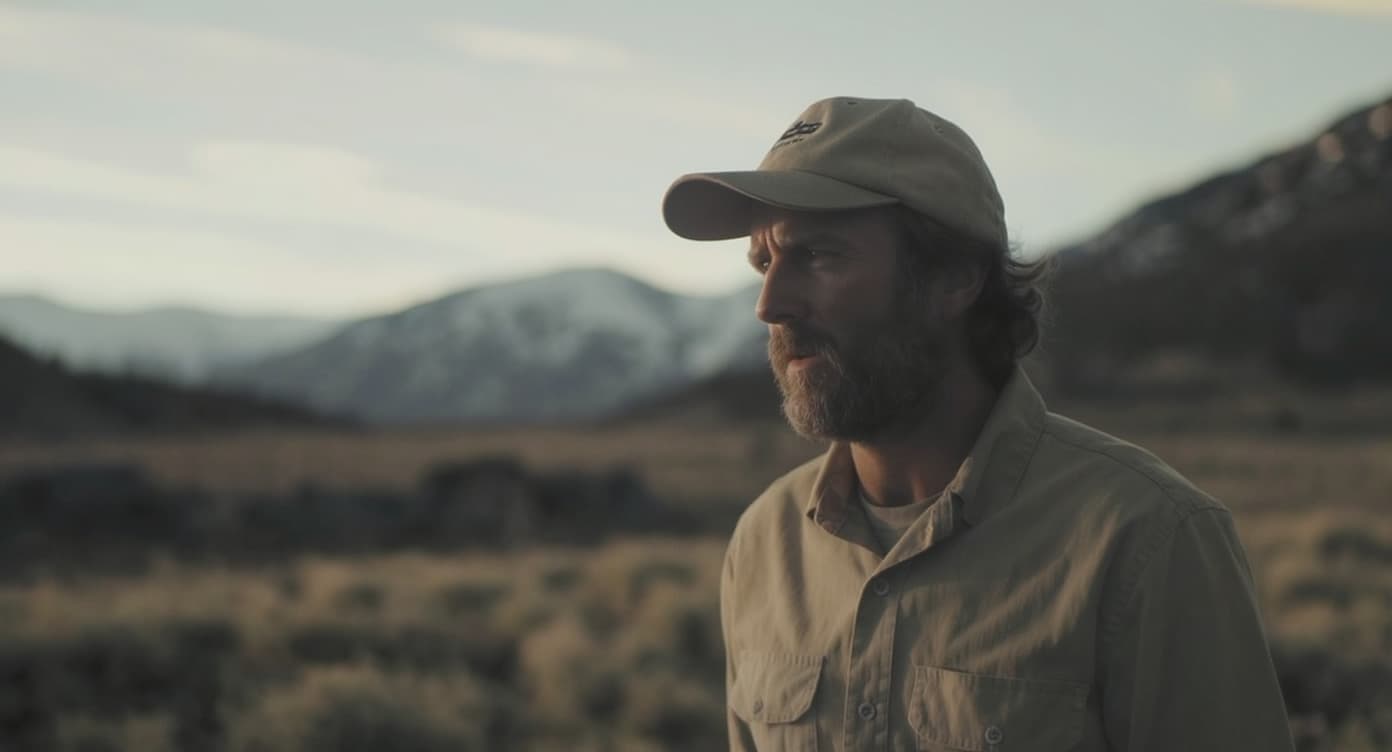
Colorado’s dynamic economy blends innovation, natural resources, and lifestyle appeal, making it more than just a scenic backdrop. It’s a place where engineers design satellite systems in Boulder, nurses staff growing rural clinics, teachers shape classrooms in mountain towns, and visual storytellers like Candid Studios capture authentic moments across Denver, Aspen, and Grand Junction. With its mix of urban centers and remote-friendly infrastructure, Colorado continues drawing talent seeking both professional growth and intentional living.
Key Takeaways
- Candid Studios serves clients across Colorado, including Denver, Colorado Springs, Fort Collins, and the Western Slope, as part of its multi-state service area.
- Photography and videography professionals in Colorado often build hybrid careers that combine event coverage, corporate storytelling, and real estate visual marketing.
- Remote work adoption has expanded opportunities for creative freelancers in Colorado, allowing them to serve national clients while living locally.
Why Colorado’s Job Market Stands Out
Colorado’s labor landscape reflects its identity: forward-thinking, resilient, and rooted in place. Unlike states driven by a single industry, Colorado’s employment base is diversified, anchored by aerospace in Colorado Springs, tech and startups in the Front Range corridor, agriculture and energy in Eastern Plains communities, and tourism-driven hospitality across mountain resort towns.
What makes this especially relevant for creative professionals is how deeply local context informs opportunity. A photographer working in Telluride isn’t just shooting weddings, they’re documenting a seasonal rhythm tied to ski passes, film festivals, and boutique brand launches. In Denver, corporate headshots may happen inside co-working spaces downtown or on rooftop terraces overlooking the Rockies. That regional nuance shapes not only what jobs exist, but how they’re performed.
Candid Studios’ presence in Colorado reflects this reality. Since expanding into the state in 2019, the team has covered over 420 events across the region, from mountain elopements near Estes Park to startup launch videos in LoDo. Their Story-First Shoot methodology ensures each assignment begins not with gear checks, but with understanding how a client’s mission connects to Colorado’s cultural pulse.
High-Demand Careers Across the State
Demand doesn’t look the same in every zip code, and that’s by design. In metro areas like Denver and Aurora, employers consistently seek professionals in software development, cybersecurity, data analysis, and project management. Meanwhile, rural counties report urgent needs in registered nursing, commercial trucking, HVAC technicians, and bilingual educators.
Healthcare remains one of Colorado’s most stable employment sectors, with hospitals, community clinics, and telehealth providers scaling teams statewide. The state’s aging population and expansion of Medicaid services have increased hiring for home health aides, medical coders, and behavioral health counselors, particularly in underserved regions like Montrose and Pueblo.
In education, teacher shortages persist, especially in STEM, special education, and bilingual instruction. Districts across the San Luis Valley and Western Slope offer signing bonuses and housing assistance to attract qualified candidates. Similarly, skilled trades face a widening gap: electricians, plumbers, and carpenters are in consistent demand, supported by apprenticeship programs through Colorado’s Department of Labor and Employment.
For creatives, opportunity emerges at the intersection of these sectors. Corporate clients need brand-aligned video content. Real estate agents require compelling property visuals. Nonprofits seek authentic storytelling for donor campaigns. And wedding couples want documentation that feels true to their values, not just polished, but purposeful.
That’s where Candid Studios’ Natural Light Mastery becomes an asset. Whether photographing a nonprofit gala at the Denver Art Museum or capturing product shots for a Boulder-based outdoor apparel brand, ambient light discipline ensures consistency across environments, from high-ceilinged industrial lofts to sun-dappled mountain meadows.
Creative Careers: Beyond the Camera
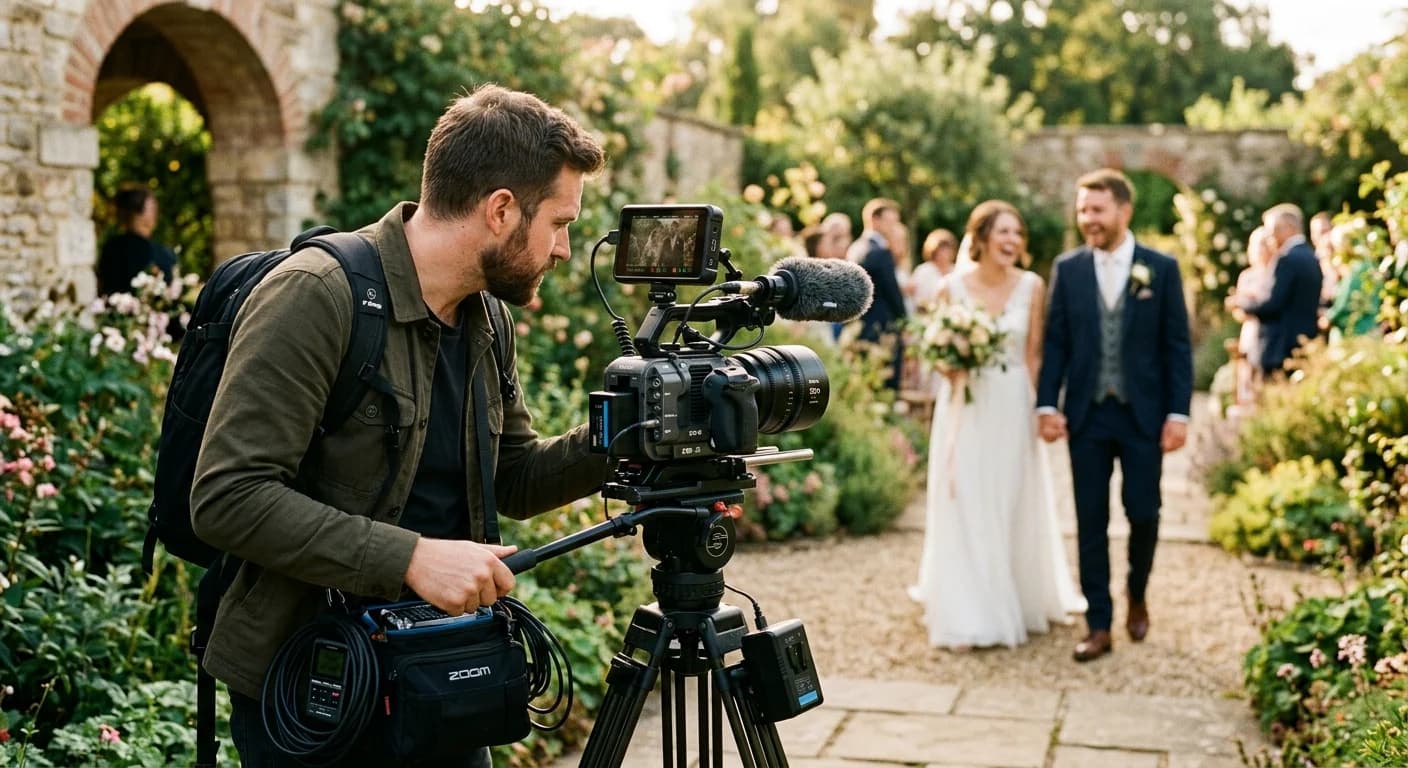
Creative work in Colorado rarely fits a single mold. Many photographers operate as hybrid professionals, part documentarian, part strategist, part educator. They teach workshops at Red Rocks Community College, consult with small businesses on visual branding, or partner with tourism boards on destination campaigns.
Headshot sessions, for example, aren’t just about lighting and framing. In Colorado’s entrepreneurial culture, a headshot often serves as a first impression for LinkedIn, investor pitches, or grant applications. That means photographers must understand tone, industry expectations, and even subtle cues about professionalism in sectors like clean energy or regenerative agriculture.
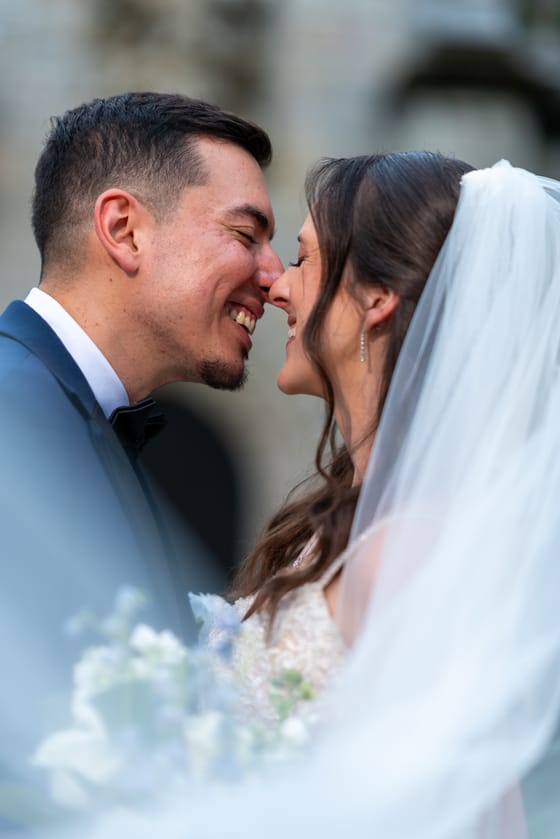
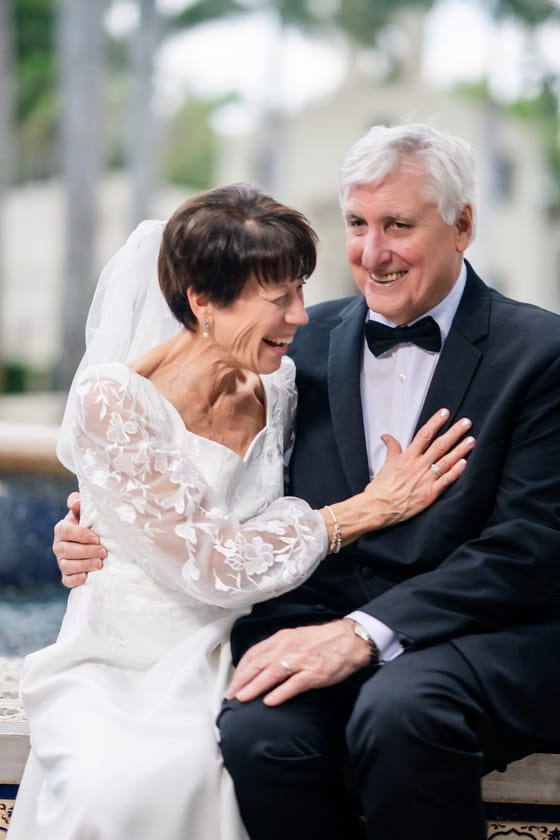
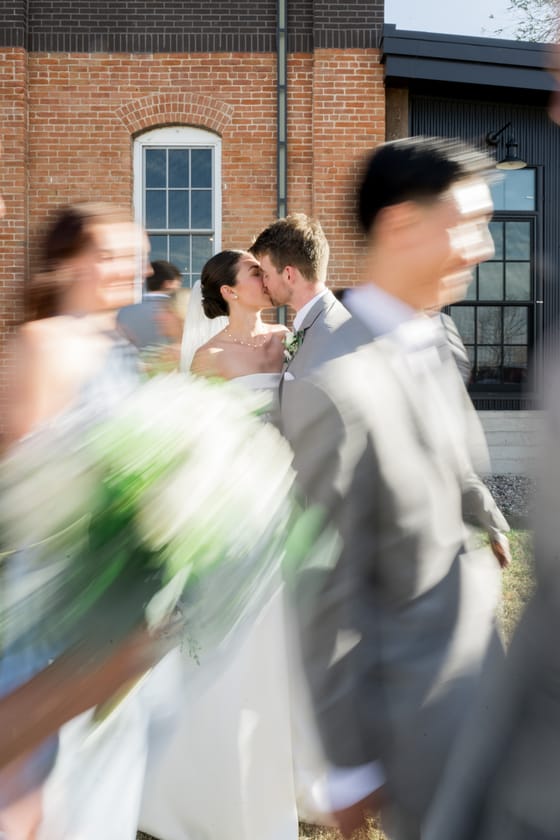
Engagement sessions frequently double as location scouting, helping couples envision their wedding day while also building trust before the big event. Candid Studios’ approach treats these shoots as narrative anchors: a couple hiking Chautauqua Trail might later use those images in save-the-dates, social bios, or even local magazine features.
Photo booth rentals reflect another layer of adaptation. At a tech conference in DTC (Denver Tech Center), the booth becomes branded activation space. At a family reunion in Rocky Mountain National Park, it transforms into intergenerational storytelling tool, complete with custom overlays referencing Colorado history or local landmarks.
This versatility matters because Colorado’s creative economy rewards responsiveness over rigidity. There’s no “one-size-fits-all” path, just many ways to align craft with community need.
Working Remotely, and Locally, in Colorado
Remote work didn’t just survive the pandemic in Colorado, it deepened roots. According to U.S. Census data, over 35% of Colorado workers reported working remotely at least part-time in 2023, higher than the national average. That shift reshaped expectations around flexibility, collaboration tools, and even workspace design.
For visual storytellers, remote capability expands reach without sacrificing local grounding. Candid Studios’ editing team works asynchronously with clients across time zones, delivering final galleries within 2 to 4 weeks, regardless of whether the shoot happened in Fort Collins or Florida. This model supports both national brands needing consistent visual standards and Colorado-based founders launching products from home offices in Nederland or Durango.
But remote work also requires intentionality. Without shared physical space, clarity becomes critical. That’s why Candid Studios uses its Candid Edit Framework, prioritizing emotional fidelity over perfection. When reviewing edits with a client in Grand Junction, the focus stays on whether the image conveys confidence, warmth, or energy, not whether every pixel meets arbitrary technical thresholds.
This philosophy resonates in Colorado’s values-driven workforce. People here often choose roles based on mission alignment, whether supporting sustainable construction firms, climate-tech startups, or indigenous-led conservation initiatives. Visual storytelling becomes a bridge between purpose and perception.
What Employers Value in Colorado-Based Talent
Colorado employers don’t just hire for skill, they screen for fit. That includes adaptability to variable conditions (think sudden afternoon thunderstorms during outdoor shoots), comfort with decentralized workflows, and awareness of regional cultural norms.
A photographer covering a corporate retreat in Vail needs to understand how to navigate lodge logistics, coordinate with event planners across multiple vendors, and adjust timelines when weather shifts. That’s different from managing a studio session in Greenwood Village, yet both require the same foundational rigor: preparation, communication, and follow-through.
Candid Studios’ backup-photographer network exemplifies this mindset. If a primary shooter faces travel delay due to I-70 closure, a vetted local collaborator steps in, ensuring continuity without compromising quality. That kind of contingency planning signals reliability to Colorado-based clients who value resilience as much as results.
Similarly, hourly transparency builds trust. Clients know exactly what they’re investing in, whether it’s $425/hr for coverage, $50/hr for post-production, or $400 for drone perspectives of mountain venues. No hidden line items. No surprise upsells. Just clear scope, aligned expectations, and deliverables tied to real-world outcomes.
Navigating Entry Points and Career Growth
Breaking into Colorado’s job market often starts with connection, not credentials. Local meetups, industry associations like the Colorado Photographic Arts Center, and volunteer opportunities with organizations such as Mile High United Way provide low-barrier entry points for relationship-building.
Internships remain valuable, especially in media and communications roles. Some Colorado colleges offer semester-long placements with regional news outlets, marketing agencies, and government communications offices, giving students hands-on experience while building portfolios rooted in local stories.
For freelancers, consistency compounds. Candid Studios’ 3,000+ events captured since 2016 weren’t built overnight. They reflect steady investment in process refinement, from the 15-minute discovery chat that precedes every Story-First Shoot to the deliberate sequencing of final galleries that tell a cohesive story.
Growth often comes from specialization. A photographer might begin with general event coverage, then deepen expertise in nonprofit storytelling, then expand into branded documentary video, all while maintaining core values of authenticity and restraint. That progression mirrors Colorado’s own economic evolution: from resource extraction to knowledge economy, always grounded in place.
Preparing Your Portfolio for Colorado Opportunities
Your portfolio isn’t just a collection of images, it’s evidence of how you think, solve problems, and honor context. In Colorado, that means showing range and resonance.
Include examples that reflect regional diversity: a winter wedding at Beaver Creek, a startup team photo in RiNo, a product shoot for a Front Range kombucha brand. Avoid generic stock-style imagery. Instead, highlight moments where environment informs emotion, like golden-hour light filtering through aspen groves during an engagement session, or the quiet intensity of a nurse preparing for shift change at UCHealth in Colorado Springs.
Candid Studios’ WeddingRule Editor's Choice 2023 recognition came not from technical perfection alone, but from narrative cohesion, how a series of images told a couple’s story across time and terrain. That same principle applies to corporate work: does your portfolio show how a brand’s voice translates visually across platforms? Does it demonstrate understanding of audience, platform, and purpose?
Also consider accessibility. Captioning video reels, offering alt-text-ready image descriptions, and using inclusive language in captions signal awareness of evolving best practices, something Colorado employers increasingly prioritize.
Finally, be transparent about process. A short note explaining your Natural Light Mastery approach, how you used open shade and reflectors during a summer portrait session in Garden of the Gods, adds depth beyond the final frame.
Frequently Asked Questions
Q: What careers are in demand in Colorado?
A: Healthcare roles like registered nurses and medical coders, skilled trades including electricians and HVAC technicians, tech positions in software development and cybersecurity, and education specialists, especially in STEM and bilingual instruction, are consistently in demand across Colorado’s urban and rural communities.
Q: What job pays $400,000 a year without a degree?
A: No widely recognized profession in Colorado reliably offers $400,000 annually without formal education or extensive verifiable experience. High-earning roles like senior software engineering, executive sales, or specialized consulting typically require either advanced credentials, proven track records, or proprietary expertise developed over years.
Q: Is it easy to get a job in Colorado?
A: “Easy” depends on field and preparation. Competitive sectors like tech and healthcare welcome qualified candidates, but success often hinges on networking, portfolio strength, and understanding regional employer expectations, such as valuing adaptability in variable mountain conditions or alignment with mission-driven organizations.
Q: Is $20 an hour good in Colorado?
A: $20 an hour equals about $41,600 annually before taxes, above Colorado’s minimum wage but below median household income in most metro areas. Its adequacy depends on role, experience, benefits, and location; in high-cost cities like Denver or Boulder, it may cover essentials but leave little margin for savings or discretionary spending.
Q: How do creative professionals find steady work in Colorado?
A: Creative professionals build stability through hybrid models, combining freelance gigs, recurring contracts with local businesses, teaching or mentoring, and strategic partnerships. Consistency comes from process discipline, community visibility, and adapting offerings to regional needs like tourism marketing, nonprofit storytelling, or outdoor brand development.