How To Choose A Wedding Photographer (2026 Checklist)
Choose a wedding photographer by locking four decisions early: style (documentary, editorial, classic), budget (hours and second shooter), full galleries (not just highlights), and personality fit on a consultation. Book popular Saturdays 9–12 months ahead. Use our cost guide and question list before you deposit.
Explore Related Coverage
Related: Average Wedding Videography and Wedding Videographer Costs
Bring These Three Questions To Your Consultation
Use this checklist alongside your draft wedding timeline:
- Can we see a complete wedding gallery? Look through getting ready, the ceremony, portraits and reception. Ask for examples with lighting conditions relevant to your plans. If you are booking video too, ask to see the type of film included in your proposed package.
- How does the coverage fit our timeline? Bring your ceremony time, travel between locations and the reception moments you want documented. Ask when coverage would begin and end, which moments fit, and how changes to the plan are handled.
- What will working together feel like? Discuss portrait guidance, communication and how photography and video coordinate. Share concerns about being photographed and the pace you prefer.
Before booking, confirm the agreed coverage hours, team size and deliverables in your proposal and agreement. Start an inquiry when you are ready to discuss your date, location and plans.
When you start the search for your wedding photographer, it really boils down to four things: figuring out your artistic style, setting a realistic budget, digging into their full galleries, and making sure your personalities click. Nail these, and you’ll find someone who not only delivers stunning photos but actually makes your wedding day better.
Define Your Wedding Photography Style
Before you fall down the rabbit hole of Instagram hashtags and endless photographer websites, take a breath. The very first thing you need to do is get clear on what you want your wedding photos to feel like.
Are you picturing bright, dreamy, romantic images? Or do you lean toward something more dramatic and moody, with rich shadows and a cinematic vibe? Knowing what you love is the compass that will guide your entire search.
Getting this right from the start is crucial. It prevents that awful feeling of a “style mismatch” and ensures the photos you get back are the ones you’ve been dreaming of.
Unpacking Common Photography Styles
Most photographers don’t fit neatly into one box, they often blend different approaches. But understanding the main styles will give you the language to describe what you’re looking for.
- Photojournalistic: This is all about telling the story of your day as it unfolds, completely unposed. Think candid laughter, happy tears, and all the little in-between moments. It’s documentary-style, capturing genuine emotion.
- Fine Art: If you love light, airy, and soft images that feel almost like a painting, this is it. This style is very intentional, with a focus on beautifully curated details, soft light, and gracefully guided poses.
- Traditional: This is the classic, timeless approach you probably saw in your parents’ wedding album. It’s centered around formal, posed portraits of the couple, family, and wedding party, ensuring you get those essential keepsake shots.
- Dramatic/Cinematic: This style is all about the “wow” factor. Photographers use creative lighting, deep shadows, and bold colors to create images that feel epic and emotionally charged, almost like a still from a movie.
As you can see, different personalities naturally gravitate toward certain styles. The key is finding the artist whose vision truly lines up with yours.
Create A Vision For Your Day
Got a handle on the styles you like? Now it’s time to build a mood board. Pinterest is perfect for this, but you can also just save screenshots from photographer blogs that catch your eye.
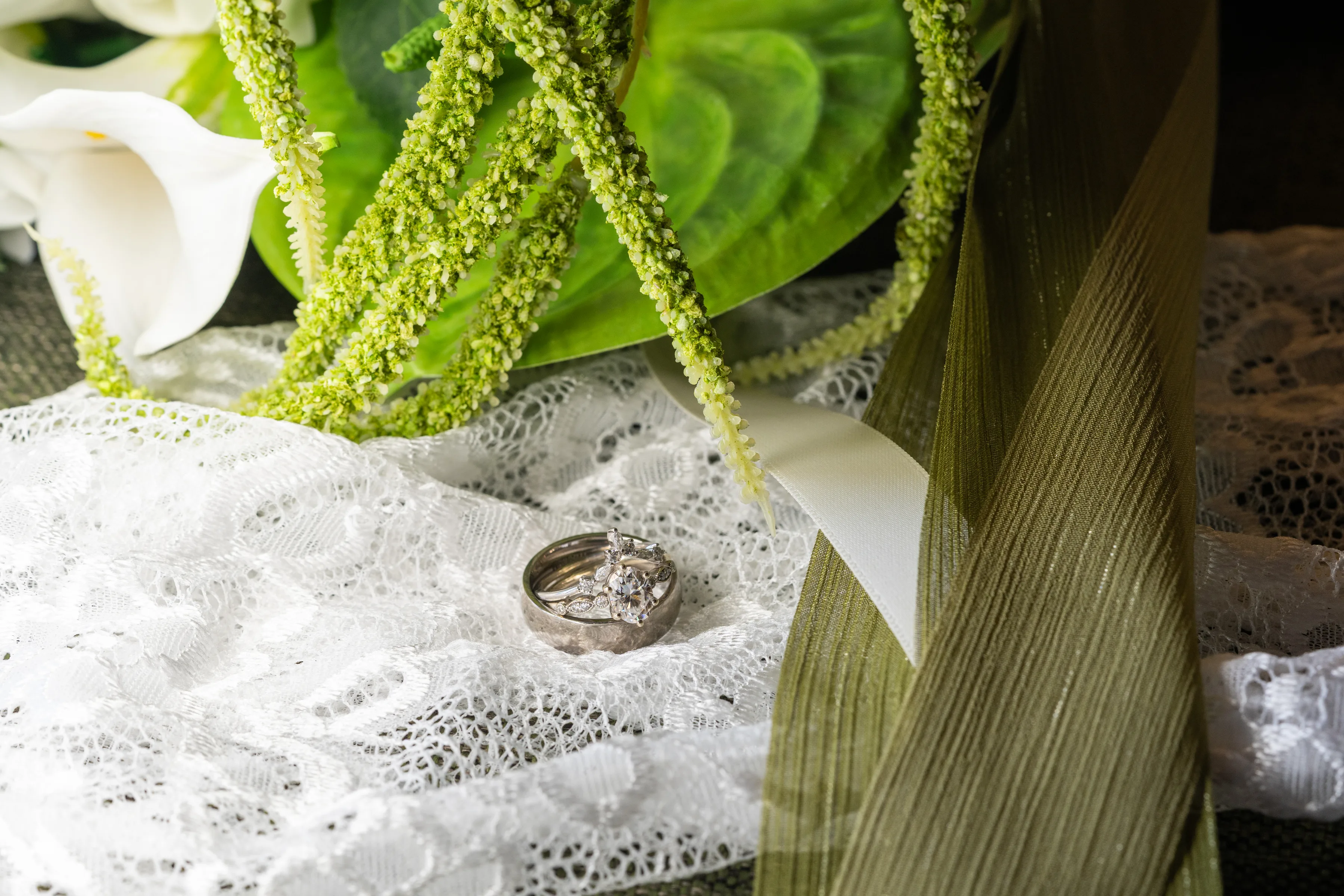
Go beyond just couple portraits. Pin images of details you love, the way a dress flows, a close-up of the rings, or a candid shot of guests on the dance floor. It’s about capturing a whole vibe.
Pro Tip: Your mood board isn’t a shot list for the photographer to copy. Think of it as a communication tool to show them the overall feeling, mood, and emotional tone you’re hoping for in your own photos.
This simple visual guide will be one of the most helpful things you bring to your first meeting with a potential photographer. If you want to go even deeper, you can learn more about finding The Right Style Of Wedding Photography here. And if you’re dreaming of those jaw-dropping, sweeping views, looking into specialized options like drone wedding photography can add a truly spectacular perspective to your day. Putting in this work upfront ensures you and your photographer are on the same page from day one.
Comparing Wedding Photography Styles
Use this quick guide to find the photography style that best suits your personality and wedding day vision.
Photography Style
Key Characteristics
Best For Couples Who…
Photojournalistic
Candid, unposed, documentary-style, focuses on real moments and emotions.
…are laid-back, hate posing, and want to remember the day exactly as it happened.
Fine Art
Light, airy, romantic, soft colors, styled details, and guided, elegant posing.
…love soft, dreamy aesthetics, value artistic composition, and want painterly images.
Traditional
Posed, formal portraits of the couple, family, and wedding party; classic and timeless.
…prioritize getting those essential family photos and want a classic, enduring record.
Dramatic/Cinematic
Bold lighting, deep shadows, rich colors, epic and emotional feel.
…are adventurous, love a bit of drama, and want their photos to feel like a movie.
Remember, many photographers blend these styles, so use this as a starting point to find someone whose portfolio makes your heart skip a beat.
Let’s Talk Money: Setting Your Photography Budget
Alright, let’s get down to the numbers. After you’ve got a feel for the photography style you love, the next big piece of the puzzle is your budget. Think of wedding photography as an investment, it’s one of the few things from your wedding that will actually grow in value over time.
A photographer’s price tag isn’t just a number pulled out of thin air. It’s a thoughtful calculation based on their experience, the time they dedicate to you, and the real costs of running a professional business.
What Goes Into A Photographer’s Pricing?
When you look at a photographer’s quote, you’re seeing a reflection of their skill and the value they bring to your day. A few key things drive that number:
- Years in the Game: A seasoned pro with a decade of weddings under their belt will naturally have a higher price point than someone just starting out. You’re not just paying for photos; you’re paying for their expertise in handling tricky lighting, wrangling large family groups, and delivering stunning images no matter what the day throws at them.
- Time on the Clock: Most packages are built around hours of coverage, typically somewhere between 6 to 10 hours. The longer you need them there, from getting ready to the grand exit, the more it will cost.
- Location, Location, Location: A photographer in a big city with a higher cost of living will likely have higher rates. And if your wedding is a destination for them, you can expect to cover their travel and lodging costs. It’s standard practice.
Interestingly, the market is a bit wild right now. Reports from outlets like Zenfolio’s State of the Photography Industry show that while 65% to 77% of photographers are facing rising business costs, they aren’t always increasing their prices to match. This means you might find some incredible, experienced photographers who are actually a bargain for their skill level.
Breaking Down The Wedding Package
Trying to compare photography packages can sometimes feel like comparing apples and oranges. Let’s make it simple. Most packages have a few core things in common, and knowing what’s standard versus what’s an “extra” will help you figure out what you’re really getting.
At a minimum, you can usually expect to see:
- A set number of coverage hours for the wedding day.
- One lead photographer.
- A digital gallery with your high-resolution, edited images.
Pro Tip: Make sure you ask what “edited” actually means. Is it basic color correction and cropping, or does it include detailed retouching? Getting clarity on this from the get-go saves a lot of headaches later.
Of course, there are always popular add-ons to consider. A second photographer is fantastic for getting more angles (like your partner’s reaction as you walk down the aisle!). An engagement session is a great way to get comfortable in front of the lens. And a high-quality wedding album is a timeless heirloom.
If you want a deeper dive into how all these moving parts affect the final number, our wedding photographer pricing guide for 2025 breaks it all down for you.
Smart Questions To Ask About Money
To make sure you’re on the same page and avoid any surprise fees, you need to ask a few direct questions. When you’re chatting with a potential photographer, have these ready to go:
- Could you walk me through what’s included in each of your packages?
- Are there any travel fees for our venue?
- What’s the cost for an extra hour of coverage if things run late?
- Is an engagement shoot included, or is that a separate cost?
- How does ordering prints or albums work, and what does that typically cost?
Asking these questions right from the start helps you accurately compare your options. It’s about making a smart financial choice that fits your budget while ensuring you get the beautiful, lasting memories you truly deserve.
How To Properly Vet A Photographer’s Portfolio
So, you’ve narrowed down your list of photographers. Now the real work begins. It’s time to dig deeper than the highlight reel you see on their website or Instagram. Think of those feeds as the movie trailer, it’s all the best moments, perfectly polished to draw you in.
But your wedding day isn’t just a two-minute trailer. It’s the full-length feature film, complete with different lighting, locations, and a whole cast of characters. To really know if a photographer is right for you, you have to see the whole movie.
Look Beyond The Curated Feed
Here’s your first move: ask to see two or three complete wedding galleries. Don’t be shy about this. Any seasoned pro will expect this request and should be happy to oblige. Seeing one full gallery is good, but two or three shows you their true level of consistency.
This is how you find out what you’re really paying for. You’re not just hiring someone for a handful of stunning sunset portraits. You’re trusting them to handle the beautiful chaos of the entire day and deliver incredible images from start to finish.
This investment in professional quality is a big deal, and it’s a trend that’s growing. Even with everyone having a great camera in their pocket, the demand for true professional artistry keeps climbing, which says a lot about the value couples place on their wedding photos.
What To Look For In A Full Gallery
Once you have those galleries open, you’re on a mission. You’re looking for proof of their technical skills and their ability to tell a story through their lens.
Here are the things I always tell couples to pay close attention to:
- Consistency in Tricky Lighting: A wedding day is a lighting rollercoaster. How do the photos from the dark getting-ready room compare to the ones from the bright, sunny outdoor ceremony? And what about the dim, moody lighting of the reception? A real pro delivers beautiful, consistent images no matter what lighting challenges the day throws at them.
- Authentic Candid Moments: The magic is often in the moments you didn’t even know were happening. Look for genuine laughter during speeches, a quiet tear on a parent’s face, or your friends going wild on the dance floor. These unposed shots require a photographer with a great eye and even better timing.
- Efficient Group Portraits: Ah, the dreaded family formals. They can be a stressful part of the day if not handled well. In the gallery, do the people in the group shots look comfortable and happy, or stiff and annoyed? Check that everyone is in focus and well-lit. This is a tell-tale sign of a photographer who can take charge calmly and efficiently.
A great portfolio tells a cohesive story. The images should flow together, capturing the unique mood and emotion of the day from the first detail shot to the final send-off. It should feel like you were actually there.
The Storytelling Test
As you click through the images, ask yourself one simple question: Is this person just taking pretty pictures, or are they telling a story?
Do you get a feel for the couple’s personality? Can you sense the energy and emotion of the celebration? The best wedding photographers are visual storytellers. They don’t just capture what your day looked like; they capture what it felt like. That’s what turns a nice set of photos into family heirlooms you’ll treasure forever.
If you want to dig even deeper, we’ve put together a full checklist of questions to ask your wedding photographer to make sure you cover all your bases.
Finding A Photographer Who Fits Your Vibe
So, you’ve looked at countless portfolios and compared a dozen packages. But here’s the thing that no contract or gallery can tell you: what’s this person actually like? This is huge. Remember, your photographer will be with you for 8+ hours on one of the most significant, emotional days of your life. Their vibe, their energy, their personality, it all matters, maybe more than you think.
When you genuinely connect with your photographer, you relax. You feel comfortable. And that comfort is the secret ingredient to getting those incredible, natural-looking photos you want. If you’re feeling tense or just plain awkward, trust me, it will show up in every single picture. You’re not just hiring a camera operator; you’re choosing someone you genuinely want to share your wedding day with.
The All-Important Consultation Call
Okay, this is where the real “vibe check” happens. Before you ever get on that call, do a little recon work. Go back to their website and actually read their ‘About Me’ page. Scroll through their Instagram stories and posts. You’re trying to get a feel for who they are beyond the portfolio. Doing this prep work lets you skip the surface-level stuff and dig into what really matters.
A photographer’s job is part artistry, part crowd control, and part emotional support. You’re looking for someone who excels at all three and makes you feel completely at ease while doing it.
Once you’re on the call, tune into how they make you feel. Are they genuinely listening to your story and your vision for the day, or does it sound like they’re just reading off a sales script? Can you hear the passion in their voice when they talk about their work? That gut feeling you get is almost always right. Don’t ignore it.
Questions That Reveal More Than Price
Of course, the budget is important, but a good conversation goes way deeper than the numbers. You’re trying to figure out how they actually operate on a wedding day and if their personality will be a good fit for you, your family, and your friends.
Here are a few questions I always recommend to get the ball rolling:
- “How would you describe your approach on the wedding day?” Listen for key phrases. Are they a “fly on the wall”? Do they act as a “director”? Or are they a mix of both? This tells you everything about whether they’re hands-off or love to guide the action.
- “How do you help couples who feel awkward in front of the camera?” This is a big one! A seasoned pro will have a whole playbook for this, they’ll talk about using prompts instead of poses, keeping things fun, and creating a relaxed atmosphere.
- “Can you tell me about a time something went wrong at a wedding and how you handled it?” Their answer here is gold. It reveals their real-world problem-solving skills and how they handle pressure. It speaks volumes about their experience and professionalism.
Finding a photographer you click with is just as important as falling in love with their artistic style. Some photographers are masters of a highly directed, magazine-like feel, and if that’s what you’re after, you can learn more about finding an editorial wedding photographer to match that polished vision. In the end, choosing someone you connect with is a massive investment in your own peace of mind.
So, you’ve done it. You found the one. The photographer whose style makes your heart skip a beat and whose personality feels like you’ve known them for years. It’s a huge relief, but before you pop the champagne and tick this massive item off your wedding checklist, there’s one final, absolutely critical step: the contract.
Don’t let your eyes glaze over. This document isn’t just a boring formality; it’s the blueprint for your entire photography experience. It’s what protects you, protects your photographer, and ensures that everything you’ve discussed becomes a concrete plan.
Think of it this way: a great conversation is wonderful, but a professional agreement is what turns that chat into a commitment. It makes sure everyone is on the exact same page about what’s being delivered, when it’s due, and how it all gets paid for. This is standard practice in a professional industry. Make no mistake, wedding photography is a big business, a professional field where clear contracts are the norm.
What To Look For In The Contract
Treat the contract like a final checklist. Before you put pen to paper, scan for these absolute must-haves. If anything feels fuzzy or unclear, speak up! A good photographer will happily walk you through it.
Here’s what a solid contract should always cover:
- Hours of Coverage: It needs to be specific. Does it say “8 hours of coverage” or does it list the exact start and end times? You’ll also want to see what the overtime rate is, just in case the party goes a little longer than planned.
- Final Deliverables: This section manages expectations. How many edited photos will you receive? Will you get both high-resolution files for printing and web-sized versions for social media?
- Delivery Timeline: The contract must state a delivery window for your final gallery. The industry standard can range anywhere from 4 to 12 weeks, often depending on whether it’s peak wedding season.
- Payment Schedule: This should clearly break down the total cost, the non-refundable retainer (or deposit), and the final payment due date. Most photographers will require the final balance to be paid before the wedding day itself.
A Quick But Crucial Note: Get clear on the difference between print rights and copyright. Your contract will almost certainly grant you print rights, which means you can print the photos and share them online for personal use. The photographer, however, almost always retains the copyright. This means they are the legal owner of the images.
Understanding The “What Ifs”
Beyond the basics, a truly professional contract anticipates the unexpected. Life is unpredictable, and the fine print is there to protect you when things don’t go according to plan.
Make sure you find clauses that address these scenarios:
- Cancellation Policy: What happens if you have to postpone or, in a worst-case scenario, cancel the wedding? What portion of your payment is non-refundable? This should be spelled out clearly.
- Photographer Illness or Emergency: Every professional should have a backup plan. The contract should detail what happens if they can’t make it. Will they provide a substitute photographer of equal skill and style, or will you get a full refund?
- Model Release: This is the part that gives the photographer permission to use your wedding photos in their portfolio, on their blog, or for other marketing. If you’re a very private couple, this is sometimes negotiable, so don’t be afraid to ask.
Signing this document should feel like a weight off your shoulders, not a source of anxiety. It solidifies your partnership and gives you the peace of mind to move forward, confident that every last detail is accounted for.
Common Questions When Hiring A Photographer
As you narrow down your list of potential photographers, you’ll naturally start thinking about the nitty-gritty details. Getting these questions answered upfront is one of the most important parts of the process. It’s how you avoid any last-minute surprises and make sure everyone is on the same page.
When you have all the information, making that final choice just feels right. Every wedding is unique, and understanding these finer points is key to finding the photographer who’s a perfect match for your day.
How Far In Advance Should We Book?
This is a big one. For popular dates, especially Saturdays from late spring through early fall, you’ll want to lock in your photographer 9-12 months in advance. The most sought-after photographers often book up over a year out, so don’t wait too long if you have your heart set on someone.
Booking early does two things for you. First, you get your top choice before another couple snags them. Second, you usually lock in their current pricing, which can save you from any annual price increases.
A great side benefit of booking early? It gives you plenty of time to schedule an engagement session. This is the perfect trial run to get comfortable in front of the lens and really connect with your photographer before the wedding day.
What Is The Difference Between Print Rights And Copyright?
This is easily one of the most crucial, and commonly misunderstood, aspects of a photography contract. It’s vital to know exactly what you’re getting.
Here’s the simple breakdown:
- Print Rights: This is what you get as the client. It’s your legal permission to download the high-resolution images, print them as much as you want, create albums, and share them on social media with friends and family. It’s all about personal use.
- Copyright: This almost always remains with the photographer. As the artist who created the images, they are the legal owner. This means you can’t sell the photos or allow them to be used for commercial purposes without the photographer’s written consent.
Clarifying this from the start sets clear expectations and protects both you and the artist.
Do We Really Need A Second Shooter?
I get this question all the time. A second shooter isn’t always necessary, but they can be a total game-changer for certain weddings. You should seriously consider adding one if your day includes any of these elements:
- A guest list of 100 or more people
- Getting ready in two separate locations
- A ceremony and reception at different venues
- A jam-packed timeline with very little wiggle room
A second photographer adds a whole new dimension to your coverage. While your main photographer focuses on you walking down the aisle, the second can be capturing your partner’s emotional reaction. While you’re off taking portraits, they’re capturing candid moments at cocktail hour. It’s the ultimate way to ensure no detail or memory gets missed.
For more helpful advice, this comprehensive guide on finding the perfect wedding photographer is a fantastic resource. If you have more questions for us specifically, feel free to check out our list of frequently asked questions we hear from our own couples.
At Candid Studios, we believe in total transparency. We’re here to answer every single question you have to make sure you feel confident and genuinely excited about your photography. Learn more about our approach and see if we’re the right fit for your story at Candid Studios.
Frequently Asked Questions
How Far In Advance Should We Book A Wedding Photographer?
For peak Saturdays, book 9–12 months ahead. Sought-after teams often book over a year out. Booking early also locks current package pricing.
What Is The Difference Between Print Rights And Copyright?
Print rights let you download, print, and share images for personal use. Copyright usually stays with the photographer, so commercial reuse needs written permission.
Do We Need A Second Shooter?
Add a second photographer for 100+ guests, split prep locations, multi-venue days, or packed timelines. Signature packages at Candid Studios include a second shooter.
How Do We Compare Wedding Photography Packages Fairly?
Compare hours, number of shooters, delivery timeline, edited image count expectations, and album/engagement inclusions, not just the headline price. See packages & pricing.
Ready to hire? See wedding photography or contact Candid Studios. Find your city: locations.