Professional Headshot Tips: Look Your Best on Camera
Video is being generated for this article. Check back shortly!
Discover expert professional headshot tips to create stunning corporate photos. Learn posing, lighting, wardrobe secrets from pro photographers.
Picture this: You’re scrolling through LinkedIn profiles, and suddenly you stop. There’s something about one particular headshot that commands attention – it’s professional yet approachable, polished but authentic. That person just landed on your “must connect” list without saying a single word.
That’s the power of an exceptional professional headshot. Whether you’re climbing the corporate ladder, launching your own business, or building your personal brand, these professional headshot tips will help you create an image that opens doors and creates lasting impressions.
Why Your Professional Headshot Matters More Than Ever
In today’s digital-first world, your headshot often serves as the first handshake. People tend to form an impression of you almost instantly from a single photo. Your corporate headshots aren’t just pictures – they’re powerful marketing tools that can make or break opportunities.
Consider a marketing executive who updates an outdated headshot with a professional session. A polished, current image can noticeably boost how often a LinkedIn profile gets viewed and how seriously a candidate is taken, often with little else changing but the photo.

Planning Your Headshot Session: The Foundation of Success
Choose the Right Photographer
Headshot photography is a specialized skill that requires more than just a good camera. Look for photographers who specialize in corporate and professional portraits. Review their portfolio carefully – do their subjects look natural and confident? Can you see personality shining through?
Ask potential photographers about their process. Professional headshot photographers will discuss your goals, suggest wardrobe options, and explain their lighting techniques. They should make you feel comfortable and confident throughout the session.
Schedule Strategically
Book your session when you’re feeling your best. Avoid scheduling immediately after late nights, stressful deadlines, or during allergy season. Many professionals prefer morning sessions when they’re fresh and energized.
Plan for at least two hours, even if the actual shooting takes less time. This allows for wardrobe changes, touch-ups, and multiple setups without feeling rushed.
Wardrobe Secrets That Make You Look Like a Million Bucks
Color Psychology in Professional Photography
Colors communicate before you even speak. Navy blue conveys trustworthiness and professionalism – perfect for financial services or consulting. Burgundy suggests confidence and sophistication, ideal for executives and entrepreneurs.
Avoid bright whites, which can wash you out under studio lights, and busy patterns that distract from your face. Instead, opt for solid colors or subtle textures that complement your skin tone.
The Perfect Fit Formula
Your clothing should fit like it was tailored specifically for you. Jackets should lie flat across your shoulders without pulling or bunching. For women, ensure necklines are appropriate for your industry – when in doubt, err on the conservative side.
Bring multiple outfit options to your session. A classic blazer, a professional sweater, and a crisp button-down shirt give you variety while maintaining a polished look.
Grooming Details That Make the Difference
Schedule haircuts 1-2 weeks before your session, not the day of. This gives your hair time to settle naturally. For men, consider a professional shave or ensure your facial hair is neatly trimmed.
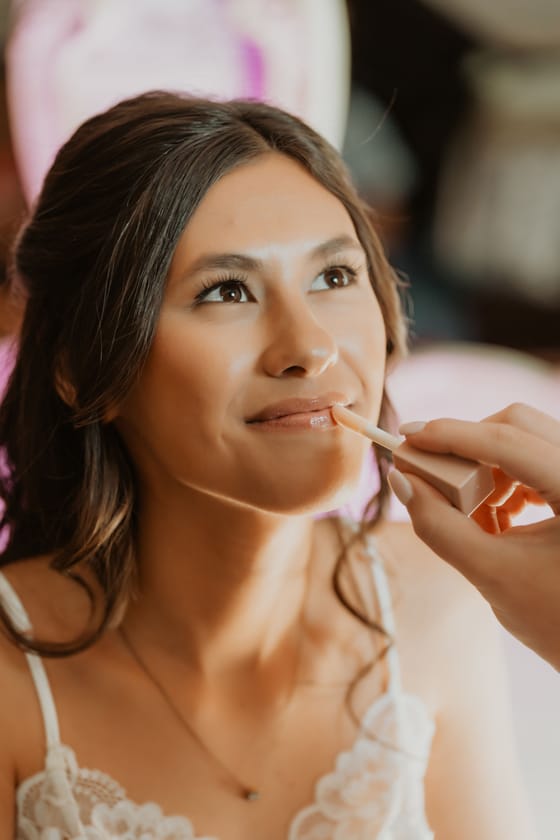
Women should opt for makeup that’s slightly more dramatic than everyday wear – studio lights can wash out natural coloring. If you’re not comfortable doing your own makeup, consider hiring a professional makeup artist.

Mastering the Art of Posing and Expression
Body Language That Commands Respect
Your posture speaks volumes before you say a word. Stand or sit with your shoulders back and down, creating a strong, confident silhouette. Angle your body slightly away from the camera while keeping your face toward the lens – this creates a more dynamic and flattering pose.
Keep your hands relaxed and natural. If they’re visible in the shot, avoid clenching or awkward positioning. Many photographers suggest imagining you’re holding a small, delicate object to maintain natural hand positioning.
The Secret to Authentic Expressions
The best professional headshots capture genuine expressions, not forced smiles. Practice your “professional smile” in the mirror – it should reach your eyes and feel natural. Think of something that genuinely makes you happy or confident during the shoot.
Your eyes are the window to your personality. Look directly into the camera lens, not at the photographer. This creates a connection with viewers and projects confidence and trustworthiness.
Lighting and Technical Considerations
Understanding Professional Lighting
Professional headshot photographers use controlled lighting to create flattering, even illumination. The key light should eliminate harsh shadows while highlighting your best features. Window light can work for casual headshots, but studio lighting provides consistency and control.
Don’t be afraid to ask your photographer about their lighting setup. Understanding how light affects your appearance helps you position yourself naturally throughout the session.
Background Choices That Enhance Your Message
Your background should complement, not compete with, you as the subject. Neutral backgrounds – soft grays, off-whites, or subtle textures – work well for most industries. Creative professionals might opt for more dynamic backgrounds, while conservative fields typically prefer simple, clean options.
Ensure your background aligns with your industry expectations. A creative director can get away with more artistic backgrounds, while a financial advisor should stick to traditional, professional options.
Industry-Specific Considerations
Corporate and Finance Professionals
Traditional industries often prefer conservative approaches. Stick to classic colors like navy, charcoal, or deep burgundy. Your expression should convey trustworthiness and competence. A slight smile is usually more appropriate than a broad grin.
Creative and Entrepreneurial Fields
Creative industries allow more personality in your headshots. You can experiment with more relaxed poses, varied backgrounds, and expressive looks. However, maintain professionalism – you’re still representing your business capabilities.
Healthcare and Service Industries
Healthcare professionals should project approachability and competence. Warm, genuine smiles work well, and softer lighting can create a more welcoming feel while maintaining professional standards.
Common Headshot Mistakes to Avoid
Technical Errors That Undermine Your Image
Avoid outdated photos – your headshot should look like you today, not five years ago. Poor image quality, incorrect sizing, and unprofessional editing can damage your credibility before you get a chance to prove yourself.
Ensure your final images are high resolution and properly formatted for various platforms. LinkedIn, company websites, and printed materials all have different requirements.
Styling Mistakes That Date Your Photos
Trendy hairstyles and fashion choices can quickly date your headshots. Opt for classic, timeless looks that will remain professional for years. Avoid distracting jewelry, busy patterns, or anything that draws attention away from your face.
Maximizing Your Investment
Getting the Most from Your Session
Communicate your goals clearly with your photographer. Are these headshots for LinkedIn, company websites, speaking engagements, or all of the above? Different uses might require different approaches.
Don’t rush the selection process. Review all images carefully and consider how each one represents your professional brand. Sometimes the photo you initially prefer isn’t the one that best serves your career goals.
Using Your Headshots Effectively
Update all your professional profiles simultaneously for consistency. Use the same headshot across LinkedIn, your company website, email signatures, and marketing materials. This creates a cohesive professional brand.
Consider having multiple versions – a tighter crop for social media profiles and a wider shot for websites or printed materials. Professional photographers often provide multiple formats as part of their packages.
The ROI of Professional Headshots
Investing in professional headshots pays dividends in career advancement, business opportunities, and personal branding. Quality headshots can last 2-3 years with proper care, making them one of the most cost-effective marketing investments you can make.
Remember, your headshot is often the first impression you make on potential clients, employers, or collaborators. In a world where authenticity and professionalism are highly valued, these professional headshot tips help ensure your image reflects your best professional self.
Frequently Asked Questions
Q: How often should I update my professional headshots?
A: Update your headshots every 2-3 years or whenever your appearance significantly changes. If you’ve changed hairstyles, lost/gained weight, or updated your professional style, it’s time for new photos.
Q: What’s the difference between a headshot and a portrait?
A: Professional headshots focus on your head and shoulders, emphasizing facial features and expression for business purposes. Portraits can include more of your body and often have artistic elements.
Q: Should I hire a makeup artist for my headshot session?
A: While not essential, professional makeup artists understand how makeup photographs under studio lights. They can enhance your natural features and ensure you look polished and camera-ready.
Q: How many outfit changes should I plan for my session?
A: Bring 3-4 outfit options to give yourself variety. This allows for different looks – perhaps one more conservative and one slightly more relaxed, depending on your industry needs.
Q: What file formats should I request from my photographer?
A: Request high-resolution JPEG files suitable for both print and web use. Many photographers also provide web-optimized versions for social media and email signatures. Ensure you receive files large enough for future needs.
Ready to capture your special moments? Contact Candid Studios today for a free consultation.