Wedding Photographer Pricing & Statistics (2026 Guide)
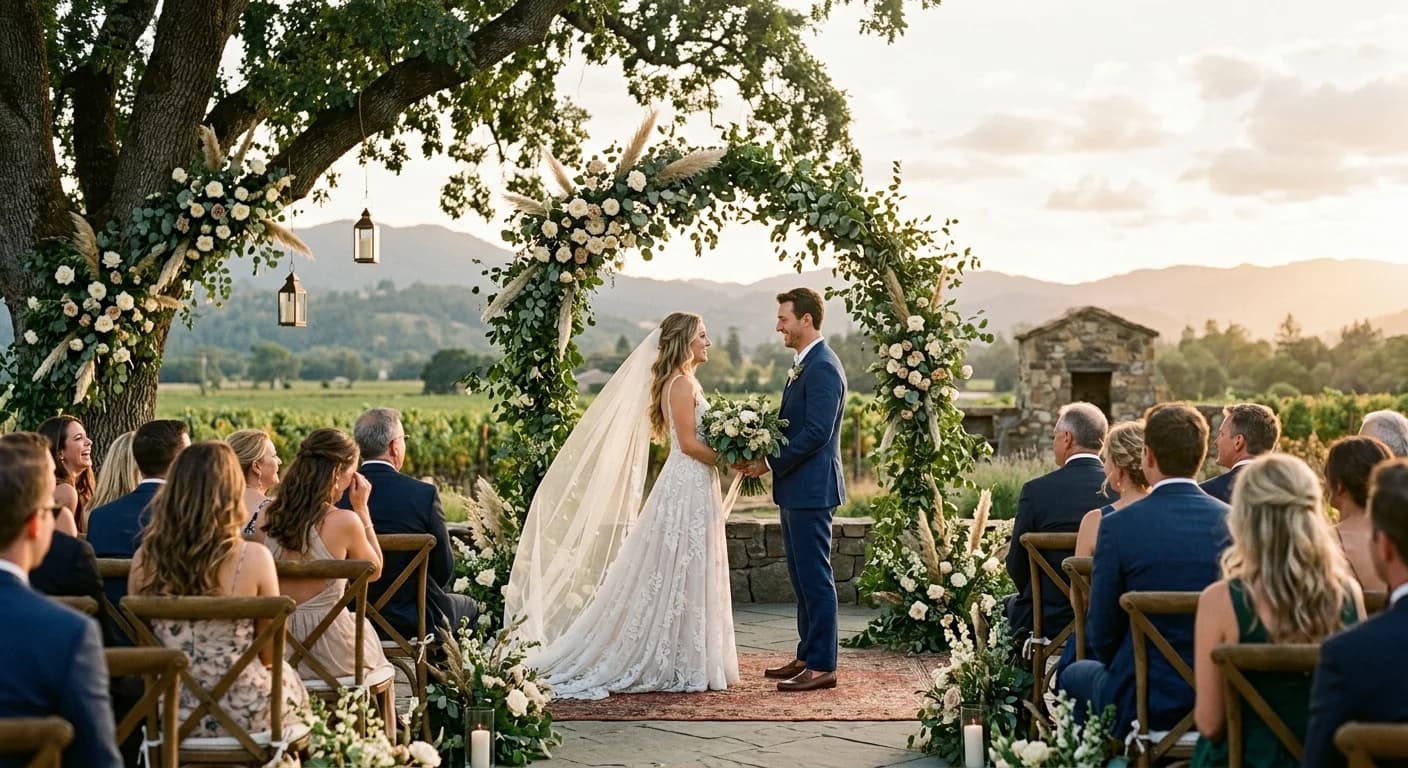
Wedding photography packages vary widely depending on duration, photographer experience, and geographic location. In our experience, couples often see full-service coverage priced anywhere from a few thousand dollars in smaller markets to substantially more in major metropolitan areas. Pricing varies significantly by region, and the best way to understand what a wedding will cost is to request a quote based on your specific date, location, and coverage needs. Across the thousands of weddings we have photographed, the couples who are happiest with their investment are the ones who prioritize the photographer's style and reliability over the lowest price.
Industry Overview & Market Size
The wedding photography industry continues to evolve, fueled by changing couple preferences and technological advancements. Demand for personalized, storytelling-focused photography remains strong, and many couples allocate a meaningful portion of their wedding budget to photography, recognizing its lasting value long after other wedding elements fade from memory.
Regional variations significantly impact pricing structures. Metropolitan areas like New York, Los Angeles, and San Francisco tend to command premium rates, while rural markets often offer more competitive pricing. Candid Studios operates across markets nationwide, adjusting service packages to reflect local conditions while maintaining consistent quality standards.
What Influences Wedding Photography Pricing
Several factors shape what a wedding photographer charges. Understanding them helps couples budget realistically and compare options on more than just price.
Geography & Market
Where your wedding takes place is one of the biggest drivers of cost. Major metro areas generally carry higher rates than smaller cities and rural regions, reflecting differences in local demand and operating costs.
Coverage Duration
The number of hours you book directly affects price. A short, intimate ceremony requires far less coverage than a full day that spans getting ready, the ceremony, portraits, and a long reception.
Photographer Experience & Style
More experienced photographers with strong portfolios typically command higher rates than those just starting out. Style matters too, since a distinctive editing approach or a documentary storytelling method can be a deciding factor for couples.
Package Inclusions
Add-ons such as engagement sessions, second shooters, albums, and prints all influence the final investment. In our experience, couples appreciate clear package tiers that make it easy to see exactly what is included at each level.
Pricing Structure Analysis
Most professional photographers, including Candid Studios, organize their offerings into tiers so couples can choose the level of coverage that fits their day and budget. Rather than presenting a one-size-fits-all rate, we structure packages around coverage hours, the number of delivered images, and the additional services included.
For instance, Candid Studios structures packages across primary tiers, emphasizing storytelling elements and client customization options that reflect the way couples actually want to remember their day. The right tier depends on the length of your event and the deliverables that matter most to you, so we recommend talking through your plans with us before settling on a package.
Emerging Trends Shaping the Industry
Technology Integration
The photography industry continues embracing technological innovations that enhance both service delivery and creative capabilities. AI-powered editing tools now help streamline post-production workflows, allowing photographers to deliver galleries faster while maintaining artistic quality.
Drone photography has transitioned from novelty to a more common offering. This trend particularly benefits destination and outdoor venue weddings, where expansive landscape shots add dramatic storytelling elements. Candid Studios offers aerial coverage where it makes sense for a venue, recognizing client demand for comprehensive visual narratives that capture both intimate moments and grand perspectives.
Changing Wedding Formats
Micro-weddings remain popular on booking calendars. These intimate celebrations typically require adjusted service approaches, focusing on detailed coverage of smaller guest counts while maintaining storytelling depth.
Multi-day wedding celebrations are gaining popularity, particularly among couples with diverse cultural backgrounds or destination wedding plans. These extended events require photographers to develop stamina for longer coverage periods while managing multiple outfit changes, venue transitions, and varied lighting conditions.
Client Expectation Evolution
Modern couples demonstrate sophisticated visual literacy, influenced by social media platforms showcasing high-quality wedding content. This awareness translates to elevated expectations for creative composition, lighting expertise, and post-production polish.
Same-day preview delivery has emerged as a meaningful differentiator, with many couples requesting immediate access to select images for social media sharing. Photographers who adapt to these expectations often command premium pricing for expedited services.
Revenue Optimization Strategies
Package Structuring
Successful photographers develop package structures that guide clients toward mid-tier offerings while providing clear value distinctions across price points. The "good-better-best" approach remains effective, and in our experience most bookings occur in the middle tier.
Bundling complementary services like engagement sessions, bridal portraits, or rehearsal dinner coverage increases average transaction values while providing additional client touchpoints that strengthen relationships and referral potential.
Seasonal Pricing Management
Peak wedding season pricing strategies allow photographers to maximize revenue during high-demand periods, which fall roughly from late spring through early fall in most markets. Many professionals apply seasonal surcharges for the most popular wedding dates.
Off-season promotional strategies help maintain cash flow during traditionally slower periods. Winter wedding packages often include additional services or extended coverage hours at standard pricing to encourage bookings during less popular months.
For instance, Candid Studios offers winter wedding clients added value such as engagement sessions and extended reception coverage, maintaining booking momentum throughout the calendar year while preserving profit margins.
Professional Development & Investment
Equipment Costs & ROI
Professional wedding photography requires significant equipment investments, including cameras, lenses, lighting, and backup gear. Reliable backup equipment matters most during critical wedding moments, where a single failure is not acceptable.
Ongoing equipment maintenance and periodic upgrades represent a real portion of a photographer's operating budget, ensuring technological currency and reliability across every event.
Education & Certification
Continuing education investments enhance technical skills and business acumen. Workshop attendance, online course completion, and mentorship programs contribute to professional development that justifies premium pricing.
Industry certification programs, while not universally required, provide credibility markers that influence client decision-making, particularly in competitive markets where technical expertise differentiation matters.
Market Challenges & Opportunities
Competition Landscape
The wedding photography market shows increasing saturation in urban areas, with a relatively low barrier to entry for basic service provision. However, opportunities exist for photographers developing specialized expertise in specific styles, cultural traditions, or technical capabilities.
New photographers continue to enter the market, creating pricing pressure in entry-level segments, while established professionals with strong portfolios and client relationships maintain pricing power.
Economic Factors
Wedding photography tends to be relatively resilient, as couples often prioritize photography over other discretionary wedding elements when budget constraints arise. Still, economic uncertainty can delay wedding planning and reduce average spending per couple.
Regional economic variations significantly impact local market conditions. Areas with strong employment growth and population increases typically support premium pricing, while economically challenged regions show greater price sensitivity.
Future Industry Projections
Technology Advancement Impact
Artificial intelligence integration will likely continue reshaping post-production workflows, potentially reducing editing time over the coming years. This efficiency improvement could support margin expansion for photographers who adopt new technologies thoughtfully.
Virtual reality and 360-degree photography may emerge as premium service offerings, particularly for destination weddings where family members cannot attend in person.
Market Expansion Opportunities
International destination wedding photography presents growth opportunities for established professionals willing to develop travel-based service models. These bookings typically command premium pricing over domestic markets to account for travel and logistics.
Corporate event and commercial photography skills can provide revenue diversification, particularly during economic uncertainty periods when wedding bookings might decline.
Frequently Asked Questions
Q: What does wedding photography typically cost in 2026?
A: Pricing varies widely by region, with metropolitan areas typically commanding premium rates and rural markets offering more competitive pricing. The best way to get an accurate figure is to request a quote based on your date, location, and coverage needs.
Q: How many photos should couples expect from their wedding photographer?
A: Final image counts depend on wedding size, coverage duration, and the package tier selected. We recommend asking your photographer for a typical delivery range during your consultation.
Q: What factors most influence wedding photography pricing?
A: Geographic location, photographer experience level, coverage duration, package inclusions, and seasonal demand are the primary pricing determinants.
Q: How far in advance should couples book their wedding photographer?
A: Peak season dates often book well in advance, so couples planning a popular weekend should reach out early. Off-season dates may be available with shorter notice.
Q: What additional costs should couples budget beyond the photography package?
A: Travel fees for distant venues, overtime charges for extended celebrations, additional prints or albums, and engagement session add-ons are common additional expenses.
Q: How do destination wedding photography rates compare to local pricing?
A: Destination weddings typically carry a premium over local rates to account for travel time, accommodation costs, equipment transportation, and the extended time commitment involved.
Q: What payment structure do most wedding photographers use?
A: Standard practice usually includes a booking deposit, with the remaining balance due before the wedding date. Many photographers also offer payment plan options for larger packages.
Q: How has digital delivery changed wedding photography pricing?
A: Digital delivery has become the standard, often replacing physical print packages while allowing photographers to streamline fulfillment and offer add-on physical products.
For instance, Candid Studios has adapted its pricing structure to reflect digital delivery preferences while offering premium physical product options for clients seeking tangible keepsakes.
The wedding photography industry in 2026 presents opportunities for professionals who adapt to evolving client expectations while maintaining technical excellence and business sophistication. Success requires balancing competitive pricing with sustainable profit margins, leveraging technology improvements, and developing specialized expertise that differentiates services in increasingly crowded markets.