Golden Hour Photography: Why Timing Matters Most
Discover why golden hour photography timing matters for stunning photos. Learn the best times, techniques, and tips to capture magical lighting in your shots.
Picture this: You’re standing on a cliff overlooking the ocean, camera in hand, watching as the sun dips toward the horizon. The harsh midday light has transformed into something magical – warm, golden rays that make everything they touch look like it’s been dipped in honey.
This is the power of golden hour photography: why timing matters more than any expensive lens or camera body you could buy. That perfect window of light can turn an ordinary portrait into a masterpiece and transform a simple landscape into something that takes your breath away.
But here’s the thing – golden hour doesn’t last forever, and missing it means missing some of the most beautiful light nature has to offer.
What Exactly Is Golden Hour?
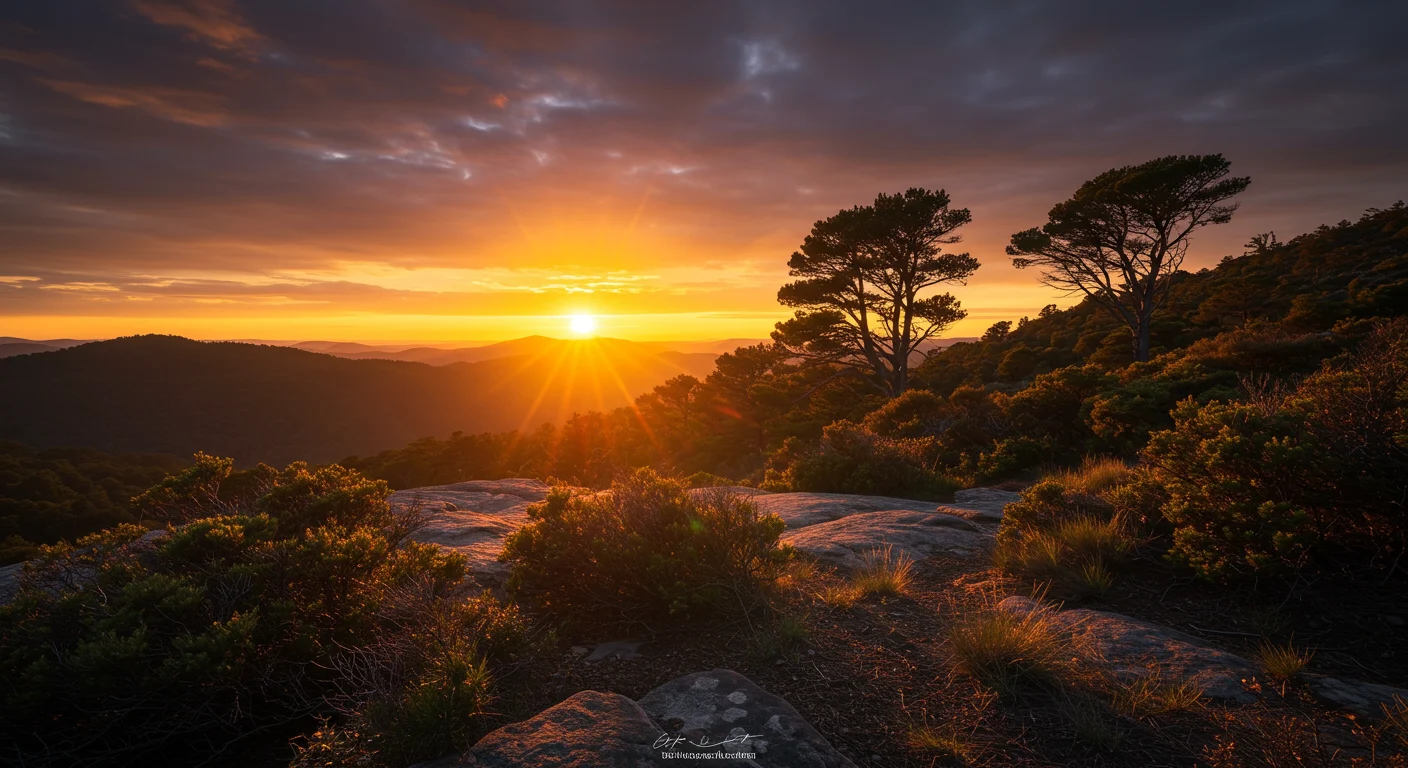
Golden hour refers to the period shortly after sunrise and before sunset when the sun sits low on the horizon. During this time, sunlight travels through more of Earth’s atmosphere, filtering out harsh blue light and creating that coveted warm, golden glow.
This isn’t just photographer folklore – there’s real science behind why this light looks so incredible. The low angle of the sun creates longer shadows, adds dimension to your subjects, and provides natural rim lighting that would cost thousands to recreate in a studio.
Most photographers consider golden hour to be the first hour after sunrise and the last hour before sunset. However, the exact timing varies based on your location, season, and weather conditions.
The Science Behind Perfect Timing
Understanding golden hour photography: why timing matters starts with understanding light itself. During midday, the sun sits directly overhead, creating harsh shadows and unflattering light. Your subjects end up with raccoon eyes, and landscapes appear flat and lifeless.
But as the sun moves lower in the sky, several magical things happen:
The light becomes warmer in color temperature, shifting from the cool blues of midday to rich golds and oranges. This warmth is incredibly flattering for skin tones and adds emotional depth to any scene.
Shadows become longer and more dramatic, creating natural leading lines and adding three-dimensional depth to your images. These shadows can guide the viewer’s eye exactly where you want it to go.
The light becomes softer and more diffused as it travels through more atmosphere. This natural diffusion eliminates harsh contrasts and creates even, beautiful illumination.
Why Professional Photographers Swear By Golden Hour
Walk into any professional photographer’s studio, and you’ll likely see golden hour shots dominating their portfolio walls. There’s a reason for this – golden hour photography simply produces better results.
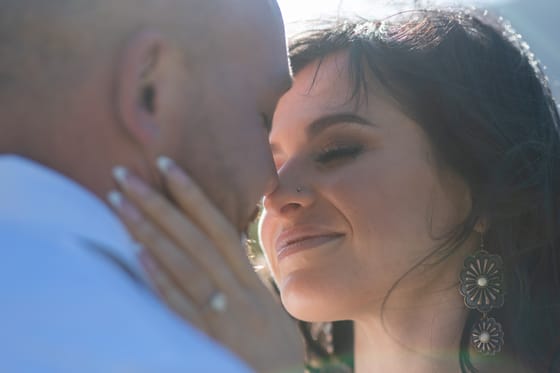
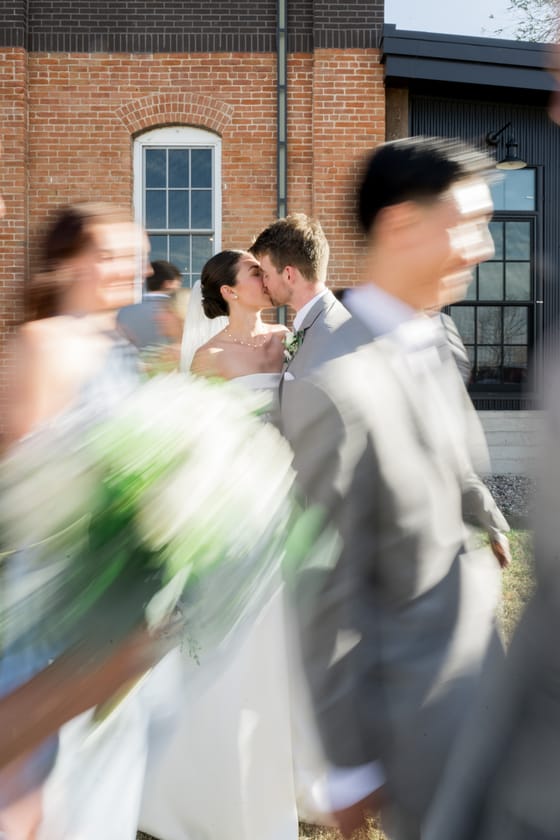
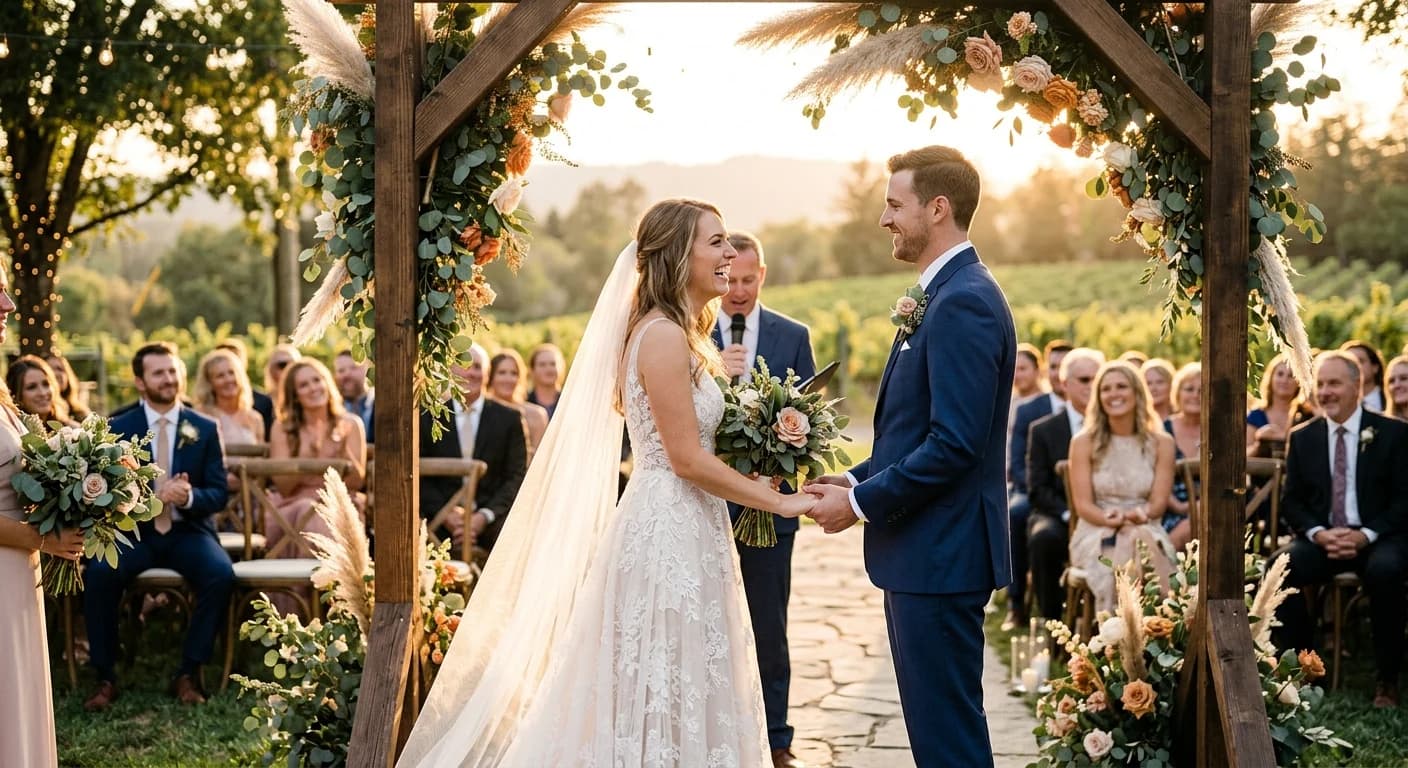
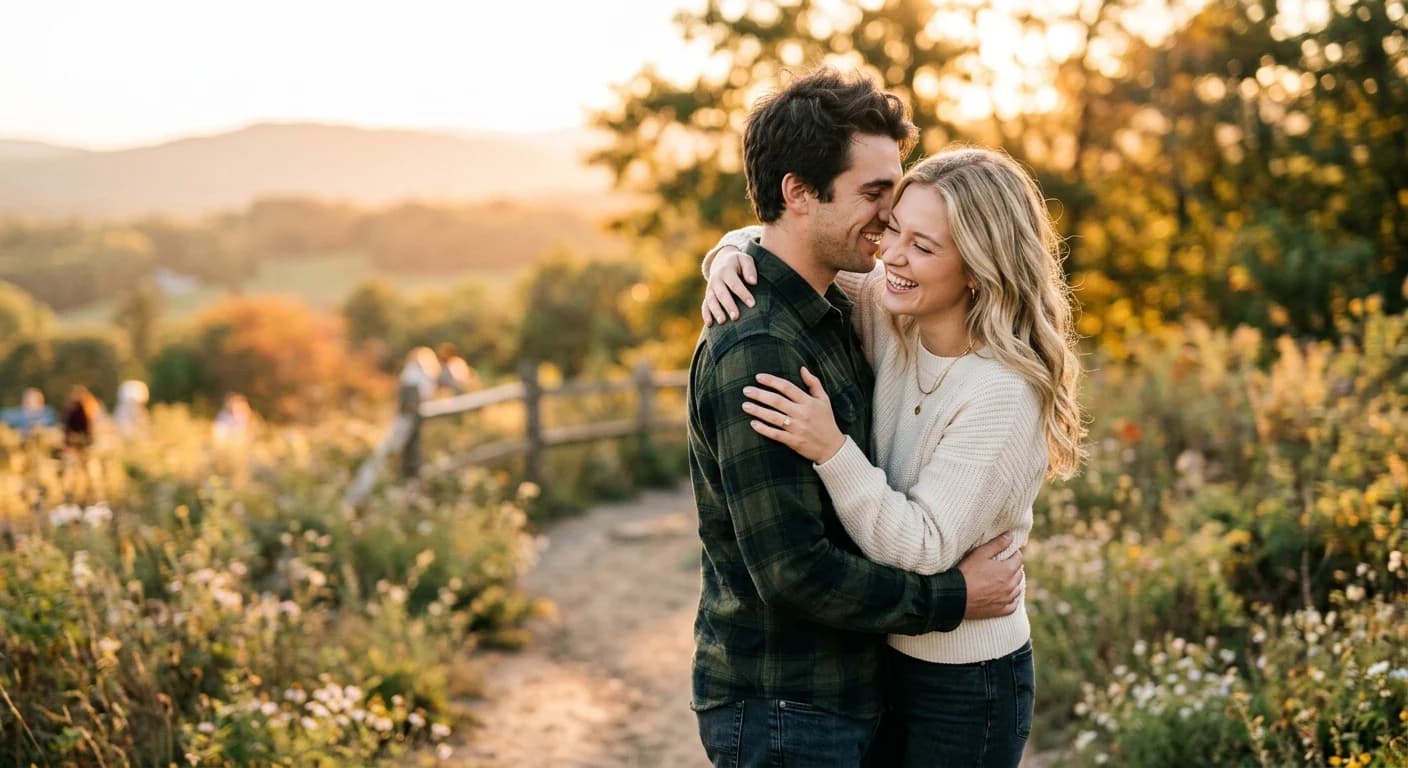
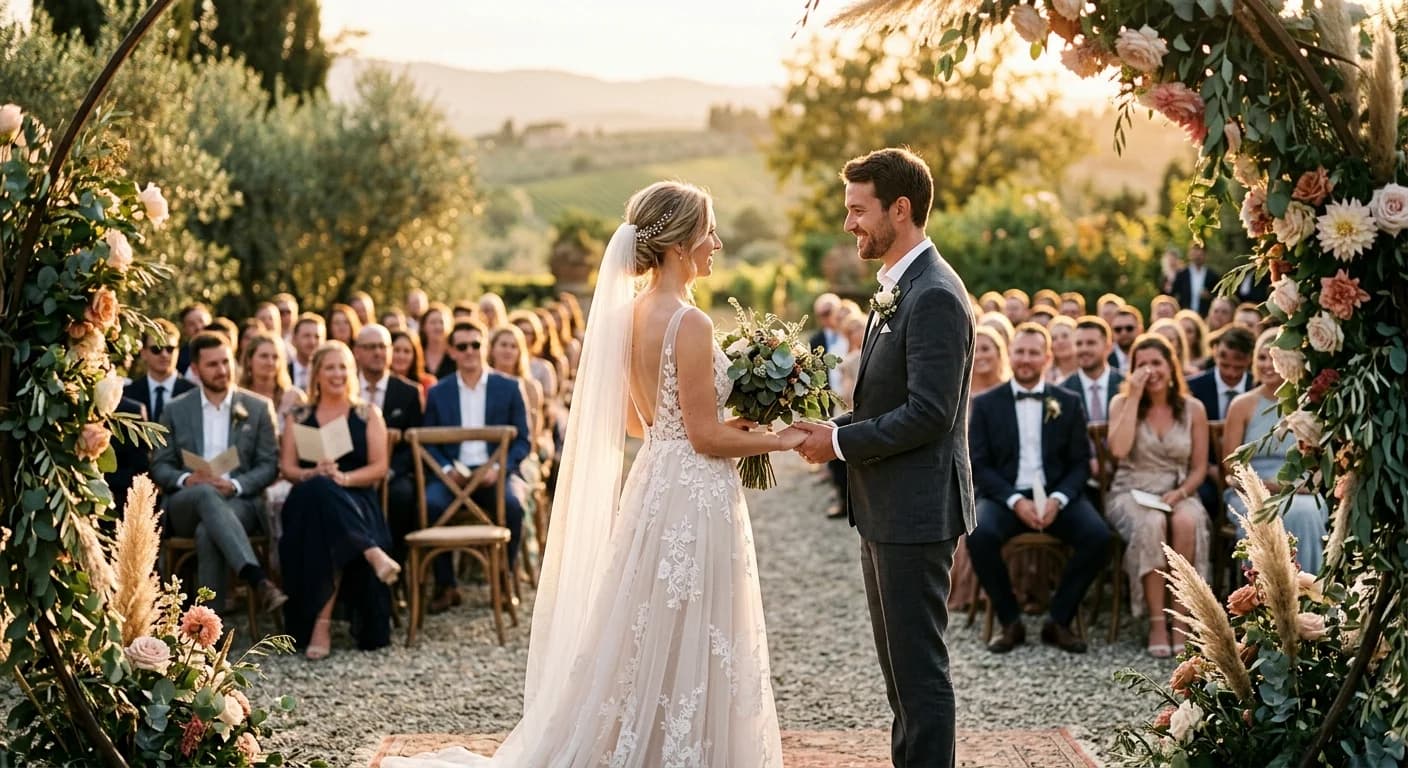
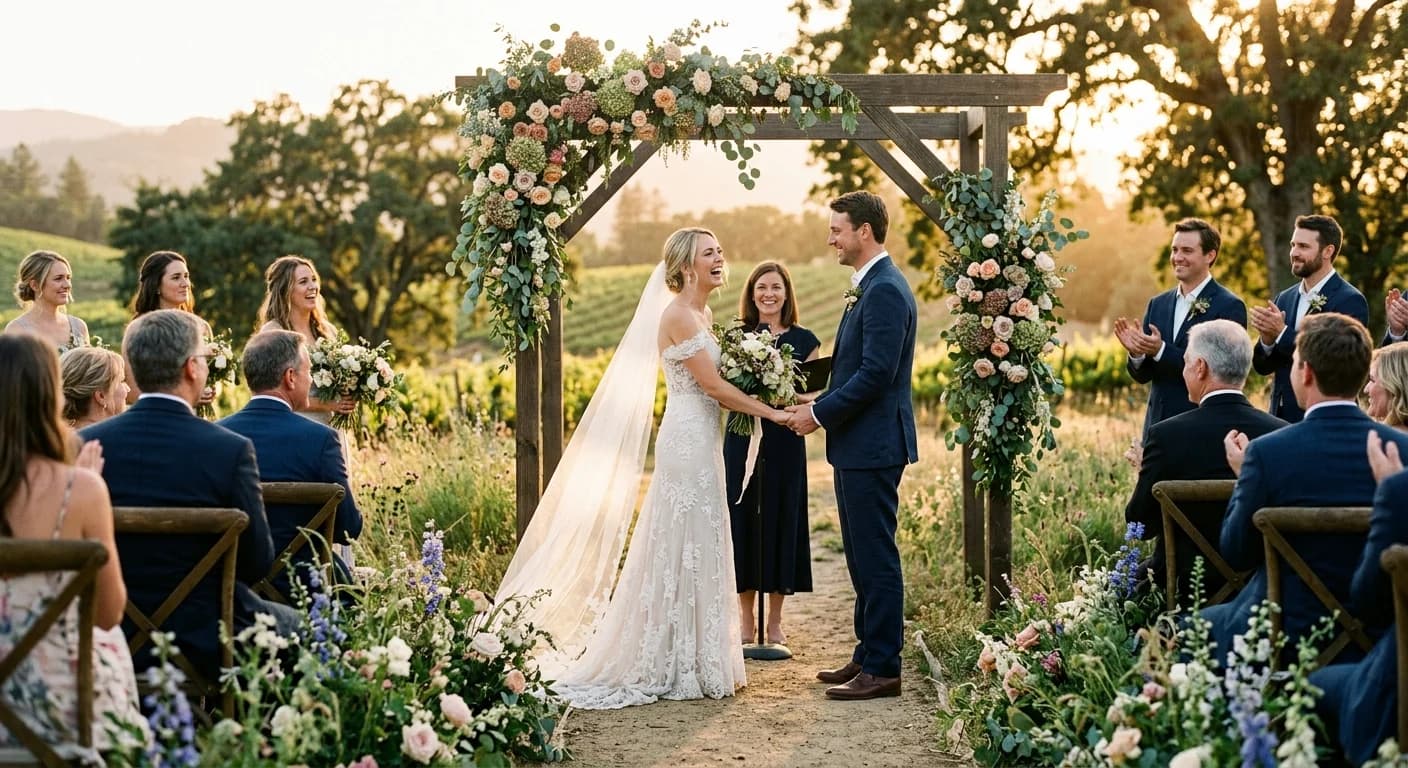
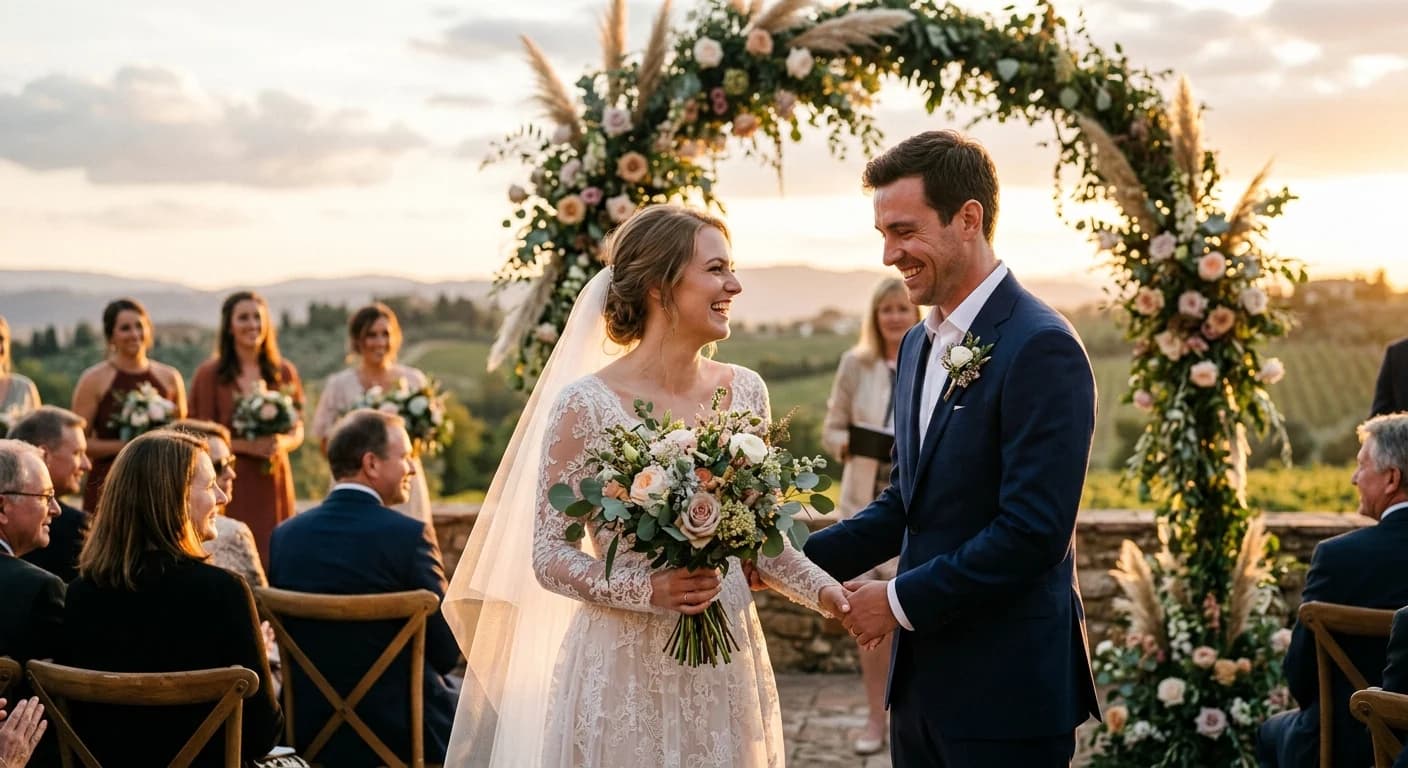
Professional wedding photographers often schedule their couple’s portraits during golden hour because the light is universally flattering. It smooths skin, adds warmth to complexions, and creates romantic backlighting that makes couples look like they’re glowing.
Portrait photographers love golden hour because it eliminates the need for complex lighting setups. Nature provides the perfect key light, fill light, and rim light all in one package.
Landscape photographers often plan entire trips around golden hour timing. They’ll hike for hours in darkness just to be in position when that perfect light hits their chosen subject.
Planning Your Golden Hour Shoot
Success in golden hour photography: why timing matters comes down to preparation. You can’t just show up and hope for the best – you need a solid plan.
Start by downloading a sun tracking app like PhotoPills or Sun Surveyor. These tools show you exactly where the sun will be at any given time and location. You can visualize the light direction and plan your compositions accordingly.
Arrive at your location at least 30 minutes before golden hour begins. This gives you time to scout compositions, set up your gear, and be ready when that perfect light appears.
Consider the weather forecast carefully. Overcast skies can extend golden hour by creating natural diffusion, while clear skies might make the window shorter but more intense.
Remember that golden hour timing changes throughout the year. Summer golden hours last longer but occur later in the evening. Winter golden hours are shorter but happen earlier, making them more accessible for everyday shoots.
Technical Settings for Golden Hour Success
Getting the exposure right during golden hour can be tricky. The light changes rapidly, and you’ll often be shooting into or near the sun.
Start with a lower ISO (100-400) to maintain image quality. Golden hour provides plenty of light, so you rarely need to push your ISO higher unless you’re going for a specific creative effect.
Use a wider aperture (f/2.8-f/5.6) for portraits to create beautiful background blur. The warm bokeh during golden hour is particularly stunning and helps separate your subject from the background.
For landscapes, try apertures between f/8-f/11 for optimal sharpness throughout the frame. This also helps manage any lens flare if you’re shooting toward the sun.
Consider using exposure compensation to fine-tune your results. Golden hour light can fool your camera’s meter, so don’t be afraid to override the suggested settings.
Common Golden Hour Mistakes to Avoid
Even understanding golden hour photography: why timing matters, many photographers still make crucial mistakes that ruin their shots.
The biggest mistake is arriving too late. Golden hour moves fast, and by the time you realize you’ve missed the best light, it’s gone. Always err on the side of arriving early.
Another common error is ignoring the background. Golden hour light can create beautiful rim lighting on your subject, but if your background is cluttered or distracting, the shot still won’t work.
Many photographers also forget to shoot in RAW format during golden hour. The color information captured in RAW files allows you to fine-tune the warmth and exposure in post-processing, giving you much more control over the final image.
Don’t make the mistake of only shooting toward the sun. Some of the most beautiful golden hour shots happen when you turn around and capture subjects lit by that warm, reflected light.
Beyond the Basics: Advanced Golden Hour Techniques
Once you’ve mastered the fundamentals, there are advanced techniques that can take your golden hour photography to the next level.
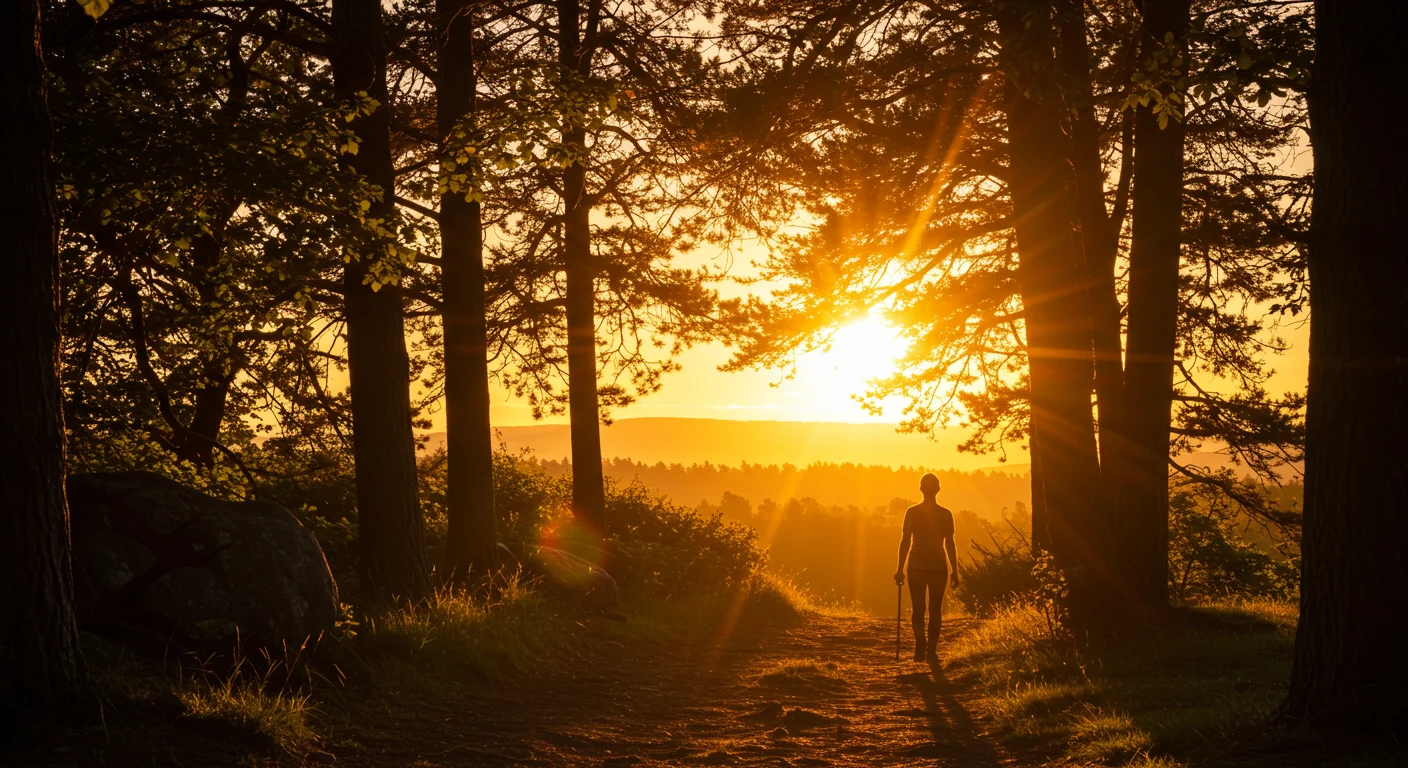
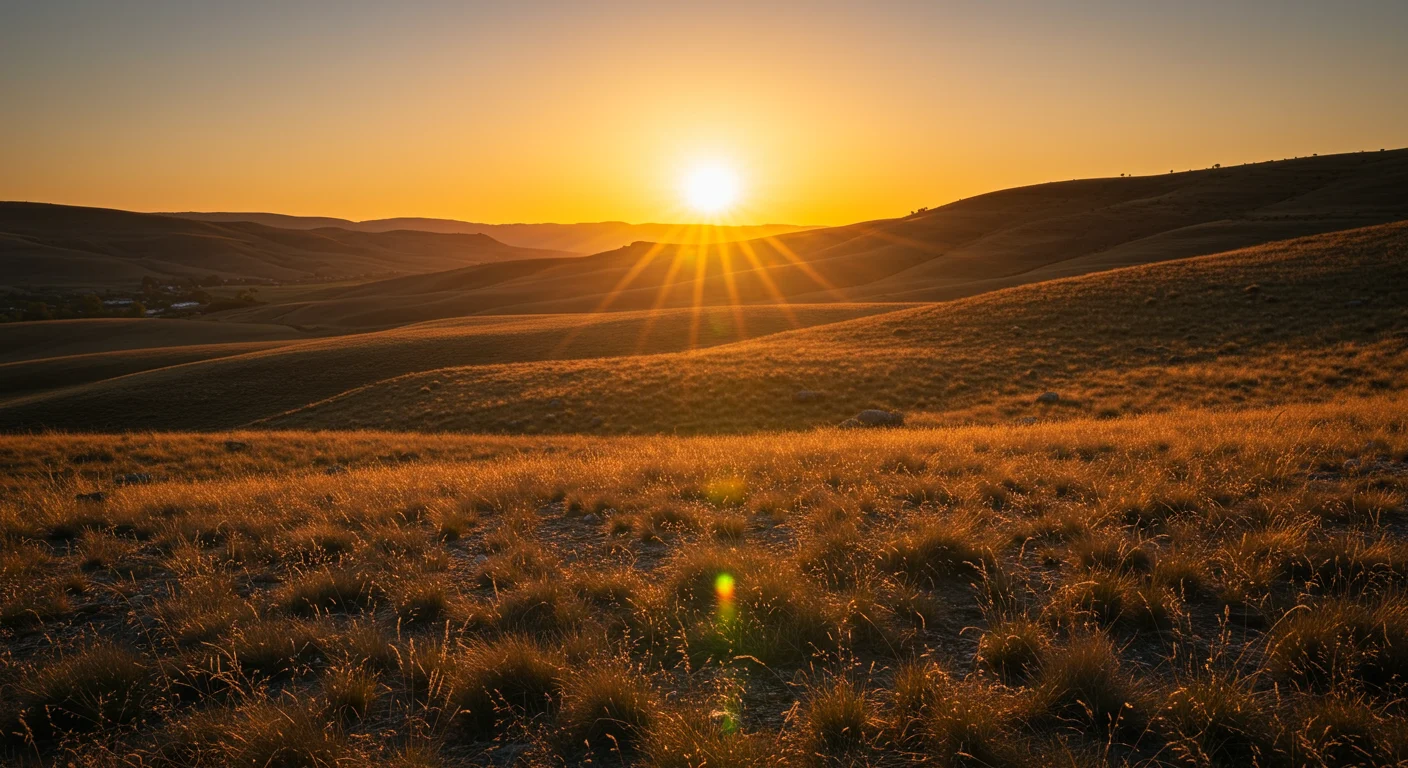
Try backlighting your subjects for dramatic silhouettes or rim lighting effects. Position yourself so the sun is directly behind your subject, and expose for the highlights to create striking silhouettes.
Experiment with lens flare as a creative element. While many photographers try to avoid flare, controlled lens flare during golden hour can add mood and energy to your images.
Use graduated neutral density filters to balance the exposure between bright skies and darker foregrounds. This technique is especially useful for landscape photography during golden hour.
Consider focus stacking for landscapes where you want everything sharp from foreground to background. Take multiple shots at different focus points and blend them in post-processing.
The Emotional Impact of Golden Hour Light
There’s something deeply emotional about golden hour light that goes beyond technical perfection. This warm, soft illumination triggers positive psychological responses in viewers.
Studies have shown that warm light colors are associated with comfort, happiness, and nostalgia. When you capture someone in golden hour light, you’re not just documenting how they looked – you’re capturing how that moment felt.
This emotional connection is why golden hour photos often become the ones clients treasure most. They don’t just see a pretty picture; they feel the warmth and joy of that perfect moment in time.
Making the Most of Blue Hour
While golden hour gets most of the attention, don’t overlook blue hour – the period just after sunset when the sky takes on deep blue tones. This is another critical time when golden hour photography: why timing matters extends into magical blue hour opportunities.
Blue hour provides even, soft light that’s perfect for cityscapes and architectural photography. The balance between artificial lights and the deep blue sky creates stunning urban scenes.
For portraits, blue hour offers incredibly flattering light that’s even softer than golden hour. The lack of direct sunlight eliminates harsh shadows while maintaining beautiful color in the sky.
Seasonal Considerations for Golden Hour
The timing and quality of golden hour change dramatically throughout the year, and understanding these variations is crucial for consistent results.
Summer golden hours occur later in the evening and earlier in the morning, but they last longer due to the sun’s shallow angle. This gives you more time to work but requires planning around later shooting times.
Winter golden hours happen earlier and are shorter, but the low sun angle can create stunning light all day long. The challenge is working in colder conditions and shorter daylight hours.
Spring and fall offer the best balance – golden hours at reasonable times with moderate weather conditions. These seasons also provide additional color from changing foliage that complements the warm light beautifully.
Conclusion
Understanding golden hour photography: why timing matters is one of the most important skills any photographer can develop. It’s not about having the most expensive equipment or the most complex techniques – it’s about being in the right place at the right time with the knowledge to make the most of nature’s perfect light.
The difference between a snapshot and a stunning photograph often comes down to timing. Those magical moments when the light is perfect don’t last long, but when you capture them, the results are worth all the planning and preparation.
Whether you’re shooting portraits, landscapes, or street photography, golden hour light will elevate your images and create the kind of photos that make people stop and stare. The key is understanding when it happens, planning for it, and being ready when that perfect light appears.
Remember, the best camera is the one you have with you during golden hour, and the best technique is simply showing up when the light is right.
Frequently Asked Questions
Q: What time is golden hour?
A: Golden hour occurs in the first hour after sunrise and the last hour before sunset. Exact timing varies by location, season, and latitude, so use sun tracking apps for precise times.
Q: How long does golden hour last?
A: Golden hour typically lasts 20-60 minutes, depending on your location and season. It’s longer in summer and at higher latitudes, shorter in winter and near the equator.
Q: What camera settings work best for golden hour?
A: Use ISO 100-400, apertures f/2.8-f/5.6 for portraits or f/8-f/11 for landscapes. Shoot in RAW format and consider using exposure compensation to fine-tune your results.
Q: Can I shoot golden hour photography on cloudy days?
A: Yes! Clouds can actually enhance golden hour by diffusing the light and creating more even illumination. Overcast conditions can also extend the golden hour period significantly.
Q: What’s the difference between golden hour and blue hour?
A: Golden hour occurs around sunrise/sunset with warm, golden light. Blue hour happens just after sunset when the sky turns deep blue, providing soft, even lighting perfect for cityscapes.
Ready to capture your special moments? Contact Candid Studios today for a free consultation.
— golden hour photography, photography timing, portrait photography, landscape photography, natural lighting, photography tips, sunset photography
— Portrait Photography Tips, Natural Light Photography Techniques, Wedding Photography Planning, Landscape Photography Guide, Photography Equipment Reviews