Wedding Ceremony Vs Reception: Where To Spend Vs Save
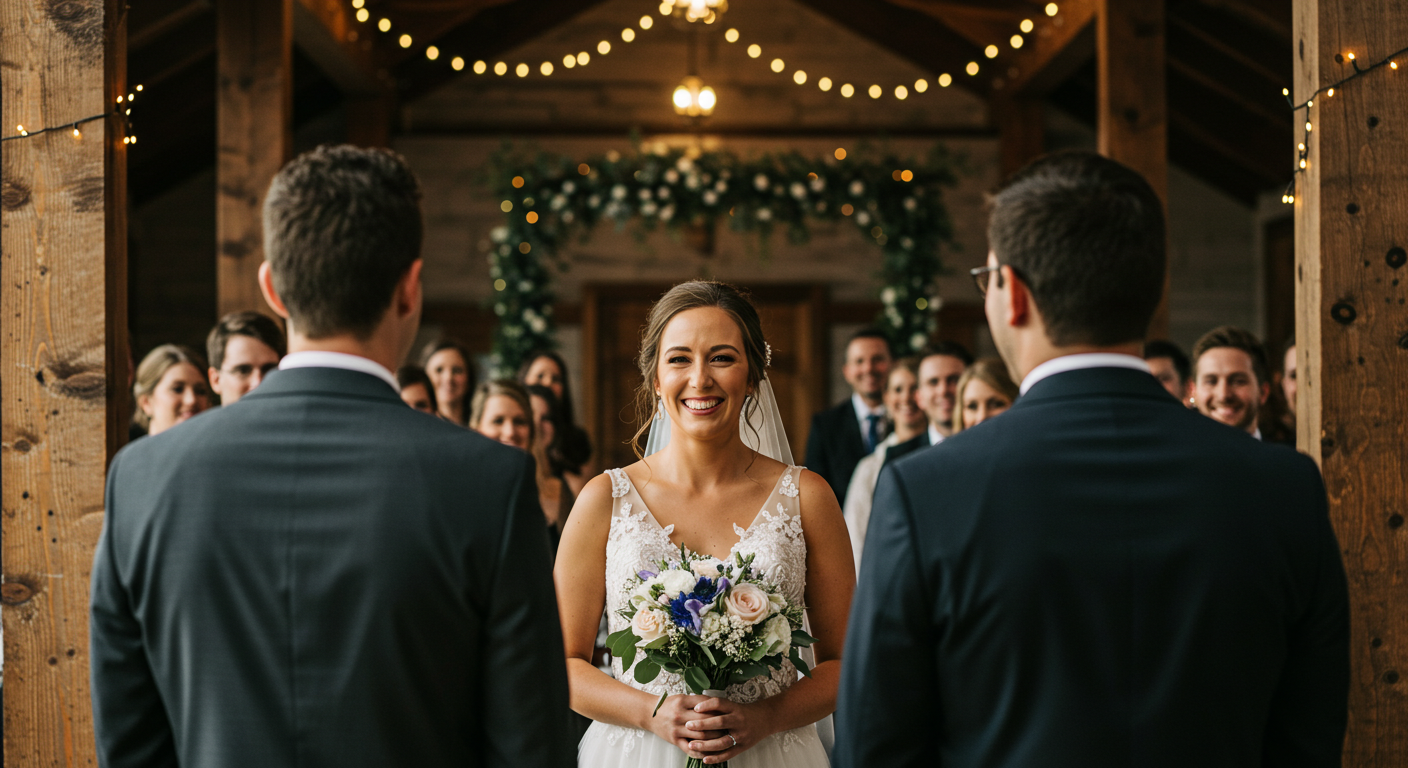
A “ceremony vs reception wedding” refers to the distinction between the legal or symbolic ritual where vows are exchanged (the ceremony) and the celebratory gathering that follows (the reception). They serve different purposes: one affirms commitment; the other shares joy with guests. You can host one without the other, but most couples choose both.
Planning a wedding often begins with a simple question: What’s the difference between ceremony and reception? It’s more than semantics, it’s about intention, structure, and storytelling. Whether you're narrowing down your guest list, budgeting for photography, or deciding how to allocate your day, understanding the functional and emotional roles of each event helps you design a celebration that feels true to you. At Candid Studios, we’ve documented over 3,000 weddings nationwide, and every one reminds us that clarity about ceremony vs reception wedding starts with honoring what matters most: meaning over momentum.
Key Takeaways
- The wedding ceremony is the formal, often legally binding, exchange of vows and rings, typically brief and intimate in structure.
- The wedding reception is the extended social event that follows, focused on celebration, dining, dancing, and communal joy.
- Photography coverage for each requires distinct methodologies: ceremony demands quiet reverence and narrative sequencing, while reception calls for energy, movement, and environmental storytelling.
The Ceremony: Where Meaning Is Made
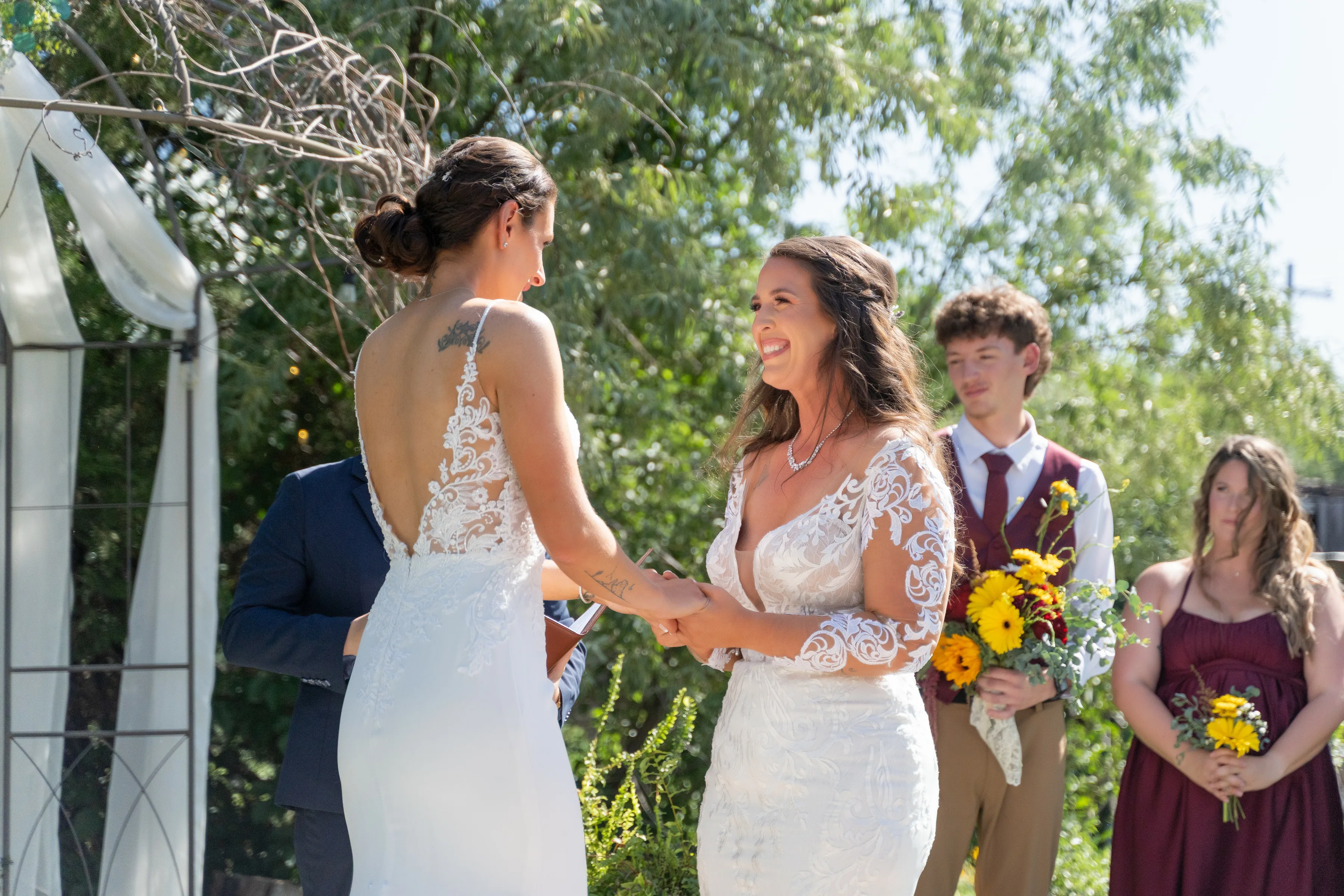
The ceremony is the heart of the wedding, not its decoration, but its declaration. It’s where two people publicly affirm their commitment, often in the presence of family, faith, or shared values. Legally, it’s the moment a marriage license becomes active (in most U.S. jurisdictions). Symbolically, it’s where time seems to slow: the walk down the aisle, the first look, the ring exchange, the kiss. These aren’t just photo ops, they’re emotional waypoints.
Unlike a reception, which unfolds across hours, the ceremony usually lasts 20–45 minutes. Its structure is often inherited, from religious liturgies to civil officiant scripts, but increasingly, couples personalize even the most traditional frameworks. Vows may be handwritten. Music may blend genres. Seating may be arranged in circles instead of rows. What remains constant is intentionality: every element serves the act of commitment.
From a photography standpoint, the ceremony demands what we call The Story-First Shoot. Before we raise a camera, we spend 15 minutes with couples learning what makes this moment sacred to them, not just “what songs?” or “where will you stand?” but what does this vow represent in your relationship’s arc? That insight guides where we position ourselves, how we time shutter releases, and when we step back to let silence hold space.
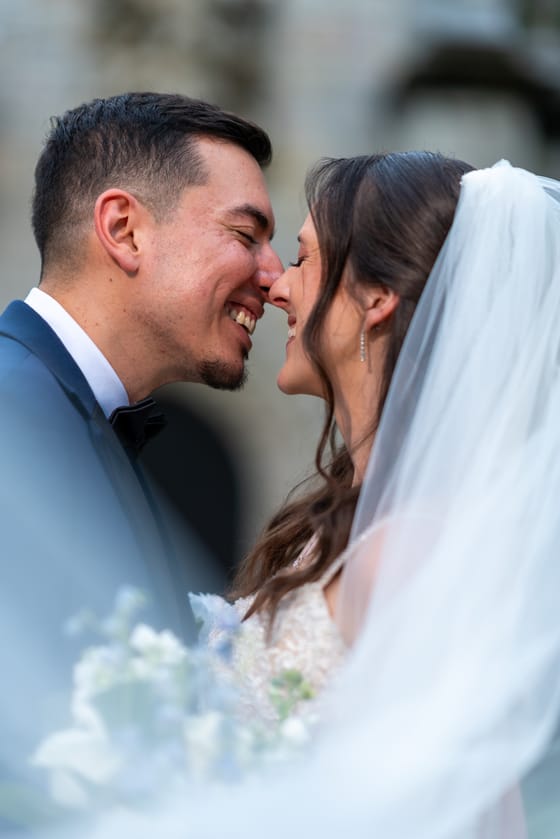
We don’t chase perfection. We chase resonance. A trembling hand holding a ring. A parent’s breath catching mid-vow. A tear that falls just as sunlight hits the aisle. These moments aren’t posed, they’re witnessed. And because we prioritize Natural Light Mastery, our images feel grounded, not glossy: soft window light in a chapel, dappled shade under an oak tree, or golden-hour warmth on a beach backdrop, all captured without harsh flash or artificial fill.
The Reception: Where Community Comes Together
If the ceremony is the sentence, the reception is the paragraph, expansive, expressive, and full of life. It’s where the couple transitions from “we just became married” to “we’re celebrating as married.” This event typically includes a cocktail hour, seated or family-style dinner, toasts, first dance, cake cutting, and dancing, all unfolding over 4–6 hours.
The reception’s energy is inherently social. Guests mingle, reconnect, and witness the couple’s joy in real time. That social dynamism changes how we shoot. Where ceremony photography leans into stillness and reverence, reception coverage leans into rhythm and responsiveness. We move with the flow, anticipating the first dance before the DJ cues it, framing the toast from a low angle to include both speaker and listening guests, capturing laughter mid-sip during cocktail hour.
This is where The Candid Edit Framework proves essential. A reception generates hundreds of moments, some polished, many unscripted. Our editing philosophy isn’t about polishing away reality, but preserving emotional fidelity. We don’t remove a guest’s slightly crooked bowtie, unless it distracts from the couple’s shared laugh in that frame. We adjust color to reflect the warmth of candlelight, not to impose a preset. And we sequence images to narrate the evening’s emotional arc: anticipation → arrival → connection → celebration → reflection.
Because receptions vary so widely, backyard potluck, ballroom gala, rooftop toast, barn dance, we scout each venue ahead of time. Not just for power outlets or Wi-Fi, but for light quality, flow patterns, and natural gathering zones. A well-placed reflector during golden hour on a patio can elevate a dozen candid shots. Knowing where the DJ’s speakers face helps us avoid audio bleed in video interviews. These aren’t technical footnotes, they’re the quiet work behind images that feel effortless.
Legal, Cultural, And Personal Dimensions
Legally, the ceremony is the only required component of marriage in the U.S. A licensed officiant, two witnesses, and a signed marriage license are the baseline. Everything else, flowers, music, cake, even guests, is optional. The reception carries no legal weight whatsoever. That’s why many couples choose to elope legally and host a celebration later, or schedule a small courthouse ceremony followed by a larger party months (or years) down the line.
Culturally, the ceremony often anchors tradition, whether that’s breaking the glass in a Jewish wedding, jumping the broom in African-American ceremonies, or circling the fire in Hindu rites. These rituals carry generational weight and spiritual resonance. The reception, by contrast, tends to reflect contemporary identity: playlist choices, food preferences, dress codes, even seating charts. It’s where “who we are now” gets expressed publicly.
That cultural flexibility makes the reception a powerful space for inclusion. Dietary accommodations, gender-neutral pronouns on signage, ASL interpreters, sensory-friendly zones, these aren’t afterthoughts. They’re affirmations. And because Candid Studios serves couples nationwide, from rural Colorado to coastal Maine, we’ve learned that inclusion isn’t one-size-fits-all. It’s listening first. That’s why our discovery chat includes questions like “What traditions matter most, and what feels optional?” and “Who needs to feel seen in this space, and how?” That’s how authentic storytelling begins.
Planning Considerations: Budget, Timeline, And Guest Experience
Budgeting for ceremony vs reception wedding often reveals where priorities live. Ceremonies tend to be leaner: officiant fee, venue rental (if not free), marriage license, maybe floral arch or aisle markers. Receptions scale with guest count, catering, bar service, rentals, entertainment, and lighting all multiply per person. That’s why many couples cap ceremony guests at 30 and open the reception to 120, or flip it entirely.
Timeline matters just as much. A ceremony with 100 guests may take 45 minutes. A reception for those same 100 can demand 5+ hours of vendor coordination, from valet to videographer. That’s why our photography packages are hourly: couples choose coverage that matches their day’s rhythm. Need 2 hours for ceremony + portraits? $425/hr per hour. Want full-day storytelling from first-look to last dance? That’s $425/hr, with optional second-shooter add-on at $175/hr.
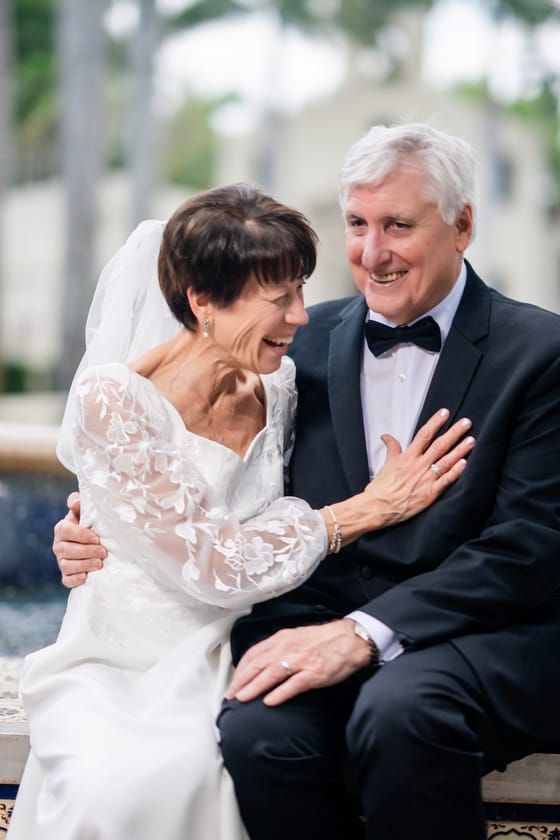
Guest experience differs too. Ceremony seating is functional, clear sightlines, accessible paths, quiet acoustics. Reception seating is relational: who sits with whom, how tables encourage conversation, where the dance floor invites participation. That’s why we document both, not just for the couple’s album, but for the guests’ memories. A well-timed photo of Grandma dancing with her grandson isn’t just cute, it’s legacy.
And because we deliver all RAW files, no watermarks, no hidden fees, couples own every frame. Whether they gift a print to their officiant or design a custom guestbook with reception candids, the imagery remains theirs, unfiltered and unedited.
Photography Coverage: Why Both Moments Demand Different Approaches
Photographing a ceremony and a reception isn’t just about changing lenses, it’s about shifting mindsets. The ceremony asks for silence, patience, and precision. The reception asks for stamina, anticipation, and adaptability.
At the ceremony, we move minimally. We use silent shutter modes, avoid stepping into sightlines, and time our shots around natural pauses, the breath before “I do,” the slow lift of a veil, the quiet moment after the kiss. Our lighting is ambient: no pop of flash during vows, no reflector that casts a shadow across the couple’s faces. This is Natural Light Mastery in practice, reading the room, not overpowering it.
At the reception, we embrace motion. We shoot from low angles during toasts to include audience reactions. We use off-camera flash sparingly, only when ambient light collapses, like under a dim tent at night, and always with diffusion to preserve skin texture and warmth. Our editing reflects this duality: ceremony images are clean and spacious; reception edits are richer, with deeper shadows and warmer highlights to mirror candlelight and string lights.
That’s where The Candid Edit Framework becomes non-negotiable. We don’t apply the same preset to both. A ceremony portrait gets subtle exposure lift to preserve delicate lace detail. A reception dance-floor shot gets contrast boost to hold energy without blowing out highlights. Both honor truth, just different kinds of truth.
And because Candid Studios is fully insured and backed by a nationwide backup-photographer network, no weather delay, no tech failure, no traffic jam compromises coverage. If a storm rolls in during your outdoor ceremony, we’re already scouting indoor alternatives. If your reception venue changes last-minute, we’ve shot there before, or we’ll scout it in real time.
Designing Your Day: Hybrid Options And Modern Trends
Today’s couples aren’t bound by “shoulds.” They’re designing days that reflect their values, not a template. That’s why hybrid formats, ceremony and reception blended, separated, or reimagined, are gaining ground.
Some couples host a “micro-wedding”: 20 guests for an intimate ceremony at sunrise, followed by a picnic-style reception at noon. Others choose a “two-day wedding”: ceremony on Saturday, reception on Sunday, giving guests time to rest, connect, and savor both moments. Still others opt for a “legal + celebratory” split: a courthouse ceremony on a Tuesday, then a backyard reception that weekend, no legal pressure, all joy.
Virtual elements are also reshaping the ceremony vs reception wedding dynamic. Live-streamed ceremonies let distant family witness vows in real time, but they don’t replace the tactile joy of a shared meal or dance floor. So many couples now add a “reception watch party”, where remote guests join via Zoom during the first dance or cake cutting, while local guests celebrate in person.
These shifts don’t dilute meaning, they deepen it. When couples choose what to keep and what to release, they’re not cutting corners. They’re curating significance. And that’s where our Story-First Shoot methodology shines: whether you’re exchanging vows on a mountain summit or sharing cake in a converted warehouse, we start by asking, “What makes this yours?” Then we build the visual narrative from there.
What To Prioritize When You’re Deciding
So, ceremony or reception? Why not both? But if constraints demand a choice, here’s how to decide.
Ask yourself: What would feel incomplete without the other? If you imagine your wedding day and feel a hollow spot where guests’ laughter should be, that’s your reception calling. If you picture your vows without witnesses, and the weight of that moment still lands, your ceremony is your anchor.
Also consider longevity. Ceremony images tend to age gracefully: clean lines, timeless emotion, minimal trend dependence. Reception images capture era, fashion, decor, even smartphone usage, which adds charm, but may feel dated in 20 years. That’s why we recommend at least 90 minutes of ceremony + portraits coverage, even for minimal weddings. Those images become heirlooms.
And remember: photography isn’t just documentation, it’s emotional preservation. A 30-second vow exchange contains more emotional data than a 4-hour party. That’s why our editing process treats both with equal reverence, just different tools.
Finally: don’t outsource your intuition to Pinterest or pressure. You’ll know it’s right when the plan feels light, not heavy. When “I want this” outweighs “they expect this.” That’s the day you stop planning a wedding, and start honoring a relationship.
Frequently Asked Questions
Q: What is the difference between wedding reception and ceremony?
A: The wedding ceremony is the formal, often legally binding, vow exchange, typically brief and intimate. The reception is the celebratory gathering that follows, focused on food, music, dancing, and social connection. They serve distinct purposes: one affirms commitment; the other shares joy with community.
Q: Did Royals watch Consummation?
A: No, “Consummation” is not a known royal event, film, or historical ceremony. This appears to be a confusion with unrelated terms. Royal weddings are public ceremonies, but consummation is a private, historical concept not observed or televised.
Q: Can I just have a wedding ceremony and no reception?
A: Yes, many couples choose a ceremony-only wedding for intimacy, budget, or personal values. It’s legally valid and emotionally complete. Some later host a “welcome dinner” or “brunch celebration” for friends, but no reception is required.
Q: What colors are frowned upon at weddings?
A: No color is universally forbidden, but white is traditionally reserved for the couple, and black can carry somber connotations in some cultures. That said, modern weddings embrace bold palettes: charcoal, burgundy, forest green, and even ivory-on-ivory are common. Always prioritize what feels authentic to you.
Q: How long does wedding photography coverage typically last?
A: Coverage varies by couple, but most choose 6–10 hours to capture ceremony prep through reception highlights. Candid Studios offers fully customizable hourly packages starting at $425/hr, with delivery in 2–4 weeks and all RAW files included.
Contact Candid Studios today for a free consultation.
Related: ceremony vs reception wedding
Frequently Asked Questions
What Should We Know About Wedding Ceremony Vs Reception: Where To Spend Vs S?
Focus on coverage hours, deliverables, and day-of timeline fit before you book.
How Do We Book With Candid Studios?
Share your date and venue via contact. We serve Florida, Ohio, Illinois, Colorado, Texas, and New York.
Explore wedding photography or contact Candid Studios.