Photography Jobs: Real Paths, Skills & Pay in 2026
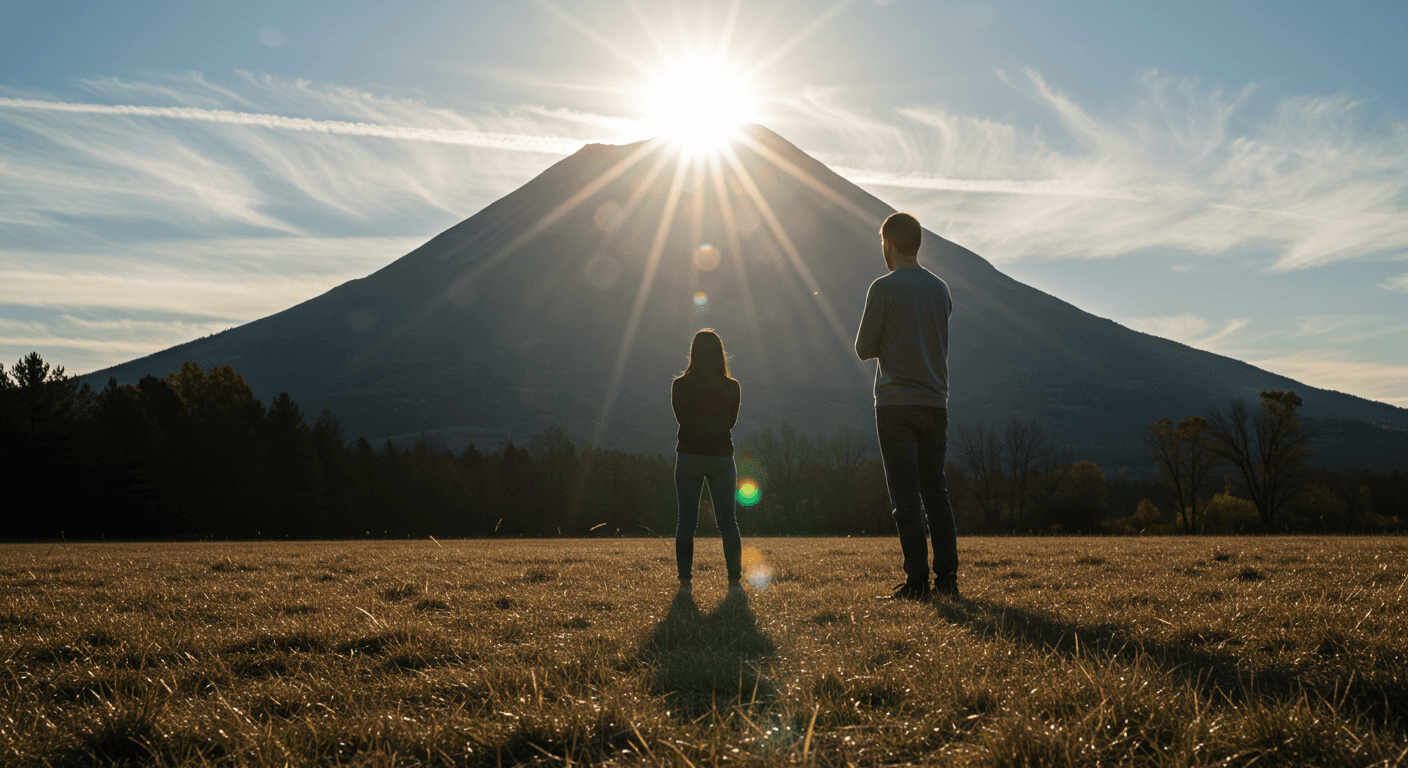
Photography jobs aren’t just about pressing a shutter. They’re about translating human experience, joy, transition, ambition, into visual language that resonates. Whether documenting a wedding’s unscripted laughter, capturing a CEO’s quiet confidence before a keynote, or revealing the spatial poetry of a newly listed home, today’s strongest photography careers begin with listening, not lighting.
That shift, from technician to storyteller, defines the most sustainable, in-demand roles. It’s why photographers who lead with empathy, adapt to ambient light, and edit with emotional restraint consistently earn client trust and repeat business. And because visual storytelling is universal, these opportunities aren’t locked to coastal creative hubs, they’re accessible nationwide.
Key Takeaways
- Photography careers span weddings, real estate, corporate communications, editorial publishing, and event documentation, each demanding distinct narrative instincts and technical fluency.
- Hourly billing is the dominant pricing model for professional photography services, with rates varying by specialization, experience, and geographic context, not fixed package prices.
- Authenticity-driven workflows, like discovery conversations before shoots, natural light adaptation, and narrative-first editing, differentiate reputable professionals from commodity providers.
Why “Photography Jobs” Are More Diverse Than You Think
Gone are the days when “photographer” meant one thing: a studio portraitist in a bow tie or a darkroom technician behind velvet curtains. Today’s photography jobs reflect how deeply visual communication is embedded in modern life, from LinkedIn profile updates to investor pitch decks to neighborhood real estate listings.
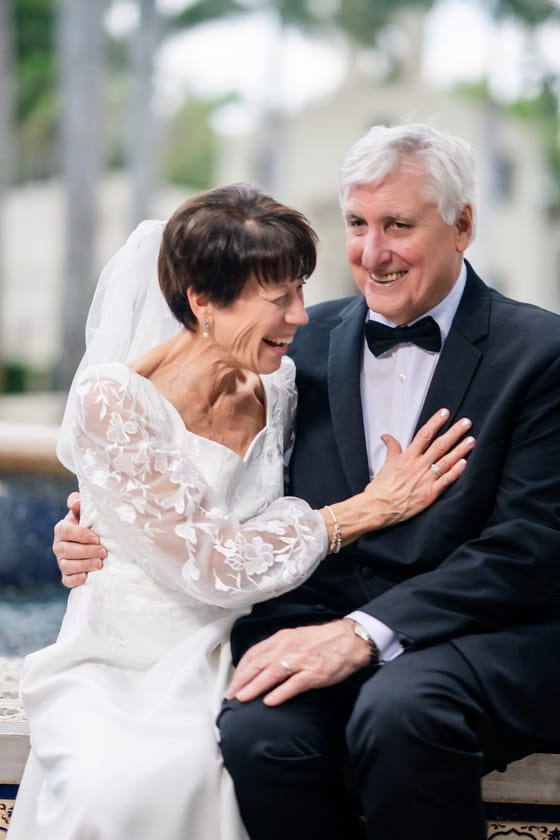
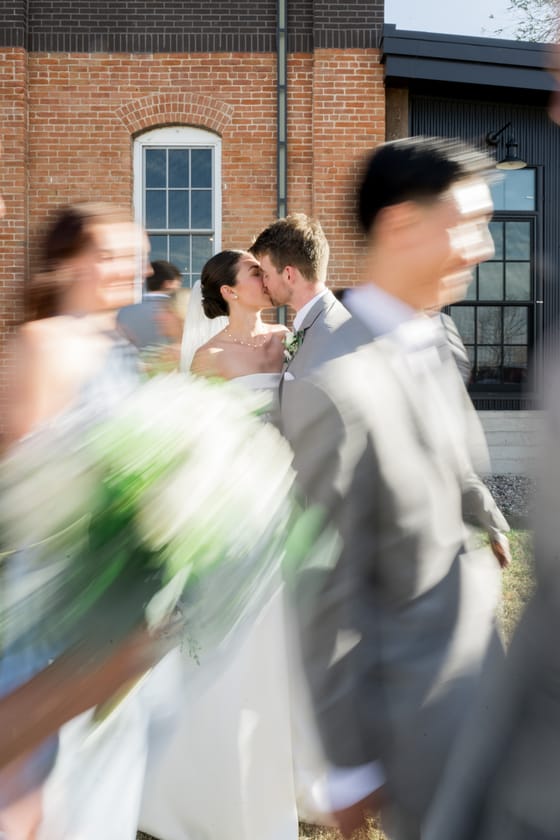
Wedding photography, for example, has evolved from formal group portraits into cinematic day-in-the-life coverage. Corporate clients no longer want stiff headshots, they seek authentic leadership imagery that conveys mission and momentum. Real estate professionals rely on immersive, spatially accurate photography, not just wide-angle gimmicks, to help buyers imagine themselves in a space.
This breadth means entry isn’t gated by a single degree or portfolio type. A strong photojournalism background may lead to editorial contracts. Experience managing lighting on film sets translates well into commercial video-photography hybrids. Even architecture students with a knack for composition often pivot into commercial interior photography.
What unites these paths isn’t gear, it’s the ability to read a moment, anticipate emotion, and make technical decisions in service of meaning. That’s why the most resilient photographers treat every assignment as a collaboration, not a transaction.
The Story-First Approach to Building a Photography Career
The most common career bottleneck isn’t technical skill, it’s misalignment between photographer and client expectations. Too many photographers jump straight to gear specs and shot lists, skipping the foundational question: What story needs to be told here?
That’s where the Story-First Shoot methodology changes everything. It starts with a 15-minute discovery chat, not about lens choice or pose direction, but about what makes this moment, this brand, or this space meaningful. Is it a founder’s decade-long journey to launch? A family’s first home after years of renting? A nonprofit’s quiet milestone before expanding outreach?
That insight becomes the compass. Lighting choices follow emotional tone, not just exposure charts. Composition emphasizes relationship over symmetry. Timing prioritizes genuine interaction over “perfect” light. The result isn’t just technically sound imagery, it’s work clients recognize as theirs, not just “well-shot.”
For photographers building a business, this approach reduces scope creep, increases referrals, and supports premium pricing. Clients who feel deeply understood rarely haggle over deliverables, they invest in continuity.
Natural Light Mastery: The Quiet Differentiator
Many aspiring photographers assume high-end gear or expensive strobes are the keys to professional results. In reality, mastering natural light is the most widely applicable, cost-effective, and emotionally resonant skill across photography jobs.
It’s not about avoiding artificial light, it’s about respecting how light shapes perception. A real estate photographer who scouts a home at 10 a.m. versus 3 p.m. will capture radically different spatial warmth and texture. A wedding photographer who positions a couple in open shade, not direct sun, avoids squinting and flattened features while preserving dimension and skin tone integrity.
Techniques like using a simple white reflector to lift shadow detail on a subject’s face, or layering diffusion to soften harsh midday light, require no batteries or sync cables, just observation and timing. Golden hour remains powerful, but skilled photographers also leverage overcast days (soft, even illumination) and architectural bounce (light reflected off white walls or ceilings) to create compelling images in less-ideal conditions.
This fluency builds client confidence. When a corporate client sees consistent, warm, dimensional imagery across seasons, and understands it’s achieved without heavy post-processing, they begin to trust the photographer’s judgment on bigger creative decisions.
The Candid Edit Framework: Where Ethics Meet Aesthetics
Editing is where many photography careers stall, not from lack of software knowledge, but from unclear values. The Candid Edit Framework offers a deliberate alternative to the “fix-it-in-post” mindset.
It begins with restraint: exposure and color adjustments stay true to the scene’s emotional temperature. A sunset isn’t pushed to neon orange if it was softly amber. A corporate headshot isn’t cooled to sterile blue if the subject’s natural warmth is part of their authenticity.
Next, it defines what counts as a distraction. A power cord snaking across a floor? Removed. A stray leaf in a wedding bouquet? Left. A faint scar on a subject’s forearm? Preserved. The goal isn’t flawlessness, it’s fidelity to the person, place, or moment as it existed.
Finally, sequencing matters. A wedding gallery isn’t a chronological dump, it’s an arc: anticipation, ceremony, quiet connection, collective joy. A product lifestyle series tells a micro-story: discovery, interaction, integration into daily life. That narrative intention transforms a set of images into a persuasive, memorable asset.
For photographers, this framework builds long-term credibility. Clients return not because their photos are “perfect,” but because they feel true.
Photography Careers Beyond the Obvious
When people imagine photography careers, weddings and portraits often dominate the mental frame. Yet the most stable, scalable, and creatively fulfilling roles often lie outside those categories, especially for photographers who pair visual skill with industry awareness.
Corporate storytelling is one powerful example. Companies need authentic visuals for internal training, investor relations, DEIB reporting, and employer branding, but rarely want stock-style imagery. Photographers who understand organizational culture, can navigate office logistics, and capture leadership presence without stiffness find consistent demand.
Real estate photography remains highly accessible, but the bar has risen. Top-tier practitioners don’t just shoot rooms, they understand architectural flow, staging psychology, and how light affects perceived square footage. Many now offer complementary services like floor plan diagrams or 360° virtual tour integration.
Editorial and nonprofit work may pay less per assignment, but it builds portfolio depth, expands network access, and often leads to higher-profile commercial work. A photographer who documented a community garden initiative for a local food bank might later be hired by a national sustainability brand, because their work demonstrated empathy, contextual awareness, and visual clarity.
And while drone photography is often framed as a “gimmick,” certified aerial operators with storytelling instincts are increasingly hired for infrastructure documentation, environmental monitoring, and large-scale event coverage, roles where perspective is functional, not just decorative.
What Jobs Can Photography Get You? (A Realistic Breakdown)
Photography jobs open doors to roles that blend artistry, communication, and problem-solving, many of which don’t carry “photographer” in the title.
Commercial product photographers work directly with brands and ad agencies to create lifestyle and e-commerce imagery, requiring knowledge of color science, textile behavior under light, and platform-specific aspect ratios.
Photo editors at magazines or digital publishers curate, sequence, and fact-check visual narratives, leveraging deep visual literacy and editorial judgment. Their work shapes how stories are perceived before a single word is read.
Visual content strategists advise marketing teams on image selection, usage rights, and visual consistency across channels. They translate brand voice into visual guidelines, not just picking photos, but defining why a certain tone of light or composition reinforces messaging.
And hybrid roles are growing fast: photographers who edit their own video, build simple websites for clients, or create custom Lightroom presets for niche markets (e.g., “coffee shop ambiance” or “mid-century office warmth”) expand their value beyond the shutter click.
None of these paths require a fine arts degree, but all demand curiosity, adaptability, and an understanding that photography is a language, not just a craft.
Is $100 an Hour Good for a Photographer?
That depends entirely on context, not just geography or equipment costs, but the scope of responsibility and the value delivered.
A photographer charging $100/hour for basic headshots with minimal editing and no usage rights may underprice their work, especially if they’re managing client scheduling, location scouting, and file delivery. Conversely, a $100/hour rate for full-service corporate coverage, including pre-shoot consultation, multi-scene documentation, narrative sequencing, and 3–5 final edited images, may be competitive or even conservative, depending on market and expertise.
What matters more than the hourly figure is what the rate includes. Does it cover prep time? Travel? RAW file delivery? Usage licensing? Backup coverage? Insurance? Many photographers who appear “affordable” on paper exclude these elements, shifting cost and risk onto the client.
At Candid Studios, photography and videography services start at $425/hr per hour, fully inclusive of insured coverage, RAW file delivery, a backup-photographer network, and delivery within 2–4 weeks. That transparency eliminates hidden fees and aligns incentives: the photographer succeeds when the client’s story is told well, not when hours are maximized.
What Is the Highest Paying Job in Photography?
There’s no single “highest paying job in photography,” because compensation depends less on title and more on value context, specifically, how tightly the photographer’s work is tied to high-stakes business outcomes.
A real estate photographer capturing a $10M luxury listing may earn a flat fee far exceeding a wedding photographer’s full-day rate, not because the skill is superior, but because the image directly influences a transaction of that magnitude. Similarly, a photographer documenting clinical trials for a biotech firm may command premium rates due to strict compliance requirements, liability insurance mandates, and the need for precise visual documentation standards.
Corporate brand photographers who consistently deliver imagery that increases website engagement, improves recruitment conversion, or strengthens investor confidence often operate on retainers, not hourly rates, because their work is treated as strategic infrastructure, not a one-off service.
In short: the highest-earning photographers aren’t necessarily those with the most gear or longest resumes. They’re those who understand their client’s business goals, speak their language, and position their visual work as an essential part of achieving measurable outcomes.
Frequently Asked Questions
Q: What jobs can photography get you?
A: Photography can lead to careers in wedding and event documentation, corporate visual storytelling, real estate marketing, editorial publishing, nonprofit advocacy, commercial product imaging, and hybrid roles like visual content strategy or photo editing for media outlets, many of which value narrative skill over technical perfection.
Q: What are careers in photography?
A: Careers in photography include full-time staff roles at publications or corporations, freelance specialization in niches like architecture or food, entrepreneurial studios offering end-to-end visual services, and hybrid positions combining photography with video, writing, or digital marketing strategy, all grounded in visual communication fundamentals.
Q: Is $100 an hour good for a photographer?
A: $100/hour may be competitive for entry-level or limited-scope work, but it often falls short for full-service photography that includes consultation, travel, RAW delivery, usage rights, and insurance. Sustainable rates reflect the full value delivered, not just time behind the camera.
Q: What is the highest paying job in photography?
A: The highest paying photography work ties directly to high-value business outcomes, such as documenting multimillion-dollar real estate listings, supporting clinical trial compliance, or building visual identity for venture-backed startups, where image quality impacts revenue, trust, or regulatory standing.
Q: How do I start a photography career without experience?
A: Begin by mastering one niche deeply, like candid family moments or small-business headshots, then build a focused portfolio through pro-bono or low-fee work. Prioritize client collaboration over technical perfection, study natural light in your environment, and learn basic editing restraint before investing in advanced gear.
Contact Candid Studios today for a free consultation.
Related: photographer jobs chicago