Indoor vs Outdoor Photography: Pros and Cons
Discover the key differences between indoor vs outdoor photography. Learn the pros and cons, equipment needs, and which style suits your project best.
When I first picked up a camera fifteen years ago, I thought photography was simply about pointing and shooting. Boy, was I wrong! The decision between indoor vs outdoor photography: pros and cons became one of my biggest learning curves as a professional photographer.
Whether you’re planning a wedding shoot, family portraits, or commercial photography, understanding the fundamental differences between these two environments can make or break your final results. Let me share what I’ve learned through countless shoots in both settings.
The Magic of Outdoor Photography
Advantages of Shooting Outdoors
Natural Light Abundance
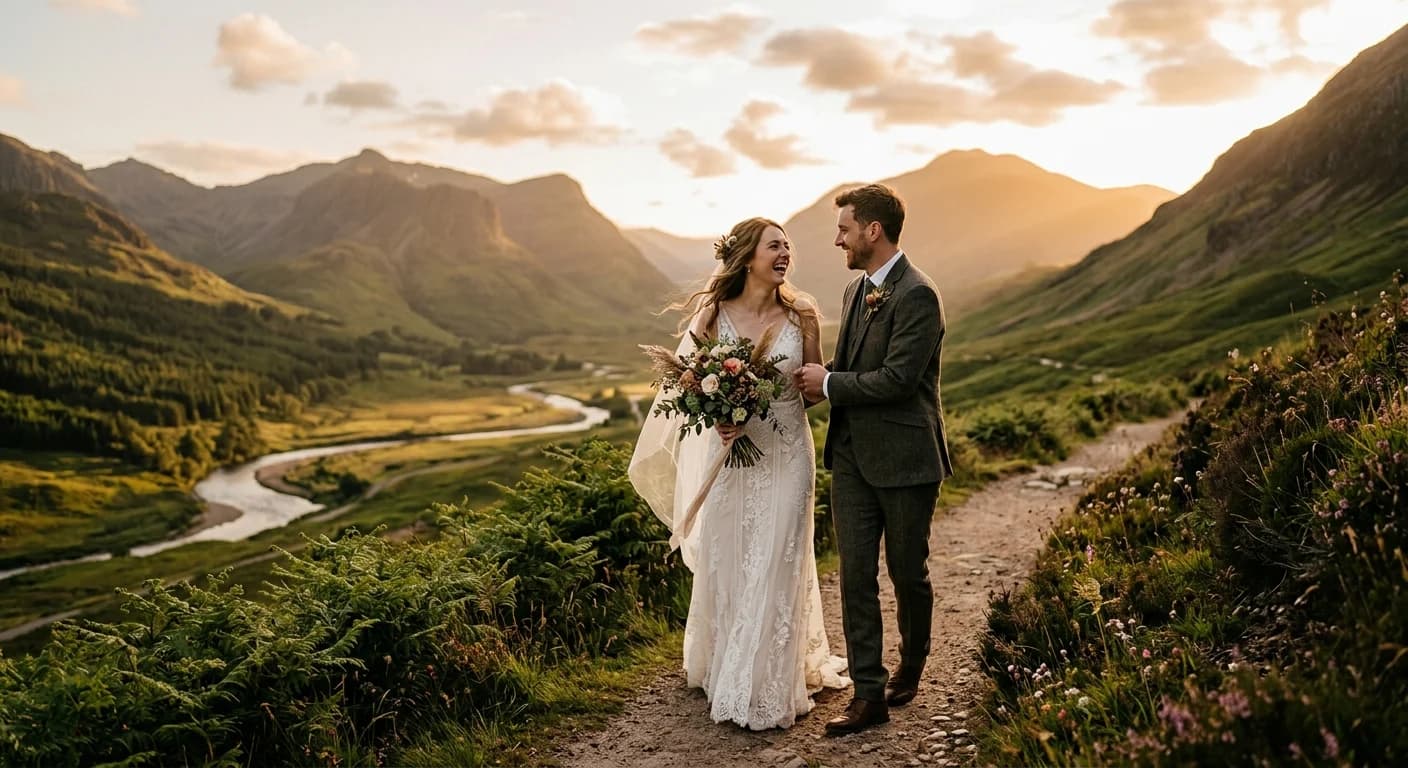
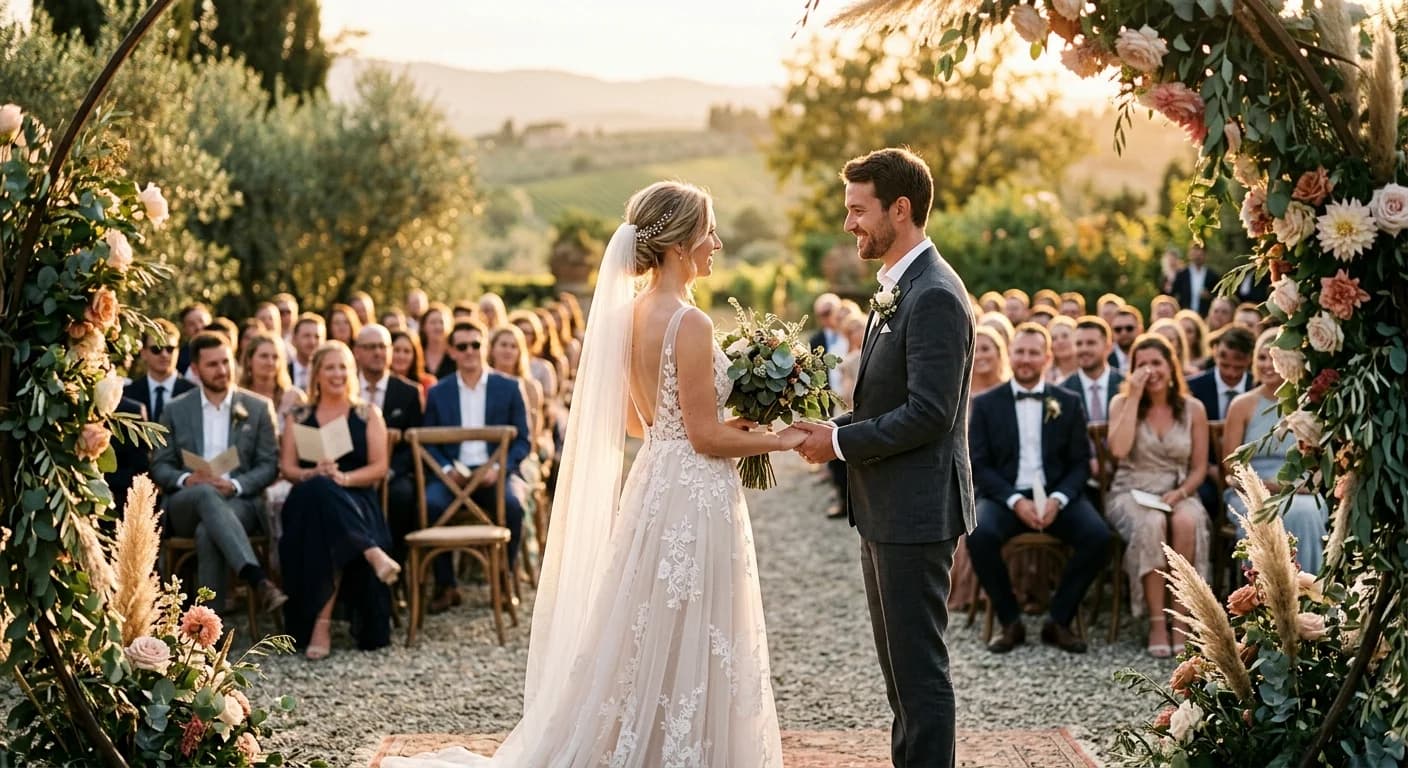
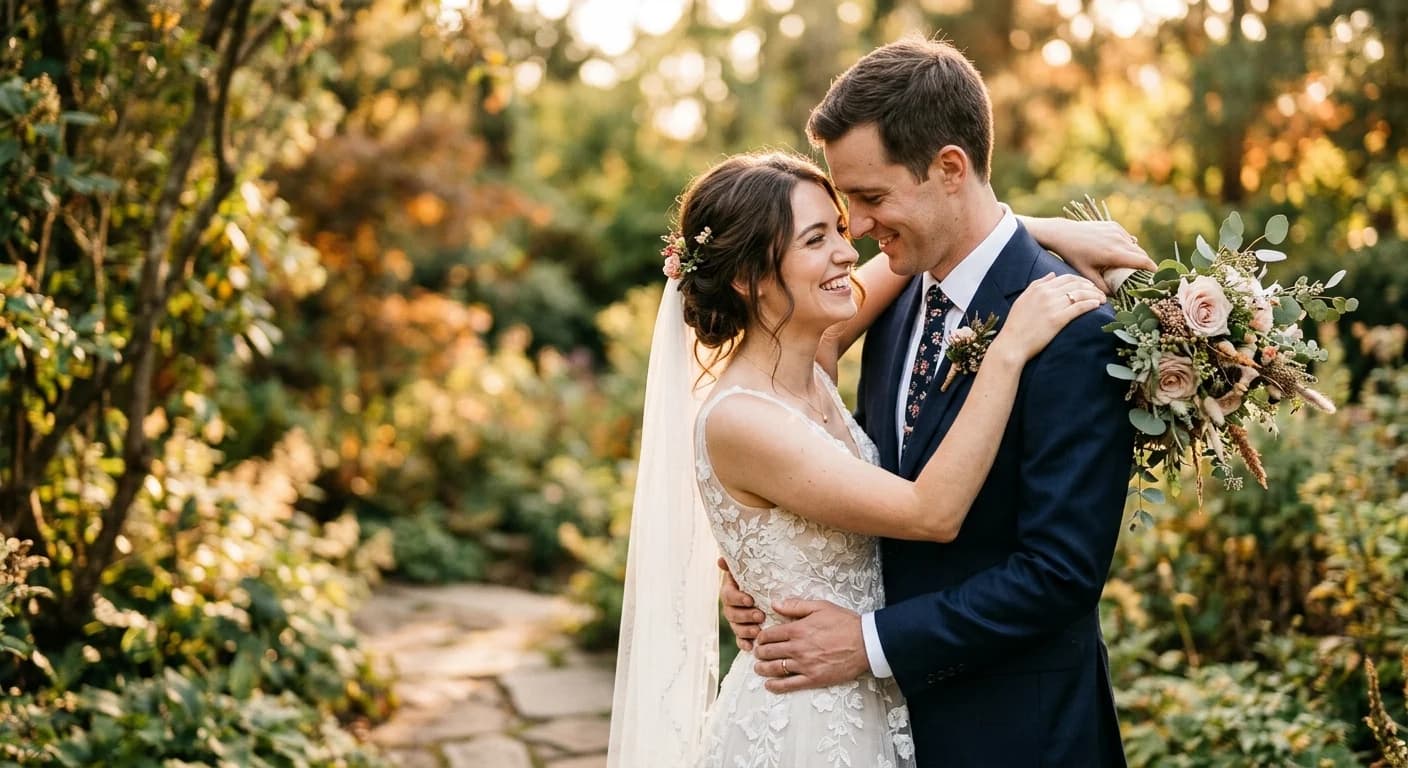
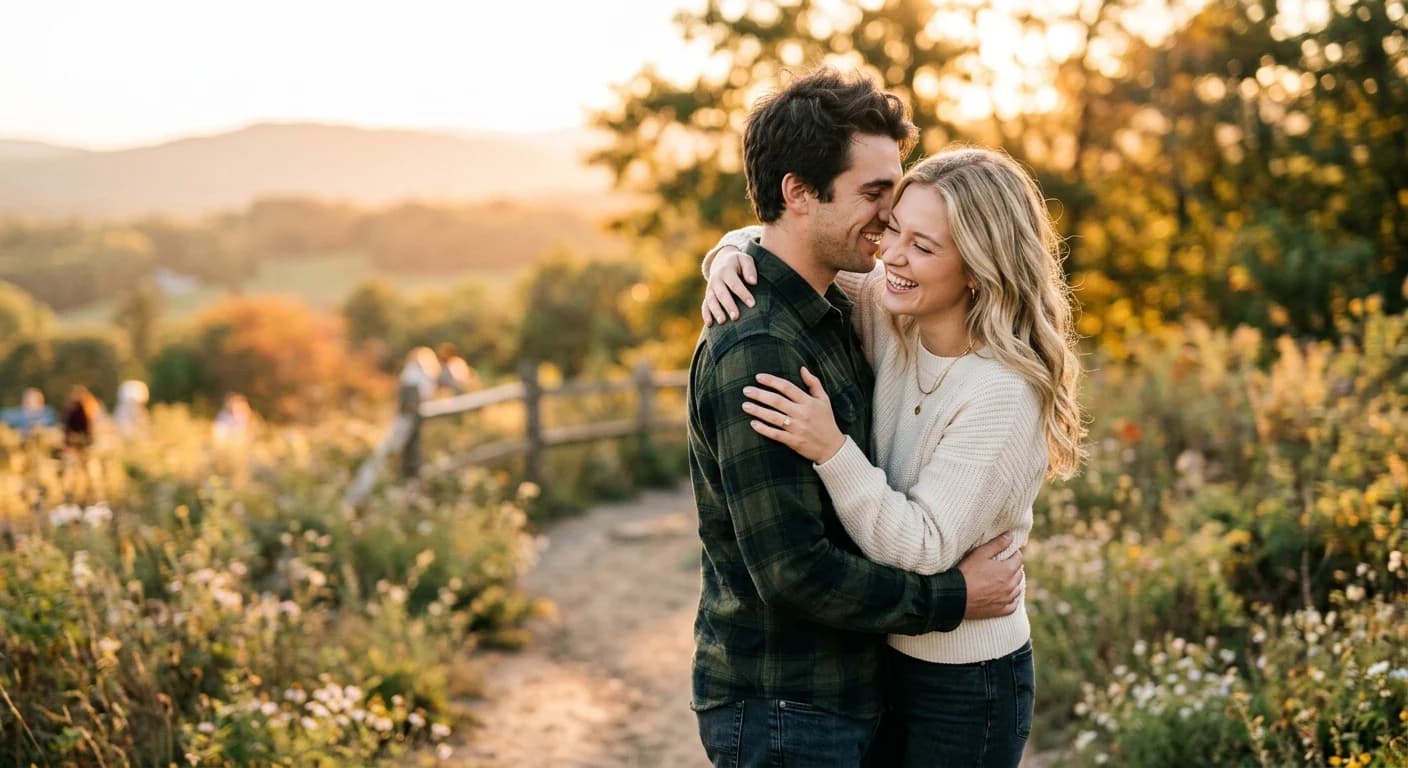
Outdoor photography offers the holy grail of photography: natural light. The sun provides a massive, soft light source that’s impossible to replicate indoors. Golden hour shoots create that dreamy, warm glow that clients absolutely love.
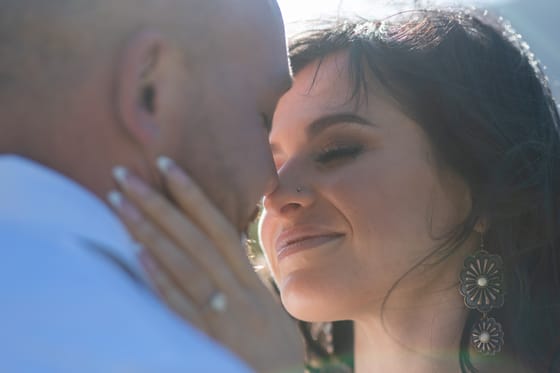
I remember shooting a couple’s engagement session last spring. The late afternoon sunlight filtering through the trees created natural rim lighting that would have cost thousands to recreate in a studio.
Unlimited Creative Backdrops
Nature provides endless variety. From urban cityscapes to rolling meadows, rocky coastlines to forest clearings, outdoor locations offer diverse settings within a single shoot.
Space to Move Freely
Outdoor environments eliminate the constraints of walls and ceilings. You can capture wide-angle group shots, use longer focal lengths, and experiment with different angles without bumping into furniture.
Dynamic Weather Elements
Overcast skies create natural softbox lighting. Light rain adds mood and romance. Even challenging weather can enhance your storytelling.
Challenges of Outdoor Photography
Unpredictable Lighting Conditions
While natural light is beautiful, it’s also constantly changing. Clouds can shift from soft, diffused light to harsh shadows in minutes. I’ve learned to work quickly and adapt on the fly.
Weather Dependencies
Rain, wind, extreme heat, or cold can derail outdoor shoots. I always have backup plans and indoor alternatives ready.
Limited Control Over Environment
You can’t move that tree branch or adjust the background. Outdoor photographers must work with what nature provides, which sometimes means compromising on composition.
Equipment Challenges
Outdoor shoots require weather protection for gear, extra batteries (cold drains them faster), and often more equipment to handle varying conditions.
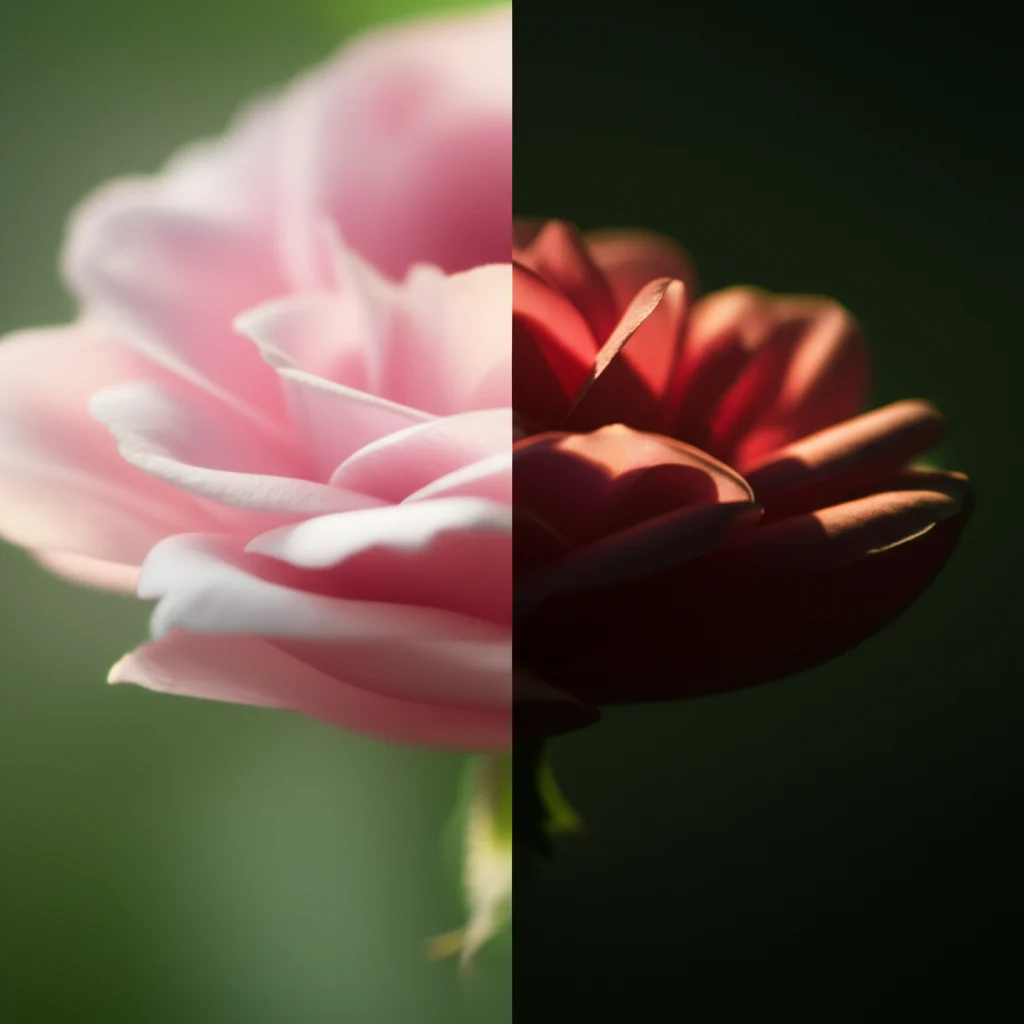
The Controlled World of Indoor Photography
Advantages of Indoor Shooting
Complete Environmental Control
Indoor photography gives you god-like powers over your shooting environment. You control every light source, background element, and environmental factor.
Last month, I shot a corporate headshot session in my studio. The consistent lighting meant every executive’s photos had the same professional quality, regardless of when they arrived for their slot.
Consistent Lighting Conditions
Studio lights don’t change unless you want them to. This consistency allows for efficient workflows and predictable results.
Weather Independence
Rain or shine, indoor shoots proceed as planned. This reliability is crucial for commercial work and tight schedules.
Privacy and Comfort
Indoor environments offer privacy for intimate portraits and comfortable settings for clients who feel self-conscious in public spaces.
Equipment Accessibility
Everything you need is within reach. No hiking with heavy gear or worrying about sand getting in your camera.
Challenges of Indoor Photography
Limited Space Constraints
Even large studios have boundaries. Wide-angle shots can be challenging, and you’re limited in how far you can position subjects from backgrounds.
Artificial Lighting Costs
Quality studio lighting equipment requires significant investment. Professional strobes, modifiers, and continuous lights can cost thousands.
Background Limitations
Unless you have multiple backdrop systems, indoor backgrounds can become repetitive. Creating variety requires creativity and additional equipment.
Technical Complexity
Indoor photography often demands more technical knowledge about lighting ratios, color temperature, and modifier selection.
Equipment Considerations for Each Environment
Outdoor Photography Gear Essentials
Camera Protection
Weather sealing becomes crucial outdoors. I always carry rain covers and lens cleaning supplies.
Reflectors and Diffusers
Portable light modifiers help control harsh sunlight and fill shadows. A simple 5-in-1 reflector is invaluable.
Sturdy Tripods
Wind and uneven terrain demand robust support systems.
Indoor Photography Equipment
Lighting Systems
Studio strobes, softboxes, umbrellas, and beauty dishes form the foundation of indoor photography.
Backdrop Systems
Seamless paper, fabric backgrounds, or painted walls provide clean, professional backgrounds.
Light Meters
Precise exposure control becomes more critical when you’re creating rather than finding light.
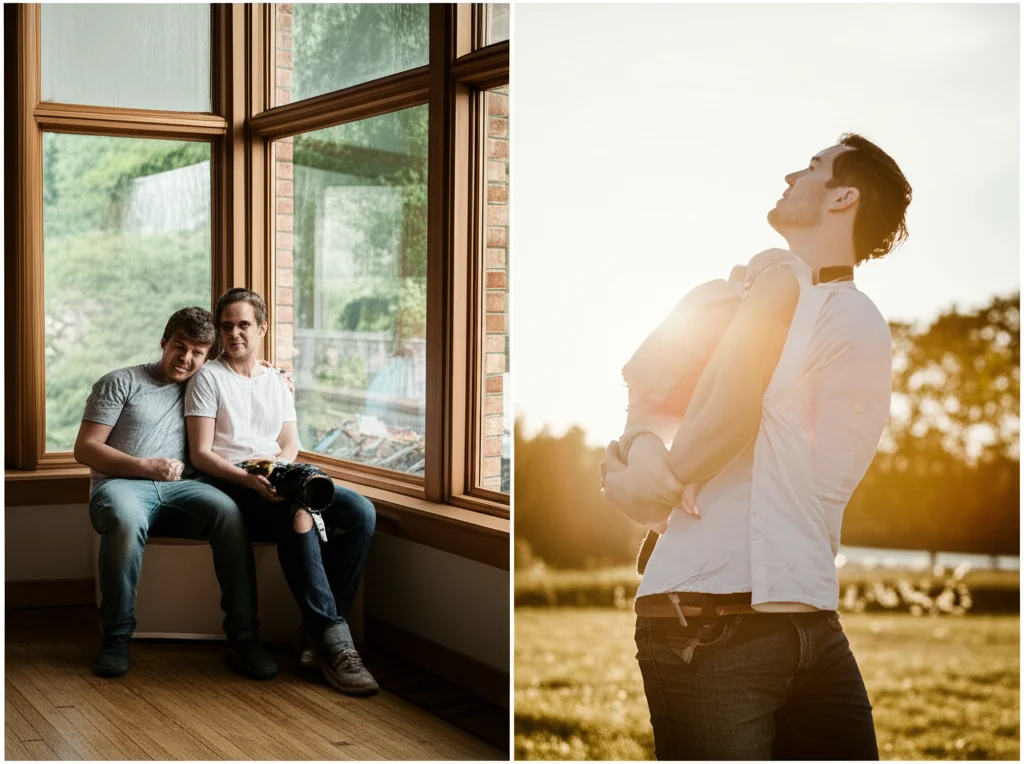
Cost Analysis: Indoor vs Outdoor Photography
Outdoor Photography Costs
The initial investment for outdoor photography is typically lower. You need a good camera, quality lenses, and basic accessories. However, ongoing costs include travel, location fees, and weather-related equipment replacement.
Indoor Photography Investment
Studio photography requires higher upfront costs but lower ongoing expenses. Once you’ve invested in lighting and space, your per-shoot costs decrease significantly.
Which Style Fits Your Photography Goals?
Choose Outdoor Photography If:
- You love natural, candid moments
- Your style emphasizes environmental storytelling
- You enjoy location variety
- You prefer working with available light
- Your clients want relaxed, natural-feeling images
Choose Indoor Photography If:
- You prioritize consistency and control
- Your work focuses on precise lighting
- You shoot commercial or corporate clients
- Weather reliability is crucial
- You prefer technical precision over environmental variety
Making the Hybrid Approach Work
Many successful photographers don’t choose sides in the indoor vs outdoor photography debate. Instead, they master both environments.
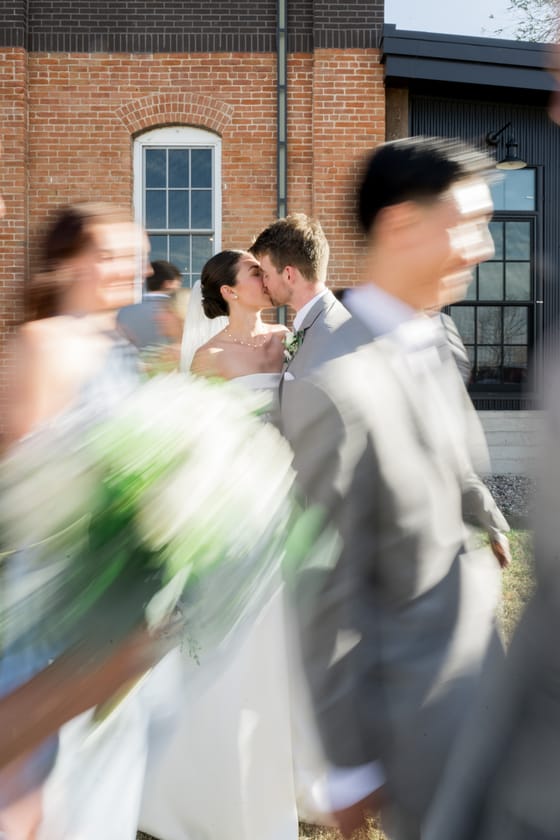
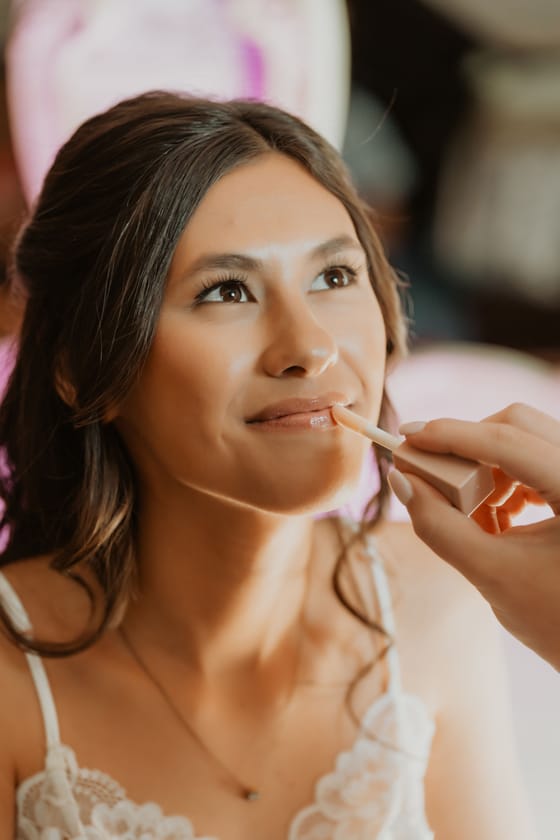
I’ve found that offering both options gives clients more choices and increases booking opportunities. Wedding photographers, for instance, might shoot getting-ready photos indoors with controlled lighting, then move outdoors for ceremony and couple portraits.
Tips for Success in Both Environments
Outdoor Photography Success Strategies
- Scout locations in advance
- Check weather forecasts obsessively
- Bring backup equipment
- Learn to read natural light quickly
- Have indoor alternatives ready
Indoor Photography Mastery Tips
- Invest in quality lighting gradually
- Practice with continuous lights before strobes
- Study light modifier effects
- Create background variety
- Master manual exposure settings
The choice between indoor vs outdoor photography: pros and cons ultimately depends on your artistic vision, client needs, and personal preferences. Both environments offer unique creative opportunities and challenges.
Remember, the best photographers aren’t limited by location—they adapt their skills to create stunning images wherever they shoot. Whether you’re capturing the golden hour magic outdoors or crafting perfect studio lighting indoors, the key is understanding how to maximize each environment’s strengths while minimizing its limitations.
Frequently Asked Questions
Q: Which type of photography is better for beginners?
A: Outdoor photography is often easier for beginners because natural light is more forgiving than artificial lighting. However, indoor photography teaches valuable technical skills about light control and camera settings.
Q: Is outdoor photography more expensive than indoor photography?
A: Initially, outdoor photography has lower equipment costs, but ongoing expenses like travel and location fees can add up. Indoor photography requires higher upfront investment in lighting and space.
Q: Can I do professional photography without a studio?
A: Absolutely! Many successful photographers work exclusively outdoors or in clients’ homes. The key is mastering natural light and portable lighting techniques to maintain professional quality.
Q: How do I deal with bad weather during outdoor shoots?
A: Always have backup plans, including indoor alternatives or covered outdoor locations. Embrace light rain or overcast skies—they often create beautiful, soft lighting conditions.
Q: What’s the most important equipment difference between indoor and outdoor photography?
A: Outdoor photography prioritizes weather protection and portable light modifiers, while indoor photography focuses on studio lighting systems and backdrop equipment. Both require quality cameras and lenses.
Ready to capture your special moments? Contact Candid Studios today for a free consultation.